How Long Does It Take to Build a House in Kenya
“Discover how long it realistically takes to build a house in Kenya — from approvals and site prep to construction, finishing, and handover. Learn about typical timelines, delays, cost‑drivers, and strategies to speed up your build.”
Introduction
Why timeline matters when building in Kenya
How Long Does It Take to Build a House in Kenya
Knowing how long to build a house in Kenya is essential for homeowners, investors, and developers because the construction timeline directly affects financial planning, resource allocation, and overall project management; delays can result in increased costs, extended loan repayment periods, and the need for temporary housing, which makes understanding each phase of the building process critical to avoid surprises and maintain control over both budget and schedule.
How this article can help homeowners, investors, and first-time builders
This comprehensive guide is designed to assist anyone asking “how long to build a house in Kenya” by breaking down the entire construction process, highlighting the stages that most frequently cause delays, comparing timelines for different types of homes, and offering actionable strategies to minimise waiting periods; it also provides investors with practical insights for planning residential projects efficiently and ensuring realistic expectations are set before construction begins.
Why Construction Time in Kenya Varies Widely
Design complexity & architectural changes
The complexity of a house’s architectural design is one of the most significant factors that determine house construction duration in Kenya, as intricate layouts, multi-storey designs, and customised features such as luxury finishes or energy-efficient systems require more planning, specialised labour, and time-intensive execution, meaning that even minor changes requested during construction can lead to substantial delays, increased costs, and a longer overall timeline than originally anticipated.
County approvals and permit delays
Before starting construction, obtaining permits and approvals from the relevant county or national authorities is mandatory, and the duration of this regulatory process can vary widely depending on local government efficiency, completeness of submitted documents, and the complexity of the project, which is why many homeowners experience significant delays even before the first brick is laid; proactive engagement with county offices and careful preparation of architectural and structural documentation can help shorten this waiting period.
Labour availability and productivity
The availability of skilled labour and the efficiency of construction crews play a crucial role in determining how long to build a house in Kenya, as shortages of qualified masons, carpenters, or electricians, along with inconsistent work schedules or low productivity levels, can extend project timelines considerably; employing experienced contractors, managing subcontractors effectively, and scheduling work in phases can help maintain steady progress and avoid unnecessary delays.
Material supply and logistics
Access to building materials, particularly those that are imported or in high demand, is another major determinant of construction speed, because delays in procurement or delivery can halt work entirely, disrupt planned sequences, and increase costs, which makes it critical for homeowners to plan material orders in advance, establish relationships with trusted suppliers, and maintain contingency stock for essential items to ensure that construction continues smoothly.
Weather & seasonal effects
Weather conditions, including prolonged rainy seasons, high winds, or extreme temperatures, can significantly impact construction timelines by delaying foundation works, roofing, external finishes, and other outdoor activities, meaning that understanding seasonal patterns and planning construction schedules around dry periods, as well as employing weather-resistant construction methods, can help minimise disruptions and keep the project on track.
Financial constraints and cash flow stoppages
Even a well-planned construction project can experience significant delays if cash flow is inconsistent or funding is insufficient, because contractors may halt work until payments are received, suppliers may delay deliveries, and project management efficiency can be compromised; therefore, establishing a realistic budget, setting aside contingency funds, and ensuring timely payments are essential strategies to avoid extended construction timelines and to maintain steady progress on your home building project in Kenya.

Pre‑Construction Phase (Planning & Approvals)
Land surveying, soil tests & preparation
Before construction begins, conducting thorough land surveying and soil testing is essential to determine the suitability of the plot for building, identify any potential hazards, and inform the foundation design, which can significantly influence how long to build a house in Kenya. Proper site preparation, including clearing vegetation, marking boundaries, and leveling the land, ensures a solid starting point for construction and helps prevent future structural issues.
Architectural and structural design
The design phase is one of the most critical components of the pre-construction process, as both architectural and structural plans must be meticulously developed to meet your functional needs and comply with local regulations, and any revisions during this stage can impact the overall house construction duration in Kenya. Detailed designs include floor plans, elevation drawings, material specifications, and structural calculations, all of which provide the blueprint for the construction team and minimise costly changes later.
Regulatory approvals: county planning, NCA, building permits
Securing all necessary permits and approvals from county governments and the National Construction Authority (NCA) is mandatory before construction can start, and delays in these approvals are a common reason why homeowners ask “how long to build a house in Kenya?”. Ensuring that architectural and structural drawings meet the required standards, submitting complete documentation, and following up proactively with authorities can reduce waiting time and avoid project stalls.
Securing financing (loans, cash)
Financial preparation is a crucial factor in determining building timeline Kenya projects, as delays in accessing funds can halt construction at any stage. Whether using personal savings or bank loans, having a clear financing plan, understanding repayment terms, and keeping contingency funds available helps maintain uninterrupted progress and prevents costly project delays.
Stakeholder coordination (engineer, architect, QS)
Effective coordination among key stakeholders—engineers, architects, quantity surveyors (QS), and contractors—is vital to ensure that everyone understands the project scope, timelines, and responsibilities, which directly affects house construction duration in Kenya. Regular meetings, clear communication, and shared documentation can prevent misunderstandings, streamline decision-making, and reduce delays caused by misalignment between different professionals.
Site Preparation & Foundation Stage
Land clearing, leveling, excavation
Once pre-construction planning is complete, the site must be cleared of debris, vegetation, and any obstacles, followed by leveling and excavation to prepare for the foundation; this stage sets the groundwork for a stable structure and is essential for accurate placement of walls, columns, and drainage systems, all of which influence house construction duration in Kenya.
Foundation construction (types, time, cost)
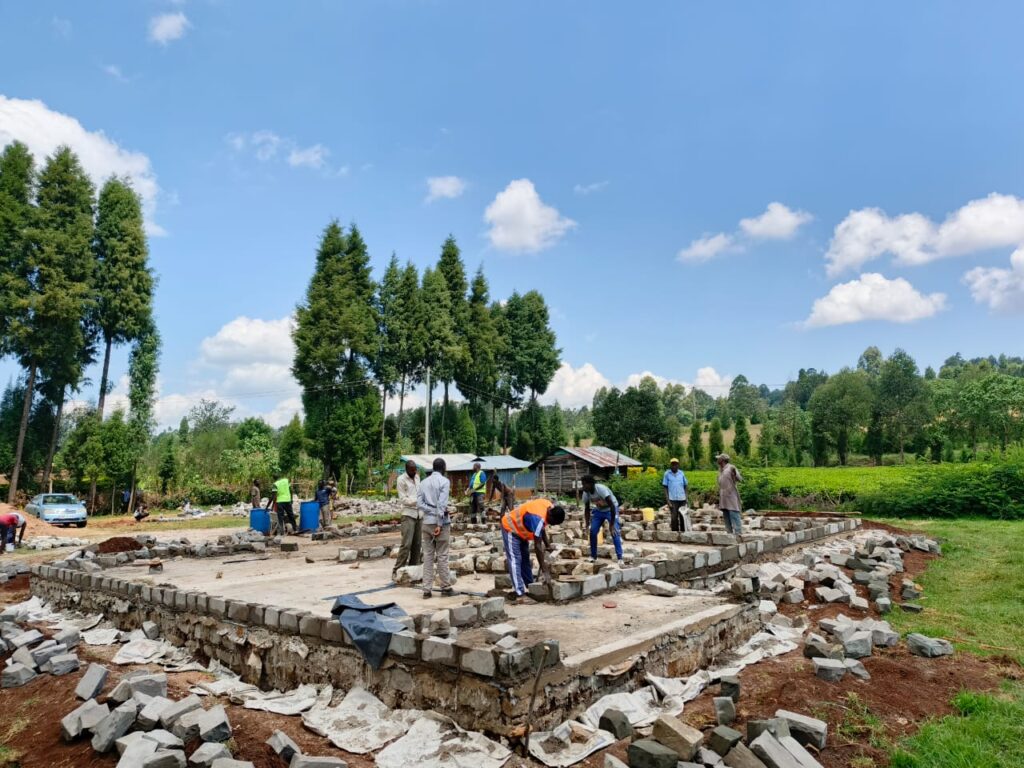
The foundation is the backbone of any house, and its design and construction depend on soil type, house size, and structural load, with common options in Kenya including strip foundations, raft foundations, and pad foundations. Properly curing concrete, allowing adequate time for reinforcement setting, and using quality materials are critical to prevent future structural issues, and this phase can take several weeks, directly affecting overall building timeline Kenya.
Impact of soil type on pace and cost
Different soil types, such as clay, sandy, or rocky soils, affect excavation difficulty, foundation design, and construction duration. Poor or unstable soil may require additional reinforcement or soil stabilisation techniques, increasing both the house construction duration in Kenya and costs, which is why early soil testing is recommended to plan the project timeline accurately.
Structural Construction (Walls, Roof, Superstructure)
Wall construction (blocks, bricks, other materials)
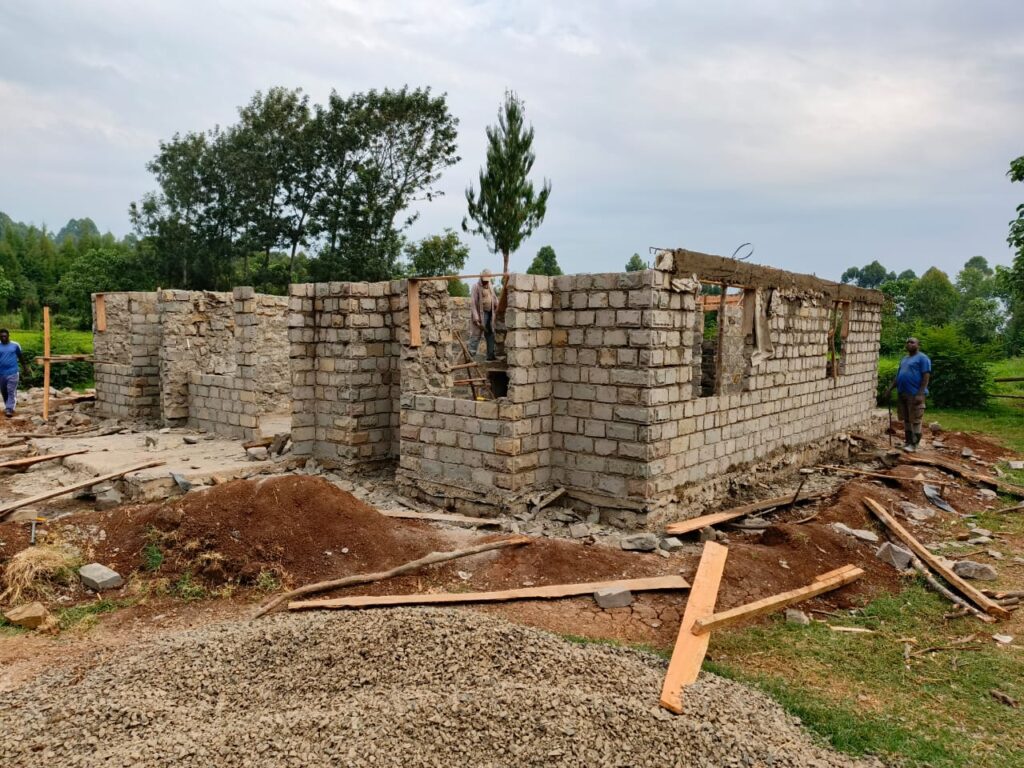
Constructing the walls is one of the most time-intensive stages of a building project and directly influences how long to build a house in Kenya, as the choice of materials, workmanship, and construction methods determines both speed and durability. Popular wall options include concrete blocks, clay bricks, and interlocking stones, each with unique installation timelines, while the quality of mortar mixing, curing time, and alignment accuracy further affect the pace of construction. Attention to detail during this phase is critical because poorly executed walls can compromise structural integrity and lead to costly repairs in the future.
Roofing options & their time impact
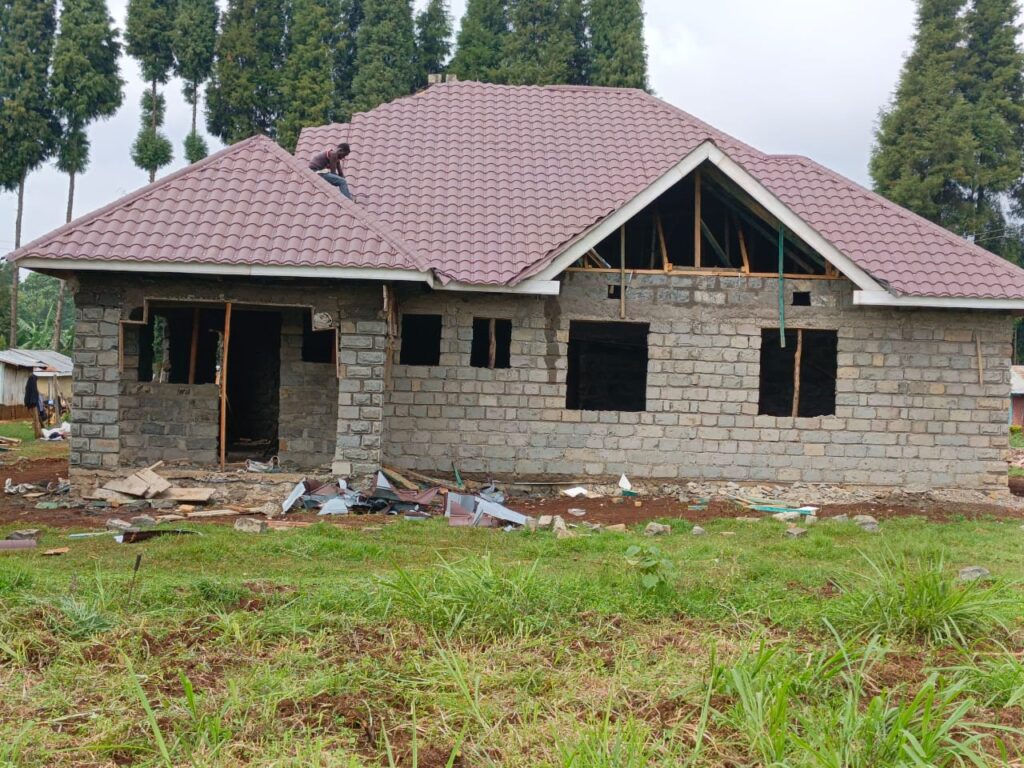
Roofing is a crucial phase that not only protects the structure but also contributes significantly to the overall building timeline Kenya. Options such as corrugated iron sheets, clay tiles, concrete slabs, and steel trusses vary in installation complexity and duration. For example, a prefabricated steel roof can be completed much faster than traditional clay tiles, while a concrete slab roof requires careful curing time, which must be factored into your construction schedule to avoid delays in subsequent finishing works.
Structural frame & reinforcement
The structural frame, including columns, beams, and slabs, forms the skeleton of the house and requires meticulous planning and execution to ensure long-term safety and compliance with local building codes. Reinforcement using steel bars (rebar) is critical for load-bearing capacity, and proper curing of concrete is essential to achieve the desired strength. Mistakes or shortcuts during this stage can lead to structural failures and extended timelines, which is why careful supervision and adherence to construction standards are essential when calculating house construction duration in Kenya.
Mechanical, Electrical & Plumbing (MEP) Works
Rough-ins for plumbing and electrical
The rough-in phase of plumbing and electrical works is a critical step that must be completed before wall finishes and flooring installation, as it lays the foundation for all mechanical, electrical, and water systems within the house. Proper planning and installation during this stage ensure functionality, safety, and minimal future disruptions, which in turn influences the overall house construction duration in Kenya, especially if errors require rework later.
HVAC, water connection, septic/drainage
Installation of HVAC systems, water supply lines, and septic or drainage connections is essential for making a home habitable, and delays in this stage can significantly affect building timeline Kenya, particularly when coordination with local utility providers or contractors is required. Ensuring that all pipes, ducting, and connections are correctly positioned and tested before wall finishes and flooring helps prevent costly mistakes and avoids having to redo works after finishing.
Coordination between subcontractors
Effective coordination between subcontractors—plumbers, electricians, HVAC installers, and other specialists—is essential to maintain workflow and prevent overlapping or conflicting tasks, which can delay progress. Clear communication, scheduling, and supervision during the MEP stage are crucial for ensuring that the project remains on track, helping homeowners and builders better estimate how long to build a house in Kenya without unnecessary downtime.
Finishing Works
Flooring (tiles, hardwood, etc.)
Flooring is one of the most visible elements of a house and plays a major role in determining the overall house construction duration in Kenya, as the type of flooring selected can significantly affect installation time. Options such as ceramic tiles, hardwood, vinyl, or polished concrete require different levels of preparation, leveling, and curing, and the quality of workmanship is essential to ensure durability and aesthetic appeal. Proper sequencing of flooring installation, especially after mechanical and electrical rough-ins, helps avoid damage and prevents rework, keeping the project on schedule.
Doors, windows, painting
Installing doors and windows and completing interior and exterior painting are critical finishing tasks that directly influence the visual appeal and security of the house, and they also impact building timeline Kenya because any delays in sourcing materials or fitting can hold up subsequent work. Choosing locally available, ready-to-install doors and windows can speed up progress, while painting must be scheduled after plastering and proper curing to achieve a long-lasting finish.
Fitting kitchens, wardrobes, and cabinets is a labor-intensive stage that contributes to house construction duration in Kenya, as precise measurements, custom designs, and high-quality materials are required to ensure functionality and durability. Coordinating the delivery and installation of these items, along with plumbing and electrical connections for kitchen appliances, is essential to avoid rework and maintain the construction schedule.
External finishes (external walls, plastering)
External finishes, including wall plastering, rendering, painting, and decorative features, not only enhance the appearance of the house but also protect it from weather and structural damage, and delays at this stage can extend the overall building timeline Kenya. Scheduling these works after the roof and MEP installations are completed, while considering seasonal weather conditions, ensures efficient execution and prevents repeated touch-ups.
Final Inspections, Handover & Defects Liability
Quality checks & snagging
Quality checks and snagging involve a thorough inspection of the entire house to identify defects, incomplete work, or areas that require correction, and this stage directly influences how long to build a house in Kenya because any issues discovered must be addressed before final handover. Conducting a detailed snagging list ensures that the homeowner receives a fully functional and safe home, while also reducing the likelihood of costly repairs after moving in.
Regulatory inspections
Regulatory inspections are required to certify that the construction complies with county regulations, building codes, and the National Construction Authority (NCA) standards, and obtaining approval at this stage is essential for legal occupancy. Delays in scheduling inspections or addressing compliance issues can extend the project timeline, making early preparation and adherence to standards crucial to completing the building process efficiently.
Handover process
The handover process marks the official completion of the project, including the transfer of keys, documentation, warranties, and manuals to the homeowner. A smooth handover, coordinated with contractors, architects, and engineers, ensures that the home is ready for occupancy and that any minor defects are noted for correction, which helps finalise the house construction duration in Kenya accurately.
Defects liability period
The defects liability period is the timeframe during which the contractor is responsible for rectifying any faults or deficiencies identified after completion, and it serves as an important safeguard for homeowners. Understanding this period and ensuring that any issues are addressed promptly helps maintain the home’s integrity while providing clarity on accountability, which is an essential consideration when calculating the total building timeline Kenya.
Typical Build Duration by House Type in Kenya
Small/simple homes (1–2-bedrooms)
Small or simple homes such as 1–2-bedroom units usually take the shortest time to complete because their designs are straightforward, materials are fewer, and labour demand is lower, making them a good reference point when estimating how long to build a house in Kenya. Most of these homes can be completed within a few months when financing, approvals, and materials are well-coordinated, especially in areas with easy access to skilled fundis. Their predictable layout and limited structural complications allow faster progress and fewer delays.
Medium homes (3-bedroom bungalow/maisonette)
Medium-sized homes, such as 3-bedroom bungalows or maisonettes, typically take a longer period because they involve more complex layouts, additional rooms, and higher structural load requirements. These homes are common across Kenya, and the house construction duration in Kenya for such builds usually ranges widely depending on design complexity, contractor efficiency, and steady cash flow. They often include more MEP work, larger foundations, and detailed finishing, all of which influence the project timeline.
Large or luxury homes/multi-storey
Large, luxury, or multi-storey properties require significantly more time due to their advanced architectural features, multiple floors, high-end finishes, and strict structural engineering standards. These homes often involve reinforced foundations, extensive roofing systems, and detailed custom interiors, which extend the overall building timeline Kenya. Coordination between multiple subcontractors and longer inspection procedures also contributes to extended project duration.
Data from Kenya Housing Survey
Recent data from the Kenya Housing Survey shows that most residential projects take longer than planned due to approval delays, material shortages, and financial interruptions, which helps explain why many homeowners underestimate house construction duration in Kenya. The survey highlights differences between urban and rural builds and offers insights into average timelines for different house categories. Understanding these trends helps homeowners budget time and money more accurately.
Outliers: multi-year builds
Some projects become outliers when construction takes several years, usually due to stalled financing, contractor disputes, or frequent design changes. These multi-year builds are common among self-funded homeowners who construct in phases as money becomes available, which greatly affects how long it takes to complete a house in Kenya. Rural areas also experience more of these prolonged builds due to limited access to skilled labor and materials.

Regional Differences in Construction Time
Urban vs rural (labour, material, approvals)
Construction timelines differ significantly between urban and rural regions because cities generally have better access to skilled labour, reliable suppliers, and faster communication among professionals. In rural areas, the house construction duration in Kenya tends to increase due to longer material transport distances, fewer specialised fundis, and slower approval processes. These regional gaps can impact both cost and pace, making location a major factor when planning a realistic timeline.
Case study by county
Different counties experience varied construction speeds due to local infrastructure, contractor availability, and government efficiency. For example, Nairobi, Kiambu, and Nakuru typically have faster timelines because of high contractor presence and accessible suppliers, while counties like Turkana or Taita Taveta may experience delays due to logistics challenges. These variations help homeowners understand how building timeline Kenya can shift dramatically depending on the county.
How local government efficiency affects timeline
Local government offices play a major role in determining how long to build a house in Kenya, as delays in approving plans, conducting site inspections, or issuing compliance documents can stretch the project timeline. Some counties have digitised approval systems, speeding up the process, while others still rely on manual workflows that take longer. Staying proactive with submissions and following up regularly can help homeowners avoid unnecessary delays.
Key Risks & Common Causes of Delay
Approval and permit bottlenecks
Approval and permit delays are among the biggest contributors to longer house construction duration in Kenya, because any missing documents, design inconsistencies, or slow county workflows can halt a project before it even begins. Many counties still rely on manual processes, meaning homeowners must follow up frequently to avoid unnecessary bottlenecks. Starting approvals early and submitting complete plans reduces the risk of long waiting periods.
Change orders/redesigns during construction
Redesigning plans or changing materials and room layouts in the middle of construction can significantly extend how long to build a house in Kenya, because contractors must adjust structural works, re-order materials, or even redo completed sections. These changes often create cost overruns, halt progress, and strain the contractor–client relationship. Avoiding design alterations after construction starts helps maintain momentum and keeps the project on schedule.
Material shortages or delivery delays
Material shortages, supplier delays, and transportation challenges can bring construction to a standstill, especially in rural areas where delivery times are longer and fewer alternatives exist. These delays affect every stage of the build, from foundation to roofing, making material planning a crucial factor in managing building timeline Kenya. Buying from reliable suppliers and ordering early minimises downtime.
Cash-flow interruptions
Cash-flow interruptions are one of the most common reasons construction projects stall, particularly for self-funded homeowners who build in phases as money becomes available. When payments to fundis or suppliers are delayed, the entire project slows down, extending how long it takes to finish the house. Keeping a clear budget and emergency reserve helps avoid these interruptions.
Weather-related stoppages
Weather conditions such as heavy rainfall, flooding, or extreme heat can slow down construction, especially during foundation, roofing, and external finishing stages. These weather disruptions directly impact house construction duration in Kenya because contractors must wait for safe and stable conditions before proceeding. Planning work around seasonal patterns reduces unexpected stoppages.
Poor project management or contractor disputes
Weak project management, miscommunication, and contractual disputes with contractors can create avoidable delays that significantly affect the overall building timeline Kenya. Issues such as unclear responsibilities, lack of supervision, or disagreements over cost variations often stall progress. Hiring qualified professionals and keeping clear documentation helps prevent these conflicts.
Strategies to Accelerate Construction
Prefab/modular building methods
Prefab and modular construction methods are becoming popular because they reduce timelines by manufacturing major components off-site, allowing on-site work to proceed faster and with fewer disruptions. These systems can dramatically shorten how long to build a house in Kenya, especially for small and medium homes. The controlled factory environment also ensures consistent quality and fewer delays caused by weather or material shortages.
Phased construction (building in stages)
Building in stages allows homeowners to maintain progress even when funds are limited, although it requires careful planning to avoid long gaps between phases. When done strategically, phased construction can streamline house construction duration in Kenya by focusing first on essential structural work before full finishing. This approach also helps homeowners manage costs more comfortably.
Pre-ordering materials/early procurement
Pre-ordering materials in advance helps eliminate delays caused by stock shortages, price fluctuations, and long delivery timelines, especially for roofing materials, tiles, windows, and doors. When materials arrive on time, the building timeline Kenya becomes more predictable and efficient. Early procurement also helps the contractor maintain consistent workflow without unnecessary stoppages.
Hiring experienced contractors and using a clerk of works
Experienced contractors understand sequencing, timelines, and resource management, which makes construction smoother and faster. Appointing a clerk of works ensures daily supervision, immediate problem-solving, and better adherence to building standards, which all contribute to reducing how long to build a house in Kenya. Strong oversight prevents mistakes that would otherwise require costly rework.
Getting approvals early
Starting the approval process long before procurement and site preparation ensures the project is not delayed by county or NCA processing times. This proactive step helps shorten house construction duration in Kenya, because once approvals are done, the build can proceed without regulatory hurdles. Submitting complete documentation reduces back-and-forth with authorities.
Regular monitoring and progress tracking
Consistent monitoring, weekly reporting, and proper documentation help keep the project on track by identifying small issues before they escalate into costly delays. Homeowners or supervisors who stay involved often complete projects faster because they ensure accountability and timely decision-making. This hands-on approach is key to maintaining a predictable building timeline Kenya.
Cost Implications of Construction Time
How longer timelines inflate costs
When a construction project takes more time than originally planned, the cost almost always increases because labour, supervision, equipment hire, and overheads continue accumulating daily, slowly pushing the budget far beyond the initial estimate. Longer timelines also expose the project to changing market conditions where the prices of cement, steel, timber, tiles, and other finishes may rise unexpectedly, forcing the homeowner to spend more than what was budgeted at the start. This means that any delay, even a small one, compounds into a financial strain that affects both the construction team and the client in the long run.
Hidden costs (site security, material storage, inflation)
When a project drags on for extra weeks or months, several hidden costs begin to appear, especially on busy or unsecured construction sites where you must pay for guards, temporary fencing, or CCTV to protect materials. Extended timelines also mean that bulk materials need to be stored for longer periods, increasing the risk of theft, weather damage, or deterioration, which leads to additional replacement costs. Inflation adds another silent expense, because the longer the project takes, the more likely it becomes that key materials will cost more when the next procurement phase arrives.
Opportunity cost of delayed occupancy
Every month that construction is delayed reduces the economic or personal benefits you expected to start enjoying from your new house, such as rental income, family settlement, or moving from a rental property to save on monthly expenses. If the house was intended as an investment, the delay means postponed cash flow, fewer months of rental collection, and possibly missing high-demand seasons when occupancy is easier to secure. For homeowners, delays also extend the emotional and financial burden of paying rent elsewhere while still funding construction.
Financing cost/interest during construction
Projects that rely on loans, SACCO financing, or mortgage-linked construction products often become very expensive when timelines extend because interest accumulates for the entire construction period. A delay of even two or three months can add tens or hundreds of thousands of shillings to the final cost, depending on the interest rate and loan size. In some cases, slow progress forces homeowners to request loan top-ups, which increases both the principal and the interest burden.
Real-World Evidence & Case Studies
Kenya Housing Survey data on construction duration
Recent housing surveys in Kenya consistently show that most residential projects exceed their planned completion timelines due to approval delays, contractor inefficiencies, and unpredictable external factors such as weather or material shortages. The data reveals that while many homeowners plan for an 8–12 month timeline, the actual completion period for a typical 3–4 bedroom home often stretches to 14–18 months, especially in urban areas where approvals and logistics take longer. These numbers highlight the gap between planning and real execution, proving that delays are common and must be anticipated from the beginning.
Anecdote: 4-bedroom house example
A common example seen among Kenyan homeowners is the 4-bedroom bungalow project that begins with a clear schedule but later experiences multiple disruptions, pushing completion far past the initial target date. In one typical case, the project was expected to take 10 months but ended up taking nearly 17 months because of delayed approvals, material shortages during peak demand seasons, and two redesigns requested midway through the build. The homeowner ended up spending nearly 22% more than the original budget, showing how easily changes and delays can grow into major financial setbacks.
Example from a reputable Kenyan construction firm
Many established construction firms in Kenya report that one of the biggest contributors to extended timelines is clients beginning construction without a fully coordinated set of drawings, bills of quantities, and procurement schedules. One firm recorded that out of 40 residential projects handled over a two-year period, nearly 70% exceeded the planned timeline, mainly due to late design revisions, slow material delivery, and cash-flow interruptions from the client’s side. These real-world insights confirm that delays are not just theoretical risks but predictable patterns that must be managed through planning, clear communication, and disciplined project management.
Conclusion
Summary of typical timelines and major influencing factors
Most residential homes in Kenya, especially standard 3- and 4-bedroom houses, follow a typical construction timeline of about 8–12 months, although real-world trends show that many projects extend to 14–18 months due to factors such as approval delays, unpredictable weather, material shortages, design changes, and the contractor’s capacity. These timelines shift even further when there are persistent cash-flow interruptions, late procurement of materials, or bottlenecks in county planning departments that slow down the pre-construction phase. Overall, the building duration depends heavily on planning quality, contractor efficiency, and the homeowner’s ability to maintain steady financing throughout the project.
Advice for prospective builders
Anyone planning to build a home in Kenya should dedicate enough time upfront to secure complete drawings, get approvals early, hire an experienced contractor, and create a reliable cash-flow plan that prevents stoppages at critical stages. It is also extremely important to avoid unnecessary design changes once construction begins because every modification, however small, affects materials, labour, structural design, and the timeline. By maintaining consistent supervision, ordering materials in advance, and using a clear project schedule with weekly updates, homeowners can significantly reduce delays and manage their budget more effectively.
Final thoughts on managing expectations and risk
While construction delays are common in Kenya, homeowners who understand the major risks—such as weather disruptions, slow approvals, contractor disputes, and price inflation—are better positioned to manage expectations and avoid frustration. The key is to prepare for the possibility of extended timelines by setting realistic goals, adding a contingency budget, and communicating clearly with everyone involved in the project. With proper planning, disciplined management, and timely decision-making, even complex builds can finish smoothly without the prolonged delays that affect many Kenyan homeowners today.