County Government Role in Construction
Learn the county government role in construction in Kenya, including permits, approvals, project management, funding, and compliance—and how developers can work with counties for faster, successful builds.
Introduction
The County Government Role in Construction is central to how building projects are planned, approved, and delivered across Kenya. Since devolution, county governments have taken over key responsibilities such as development control, construction permits, and local infrastructure planning. This has made counties the first point of contact for developers, contractors, and property investors working on residential, commercial, or public projects.
Today, understanding the role of County Government in construction projects helps reduce delays, avoid compliance issues, and improve project success. From approvals and inspections to construction management and community engagement, counties influence every stage of development. Builders who understand these systems early can move faster and work more effectively with local authorities.
Overview of County Government Role in Construction
Functions of County Government in Local Infrastructure Development
County governments play a direct role in planning, building, and maintaining local infrastructure such as access roads, drainage systems, markets, health facilities, and public buildings. These functions support both private development and community growth while improving land value and investment potential. Through physical planning departments, counties guide where and how construction happens within their jurisdictions. This makes the County Government Role In Construction essential for orderly urban and rural development.
Responsibilities of County Governments Under the County Government Act
Under the County Government Act, counties are responsible for development control, local construction approvals, and delivery of public works. These responsibilities of county governments also include enforcing planning standards, coordinating public participation, and managing county-funded construction projects. For developers, understanding these legal duties helps avoid compliance issues and costly redesigns. It also clarifies how the role of County Government in construction projects fits into Kenya’s devolved system.
County Government Role vs National Government Role in Construction
While national agencies handle broad policies and technical standards, county governments manage on-the-ground approvals and implementation. Counties issue building permits, monitor sites, and oversee local infrastructure, while bodies like NCA and NEMA provide national oversight. This shared structure often confuses developers, making it important to know which authority handles what. Clear understanding improves timelines and strengthens construction management outcomes.
Why County Governments Matter to Developers and Contractors
County governments are the gatekeepers of construction progress, from approving drawings to inspecting completed buildings. Developers and contractors depend on counties for permits, inspections, and occupancy certificates before projects can move forward or generate income. Early engagement with county offices also reduces delays and improves coordination during construction. For anyone building in Kenya, county systems directly affect cost, speed, and compliance.
Legal, Planning, and Regulatory Responsibilities
Development Control, Zoning, and Land Use Planning
County planning departments control zoning, plot coverage, building heights, and land use changes. These rules guide what type of construction is allowed in specific areas, helping prevent congestion and unsafe development. Developers must align designs with county physical plans before submitting for approval. This process forms the foundation of responsible construction management at the local level.
Construction Permits, Approvals, and Compliance Certificates
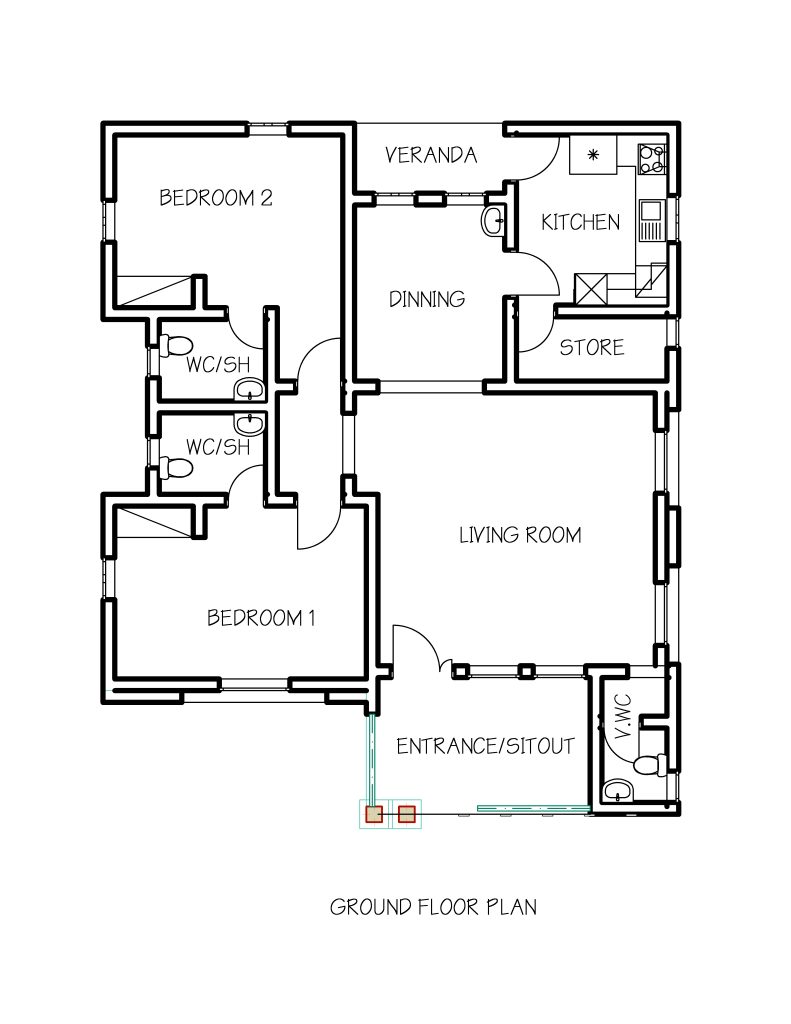
Before any project begins, counties review architectural and structural drawings and issue construction permits. After completion, compliance certificates confirm that buildings meet approved plans and safety standards. These approvals protect buyers, tenants, and investors while promoting quality development. Understanding this workflow is key to navigating the role of County Government in construction management.
Environmental, Safety, and Building Standards Enforcement
County governments enforce environmental safeguards, workplace safety rules, and building standards during construction. Site inspections ensure contractors follow approved designs and protect surrounding communities. This includes drainage management, waste control, and structural safety checks. These actions reduce risks while supporting sustainable construction practices.
Collaboration With NCA, NEMA, and Other Regulatory Bodies
Counties work closely with national agencies such as NCA for contractor registration and NEMA for environmental approvals. This collaboration ensures projects meet both local and national requirements. However, overlapping mandates can cause delays when roles are unclear. Knowing how these bodies interact helps developers manage approvals more efficiently.
Role of County Government in Construction Projects
Identification and Prioritization of Public Construction Projects
County governments identify priority projects based on community needs such as roads, schools, markets, and health facilities. These decisions shape local development patterns and influence private investment opportunities nearby. Public construction also stimulates employment and improves service delivery. This highlights how counties drive grassroots infrastructure growth.
Budgeting, Financing, and Allocation of County Development Funds
Each county prepares annual budgets that allocate funds to construction and infrastructure programs. These budgets determine which projects move forward and how fast they are completed. Funding may come from local revenue, national transfers, or development partners. Understanding this process helps contractors position themselves for upcoming opportunities.
Procurement, Tendering, and Contractor Selection Processes
Counties manage procurement through transparent tendering systems that select contractors for public projects. This includes bid evaluation, contract awards, and performance monitoring. Following procurement rules ensures fairness while protecting public resources. For builders, mastering county procurement procedures opens access to long-term construction work.
Community Engagement and Public Participation in Projects
Public participation allows residents to give input on proposed construction projects before implementation. Counties organize forums and consultations to gather feedback and address local concerns. This process improves project acceptance and reduces disputes during construction. It also strengthens accountability in county-led developments.

Role of County Government in Construction Management
Project Planning, Scheduling, and Performance Monitoring
County governments play a key role in planning construction projects, setting timelines, and monitoring performance to ensure projects are completed on schedule. They review project proposals, allocate resources, and track progress against agreed milestones. Effective planning and monitoring help reduce delays, cost overruns, and quality issues. Understanding this process is essential for anyone working with counties in Kenya.
Site Inspections, Quality Control, and Progress Reporting
Counties regularly conduct site inspections to enforce quality control and confirm that construction meets approved plans and standards. They also monitor progress, review reports, and ensure contractors comply with safety and environmental regulations. These inspections protect public investment and maintain community trust in infrastructure projects. Developers benefit from anticipating inspection schedules and requirements.
Contract Administration and Dispute Resolution
County governments oversee contract management for public construction projects, ensuring terms are followed and milestones are achieved. They also provide mechanisms for resolving disputes between contractors, suppliers, and communities. Efficient contract administration reduces delays and protects both public funds and project quality. Developers working with counties must understand these procedures to avoid compliance issues.

How Do County Governments Work in Construction?
Step-by-Step Process From Proposal to Project Completion
Counties manage construction projects from initial proposals through planning, approvals, implementation, and final completion. The process includes submitting plans, obtaining permits, monitoring progress, and issuing compliance certificates. Each step is designed to ensure projects meet legal, technical, and safety standards. Developers who follow this workflow can avoid common delays and compliance penalties.
Stakeholder Coordination Between Counties, Contractors, and Communities
Effective construction requires collaboration between county officials, contractors, and local communities. Counties coordinate communication, schedule meetings, and address concerns from stakeholders to ensure projects proceed smoothly. This coordination minimizes conflicts, ensures transparency, and improves project acceptance. Early engagement with all parties can significantly improve project outcomes.
Accountability, Audits, and Transparency Mechanisms
County governments implement accountability systems, audits, and reporting mechanisms to ensure funds are used properly and projects comply with regulations. Public reporting and auditing improve transparency and community trust. These systems also provide guidance for developers and contractors on how to meet regulatory expectations. Understanding county accountability practices reduces the risk of disputes and financial losses.
Challenges, Opportunities, and Best Practices
Common Challenges Facing County Construction Projects (Funding, Capacity, Delays)
County construction projects often face challenges such as limited funding, inadequate technical capacity, and delays in approvals. These issues can affect timelines, project quality, and cost management. Developers must anticipate these obstacles and plan accordingly to maintain project momentum. Proactive engagement with county authorities helps mitigate many common challenges.
Digital Systems, E-Permits, and Process Automation Opportunities
Many counties in Kenya are adopting digital systems for e-permits, online submissions, and automated approvals. These systems reduce paperwork, increase efficiency, and improve transparency in the construction approval process. Developers who use these digital tools can save time and avoid unnecessary delays. Understanding which counties offer these services helps in planning project timelines effectively.
Best Practices for Developers Working With County Governments
To work effectively with counties, developers should submit complete applications, maintain clear communication, and attend public consultation meetings. Following procurement guidelines and regulatory requirements reduces the risk of project delays. Engaging early in project planning and being responsive to county feedback ensures smoother approvals and compliance. These practices strengthen relationships and improve project delivery success.
Conclusion
The County Government Role In Construction is central to Kenya’s infrastructure and private development projects. Counties manage approvals, permits, project monitoring, and enforcement of building standards. Understanding these processes allows developers and contractors to navigate regulatory requirements efficiently and avoid costly delays. By engaging early and following county procedures, projects can achieve compliance, quality, and timely completion.
Effective collaboration with counties also strengthens local communities by ensuring infrastructure projects meet public needs. County oversight, combined with developer initiative, supports safe, sustainable, and cost-effective construction. This emphasizes why knowing the role of County Government in construction management is critical for anyone investing in Kenya’s built environment.