Master construction scheduling with proven methods, tools, and templates. Improve project timelines, building schedule planning, and on-time delivery.
Introduction
Construction scheduling is the backbone of successful project delivery. It ensures tasks, resources, and timelines are organized to minimise delays, reduce costs, and maximise productivity. With proper construction scheduling, project managers and contractors can anticipate challenges, manage resources efficiently, and deliver projects on time.
A well-structured schedule improves construction project timelines and overall building schedule planning, helping teams stay on track from groundbreaking to project completion.
Quick Snapshot
Primary Focus: Construction scheduling
Goal: Create actionable construction project timelines and improve construction time management
Includes: Scheduling methods, software tools, timeline templates, and frequently asked questions (FAQs)
What Is Construction Scheduling?
Definition & Purpose
Construction scheduling is the structured process of planning, organising, and monitoring all activities, timelines, and resources required for a construction project. It provides a clear roadmap for each phase, from initial design to project handover, ensuring that work is completed efficiently and on schedule. Effective construction scheduling improves project coordination, supports construction time management, and reduces the likelihood of delays or cost overruns.
Common Terms & Concepts (WBS, Dependencies, Milestones)
Understanding core concepts is critical for successful construction project timelines. Key terms include:
- Work Breakdown Structure (WBS): A hierarchical decomposition of the project into smaller, manageable tasks, allowing for better planning and tracking.
- Dependencies: Relationships between tasks that determine the correct order of execution, ensuring that no activity begins before prerequisite tasks are completed.
- Milestones: Significant project checkpoints used to measure progress, such as completion of foundations, framing, or final inspections.
Mastering these concepts is essential for creating reliable building schedule planning.
How Schedules Impact Project Delivery & Costs
A well-structured construction schedule directly influences both project delivery and overall costs. Detailed scheduling enables project managers to:
- Minimise downtime and avoid workflow interruptions
- Optimise labour, equipment, and material utilisation
- Prevent budget overruns by anticipating resource needs
- Improve client satisfaction through predictable and reliable timelines
By integrating construction scheduling with cost control and time management, project managers can create realistic timelines that align with both budget and client expectations, ensuring smoother project execution.
Core Elements of an Effective Construction Schedule
Work Breakdown Structure (WBS) & Task Hierarchy
The WBS forms the foundation of any effective construction schedule. By breaking a project into clearly defined tasks and sub-tasks, project managers can ensure no activity is overlooked and that responsibilities are clearly assigned. A detailed task hierarchy improves accountability and transparency while supporting construction project timelines. Additionally, integrating the WBS into scheduling software allows for better visualisation of dependencies and resource allocation.
Activity Durations & Estimates
Estimating accurate activity durations is essential for reliable building schedule planning. These estimates should consider historical data from similar projects, labor availability, equipment lead times, and potential site constraints such as weather conditions or permitting delays. Accurate duration planning ensures deadlines are realistic, avoids over- or under-scheduling, and reduces the likelihood of costly schedule conflicts during construction.
Milestones & Timeline Anchors
Milestones serve as critical reference points throughout the project, providing measurable checkpoints for progress. Examples include:
- Completion of excavation or foundation work
- Structural framing finished
- Installation of mechanical, electrical, and plumbing systems
- Final inspections and handover
These timeline anchors help project managers monitor progress against the construction project timeline, identify delays early, and adjust workflows proactively.
Best Scheduling Methods & Tools for Construction
Critical Path Method (CPM) & Network Diagrams
The Critical Path Method (CPM) is a widely used scheduling technique that identifies the longest sequence of dependent tasks in a project. By focusing on the critical path, project managers can pinpoint which activities directly affect the project completion date. CPM is especially effective for large-scale construction projects because it helps prioritise tasks, allocate resources efficiently, and maintain accurate construction project timelines.
Program Evaluation and Review Technique (PERT)
PERT is a statistical tool that estimates project durations based on task variability and uncertainty. Unlike CPM, PERT incorporates optimistic, pessimistic, and most likely completion times to calculate expected durations. This method is valuable for building schedule planning in projects with high uncertainty, such as complex infrastructure or commercial builds. Using PERT allows project managers to better anticipate delays and adjust resources proactively.
Last Planner System (LPS) & Lean Scheduling
The Last Planner System (LPS) is a lean construction scheduling method that emphasises collaboration and continuous workflow planning. LPS encourages input from all team members to improve task reliability and reduce delays. By integrating lean principles, this method enhances construction time management, minimises waste, and improves predictability in project execution.
Line of Balance & Linear Scheduling
Line of Balance (LOB) is a visual technique used for repetitive tasks, such as residential units, roadworks, or pipelines. Linear scheduling focuses on maintaining a continuous workflow along a site or assembly line. These methods optimize resources and labour while keeping construction schedules predictable, especially on linear or repetitive projects.
Step‑by‑Step Construction Schedule Planning
Define Scope & Phases
Every construction project begins with a clearly defined scope and project phases. Establishing what is included and excluded from the project ensures that tasks are properly planned and scheduled. Defining phases, such as design, procurement, and construction, sets the framework for accurate construction project timelines and prevents scope creep.
Identify & Sequence Tasks
Once the project scope is defined, each task must be identified and sequenced logically. Proper sequencing ensures dependencies are respected, preventing delays and resource conflicts. Sequencing tasks carefully supports effective building schedule planning, particularly for complex or multi-phase projects.
Set Durations & Assign Resources
For each task, estimate durations based on historical data, labor availability, and equipment constraints. Assigning the right resources at the right time ensures work proceeds efficiently. Accurate duration and resource assignment improve construction time management and help prevent schedule overruns.
Validate Logic & Create Baseline
After sequencing and resource allocation, validate the schedule’s logic. Identify critical paths, check dependencies, and ensure there are no conflicting or missing tasks. Creating a baseline allows project managers to track progress, measure performance, and make adjustments while keeping construction schedules realistic.
Review Risks & Add Buffers
No schedule is complete without considering risks such as weather delays, material shortages, or labour issues. Adding buffer times to critical tasks protects the project from unexpected disruptions and ensures construction project timelines remain achievable.
Construction Time Management & Optimisation Strategies
Monitoring & Updating Schedules Regularly
Regularly monitoring and updating your construction schedule is critical for effective construction time management. Project progress must be tracked daily or weekly, comparing actual performance against the planned schedule. This practice helps identify delays early, allocate resources efficiently, and maintain overall control of construction project timelines. Digital tools like SmartPM or Procore allow real-time updates, enabling managers to respond immediately to any deviations.
Proactive Techniques (Lookahead Planning)
Proactive scheduling techniques, such as lookahead planning, help anticipate potential delays before they impact the project. This involves reviewing upcoming tasks, ensuring resources are ready, and preparing for site constraints. By using building schedule planning proactively, project managers can reduce downtime, improve workflow efficiency, and maintain project momentum.
Reactive Techniques (Crashing, Fast‑Tracking)
Reactive techniques, including crashing and fast-tracking, are used when projects fall behind schedule. Crashing involves adding extra resources to reduce task durations, while fast-tracking overlaps tasks that were originally sequential. Implementing these strategies carefully ensures construction project timelines can still be met without compromising quality or safety.
Collaboration & Stakeholder Communication
Effective collaboration and clear communication with all stakeholders is essential for timely project delivery. Sharing schedule updates, progress reports, and potential risks keeps teams aligned and helps prevent misunderstandings. Collaborative communication enhances construction time management, ensuring that everyone is aware of priorities, deadlines, and dependencies.
Integrating Field Updates & Mobile Tools
Integrating field updates through mobile tools allows real-time monitoring of project progress. Teams can report task completion, resource usage, and delays directly from the site, feeding back into the main schedule. This approach improves building schedule planning accuracy and helps managers make informed decisions quickly, keeping projects on track.
Construction Project Timeline Templates & Use Cases
Residential Project Timeline Example
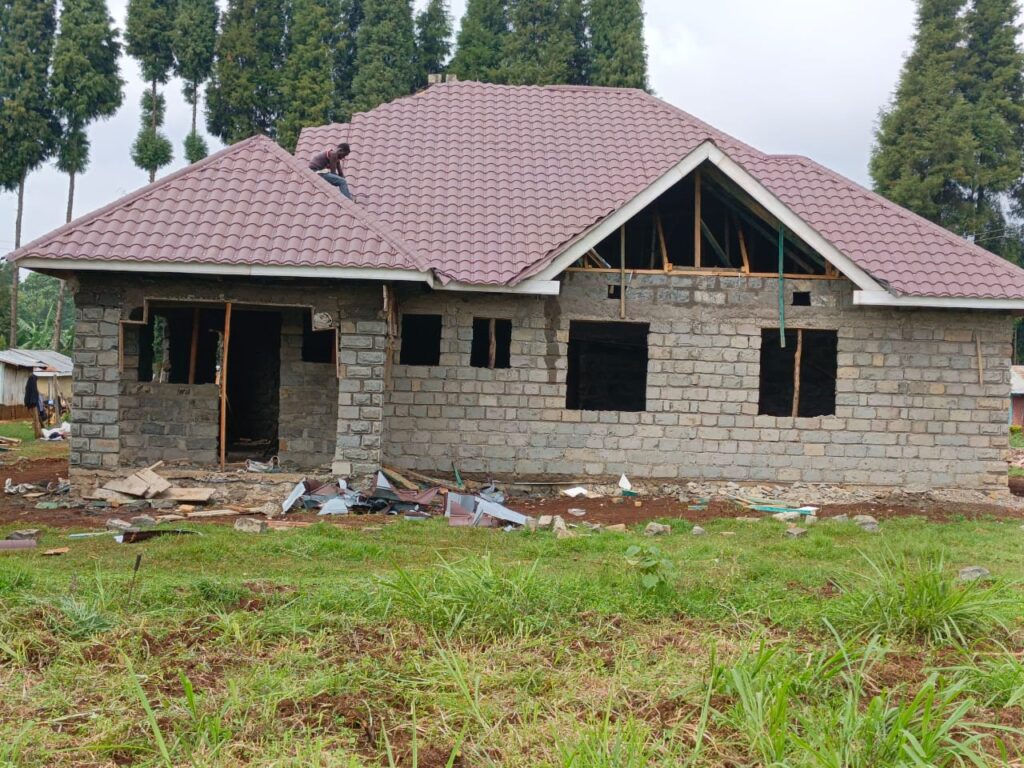
Residential projects typically follow a structured timeline including design, approvals, foundation, structural work, finishes, and handover. A sample construction project timeline might allocate:
- 2–4 weeks for design and permits
- 6–8 weeks for foundation and framing
- 4–6 weeks for electrical, plumbing, and finishes
This template ensures realistic expectations and efficient building schedule planning for homeowners.
Commercial Project Timeline Example
Commercial projects are often larger and more complex, requiring careful sequencing and resource management. A typical construction project timeline may include:
- 8–12 weeks for design and approvals
- 12–20 weeks for structural and MEP (mechanical, electrical, plumbing) work
- 6–10 weeks for finishes and client fit-outs
Using a clear timeline helps project managers coordinate contractors, suppliers, and stakeholders efficiently.
Infrastructure Project Planning
Infrastructure projects, such as roads, bridges, or utilities, often span months or years. Building schedule planning for such projects involves breaking work into stages, tracking long-term milestones, and managing multiple teams. Accurate timelines are critical to avoid costly delays and to ensure compliance with government and safety regulations.
How to Present Timelines to Clients/Stakeholders
Presenting schedules clearly to clients or stakeholders improves transparency and trust. Use visual tools like Gantt charts, milestones, and dashboards to communicate construction project timelines effectively. Clear presentation also facilitates approvals, sets realistic expectations, and supports informed decision-making throughout the project lifecycle.
Conclusion
Effective construction scheduling is critical for completing projects on time, managing resources efficiently, and avoiding costly delays. By implementing proper construction project timelines, using the right tools, and following best practices, managers can improve workflow, reduce risks, and deliver projects that meet client expectations.