Urban vs Rural Construction
Explore the key differences between urban and rural construction in Kenya, including costs, logistics, labor, regulations, and investment potential. Learn which option is best for your project.
Introduction
Urban vs rural construction refers to the differences in how buildings and infrastructure are planned, designed, and executed in cities compared to countryside or less densely populated areas. Urban construction typically involves high-density developments such as apartments, office buildings, and commercial complexes, while rural construction focuses on standalone homes, agricultural structures, and low-density housing spread across larger plots of land.
Understanding these two construction environments is increasingly important in today’s fast-growing real estate and infrastructure sectors. Rapid urbanization is driving demand for vertical developments in cities, while expanding road networks and decentralization are opening up new opportunities in rural and peri-urban areas. As a result, developers and investors must carefully evaluate where and how to build in order to maximize returns and ensure project success.
Key differences between urban and rural construction include cost structures, logistics, regulatory requirements, and labor availability. Urban projects often face higher land and labor costs, strict zoning laws, and limited working space, but benefit from better infrastructure and accessibility. In contrast, rural construction typically offers cheaper land and greater design flexibility, though it may involve higher transportation costs, limited access to skilled labor, and additional infrastructure setup.
For developers, contractors, and investors, understanding these differences is essential for making informed decisions, minimizing risks, and delivering efficient, cost-effective projects in any location.
What is Urban Construction?
Urban construction refers to the planning, design, and development of buildings and infrastructure within cities and densely populated areas. It is characterized by complex projects that must fit within limited space while meeting high demand for residential, commercial, and mixed-use developments. Unlike rural construction, urban projects often require careful coordination due to congestion, proximity to existing structures, and strict regulatory frameworks.
Common examples of urban construction include apartment complexes, office buildings, shopping malls, hotels, and high-rise developments. These projects are typically designed to maximize land use efficiency by building vertically rather than horizontally, making them ideal for areas where land is scarce and expensive.
One of the defining features of urban construction is high population density, which drives the need for multi-story buildings and integrated infrastructure. Additionally, urban areas are governed by strict zoning laws and building regulations that dictate land use, building height, safety standards, and environmental compliance. Developers must navigate approval processes and adhere to these rules to avoid delays or legal issues.
Urban construction also benefits from advanced infrastructure, including reliable access to electricity, water supply, sewer systems, road networks, and communication services. While this improves project efficiency and convenience, it also adds layers of complexity, requiring skilled planning and execution. Overall, urban construction demands precision, compliance, and innovation to successfully meet the needs of growing city populations.
What is Rural Construction?
Rural construction refers to the planning, design, and development of buildings and infrastructure in countryside or low-density areas, typically located outside major cities and towns. It is generally less complex than urban construction and allows for more flexibility in design, layout, and land use. Projects in rural areas are often spread out over larger plots, making horizontal expansion more common than vertical building.
Typical examples of rural construction include standalone residential homes, farmhouses, agricultural buildings such as barns and storage facilities, and small-scale community structures. These developments are often tailored to suit specific needs such as farming, family living, or rural-based businesses.
One of the key characteristics of rural construction is the availability of large tracts of land, which are usually more affordable compared to urban areas. This provides developers and homeowners with greater freedom to design spacious homes, include outdoor features, and plan for future expansion. However, rural areas often face the challenge of limited infrastructure, meaning essential services such as water supply, electricity, sewer systems, and road access may need to be developed or extended as part of the project.
Additionally, rural construction typically involves fewer regulatory restrictions compared to urban areas. While permits and approvals are still required, the process is often less stringent. This combination of flexibility and lower costs makes rural construction attractive, though it requires careful planning to overcome logistical and infrastructure challenges.
Key Differences Between Urban and Rural Construction
Understanding the key differences between urban and rural construction is essential for making informed decisions in project planning, budgeting, and execution. While both aim to deliver functional and durable structures, the approach, challenges, and opportunities vary significantly depending on location.
Site Accessibility
One of the most noticeable differences lies in site accessibility. In urban areas, construction sites are generally easy to access due to well-developed road networks and proximity to suppliers. However, this convenience is often offset by heavy traffic congestion, limited parking, and restricted working hours, especially in busy city centers. Deliveries must be carefully scheduled to avoid delays and comply with local regulations.
In contrast, rural construction sites may be located far from main roads, making accessibility a major challenge. Poor or unpaved roads can hinder the transportation of materials, machinery, and labor. During rainy seasons, some sites may become temporarily inaccessible, causing project delays and increased costs.
Infrastructure Availability
Urban construction benefits from readily available infrastructure such as water supply, electricity, sewer systems, and internet connectivity. This reduces the need for additional setup and allows projects to progress more efficiently. Developers can connect directly to existing systems, saving both time and resources.
Rural construction, on the other hand, often requires developers to establish basic infrastructure from scratch. This may include drilling boreholes for water, installing septic tanks for waste management, and arranging for alternative power sources such as solar systems or generators. These additional requirements increase the complexity and initial investment of rural projects.
Labor Availability
Labor availability is another critical factor. Urban areas have a larger pool of skilled and semi-skilled workers, including engineers, architects, and specialized contractors. This makes it easier to assemble a competent construction team and maintain consistent progress on site.
In rural areas, skilled labor is often limited. Contractors may need to transport workers from urban centers or provide accommodation near the site. This not only increases labor costs but can also lead to delays if workers are not readily available when needed.
Cost Differences
Cost structures differ significantly between urban and rural construction. Urban projects typically involve higher land prices due to demand and limited availability. Labor costs are also higher, driven by the concentration of skilled workers and the overall cost of living in cities.
Rural construction generally offers more affordable land, making it attractive for large-scale developments or residential projects. However, these savings can be offset by higher logistics costs. Transporting materials over long distances, setting up infrastructure, and managing site accessibility challenges can increase overall expenses. In fact, rural projects may experience up to 40% more logistics-related delays, which can impact timelines and budgets.

Regulations & Approvals
Urban construction is governed by strict regulations, including zoning laws, building codes, environmental standards, and safety requirements. Developers must go through detailed approval processes, which can be time-consuming but ensure high-quality and compliant developments.
In rural areas, regulatory requirements are generally less stringent, and approval processes may be faster. While this can speed up project initiation, it also means there may be less oversight, increasing the risk of substandard construction if proper standards are not maintained.
Space & Design Flexibility
Space availability plays a major role in shaping construction design. In urban settings, limited land forces developers to build vertically, leading to high-rise buildings and compact designs. Every square meter must be utilized efficiently, often requiring innovative architectural solutions.
Rural construction offers significantly more space, allowing for flexible layouts and expansive designs. Developers can build larger homes, include outdoor features, and plan for future expansion without the constraints of limited land. This flexibility is one of the key advantages of building in rural areas.
Overall, these differences highlight the need for tailored strategies in both urban and rural construction. What works in a city environment may not be suitable in a rural setting, and understanding these distinctions is crucial for successful project delivery.
Cost Breakdown: Urban vs Rural Construction
Cost is one of the most decisive factors when choosing between urban and rural construction. While many assume rural projects are always cheaper, the reality is more nuanced, as each setting presents unique cost drivers.
Land cost is significantly higher in urban areas due to high demand, limited availability, and proximity to essential services. Prime locations in cities command premium prices, making land acquisition a major portion of the total project budget. In contrast, rural areas offer more affordable land, often at a fraction of urban prices, making them attractive for larger developments or residential homes with expansive compounds.
When it comes to material transport costs, urban construction has a clear advantage. Suppliers are usually nearby, and established logistics networks make delivery faster and cheaper. In rural areas, however, materials often need to be transported over long distances, sometimes through poor road conditions. This increases fuel costs, delivery time, and the risk of delays or material damage.
Labor costs also vary considerably. Urban areas have a readily available pool of skilled workers, but their wages tend to be higher due to the cost of living. Rural areas may offer cheaper local labor, but the lack of specialized skills often requires hiring workers from urban centers, along with providing transport, accommodation, and allowances—ultimately raising overall labor expenses.
There are also hidden costs to consider. Urban construction involves expenses related to permits, approvals, compliance with zoning laws, and inspection fees. These can add up quickly but are predictable. Rural construction, on the other hand, may involve hidden logistics costs such as site preparation, infrastructure setup (water, electricity), and unexpected delays due to accessibility challenges.
Cost Comparison Table
| Cost Factor | Urban Construction | Rural Construction |
| Land | Very high due to demand and limited space | Lower and more affordable |
| Labor | Higher wages but easily available skilled workers | Lower base cost but may require relocation and allowances |
| Materials | Lower transport costs due to proximity to suppliers | Higher transport costs due to distance and poor access |
| Utilities | Readily available and easier to connect | Requires setup (boreholes, septic tanks, power solutions) |
Construction Planning & Project Management Differences
Construction planning and project management approaches differ significantly between urban and rural environments due to the unique challenges each setting presents. Successfully delivering a project requires adapting strategies to suit these conditions rather than applying a one-size-fits-all approach.
In urban construction, projects are typically driven by tight schedules and strict timelines. Developers often face pressure to complete projects بسرعة due to high demand and financial implications such as loan repayments and market competition. Additionally, urban sites are affected by traffic congestion and noise restrictions, which limit working hours and complicate the movement of materials and equipment. Deliveries may need to be scheduled during off-peak hours, and construction activities must comply with local regulations to avoid penalties or shutdowns. As a result, urban project management requires precise coordination, detailed scheduling, and efficient resource allocation.
On the other hand, rural construction operates under a different set of constraints. Projects are often more weather-dependent, especially in areas with poor road infrastructure. Heavy rains can make access roads impassable, delaying material deliveries and site activities. Another major challenge is supply chain delays, as materials and equipment must be transported over long distances, sometimes from urban centers. These uncertainties require flexible planning and contingency measures to keep projects on track.
Due to these differences, it is essential to adopt location-specific planning strategies. Urban projects benefit from strict scheduling, advanced project management tools, and real-time coordination. In contrast, rural projects require buffer time, early procurement of materials, and strong logistics planning. Understanding and adapting to these dynamics is key to minimizing delays, controlling costs, and ensuring successful project completion in both environments.
Equipment and Technology Differences
The choice of equipment and technology in construction varies greatly between urban and rural settings, largely due to differences in space, accessibility, and project scale. Selecting the right machinery is essential for efficiency, safety, and cost control.
In urban construction, space constraints and proximity to existing buildings require the use of compact machinery. Equipment such as mini excavators, tower cranes, and small concrete mixers are preferred because they can operate efficiently within tight spaces. Additionally, urban environments often enforce strict environmental and safety regulations, leading to the use of noise-controlled and low-emission equipment. This helps minimize disruption to nearby residents and businesses while ensuring compliance with local laws. Advanced technologies such as Building Information Modeling (BIM), automated scheduling tools, and smart monitoring systems are also commonly used to improve precision and coordination in complex urban projects.
In contrast, rural construction typically involves larger, more open spaces, allowing for the use of heavy-duty machinery such as bulldozers, graders, and large excavators. These machines are ideal for land clearing, excavation, and handling large-scale groundwork. Due to the remote nature of many rural sites, there is also a strong reliance on long-distance transport equipment, including trucks and trailers for moving materials, machinery, and supplies over extended distances.
Overall, while urban construction emphasizes precision, compactness, and compliance, rural construction focuses on durability, capacity, and logistical efficiency. Choosing the appropriate equipment for each environment plays a crucial role in ensuring smooth project execution and minimizing operational challenges.
Environmental and Sustainability Considerations
Environmental impact and sustainability are increasingly important in both urban and rural construction, though the focus areas differ based on location and surrounding ecosystems. Developers today must balance construction needs with environmental responsibility to meet regulations and support long-term sustainability.
In urban construction, the primary concern is pollution control. High-density environments are more sensitive to air, noise, and waste pollution, which can affect large populations. As a result, strict measures are often implemented to control dust, manage construction waste, and reduce noise levels. Another key focus is the rise of green buildings, which are designed to be energy-efficient, water-conscious, and environmentally friendly. Features such as solar panels, rainwater harvesting systems, and energy-saving materials are increasingly common in urban developments to reduce carbon footprints and operating costs.
In rural construction, the environmental focus shifts toward land disturbance and ecosystem preservation. Construction activities can disrupt natural landscapes, vegetation, and wildlife habitats if not carefully managed. Clearing large plots of land for development may lead to soil erosion, loss of biodiversity, and changes in natural drainage patterns. Therefore, it is important to adopt practices that minimize environmental damage, such as controlled land clearing and proper site planning.
A growing trend across both settings is eco-friendly construction, which emphasizes sustainable materials, energy efficiency, and reduced environmental impact. Whether in urban or rural areas, developers are increasingly adopting green technologies and practices to create structures that are not only durable but also environmentally responsible.
Advantages of Urban Construction
Urban construction offers several advantages that make it attractive to developers, investors, and homeowners, particularly in fast-growing cities. One of the biggest benefits is access to well-developed infrastructure. Urban areas typically have reliable connections to electricity, water supply, sewer systems, road networks, and internet services. This reduces the need for additional setup and allows projects to move forward more efficiently.
Another key advantage is faster project completion. Due to the availability of skilled labor, nearby suppliers, and established logistics networks, construction activities in urban areas can be executed with greater speed and coordination. Materials are easier to source, and specialized contractors are readily available, minimizing delays and improving overall productivity.
Urban construction also presents a strong high return on investment (ROI) potential. Properties in cities often appreciate in value more quickly due to high demand for housing and commercial spaces. Rental income is also typically higher in urban areas, making developments such as apartments and office buildings highly profitable over time.
Overall, urban construction provides efficiency, convenience, and strong financial returns, making it a preferred choice for many modern real estate developments despite its higher initial costs.
Advantages of Rural Construction
Rural construction offers unique advantages that make it appealing for developers, investors, and homeowners seeking affordability and flexibility. One of the most significant benefits is lower land cost. Unlike urban areas, rural land is generally more affordable, allowing developers to acquire larger plots at a fraction of city prices. This makes it ideal for spacious residential homes, agricultural projects, or large-scale developments without breaking the budget.
Another advantage is expansion flexibility. With more open space available, rural construction allows for wider layouts, multiple structures, outdoor amenities, and future expansions. Developers can design projects without the vertical constraints often faced in urban settings, enabling creative and customized building plans that cater to specific needs.
Rural projects also benefit from less regulatory pressure. Building permits, zoning restrictions, and inspection requirements are typically less stringent than in cities, which can speed up project initiation and reduce bureaucratic hurdles. This flexibility gives developers more freedom in design and execution while lowering administrative costs.
Challenges of Urban Construction
While urban construction offers many benefits, it also comes with notable challenges that developers must navigate carefully. One of the primary difficulties is high costs. Land prices in cities are often extremely high due to demand and limited availability, and labor costs are elevated because of the concentration of skilled workers. Combined with expenses for materials, equipment, and compliance, these factors make urban projects more capital-intensive compared to rural developments.
Another challenge is limited space. Urban sites are often confined, requiring vertical construction or compact layouts. This restricts design flexibility and can complicate logistics, as machinery, materials, and personnel must operate efficiently within tight spaces. Managing deliveries, storage, and on-site operations in congested areas often requires precise planning and coordination.
Complex approvals further add to the challenge. Urban construction must comply with strict zoning laws, building codes, and environmental regulations. Securing permits, passing inspections, and meeting safety standards can be time-consuming and may cause delays if requirements are not meticulously followed. Additionally, city authorities may impose restrictions on working hours and noise levels, which can affect scheduling and productivity.
Overall, high costs, constrained space, and complex regulatory requirements make urban construction demanding, requiring careful planning, experienced project management, and thorough budgeting to ensure success.
Challenges of Rural Construction
Rural construction presents its own set of challenges that can impact project timelines, costs, and overall execution. One of the main obstacles is logistics issues. Many rural sites are located far from urban centers, and poor or unpaved roads can make transporting materials, machinery, and equipment difficult. Delays caused by long-distance deliveries or inaccessible routes can significantly slow down progress and increase costs.
Another challenge is the shortage of skilled labor. Unlike cities, rural areas often lack readily available qualified workers, including engineers, architects, and specialized contractors. Developers may need to bring in labor from urban areas, which adds expenses for transport, accommodation, and allowances. Limited local expertise can also affect construction quality if not managed properly.
Infrastructure setup costs are another critical consideration. Rural projects may require the installation of essential utilities such as water supply (boreholes or tanks), electricity connections, septic systems, and road access. These setup costs can be substantial, especially for large plots or remote locations, and must be factored into the overall budget.
Case Study Section
Examining real-world examples helps illustrate the practical differences between urban and rural construction, highlighting cost, timelines, and challenges developers face.
Urban Project: Apartment Development in Kisumu – West Kenya Real Estate Ltd
West Kenya Real Estate Ltd undertook a multi-story apartment project in Kisumu’s central business district. The development involved six floors of residential units with modern amenities. Being in an urban setting, the project benefited from ready access to water, electricity, and skilled labor, which facilitated smoother execution. However, high land costs and limited site space increased the project’s overall budget. Strict zoning laws and permit approvals extended the pre-construction phase, requiring meticulous compliance. Despite these challenges, the project was completed within 18 months, slightly ahead of schedule due to efficient project management and close coordination with suppliers.
Rural Project: Residential Home on Kisumu Outskirts – Marble Engineering and Construction Ltd
Marble Engineering and Construction Ltd handled a spacious standalone residential home on the outskirts of Kisumu. Here, land was significantly cheaper, allowing for a larger footprint and flexible design. However, limited infrastructure meant that a borehole for water, septic system, and solar power installation were required, adding to costs. Logistics challenges and the need to bring in skilled labor from the city extended the project timeline. The home was completed in 22 months, longer than the urban project, largely due to transport delays and rural accessibility issues.
Comparison Summary
| Factor | Urban Project | Rural Project |
| Cost | Higher land & labor, ~15% higher overall | Lower land but added infrastructure & transport costs |
| Timeline | 18 months | 22 months |
| Challenges | Space constraints, strict permits | Logistics, labor shortages, infrastructure setup |
These case studies show that while urban construction offers faster execution and proximity to resources, rural projects provide design flexibility and lower land costs—but require careful planning to manage logistical and infrastructure challenges. Both approaches demand tailored strategies to achieve successful outcomes.
Urban vs Rural Construction in Kenya (Local SEO Section)
Construction in Kenya varies significantly between urban centers like Nairobi and Kisumu and rural counties, influenced by infrastructure, land costs, and regulatory environments. Understanding these differences is crucial for developers, investors, and homeowners planning projects across the country.
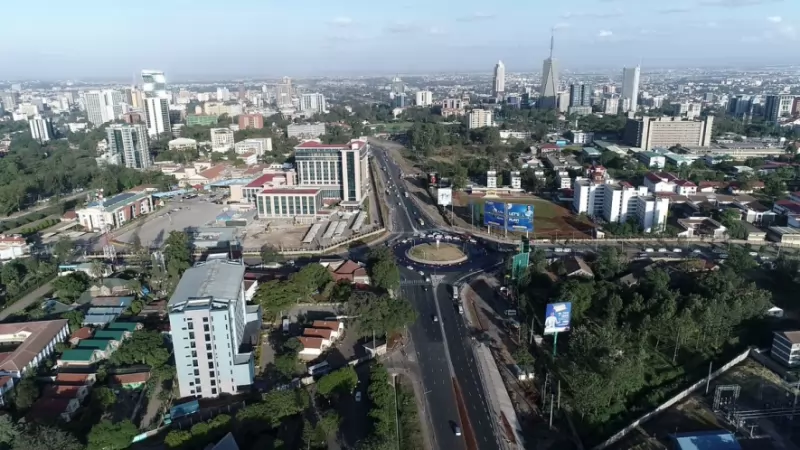
In Nairobi, Kenya’s capital, urban construction is characterized by high-density developments such as apartments, commercial buildings, and mixed-use complexes. The city benefits from well-established infrastructure, including electricity, water, sewer systems, and reliable road networks. However, these advantages come at a price: land and labor costs are among the highest in the country, making urban projects capital-intensive. Strict zoning laws, building regulations, and environmental standards further add complexity to project planning, but compliance ensures high-quality developments with strong market demand.
Kisumu, as a growing urban center, offers a balance between affordability and urban amenities. While the city has developed infrastructure and access to skilled labor, land costs are relatively lower than Nairobi, making it attractive for both residential and commercial projects. Developers like West Kenya Real Estate Ltd and Marble Engineering and Construction Ltd have successfully executed urban and peri-urban projects in Kisumu, demonstrating that careful planning can overcome space and regulatory challenges while achieving good returns.
In rural counties, construction is shaped by limited infrastructure and lower land costs. Developers often face the need to install water systems, electricity connections, and access roads. Labor may need to be sourced from urban centers, and logistical challenges can affect timelines. Despite these hurdles, rural construction allows larger plots, flexible designs, and lower upfront land expenses, making it ideal for residential homes, agricultural projects, and long-term investments.
Which is Better: Urban or Rural Construction?
Deciding between urban and rural construction depends largely on your budget, project purpose, and timeline. Urban construction is ideal for those with higher budgets who prioritize access to infrastructure, proximity to markets, and faster returns on investment. Apartments, commercial buildings, and high-rise developments in cities can generate strong rental income and benefit from rising property values, making them attractive for investors.
Rural construction, on the other hand, is better suited for projects with flexibility in design and expansion. Lower land costs allow for larger plots, spacious layouts, and long-term planning, making it ideal for residential homes, farms, or low-density developments. While timelines may be longer due to logistics and infrastructure setup, the reduced initial land expenses can make rural projects more affordable overall.
Ultimately, neither option is universally “better.” The choice should align with your specific goals, financial capacity, and risk tolerance. Urban construction offers speed, convenience, and higher immediate returns, while rural construction provides space, affordability, and design freedom. A well-planned approach, informed by location-specific realities, ensures successful outcomes in either setting.
Expert Tips for Successful Construction
Successfully navigating construction projects—whether urban or rural—requires careful planning, strategic decision-making, and proactive problem-solving. Following expert tips can save time, reduce costs, and ensure high-quality outcomes.
For urban construction, one of the most critical steps is to plan approvals early. Securing permits, complying with zoning regulations, and meeting environmental standards can be time-consuming. Early engagement with local authorities helps prevent delays and ensures smooth project execution. Another key strategy is to use efficient designs that maximize limited space. Vertical layouts, multi-purpose areas, and modular components can reduce material costs, streamline construction, and optimize land usage without compromising functionality or aesthetics.
For rural construction, logistics is often the biggest challenge. It is essential to plan logistics early, considering transport routes, delivery schedules, and equipment access to avoid delays. Additionally, securing labor and materials in advance is crucial since skilled workers may need to be brought in from urban areas and construction materials may have to travel long distances. Early preparation ensures that resources are available when needed, preventing costly interruptions.
Across both settings, maintaining clear communication with contractors, monitoring progress regularly, and budgeting for unforeseen challenges are essential best practices. By tailoring strategies to the unique demands of urban and rural projects, developers and homeowners can complete construction efficiently, on budget, and with high-quality results.
Future Trends in Urban vs Rural Construction
The construction landscape in Kenya and globally is evolving rapidly, with distinct trends shaping both urban and rural projects. In urban areas, the rise of smart cities is driving demand for integrated infrastructure, energy-efficient buildings, and intelligent systems that improve sustainability and livability. Developers are increasingly adopting technology integration, including AI-driven project management, IoT for building monitoring, and prefabricated components that reduce construction time and costs.
In rural areas, growth is being fueled by government initiatives and private investments aimed at decentralizing economic activity. Rural development growth is creating new opportunities for residential, agricultural, and community-based projects. As infrastructure improves, these areas are becoming viable for long-term investments. Technology also plays a role here: prefabrication, modular construction, and AI-assisted planning help overcome logistical challenges and labor shortages, making rural projects more efficient and scalable.
Overall, the future of construction will be shaped by sustainability, innovation, and strategic planning. Urban projects will focus on maximizing space, efficiency, and smart integration, while rural projects will leverage technology to unlock growth and improve accessibility. Developers who embrace these trends are likely to achieve faster, more cost-effective, and environmentally responsible outcomes in both settings.
Conclusion
Urban and rural construction each come with distinct characteristics, advantages, and challenges. Urban construction excels in areas with developed infrastructure, skilled labor availability, and faster project timelines, making it ideal for high-density apartments, commercial buildings, and projects aimed at quick returns. However, it comes with high land and labor costs, limited space, and strict regulatory requirements that demand careful planning and compliance.
Rural construction, by contrast, offers lower land costs, flexible design options, and fewer regulatory constraints, making it suitable for spacious residential homes, agricultural projects, and low-density developments. The trade-offs include logistics challenges, infrastructure setup costs, and potential labor shortages, which require proactive management and strategic planning.
Choosing the right approach depends on budget, project purpose, and timeline. Urban construction is best for those seeking faster returns and market access, while rural construction suits investors or homeowners prioritizing space, affordability, and long-term growth. Understanding the location-specific realities, cost implications, and logistical considerations ensures that developers and homeowners make informed, practical, and profitable decisions.
Ultimately, whether building in a city or countryside, careful planning, expert guidance, and strategic resource management are key to delivering successful, efficient, and sustainable construction projects.
Call to Action
Ready to start your construction project? Whether you’re planning an urban high-rise, a modern apartment in Kisumu, or a spacious rural home, choosing the right design, budget plan, and construction strategy is crucial for success.
Our team of experienced professionals is here to help you turn your vision into reality. We offer custom house designs tailored to your needs, accurate cost estimates, and professional construction services that ensure timely, high-quality results.
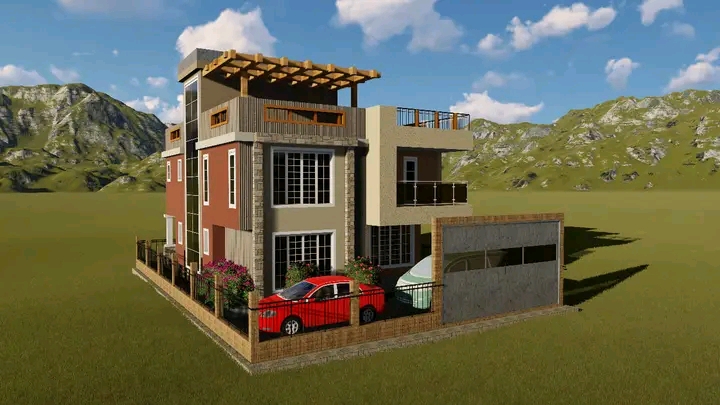
With our 3D visualizations, you can see your project before construction begins, making planning easier and decisions more precise. Don’t leave your dream home or investment to chance—partner with experts who understand the unique demands of both urban and rural construction in Kenya.
Contact us today and take the first step toward building a project that’s efficient, beautiful, and built to last.