Cost of Perimeter Wall in Kenya
“Explore the latest 2025 guide to the cost of a perimeter wall in Kenya — detailed rates per metre, material comparisons, regional factors, savings strategies and sample calculations for homeowners and developers.”
Why understanding the cost of a perimeter wall in Kenya matters
Knowing the cost of a perimeter wall in Kenya is essential for homeowners, developers, and landowners. Without a clear budget, projects can quickly exceed financial limits. Estimating costs accurately ensures you can plan for quality materials, skilled labour, and added features like gates or security enhancements.
Understanding the cost also helps you compare contractors and avoid overpaying. A well-planned budget can save money and prevent disputes during construction.
Key factors affecting the cost of a perimeter wall in Kenya
Several factors influence the perimeter wall construction cost in Kenya. Each decision, from material type to location, directly affects the final expense. Being aware of these factors allows for more precise budgeting and cost control.
Choice of material (masonry blocks, stone, reinforced concrete, steel/chain‑link)
The material you choose has a major impact on the fencing wall cost in Kenya. Masonry blocks and stone walls are durable and secure but cost more per linear metre. Reinforced concrete walls offer strength and longevity but require skilled labour. Steel and chain-link fences are cheaper alternatives, though less secure and aesthetically different.
Choosing the right material depends on your budget, security needs, and long-term maintenance expectations.
Height, thickness, and structural reinforcement (footings, columns)
The height and thickness of your wall significantly influence the overall boundary wall construction cost in Kenya. Taller walls require more materials, reinforcement columns, and stronger footings.
Even a small increase in height or thickness can increase costs. Reinforcement ensures durability and prevents future cracking, which saves money on repairs.
Site conditions and terrain (soil, slopes, accessibility)
Site conditions can add to your perimeter wall cost in Kenya. Uneven or sloped land requires additional excavation, leveling, and stronger foundations. Hard-to-access sites may increase transport and labor costs.
Evaluating your land early helps prevent surprises and ensures a smoother construction process.
Regional labour and material cost variations (Nairobi/Machakos vs rural counties)
Material and labour prices vary across Kenya. Urban areas like Nairobi or Machakos often have higher fencing wall costs due to increased demand and transportation fees. Rural counties may have cheaper labor but limited access to premium materials.
Understanding local price differences allows you to plan better and compare quotes from multiple contractors.
Additional security and finishing features (gates, razor‑wire, plastering, painting)
Adding gates, razor wire, plastering, or painting can increase your perimeter wall construction cost in Kenya. These features enhance security and aesthetics but require additional materials and skilled labour.
- Gates and locks
- Razor wire or electric fencing
- Plastering and painting for durability and appearance
Planning these features early prevents budget overruns and ensures the wall meets your functional and visual needs.
Regulatory, approval & design considerations (setbacks, boundary surveys, contractor registration)
Compliance with regulations is essential when building a perimeter wall in Kenya. Setbacks, land boundaries, and local approvals must be considered. Hiring registered contractors ensures legal compliance and reduces the risk of future disputes.
Boundary surveys, approved building plans, and adherence to local regulations may add minor costs but save significant time and money in the long run.
Typical cost ranges and 2025 estimates for perimeter walls in Kenya
Understanding the cost of a perimeter wall in Kenya in 2025 is critical for homeowners, developers, and investors. Costs vary widely depending on the wall material, height, thickness, labor rates, and location. Without a clear estimate, you may end up overspending or compromising on quality.
Knowing typical ranges allows you to plan your budget accurately, compare quotes from multiple contractors, and make informed decisions about features such as gates, security, and finishing. This section provides a detailed breakdown of cost ranges by wall type and a sample scenario for Kenyan plots, helping you visualise your total investment.
Basic masonry or stone wall – budget range
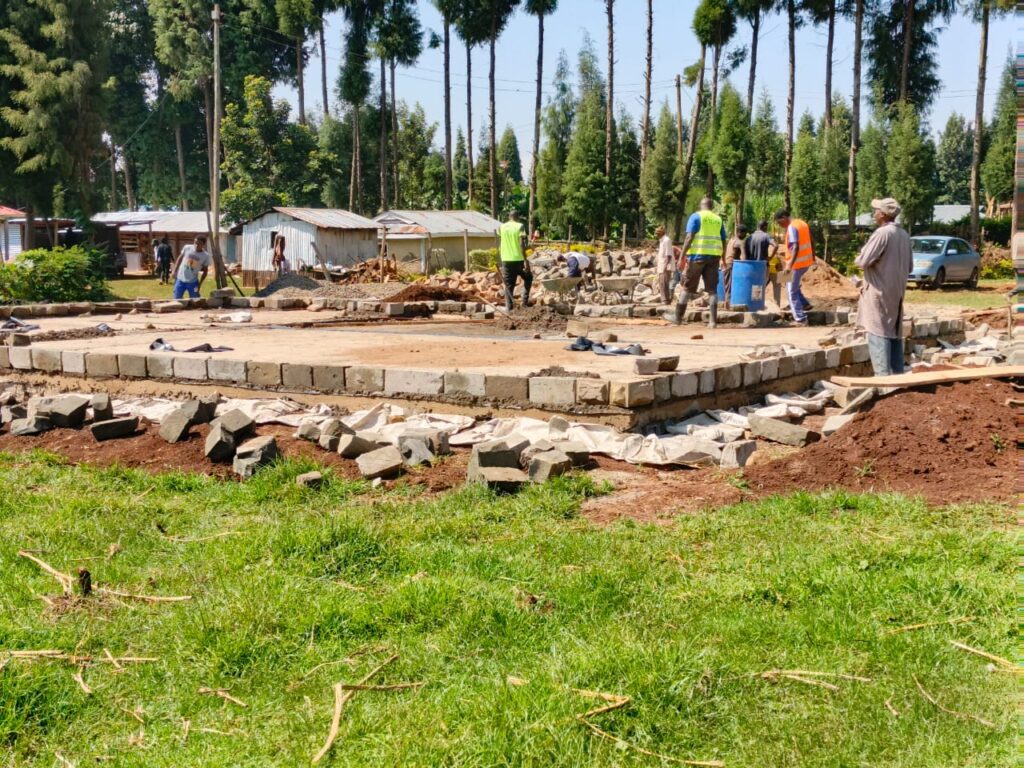
A basic masonry or stone wall is one of the most common perimeter wall options in Kenya for budget-conscious homeowners. For 2025, the estimated cost ranges between KSh 1,800 and KSh 3,500 per linear metre, depending on the size of the wall, material quality, and location. These walls offer good security and durability, making them suitable for residential plots and small-scale farms.
Masonry walls typically include concrete footings, stone or block courses, and basic plastering. Additional costs may arise from painting, waterproofing, or minor reinforcement. Choosing a locally sourced stone or masonry block can help reduce material costs while maintaining quality.
Reinforced concrete wall – mid‑to‑higher range
Reinforced concrete walls are a popular choice for high-security and long-term durability. They are stronger than basic masonry walls because they include steel reinforcement bars, deeper footings, and thicker columns. In 2025, reinforced concrete walls cost roughly KSh 2,500 to KSh 4,000 per linear metre, depending on height and finishing.
The extra cost is justified by the superior strength and longevity. These walls resist cracks, weathering, and potential vandalism better than stone or masonry walls. Reinforced concrete walls are ideal for commercial properties, larger estates, or plots in high-crime areas. Planning and budgeting for reinforcement, curing time, and skilled labor are key to achieving a durable finish.
Fence alternatives: steel fences, chain‑link, top‑wall fencing – lower cost brackets
Fence alternatives such as steel fences, chain‑link, and top-wall fencing provide a cost-effective solution for perimeter security. Chain-link fencing costs roughly KSh 1,200 to 2,000 per linear metre, while basic top-wall fencing can be as low as KSh 700‑900 per linear metre. These options are significantly cheaper than masonry or reinforced concrete walls.
While they may not offer the same level of privacy or aesthetics, these fences are suitable for large plots, farms, or temporary boundary solutions. Steel and chain-link fences are easy to install, require less labour, and allow flexibility for expansion or modifications. Some homeowners combine fences with concrete or masonry columns to improve durability and appearance.
Sample project: 50×100 plot or one‑acre boundary cost breakdown (length × height × cost/linear m)
Let’s take a practical example for better clarity. A standard 50×100 plot has a perimeter of approximately 300 metres, while a one-acre plot has a perimeter of about 250 metres, depending on the shape. If you choose a stone wall at KSh 2,000 per linear metre for a 2.5-metre-high wall, the total cost would be KSh 600,000 for the 50×100 plot. Higher-end reinforced concrete walls at KSh 3,500 per metre could cost KSh 1,050,000.
This calculation highlights how wall type, height, length, and cost per linear metre combine to form the total investment. Additional features such as gates, plastering, painting, and razor wire will increase the budget by 10–25%, depending on the design. Planning with a clear cost breakdown prevents surprises and ensures that your perimeter wall construction in Kenya stays within budget.
Step‑by‑step cost calculation method for your boundary wall
Calculating the cost of a perimeter wall in Kenya accurately requires a structured approach. Breaking down the process step by step helps you understand where the money goes and prevents budget overruns. This section guides you through measuring your plot, choosing wall specifications, estimating materials and labour, and factoring in extras like gates and finishing.
Measuring the perimeter and choosing height/thickness
Start by measuring the exact perimeter of your plot, whether it’s a 50×100 plot, one-acre land, or larger. The length and width determine how many linear metres of wall you’ll need. Wall height and thickness significantly impact the perimeter wall construction cost in Kenya; taller or thicker walls require more materials and stronger foundations.
Choosing the right height balances security and cost, while thickness ensures durability. Standard residential walls are usually 2.5–3 metres high, but high-security areas may require taller walls.
Estimating material & labour per linear metre
Once you know the perimeter, estimate the cost of materials and labor per linear metre. Include masonry blocks, stones, cement, sand, steel reinforcement, and labour charges. Prices vary depending on location, material quality, and contractor rates.
For example, masonry walls may cost KSh 1,800–3,500 per metre, while reinforced concrete walls can go up to KSh 4,000 per metre. Accurate estimates prevent under-budgeting and help compare multiple contractor quotes.
Calculating columns, footings, finishing, gates and extras
Columns and footings are critical for structural integrity, especially for reinforced concrete walls. Add plastering, painting, gates, razor wire, or other finishing touches to your cost estimate. Each feature adds 10–25% to the base wall cost, depending on design complexity.
Planning all these elements beforehand ensures no hidden costs arise and allows you to allocate your budget efficiently for both aesthetics and functionality.
Example calculation for a plot in Machakos County — localise for Kenya‑specific demo
For a 50×100 plot in Machakos, assume a perimeter of 300 metres and a reinforced concrete wall at KSh 3,000 per linear metre. The base wall cost would be KSh 900,000. Adding plastering, a gate, and security features could raise the total to around KSh 1,150,000.
Local material and labor rates affect final costs, so always get quotes from multiple Machakos contractors to ensure accuracy. This localised example demonstrates how plot size, wall type, and extra features interact to determine your total budget.
Material cost comparison and sourcing in Kenya
Understanding material costs for perimeter walls in Kenya is essential for planning your budget. The choice of bricks, blocks, stone, steel, and mortar not only affects construction cost but also durability and maintenance. Comparing materials helps you make cost-effective decisions without compromising quality.
Cost of bricks, blocks, stone, steel and mortar — leveraging data like brick price guides
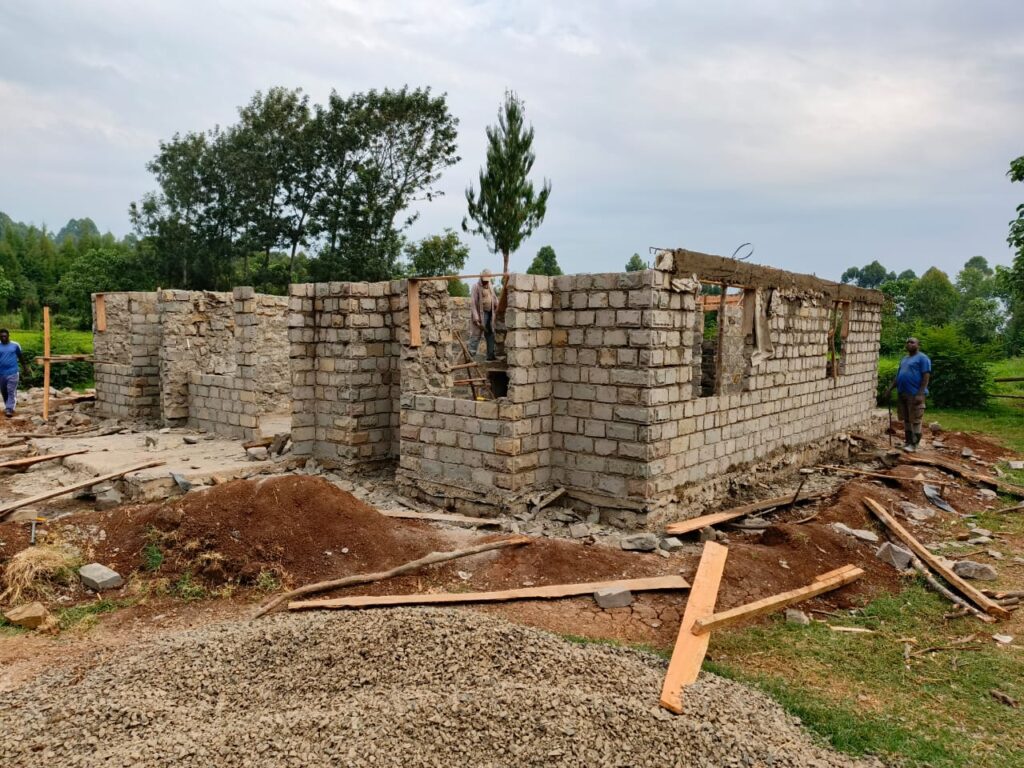
Bricks, blocks, and stones form the main wall structure, while cement, sand, and steel provide reinforcement. For 2025, masonry blocks typically cost KSh 45–60 each, stone walls are around KSh 1800–2500 per metre, and steel bars for reinforcement vary by diameter. Mortar and cement prices also fluctuate based on location and supplier.
Having a clear idea of these prices helps in estimating your perimeter wall construction cost in Kenya accurately.
Advantages/disadvantages of each material type (durability, maintenance, security)
Each wall material has pros and cons. Masonry blocks are durable, easy to maintain, and provide good security. Stone walls are strong but more expensive and harder to build. Reinforced concrete walls offer superior security and longevity but require skilled labor. Steel or chain-link fences are cheap, quick to install, but less secure.
Choosing the right material balances cost, security, and maintenance needs.
How to negotiate and source materials locally (bulk purchase, regionally sourced)
Sourcing materials locally can save money and reduce transportation costs. Buying in bulk from local suppliers often attracts discounts. Compare prices across regions—urban areas may have higher rates due to demand, while rural suppliers may be cheaper but limited in stock.
Negotiating with suppliers and combining bulk purchases for multiple projects helps reduce your perimeter wall cost in Kenya significantly.
How to save money when building your perimeter or fencing wall
Reducing the cost of a perimeter wall in Kenya does not mean compromising quality or security. With proper planning, careful material selection, and strategic labor management, homeowners can achieve durable walls at lower costs. Being proactive about cost-saving strategies ensures your project remains on budget without sacrificing long-term value.
Choosing cost‑effective materials and finishes
Selecting the right materials is one of the most effective ways to control your perimeter wall construction cost in Kenya. For instance, locally sourced masonry blocks or stones are cheaper than imported bricks. Standard plaster and paint finishes are often sufficient unless high-end aesthetics are required.
Other considerations include:
- Avoiding over-specifying wall thickness or unnecessary decorative elements.
- Using blended cement or alternative sand types where appropriate.
- Prioritising essential security features over purely decorative finishes.
These small adjustments can reduce costs by 10–20% while maintaining durability.
Phased construction and paying in stages
Phased construction is a practical approach to manage your budget effectively. Instead of completing the entire wall in one go, you can:
- Start with the foundation and key sections.
- Complete finishing and gates in later phases.
- Pay contractors based on milestone completion rather than upfront.
This strategy helps manage cash flow, ensures quality at each stage, and avoids unnecessary financial pressure. Many homeowners combine phased payments with careful material procurement to maximise savings.
Bulk‑buying, local labour sourcing, efficient column spacing
Buying materials in bulk often results in significant discounts. Hiring local labour reduces transportation and accommodation costs, while careful planning of column spacing minimises material waste. Efficient reinforcement planning can lower costs without affecting wall strength.
Points to consider:
- Bulk purchase of cement, sand, and blocks reduces per-unit price.
- Local masons or construction teams often charge less than urban-based contractors.
- Optimal column spacing avoids unnecessary steel and concrete use while maintaining structural integrity.
These measures help lower your fencing wall cost in Kenya by reducing both material and labor expenses.
Avoiding hidden costs (site clearing, approvals, drainage)
Hidden costs often inflate a perimeter wall project unexpectedly. To avoid surprises:
- Account for site clearing, including vegetation removal and debris disposal.
- Budget for land surveys, approvals, and building permits.
- Include drainage solutions to prevent water damage and future repairs.
Early planning and including these in your initial estimate prevents delays and ensures a smoother construction process. Hidden costs can easily add 15–25% to the original budget if overlooked.
Common mistakes that inflate perimeter wall costs (and how to avoid them)
Many homeowners overspend due to preventable mistakes. Understanding these pitfalls can save money and improve project quality. By learning from common errors, you can better manage your perimeter wall construction cost in Kenya.
Under‑estimating height, columns, and reinforcement
A major mistake is underestimating wall height, column number, or reinforcement needs. Skimping on these compromises durability and safety. Common consequences include cracking, leaning, or future repair costs.
Tips to avoid this:
- Plan for adequate column spacing (usually 2–3 metres apart for standard walls).
- Ensure sufficient steel reinforcement for reinforced concrete walls.
- Consult a structural engineer for high or long walls.
Proper planning prevents additional costs and ensures your wall lasts for decades.
Ignoring site preparation, terrain or drainage issues
Neglecting site preparation is another cost trap. Uneven terrain, soft soil, or poor drainage increases excavation and foundation costs mid-project.
Key points to manage this:
- Assess the plot’s topography before budgeting.
- Include retaining walls for slopes or drainage channels for water flow.
- Prepare soil to prevent settling or structural failure.
Factoring these considerations in advance ensures your perimeter wall cost in Kenya stays within estimate and prevents costly rework.
Forgetting finishing, painting or maintenance costs
Many homeowners budget only for the wall structure, forgetting finishing and maintenance. Without plastering, painting, or regular upkeep, walls can crack or weather quickly.
Recommendations:
- Include plastering, painting, and waterproofing in the initial budget.
- Schedule regular inspections for cracks or erosion.
- Consider low-maintenance finishes if long-term upkeep is a concern.
Factoring these costs early keeps your fencing wall cost in Kenya predictable and prevents surprise expenses.
Skipping multiple quotes or using unqualified contractors
Hiring the first contractor without comparison is risky. Using unqualified workers can lead to overpayment or poor workmanship, forcing future repairs.
Action points:
- Obtain at least three competitive quotes for the project.
- Verify NCA registration, experience, and previous work.
- Check reviews or testimonials from other homeowners.
This process ensures fair pricing, quality work, and avoids inflated costs on your perimeter wall construction in Kenya.
Regional variations: how costs differ across Kenyan counties
The cost of a perimeter wall in Kenya is not uniform—it varies significantly across counties. Urban areas, rural towns, and remote locations all experience different material and labour rates. Understanding these regional differences helps homeowners budget accurately and avoid unexpected cost hikes.
Nairobi/Greater Nairobi region vs Rural Kenya (labour, transport, material premium)
Urban centers like Nairobi, Machakos, and Kiambu typically have higher wall construction costs due to:
- Increased demand for skilled labour.
- Premium material prices because of transportation and high population density.
- Contractor overheads and regulatory fees.
In contrast, rural counties may have lower labor costs and cheaper locally sourced materials. However, limited availability of premium blocks or steel may require sourcing from urban centers, which adds transport costs.
Planning based on your county ensures your perimeter wall construction in Kenya stays within budget while maintaining quality standards.
Cost implications of remote/accessibility or hillside/sloped locations
Remote or difficult-to-access plots increase costs due to:
- Higher transportation fees for materials.
- Additional labour for moving materials to challenging terrain.
- Structural adaptations like retaining walls for slopes or hillsides.
Hilly plots require deeper footings and stronger reinforcement to prevent wall collapse or erosion, increasing the perimeter wall cost in Kenya. Early site assessment and planning for terrain challenges prevent surprise expenses and delays.

When is a fencing option more cost‑effective than a full wall?
Not every property requires a full masonry or concrete wall. Fencing options like chain-link, steel, or top-wall fencing can be a cost-effective solution, especially for large plots or budget-conscious homeowners. Understanding the cost and functional differences helps you make the right decision.
Chain‑link, steel, top‑wall fencing cost comparisons
Fencing options are generally cheaper than masonry or reinforced concrete walls:
- Chain-link fencing: KSh 1,200–2,000 per linear metre.
- Steel fencing: KSh 1,500–2,500 per linear metre.
- Top-wall fencing: KSh 700–900 per linear metre.
While cheaper, fencing may offer less privacy and lower security compared to full walls. Choosing the right option depends on your property’s location, security needs, and aesthetics.
Security vs aesthetics trade‑off
A full wall offers high security and privacy, while chain-link or steel fences are visually lighter and cheaper but less secure. When selecting a fence, consider:
- Crime rate and security requirements in your area.
- Whether the wall is for visual appeal, privacy, or purely functional boundary marking.
- Potential additions like razor wire or gates to improve security.
Balancing cost, aesthetics, and security ensures you don’t overspend on features you may not need.
Example cost savings scenario: 50×100 plot with chain‑link instead of concrete wall
For a 50×100 plot with a perimeter of 300 metres, a reinforced concrete wall at KSh 3,000 per metre costs about KSh 900,000. Replacing it with chain-link fencing at KSh 1,500 per metre reduces the cost to KSh 450,000—a 50% saving.
Additional savings come from reduced labor, simpler foundations, and faster installation. This example highlights when a fencing option is a practical, cost-effective alternative without compromising boundary demarcation.
Contracting, timelines and quality assurance for your perimeter wall build
Hiring the right contractor and monitoring the construction process are key to keeping your perimeter wall construction cost in Kenya on track. Proper timelines, contractor vetting, and quality checks ensure your wall is durable, secure, and completed without delays or hidden costs.
What to ask your contractor (NCA registration, past projects, insurance)
Before hiring a contractor, always verify:
- NCA registration to confirm legal authorisation.
- Past projects and client references to assess reliability and workmanship.
- Insurance coverage for labour accidents or property damage.
Asking these questions reduces risk and ensures professional handling of your perimeter wall in Kenya. A verified contractor also helps prevent future maintenance or structural problems.
Timeline stages: site prep → footings → walling → finishing → gates/security installation
Understanding construction stages helps plan both budget and schedule. A typical perimeter wall project follows:
- Site preparation: Clearing vegetation, leveling, and drainage planning.
- Footings: Excavation and concrete footings to support columns and wall weight.
- Walling: Laying blocks, stones, or reinforced concrete.
- Finishing: Plastering, painting, and waterproofing.
- Gates and security features: Installing gates, locks, and optional razor wire.
Each stage has associated labour and material costs. Monitoring progress ensures the wall is built on schedule and within budget.
Quality checks: reinforcement, curing, plastering, drainage
Quality assurance is essential for durability. Key checks include:
- Reinforcement: Ensuring steel bars are correctly placed for concrete walls.
- Curing: Allowing concrete and plaster to set for the recommended time to avoid cracks.
- Plastering and painting: Ensuring smooth finishes and waterproofing.
- Drainage: Proper channels around the wall prevent water damage and erosion.
Regular inspections during construction help maintain standards and prevent costly repairs later.
Future maintenance costs and lifespan of different wall types
Understanding long-term costs helps you budget beyond initial construction. Different wall materials have varying lifespans and maintenance requirements, impacting the overall perimeter wall cost in Kenya over time.
Typical lifespan of masonry vs concrete vs steel fencing
- Masonry walls: Usually last 20–30 years with proper maintenance.
- Reinforced concrete walls: Can last 40+ years due to superior strength and durability.
- Steel/chain-link fencing: Lifespan varies between 10–20 years depending on quality, exposure, and rust protection.
Choosing the right wall type balances upfront cost with long-term durability and maintenance expenses.
Maintenance tasks (painting, waterproofing, repairing cracks) and cost implications
Regular maintenance prolongs wall life and protects your investment:
- Painting and waterproofing: Prevents water damage and improves aesthetics.
- Crack repair: Small cracks should be fixed promptly to avoid structural problems.
- Gate and security upkeep: Lubricating locks, replacing damaged wires, or reinforcing weak sections.
Failing to budget for these tasks can significantly increase the total perimeter wall construction cost in Kenya over the years. Routine maintenance also preserves property value and safety.
Summary & key take‑aways for the cost of perimeter wall in Kenya in 2025 and conclusion
Understanding the cost of a perimeter wall in Kenya in 2025 is essential for homeowners, developers, and investors who want to secure their property while staying on budget. Costs vary depending on:
- Material choice: masonry blocks, stone, reinforced concrete, or steel fencing.
- Wall height, thickness, and reinforcement: taller or thicker walls require more materials and skilled labour.
- Location: urban areas like Nairobi are more expensive than rural counties due to labor and material premiums.
- Site conditions: slopes, drainage, and accessibility affect foundation and labour costs.
- Extra features: gates, plastering, painting, and security enhancements can add 10–25% to the budget.
Key takeaways:
- Chain-link or steel fencing may be a cost-effective alternative for large plots or low-security areas.
- Accurate measurements, phased construction, and bulk material sourcing help control costs.
- Avoid common mistakes like underestimating reinforcement, ignoring site prep, or using unqualified contractors.
- Planning for future maintenance ensures long-term savings and durability.
By considering all these factors, you can plan a perimeter wall construction project in Kenya confidently, stay within budget, and ensure quality and security for years to come.