Learn what a Clerk of Works in construction does, their duties, qualifications, salary expectations, and how they ensure quality and compliance on site.
Introduction
Clerk of Works in Construction
A Clerk of Works in Construction plays a vital role in protecting project quality, controlling standards, and ensuring building works follow approved drawings and regulations. Acting as the client’s on-site representative, the Clerk Of Works monitors workmanship, materials, and progress from foundation stage through to final handover.
Whether you’re a developer, contractor, or job seeker, understanding the clerks of works role in construction helps you reduce defects, avoid costly rework, and improve overall project delivery. This guide explores the clerks of works role and duties, required skills, career path, and practical tools used in modern construction project management.
Clerk Of Works Defined
What Is a Clerk Of Works in Construction
A Clerk Of Works in Construction is an independent site professional appointed to protect the client’s interests by inspecting building works and confirming they follow approved drawings, specifications, and construction standards. They focus on identifying defects early, verifying materials, and ensuring workmanship meets required quality levels throughout the project lifecycle. By working directly on site, they help prevent costly mistakes before they become permanent issues.
How This Role Fits in Project Management
Within construction project management, the Clerk Of Works supports consultants and clients by providing accurate site feedback, inspection reports, and compliance updates. Although they do not control budgets or schedules, their observations influence decisions on variations, remedial works, and contractor performance. This makes them a key quality-control link between design teams and on-site execution.
Clerk Of Works vs Project Manager vs Site Supervisor
These roles often collaborate closely, but each serves a different purpose on construction projects. The Project Manager oversees timelines and costs, the Site Supervisor manages daily site operations, while the Clerk Of Works independently checks quality, compliance, and workmanship on behalf of the client. Understanding these differences helps avoid role confusion and ensures accountability is properly assigned.
Why the Role Matters for Quality & Compliance
The Clerk Of Works plays a major role in maintaining consistent construction quality by enforcing standards and identifying defects before handover. Their inspections reduce rework, improve building durability, and support compliance with building regulations and safety requirements. On complex projects, their presence helps ensure every contractor meets the same performance expectations.
Core Responsibilities in Construction
Quality Assurance & Standards Monitoring
One of the primary clerks of works role and duties is continuously monitoring construction activities to ensure they align with approved specifications and industry standards. This includes checking finishes, structural elements, and installations against drawings while documenting any deviations. Regular quality inspections help prevent hidden defects that could increase maintenance costs later.
Health, Safety & Regulatory Compliance
Clerks of Works support site safety by observing working practices and confirming compliance with local building regulations and health standards. They identify unsafe conditions, flag non-compliance, and help prepare sites for statutory inspections by authorities. Their involvement improves approval timelines and reduces the risk of legal issues.
Material & Workmanship Verification
A critical part of the clerks of works role in construction involves confirming that delivered materials meet project specifications and that workmanship reflects acceptable professional standards. This includes inspecting concrete works, masonry, finishes, plumbing, and electrical installations. Early verification prevents substandard materials from being built into permanent structures.
Reporting, Records & Documentation
Clerks of Works prepare detailed site reports that record progress, defects, corrective actions, and compliance status. These documents support payment approvals, variation assessments, and dispute resolution while providing a clear construction history. Proper documentation also becomes valuable during facility management after project completion.

Skills, Qualifications & Training
Essential Technical Skills & Competencies
Successful Clerks of Works require strong technical knowledge of construction methods, drawings interpretation, and building standards. They must understand structural systems, finishes, and services coordination to conduct accurate inspections and identify defects. These competencies directly affect project quality and long-term building performance.
Education & Professional Certifications
Most professionals enter this career through diplomas or degrees in building construction, civil engineering, or architecture, followed by specialized training. Professional certifications strengthen credibility and improve access to clerks of works jobs role opportunities in competitive markets. Ongoing learning also helps practitioners stay updated with changing regulations and technologies.
Soft Skills (Communication, Problem Solving)
Beyond technical ability, Clerks of Works need strong communication skills to present findings clearly and resolve site issues efficiently. They regularly coordinate with contractors, consultants, and clients, requiring professionalism and sound judgment. Effective problem-solving helps maintain project momentum while protecting quality standards.
Regional Requirements (Kenya / UK / US Comparisons)
Regional expectations vary, with Kenya often emphasizing practical site experience while the UK and US place greater value on formal accreditation and professional memberships. Salary levels and certification requirements also differ by market. Understanding these regional differences helps professionals prepare for both local and international construction roles.
Day-to-Day Site Duties
Daily Inspection & Site Walkthroughs
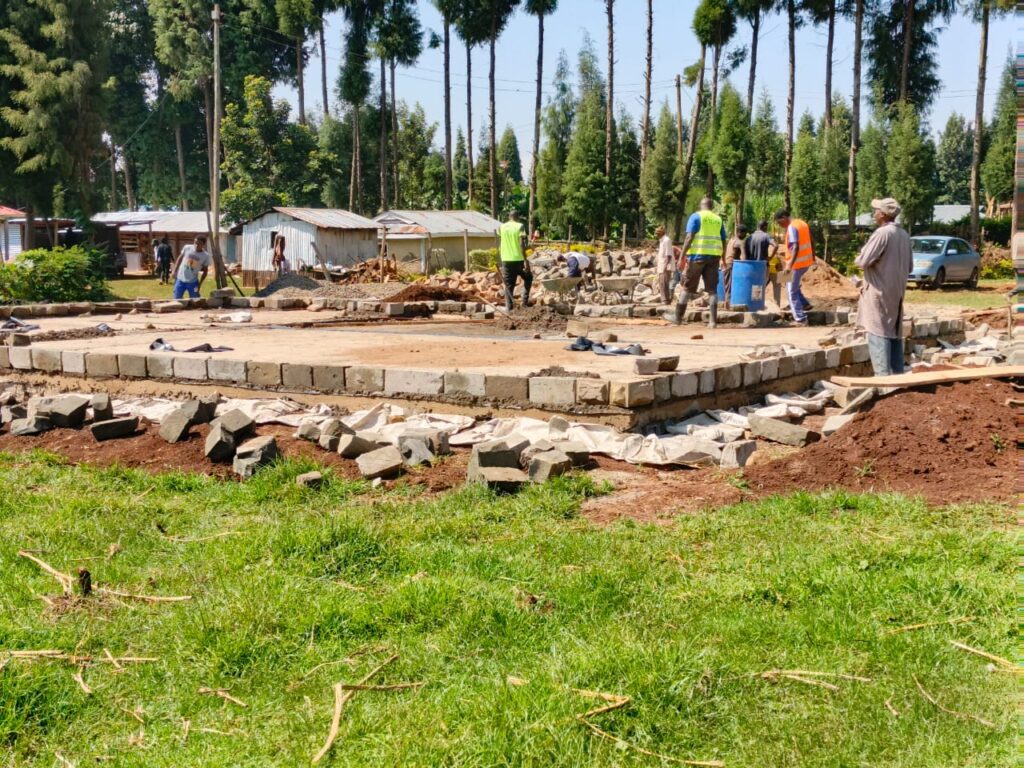
A Clerk Of Works in Construction carries out regular site walkthroughs to observe workmanship, verify materials, and confirm construction activities follow approved drawings. These inspections help detect defects early, allowing corrective action before issues become expensive to fix. Daily presence on site also builds familiarity with progress trends and contractor performance.
Contractor Coordination & Issue Escalation
Clerks of Works work closely with contractors, consultants, and site supervisors to address quality concerns and clarify technical details. When problems arise, they document findings and escalate issues to the project team for timely resolution. This coordination ensures construction stays aligned with standards while maintaining professional working relationships.
Progress Tracking & Compliance Checks
Tracking progress is part of the clerks of works role in construction project management, helping clients understand whether works are advancing according to plan. Clerks compare on-site activities with schedules and specifications while checking compliance with regulations. These reviews support payment certifications and reduce delays caused by unnoticed defects.
Tools, Checklists & Project Support
Inspection Checklists & Templates
Inspection checklists help standardize quality reviews by ensuring no construction element is overlooked during site visits. Clerks of Works use templates to assess structural works, finishes, services installations, and safety practices. These tools improve consistency while saving time on repetitive documentation tasks.
Reporting Tools & Software Support
Modern Clerks of Works rely on digital tools to capture photos, generate reports, and share findings with stakeholders in real time. Construction software improves record accuracy and supports faster decision-making across project teams. Technology also simplifies tracking defects and monitoring corrective actions.
Document Control & Versioning Systems
Proper document control ensures everyone works from the latest drawings and specifications, reducing errors caused by outdated information. Clerks of Works use versioning systems to track revisions and maintain clear audit trails. This process supports compliance while improving coordination between consultants and contractors.
Career Path, Salary & Job Market
How to Become a Clerk Of Works
Entering this profession typically starts with education in construction-related fields, followed by hands-on site experience. Aspiring Clerks of Works build technical skills through inspections, reporting, and exposure to different project types. Professional certifications further strengthen credibility and open doors to higher-level roles.
Salary Expectations & Regional Comparisons
Salary levels for Clerks of Works vary based on experience, project size, and location, with developed markets often offering higher compensation. In Kenya, earnings depend on qualifications and site exposure, while the UK and US emphasize certification and specialization. Understanding regional pay trends helps professionals plan career moves strategically.
Job Search Tips & Advancement Opportunities
Finding clerks of works jobs role opportunities requires networking, professional memberships, and showcasing practical inspection experience. Advancing in this career may lead to senior inspection roles, project quality management, or consultancy positions. Continuous learning and strong reporting skills greatly improve long-term prospects.

Conclusion
A Clerk Of Works in Construction plays a critical role in safeguarding quality, enforcing standards, and ensuring projects comply with approved specifications from start to finish. By understanding the clerks of works role in construction, their duties, tools, and career pathway, developers and professionals alike can reduce defects, improve project outcomes, and maintain long-term building performance.
Whether you are considering this career or hiring for your next project, investing in skilled Clerks of Works strengthens accountability and supports smoother construction delivery. From inspections and reporting to compliance and coordination, this role remains essential within modern construction project management.