Best Bungalow Designs and Costs in Kenya
Explore the best bungalow house plans in Kenya with updated construction costs, design options, legal requirements, and expert tips to help you choose the right single-floor home within your budget.
Introduction
Best Bungalow Designs and Costs in Kenya
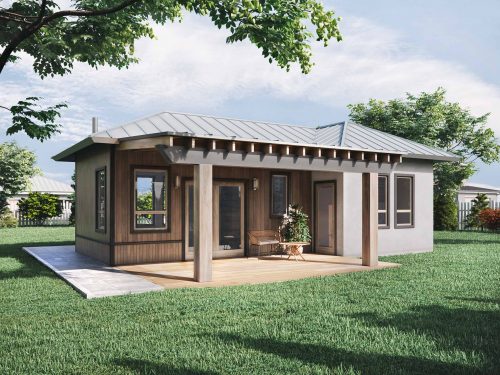
Bungalow House Plans Kenya continue to grow in demand as more homeowners and investors look for practical, single-floor homes that balance comfort, affordability, and long-term value. Across urban and peri-urban areas, bungalows fit well within affordable housing projects and modern family estates, especially for families with children, seniors, or those planning to age in place.
Why Bungalow House Plans Matter in Kenya
Bungalow house plans matter in Kenya because they match how many families live, build, and budget today. With rising construction costs and smaller plots, single-floor homes offer practical layouts without sacrificing comfort or functionality. This makes them a strong choice for both homeowners and property investors.
Growing Demand for Single-Floor Homes in Kenya
Single-floor homes are increasingly popular because they are easy to access and safer for all age groups. Homeowners prefer layouts without stairs, especially for young children, elderly family members, or people with mobility needs.
Bungalow designs also simplify construction and reduce structural complexity. This often results in lower building costs and shorter construction timelines.
Why Families Prefer Bungalows in Gated Estates
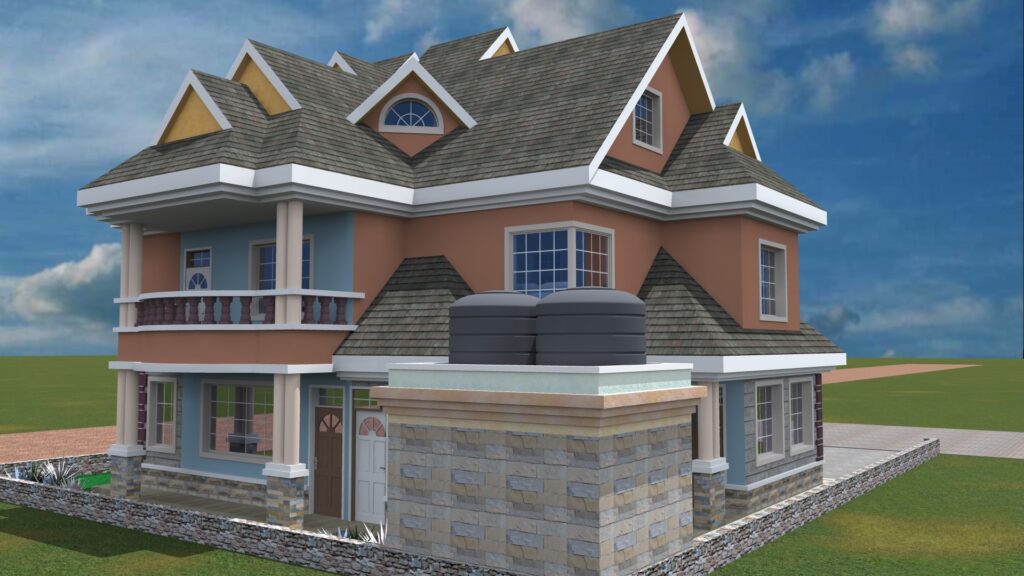
Family bungalow designs fit perfectly within gated estates due to their privacy, safety, and efficient use of space. Many estates in Kenya are planned around low-rise housing to create quiet, family-friendly environments.
Bungalows allow families to enjoy private gardens, parking space, and outdoor areas without vertical living challenges. This makes them ideal for long-term family homes.
Bungalows as a Smart Option for Affordable Housing
Affordable bungalow housing works well because the designs are simple and cost-efficient. Fewer structural requirements mean savings on materials, labour, and finishing costs.
For first-time homeowners, bungalow house plans offer a realistic entry into property ownership. They also allow future extensions when finances improve.
Services Included in Bungalow House Plans Kenya
Many buyers focus only on the floor plan, yet a complete bungalow house plan package in Kenya includes several essential services. Understanding what is included helps you avoid unexpected costs and construction delays.
Professional architectural services ensure that your bungalow design meets legal standards, fits your plot, and stays within budget.
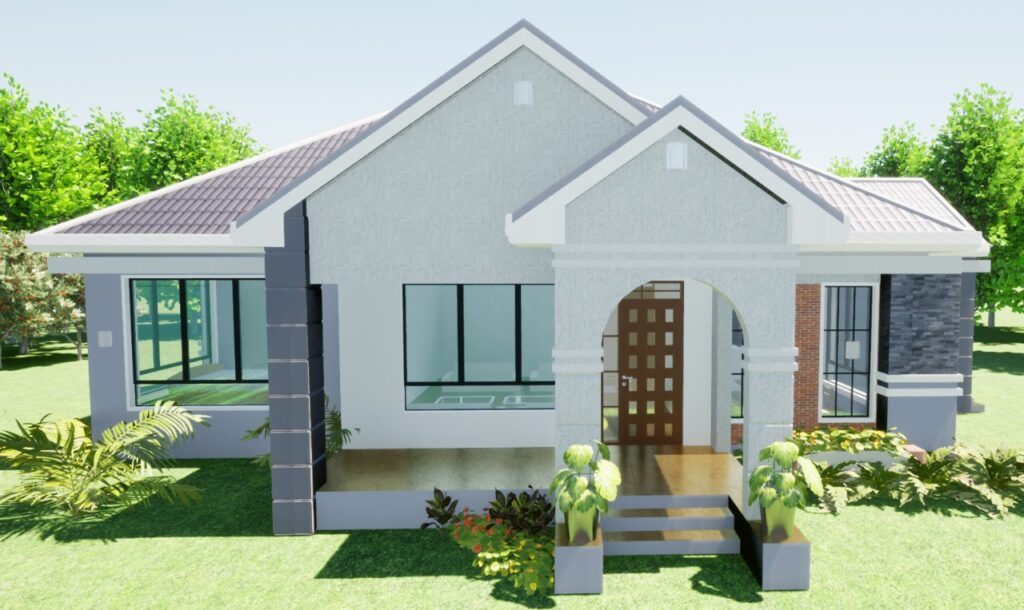
Architectural Drawings & Floor Plans
Architectural drawings define the layout, room sizes, circulation, and overall appearance of the bungalow. These drawings guide contractors during construction and are required for county approvals.
Well-prepared floor plans also help you visualise the house before building begins, reducing costly design changes later.
Structural, Electrical & Plumbing Layouts
Structural drawings ensure the bungalow is safe, stable, and built to last. Electrical and plumbing layouts show wiring points, lighting positions, water supply, and drainage systems.
These layouts prevent on-site guesswork and help contractors work efficiently. They are also required by most county governments and regulatory bodies.
Bill of Quantities (BQ) & Cost Estimates
A Bill of Quantities breaks down all construction materials, labour, and estimated costs. It helps homeowners plan finances accurately and compare contractor quotations fairly.
BQ documents are especially important for affordable bungalow housing, where cost control is a priority.
Customisation & Site-Specific Adjustments
Customisation allows bungalow house plans to be adjusted based on plot size, orientation, or personal preferences. This may include room reconfiguration, roof style changes, or future expansion planning.
Site-specific adjustments also consider soil conditions and local regulations, reducing approval issues and structural risks.
Bungalow Construction Cost Breakdown in Kenya
Understanding the bungalow construction cost breakdown in Kenya helps homeowners plan realistically and avoid budget overruns. Costs vary depending on house size, design complexity, finishes, and location, but clear estimates make decision-making easier. This section focuses on bungalow house plans with cost in Kenya, giving practical ranges rather than vague figures.
2–3 Bedroom Bungalow Cost Estimates
A 2–3 bedroom bungalow is the most common choice for first-time homeowners and small families. These homes typically require less land, fewer materials, and simpler layouts, making them more affordable to build.
The cost of building a bungalow in Kenya for this size often depends on finishes, roof type, and labour rates. Basic finishes lower overall costs, while modern interiors and premium fittings increase the final budget.
4 Bedroom & Family-Sized Bungalow Costs
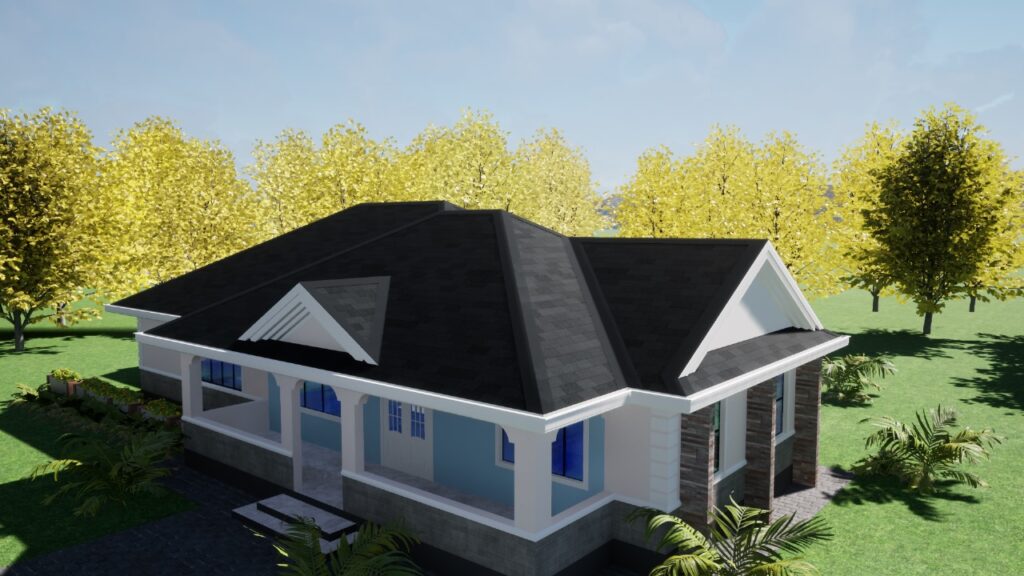
Larger bungalow house plans are popular among growing families and buyers in gated estates. A 4-bedroom bungalow offers more living space, additional bathrooms, and sometimes a study or guest room.
Because of the increased floor area, these designs require more materials and longer construction timelines. As a result, the overall cost is higher, especially when high-end finishes or custom features are included.
Cost Breakdown by Construction Stage
Breaking costs down by construction stage makes budgeting clearer and more manageable. Each stage contributes differently to the total construction cost and must be planned carefully.
- Foundation stage: Excavation, concrete work, and groundwork based on soil conditions
- Walling stage: Masonry, columns, and structural reinforcement
- Roofing stage: Timber or steel trusses, roofing sheets, and insulation
- Finishing stage: Flooring, painting, doors, windows, plumbing, and electrical fittings
Understanding these stages helps homeowners control spending and track progress during construction.
Factors Influencing Bungalow Costs in Kenya
Several factors influence how much it costs to build a bungalow in Kenya. While competitors often mention these briefly, understanding them in detail helps you make smarter design and budgeting choices.
Each factor can significantly increase or reduce the final cost depending on how it is managed during planning.
Roofing Style (Flat vs Gable vs Hip Roof)
Roofing style plays a major role in both construction cost and long-term maintenance. Flat roofs often suit modern bungalow designs but require proper waterproofing, which can increase upfront costs.
Gable and hip roofs are more common in Kenya due to their durability and better rainwater drainage. However, hip roofs typically cost more because they require more materials and labour.
Materials, Finishes & Labour Costs
The choice of materials directly affects the total bungalow construction cost. Locally available materials are usually more affordable, while imported or premium finishes raise expenses.
Labour costs also vary depending on skill level and location. Skilled labour ensures quality work but may increase the initial budget, especially for detailed finishes.
Location & Accessibility of the Plot
Where your plot is located has a strong impact on construction costs. Urban areas often have higher labour and material prices, while rural locations may incur extra transport costs.
Poor road access can increase delivery expenses and slow down construction. Planning for logistics early helps avoid unexpected costs.
Legal & Regulatory Considerations in Kenya
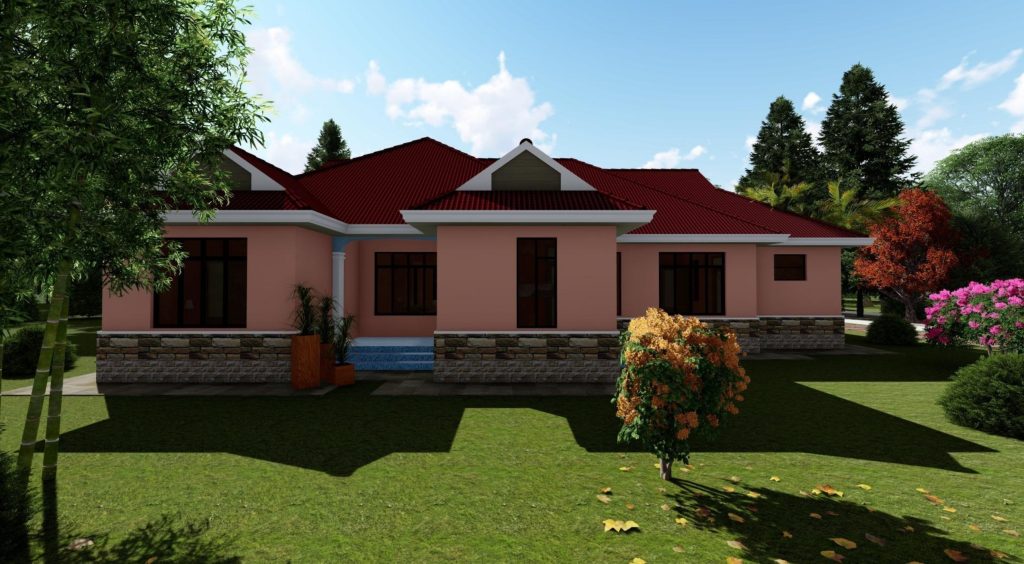
Understanding legal and regulatory requirements is essential before building any bungalow in Kenya. Many construction delays and fines occur because homeowners overlook approvals and compliance rules. Addressing these requirements early ensures your bungalow project runs smoothly and remains legally protected.
County Approvals & Building Permits
County government approval is mandatory before starting construction. You must submit approved architectural and structural drawings for review, along with ownership documents for the land.
Building permits confirm that your bungalow house plan meets safety, planning, and zoning standards. Without approval, construction can be stopped or demolished by county authorities.
Zoning, Setbacks & Plot Size Rules
Zoning regulations determine what type of building can be constructed in a specific area. These rules affect bungalow height limits, land use, and the number of units allowed per plot.
Setback requirements control how far your bungalow must be from plot boundaries, roads, and neighbouring properties. Following these rules helps prevent disputes and approval delays.
NCA Compliance & Contractor Registration
The National Construction Authority (NCA) regulates construction professionals and contractors in Kenya. All contractors must be NCA registered, and projects must comply with NCA standards.
NCA compliance helps ensure quality workmanship and site safety. It also protects homeowners from engaging unqualified contractors.
How to Choose the Right Bungalow House Plan
Choosing the right bungalow house plan is a critical step that affects cost, comfort, and future flexibility. A well-chosen plan aligns with your budget, plot size, and long-term needs.
This section helps you evaluate options clearly, reducing the risk of costly changes during construction.
Choosing Based on Budget & Future Expansion
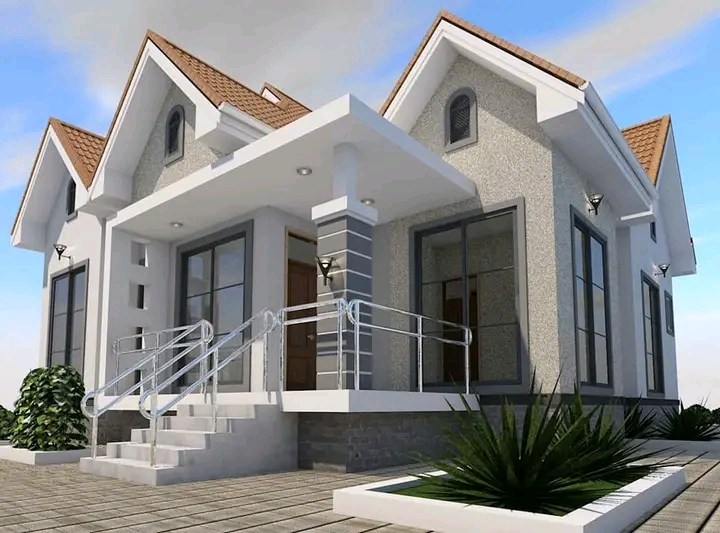
Your budget should guide the size, layout, and finishes of your bungalow house plan. Simple layouts and standard finishes help control costs during the initial build.
Planning for future expansion allows you to add rooms later without major structural changes. This approach is ideal for growing families and long-term property investment.
Matching the Plan to Plot Size & Shape
Plot size and shape directly influence the type of bungalow you can build. Narrow or irregular plots require efficient layouts to maximise usable space.
Proper planning ensures the house fits comfortably within setbacks while maintaining good ventilation and natural lighting.
Ready-Made vs Custom Bungalow House Plans
Ready-made bungalow house plans are faster and more affordable, making them suitable for standard plots. They are ideal for homeowners working within a tight budget or timeline.
Custom bungalow house plans offer flexibility and personalisation but usually cost more. They work best for unique plot conditions or specific lifestyle requirements.
Conclusion
Bungalow House Plans Kenya remain one of the most practical housing solutions for homeowners and investors seeking affordability, comfort, and long-term value. Their single-floor layouts suit family living, support affordable housing goals, and adapt well to different plot sizes and estate developments.
With proper planning, clear cost estimates, and the right approvals, bungalow homes offer a reliable path to homeownership across Kenya.