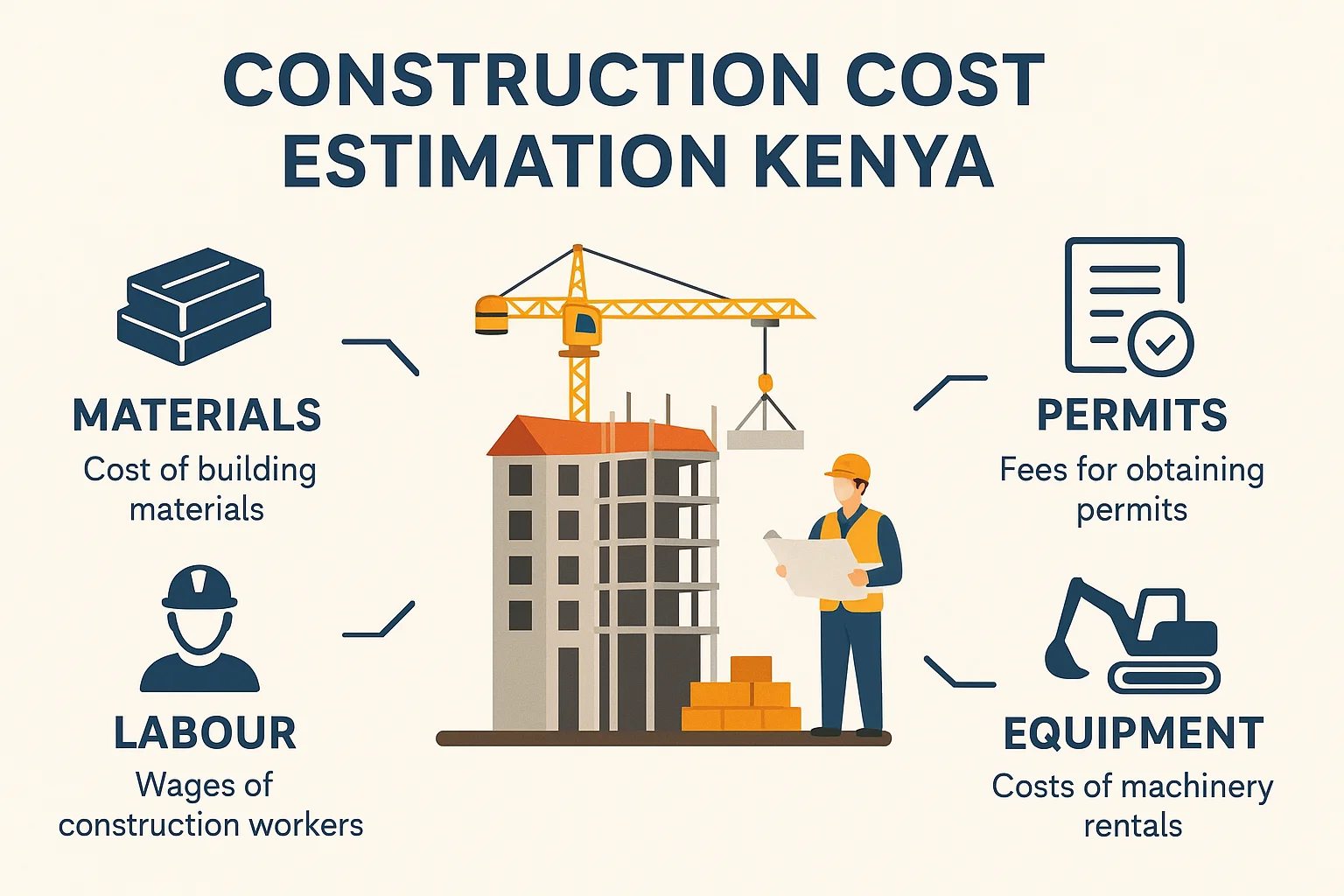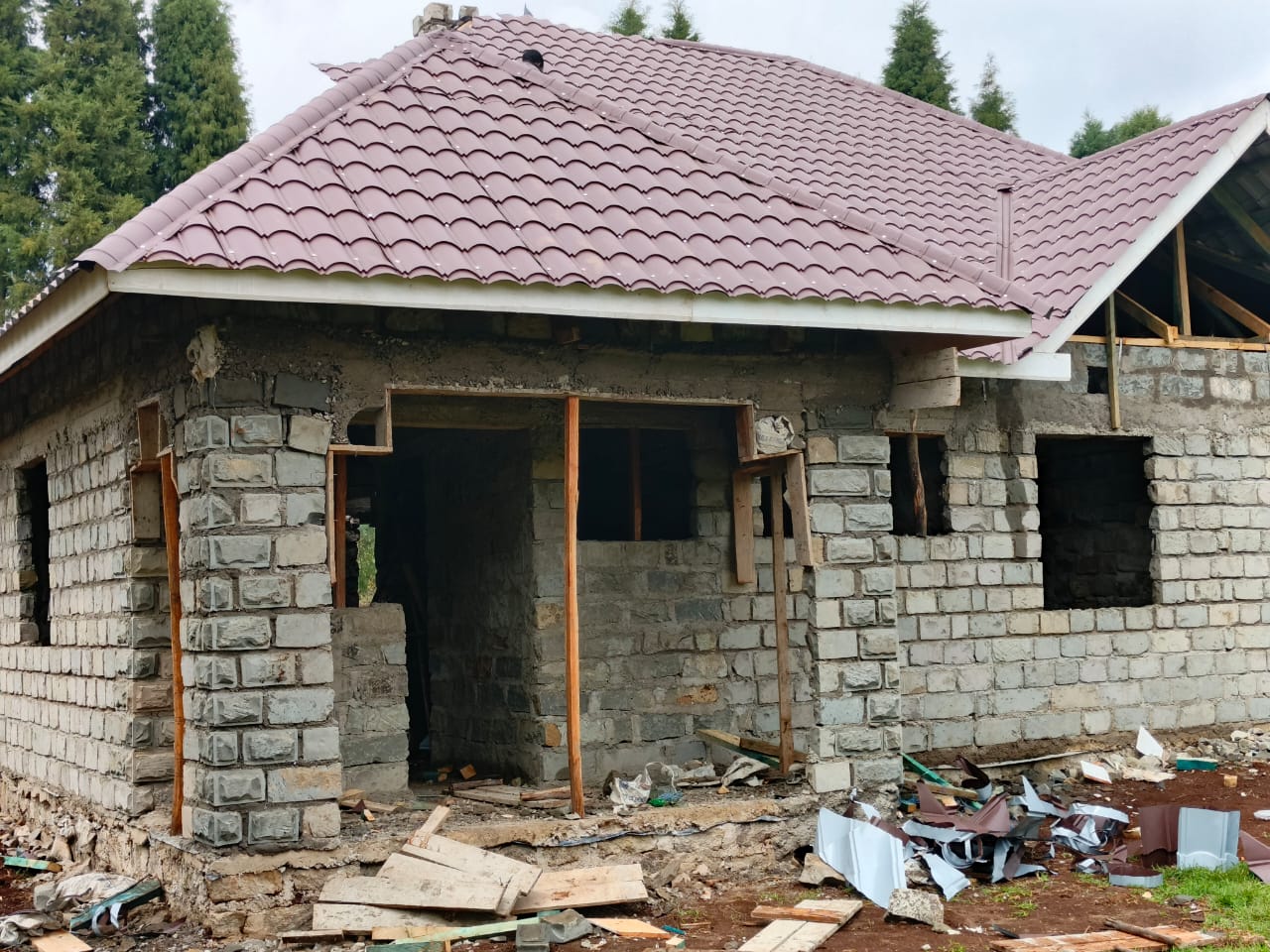
“Discover updated building materials cost in Kenya 2025 — unit prices, regional delivered rates, cost breakdowns per m², supplier tips & downloadable price list. Plan your next project with precision.”
Introduction
Building Materials Cost in Kenya 2025
Planning a construction project in Kenya requires accurate information about the cost of building materials in 2025. Prices have fluctuated due to inflation, supply chain challenges, and regional differences, making budgeting more complex than ever. Whether you are building a residential home, commercial property, or industrial facility, understanding material costs can help you plan effectively and avoid financial surprises. This guide covers everything from unit prices and regional differences to procurement tips and cost-saving strategies.
Market Overview: Trends & Indices in 2025
The Kenyan construction industry has experienced notable shifts in material costs in 2025. Rising inflation, currency fluctuations, and demand pressures have influenced the price of key construction materials. Understanding these trends helps homeowners and contractors anticipate costs and make informed purchasing decisions. Regional differences further affect material prices, with urban centres typically experiencing higher costs than rural areas.
National Construction Input Indices & Material Inflation
According to the Kenya National Bureau of Statistics (KNBS), the Building Cost Index rose to 119.52 in the second quarter of 2025, reflecting an overall increase in construction material costs. Cement and steel have been the most affected, with cement prices rising by 2.63% and steel by 1.52% compared to the previous year. These increases are driven by higher import costs, logistical challenges, and increased demand from ongoing infrastructure projects across the country. Tracking these indices provides a benchmark for estimating project budgets accurately.
Impact on Building Approvals & Demand
Rising material costs have also influenced building approvals and the pace of new construction projects. In Nairobi, for instance, the high cost of cement and steel has led some developers to delay or scale down their plans. Buyers and contractors are more cautious, often opting for smaller projects or more affordable materials to stay within budget. Being aware of these market conditions allows homeowners to plan strategically and avoid surprises during procurement.

Interpreting Material Prices
Understanding how material prices are structured is crucial for budgeting. Raw material costs, delivery charges, taxes, and quality premiums all affect the final price you pay at the site. Learning to interpret these costs can prevent budget overruns and help you negotiate effectively with suppliers.
Delivered Price vs. Base Supplier Price
The base supplier price refers to the cost of the material at the supplier’s warehouse. However, the delivered price includes transport, handling, and unloading costs, which can vary significantly based on location and distance from the supplier. For instance, transporting cement from Nairobi to a rural county can add 10–15% to the material’s price. Understanding the difference between base and delivered prices ensures you are not caught off guard by hidden costs.
VAT, Import Duty, Quality Premiums
Imported materials, such as windows, doors, or specialised steel, often include VAT and import duty, which increase the total expense. High-quality or branded materials also attract a premium, but they can provide durability and reduce long-term maintenance costs. Balancing quality and price is critical, as opting for cheaper, substandard materials can lead to higher repair costs in the future.
H3: Bulk Order Discounts & Economies of Scale
Suppliers often offer discounts for bulk purchases or consolidated orders. Purchasing materials for multiple projects at once can reduce per-unit costs, while strategic delivery planning can save on transport fees. Contractors who leverage bulk buying enjoy more predictable costs and better relationships with suppliers.
Material Wastage & Allowance Margins
Construction inevitably involves some wastage due to breakage, cutting, or measurement errors. Allocating a 5–10% margin for wastage helps prevent project delays and ensures that all materials are available when needed. Including these allowances in your budget promotes realistic planning and reduces the risk of unexpected expenses.

Detailed Price Ranges for 2025
Knowing the current prices of materials is critical for effective budgeting. Prices vary by region, supplier, and quality, and being aware of these differences allows for more accurate project planning. The following provides detailed insights into common building materials in Kenya for 2025.
Cement (per 50kg Bag Delivered Range, Brand Differences)
Cement prices have fluctuated due to increased demand and rising production costs. In Nairobi, a 50kg bag of cement averages KSh750, with premium brands slightly higher. Costs in rural areas may be elevated due to transportation and handling charges. Understanding brand differences helps homeowners choose the right balance between quality and cost.
Steel Reinforcement (per Tonne, per Bar, Mesh, etc.)
Steel prices have also risen in 2025, with rebar costing between KSh140,000 and KSh160,000 per tonne. Mesh sheets and specialty bars are priced higher due to manufacturing and handling complexities. Contractors are advised to source multiple quotes and plan deliveries strategically to minimise costs.
Sand / Ballast / Aggregate (per Ton, per Truck, Delivered)
Sand and ballast costs vary based on type and location. River sand averages KSh36,000 per 18 tonnes, while rock sand is about KSh34,600 for the same quantity. Aggregates used for foundations and concrete vary by source, with quarry rates depending on accessibility and transport. Purchasing from reputable suppliers ensures consistency in material quality.
Concrete Blocks, Bricks & Interlocking Blocks
Block and brick prices depend on size, quality, and type. Interlocking blocks cost more initially but reduce labour and plastering requirements. Selecting the right type can optimise construction speed and durability, providing long-term savings.
Roof Materials: Corrugated Iron Sheets, Clay Tiles, Steel Sheets
Roofing costs vary significantly. Corrugated iron sheets are affordable and widely used, while clay tiles and steel sheets offer durability and aesthetic appeal at higher costs. Proper planning for roofing materials can prevent delays and ensure a balanced budget.
Timber, Plywood, Formwork Material Rates
Timber and plywood prices fluctuate based on species, size, and market availability. High-quality timber ensures structural integrity, but using engineered wood or local timber alternatives can reduce costs without sacrificing quality. Contractors should compare multiple suppliers to secure competitive rates.
Finishing & Fittings: Paint, Plumbing, Electrical, Sanitary Wares, Windows & Doors
Finishing materials significantly impact the final cost. Paint, plumbing fixtures, electrical fittings, and sanitary ware range widely in price depending on brand and quality. Investing in reputable brands can enhance durability, minimise maintenance, and improve the overall value of the property.
Comparative 2024 vs. 2025 Price Shifts
Comparing year-on-year prices reveals trends in construction costs. Cement has increased by 2.63%, while steel rose 1.52%. Awareness of these changes helps homeowners and contractors plan their budgets more accurately and anticipate potential price escalations during the project lifecycle.
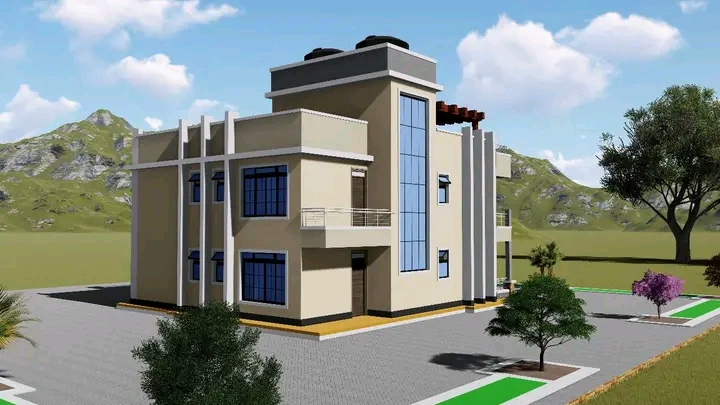
Cost Estimators / Example Builds (Materials Only + Full)
Accurately estimating construction costs requires considering both materials and labor. Example builds provide a practical framework for budgeting.
Materials-Only Estimator per m² (Flexible Worksheet)
A materials-only estimator calculates the cost of materials per square meter for different types of buildings. This approach allows homeowners to quickly adjust quantities and prices based on their project’s scale and location. Using such a worksheet ensures more accurate budgeting and helps identify potential savings opportunities.
Example: 3-Bedroom House (Materials + Labor + Contingency)
Building a standard three-bedroom house in Kenya in 2025 can cost between KSh3.5 million and KSh5 million, depending on location and material choices. Including labour and contingency funds is essential, as unexpected expenses often arise due to material price fluctuations or project delays. Planning for these costs ensures smooth project execution.
Example: Simple Bungalow / Semi-Luxury Maisonette
A simple bungalow may cost around KSh54,730 per square meter, while a semi-luxury maisonette can reach KSh97,730 per square meter. Factors affecting these costs include material selection, finishing quality, and design complexity. Evaluating these variables beforehand helps prevent overspending and maintains project feasibility.
Sensitivity Scenarios: +/- 10% Material Cost Shock
Material price volatility is common, and a 10% increase in costs can significantly impact the overall budget. Contractors should create contingency plans and consider locking in prices through advance procurement agreements. Awareness of price sensitivity helps minimise financial risks and ensures realistic project timelines.
Regional Price Variations & Procurement Tips
Construction material costs vary significantly across Kenya due to supply, demand, and logistical differences. Urban centers generally have higher prices because of demand concentration, while rural areas often face inflated delivery costs. Understanding regional variations allows homeowners and contractors to plan procurement efficiently and reduce unexpected expenses.
Nairobi & Major Urban Hubs Price Premiums
Nairobi, Mombasa, and Kisumu experience higher material costs than most rural areas due to higher demand, dense population, and frequent infrastructure projects. Cement, steel, and timber are typically 5–15% more expensive in these hubs compared to counties with lower construction activity. Contractors often negotiate bulk orders or schedule staggered deliveries to manage costs effectively and maintain cash flow.
Upcountry and County-Level Markups
Remote counties can experience higher material prices due to transportation challenges and limited supplier networks. For example, delivering sand or ballast to interior counties may add KSh4,000–KSh6,000 per truck. Understanding these markups allows for early budget planning and may prompt buying in bulk or collaborating with nearby builders to share transport costs.
Supplier Selection & Verification (Local vs National Brand)
Choosing suppliers carefully is crucial for both cost and quality. National brands provide reliability and consistency, while local suppliers may offer better pricing but require careful vetting. Verifying suppliers through references, site visits, or sample materials ensures quality and prevents delays or substandard purchases.
Logistics & Consolidation: How to Reduce Transport Cost
Coordinating material deliveries can reduce transport costs substantially. Consolidating multiple orders or arranging for bulk delivery can cut fuel and handling expenses, particularly for heavy items like steel and aggregates. Advanced planning of deliveries also ensures that materials arrive when needed, avoiding storage fees or construction delays.
Seasonal Timing & Market Windows (Demand Cycles)
Material prices can fluctuate seasonally, with demand surges during peak construction periods driving prices up. Purchasing materials during low-demand periods or taking advantage of promotional offers from suppliers can reduce costs. Being aware of these market cycles helps homeowners and contractors make timely and cost-effective procurement decisions.

How to Save Money Without Sacrificing Quality
Smart strategies can help reduce construction costs without compromising material quality or structural integrity. Planning, negotiation, and efficient procurement are key to achieving cost savings.
Substitutable Materials & Value Engineering
Selecting alternative materials with similar performance can save money. For example, engineered wood or local timber substitutes can replace imported plywood, while interlocking blocks may reduce plastering costs. Value engineering ensures that cost reductions do not compromise safety or aesthetics.
Bulk Orders, Cooperative Buying, Phased Deliveries
Cooperative buying or bulk orders can secure significant discounts from suppliers. Phased deliveries, where materials are sent as needed, reduce storage fees and minimise the risk of damage. Contractors who strategically combine these approaches can optimise cash flow and reduce total material costs.
Negotiation Tactics for Suppliers
Effective negotiation with suppliers can reduce costs or improve delivery terms. Building long-term relationships with reputable suppliers allows for better rates, early access to stock, and flexible payment options. Comparing quotes and documenting agreements ensures transparency and prevents disputes.
Quality Control & Avoiding Counterfeit or Substandard Materials
Ensuring the quality of purchased materials is essential for durability and cost-effectiveness. Inspecting deliveries, requesting samples, and verifying supplier certifications can prevent the use of counterfeit or substandard materials, which often lead to additional repair or replacement costs.
Mitigating Risk: Reserve Contingencies, Monitor Indices, Lock-In Early Quotes
Setting aside a contingency fund for unexpected price increases protects against budget overruns. Monitoring construction input indices and locking in prices early, especially for high-demand materials like cement and steel, helps avoid inflation-driven cost spikes. Strategic planning reduces financial uncertainty and supports smooth project execution.
Trusted Suppliers & Price List Download
Access to verified suppliers and accurate price lists is critical for planning and executing construction projects. Reliable suppliers help maintain quality standards and reduce procurement delays.
Verified Supplier Directory (by County/Region)
A verified supplier directory provides a list of trusted suppliers across counties, ensuring access to consistent, high-quality materials. Homeowners and contractors can compare prices, confirm stock availability, and plan deliveries efficiently. Using verified directories reduces the risk of fraud and ensures timely project completion.
How to Request Quotes & Comparative Supplier Checklist
Requesting multiple quotes helps compare prices, delivery times, and material quality. Using a checklist when evaluating suppliers ensures that all critical factors—such as certifications, delivery capacity, and payment terms—are considered before finalising an order. This approach fosters transparency and enables informed purchasing decisions.
How to Validate Quoted Prices (Samples, Receipts, Lab Tests)
Validating supplier quotes is essential to avoid overpayment or substandard materials. Requesting samples, verifying receipts, and conducting basic lab tests for materials like cement, sand, and aggregates ensures that the delivered items meet specifications. This validation process protects project quality and prevents costly rework.

Conclusion
In conclusion, understanding building materials cost in Kenya 2025 is essential for accurate budgeting and successful construction projects. Awareness of material price trends, regional variations, and procurement strategies allows homeowners and contractors to optimise costs without compromising quality. Utilising verified suppliers, planning bulk purchases, and including contingencies ensures smoother project execution. Staying informed and proactive helps mitigate risks and enhances the overall efficiency of your construction project.