Construction Ethics Kenya
Learn about construction ethics in Kenya, professional conduct standards, NCA rules, compliance systems, ethical risks, and downloadable industry PDF guides.
Introduction
Construction Ethics Kenya
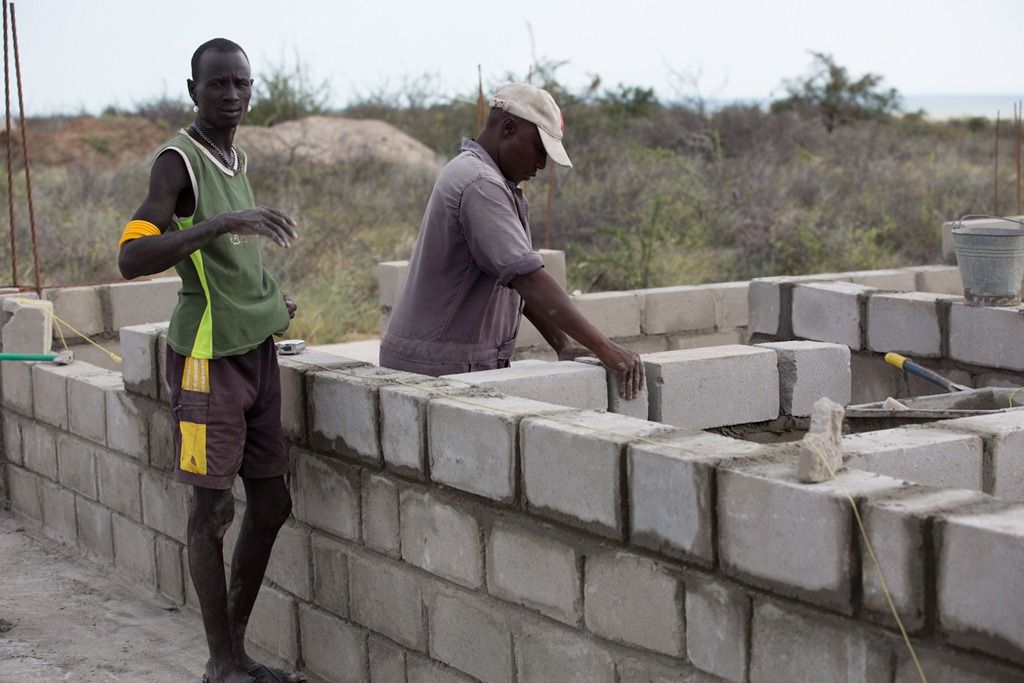
Construction Ethics Kenya is becoming a critical topic as projects grow larger, faster, and more complex across the country. From housing developments to commercial builds, ethical conduct now directly affects safety, quality, investor confidence, and legal compliance.
This guide explains ethics and professional conduct in construction projects, highlights key laws, and shows how construction companies and managers can apply practical standards on site. It also supports contractors and project teams looking for ethics and professional conduct in construction industries PDF resources, compliance frameworks, and implementation tools.
Foundations of Construction Ethics in Kenya
Definition of Construction Ethics and Professional Conduct
Construction ethics refers to the moral standards and professional behavior expected from everyone involved in building projects, including contractors, engineers, architects, and suppliers. In Kenya, this also covers honesty, transparency, accountability, and compliance with industry regulations throughout the project lifecycle. Ethics and professional conduct in construction projects help ensure quality delivery, fair business practices, and public safety while protecting clients from fraud and substandard work.
Why Construction Ethics Kenya Matters for Developers, Contractors, and Clients
Construction Ethics Kenya directly affects project success, reputation, and long-term profitability for developers and construction companies. Ethical practices reduce disputes, improve workmanship, and build trust between contractors, clients, and regulators. For project owners, strong professional conduct lowers financial risk, prevents delays, and supports sustainable development across the industry.
Core Ethical Principles in the Kenyan Construction Industry
The Kenyan construction sector is guided by key principles such as integrity, fairness, competence, accountability, and respect for safety standards. These values shape how contracts are awarded, how sites are managed, and how professionals interact with clients and communities. Ethics and professional conduct in construction companies depend on applying these principles consistently, from procurement to project handover.
Global Ethics Standards vs Local Kenyan Practices
International construction ethics frameworks emphasize transparency, anti-corruption controls, and responsible project management. Kenya adopts many of these standards but applies them through local laws, NCA regulations, and professional boards. Understanding both global benchmarks and Kenyan requirements helps construction managers align projects with best practices while remaining legally compliant.
Legal and Regulatory Framework Governing Professional Conduct
National Construction Authority (NCA) Code of Conduct
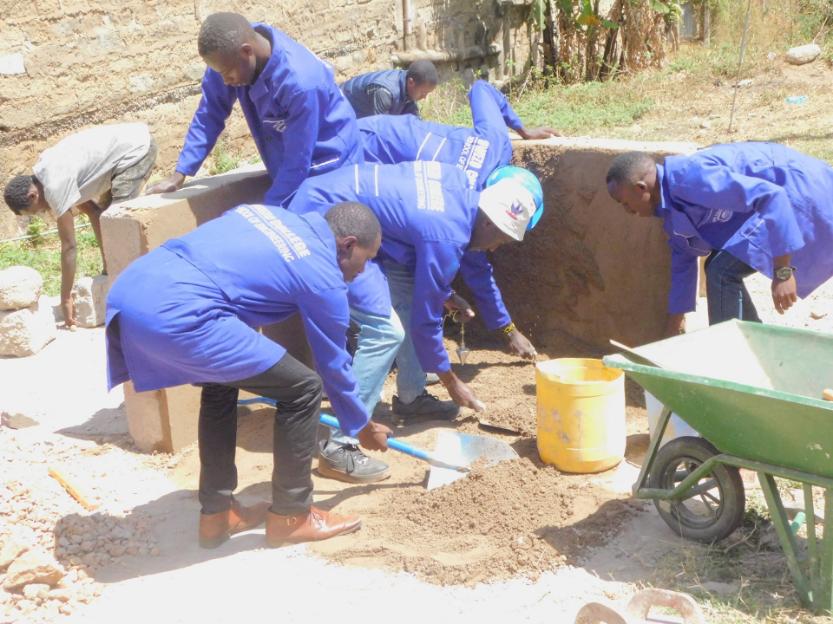
The National Construction Authority sets minimum ethical and professional standards for contractors, consultants, and construction firms operating in Kenya. Its Code of Conduct promotes transparency, quality workmanship, and responsible project delivery while outlining registration and compliance obligations. Construction companies must follow these rules to maintain licensing and avoid penalties.
Engineers Board of Kenya and Professional Ethics Requirements
The Engineers Board of Kenya regulates engineering professionals and enforces strict ethical guidelines covering competence, independence, and public safety. Registered engineers must follow these standards on every project, from design to supervision. These requirements play a major role in ethics and professional conduct in construction management, especially on complex developments.
Procurement Laws, Anti-Corruption Policies, and Public Works Ethics
Public and private construction projects are governed by procurement laws that promote fair competition and value for money. Anti-corruption policies aim to stop bribery, bid manipulation, and favoritism during tendering and contract execution. Following these rules strengthens ethics and professional conduct in construction industries while protecting investors and taxpayers.
Disciplinary Procedures and Penalties for Ethical Violations
Professionals and firms that breach ethical standards may face fines, suspension, deregistration, or legal action. Regulatory bodies investigate complaints related to fraud, negligence, or unsafe practices and apply penalties based on severity. Knowing these consequences encourages compliance and supports accountability across the construction sector.

Ethical Risks and Professional Misconduct in Construction Projects
Corruption, Bribery, and Bid Rigging in Construction
Corruption remains one of the biggest threats to ethics and professional conduct in construction projects. Bribery and bid rigging distort tender outcomes, inflate costs, and reduce build quality. These practices also discourage genuine investors and damage public confidence in the construction industry.
Conflict of Interest and Collusion Among Stakeholders
Conflicts of interest arise when professionals place personal gain above project objectives or client needs. Collusion between contractors, consultants, and suppliers can lead to unfair pricing and compromised standards. Strong governance systems help identify these risks early and protect project integrity.
Substandard Workmanship, Material Substitution, and Safety Neglect
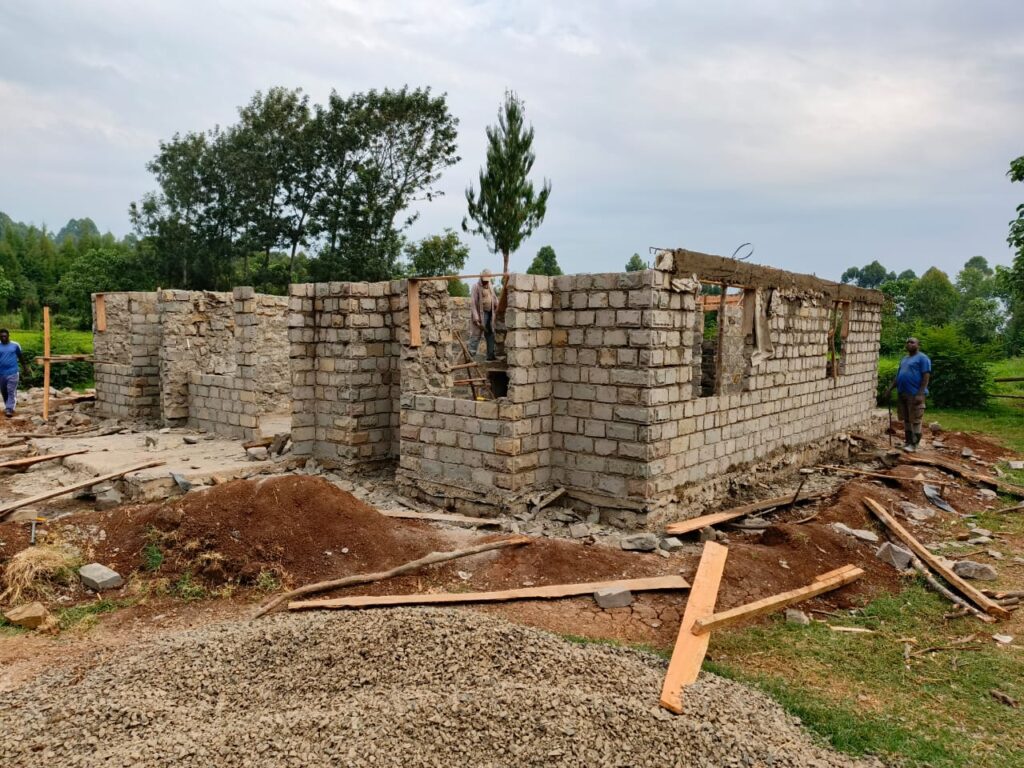
Poor workmanship and unauthorized material changes are common ethical failures that weaken structures and increase maintenance costs. Safety neglect also puts workers and the public at risk while exposing companies to legal claims. Applying quality controls and site supervision is essential for maintaining construction ethics in Kenya.
Documentation Fraud and Fake Professional Credentials
Some projects suffer from forged approvals, fake licenses, or unqualified practitioners posing as professionals. This type of misconduct undermines ethics and professional conduct in construction companies and often leads to costly project failures. Proper verification of credentials helps eliminate these risks before work begins.
Ethics and Professional Conduct in Construction Companies
Developing Internal Company Codes of Ethics
Construction companies in Kenya need clearly defined internal codes of ethics to guide employee behavior and company decisions. These codes outline expected professional conduct, compliance standards, and procedures for addressing misconduct. A well-documented code helps staff understand their responsibilities and reinforces ethics and professional conduct in construction projects across all departments.
Ethical Procurement and Supplier Management Systems
Ethical procurement ensures that materials, labor, and services are sourced fairly, transparently, and in compliance with legal standards. Supplier management systems that prioritize integrity and accountability reduce risks of corruption, substandard materials, and project delays. Implementing these systems strengthens overall ethics and professional conduct in construction companies while building reliable partnerships.
Staff Training, Whistleblowing Policies, and Accountability Structures
Ongoing ethics training equips employees with knowledge of professional standards and how to apply them in daily construction operations. Whistleblowing policies encourage reporting of misconduct without fear of retaliation, while accountability structures ensure managers and teams are answerable for their actions. Together, these practices promote a culture of ethics and professional conduct in construction management.

Ethics and Professional Conduct in Construction Management
Ethical Decision-Making for Project Managers
Project managers in Kenya play a critical role in enforcing construction ethics by making fair and transparent decisions. Ethical decision-making involves balancing client expectations, legal requirements, and resource constraints while prioritizing safety and quality. Strong leadership ensures that ethics and professional conduct in construction management are maintained throughout project execution.
Contract Administration, Transparency, and Fair Risk Allocation
Managing contracts ethically involves clear documentation, open communication, and equitable distribution of project risks between parties. Transparent contract administration prevents disputes, delays, and cost overruns while supporting accountability and professional standards. These practices are essential for maintaining ethics and professional conduct in construction companies and projects.
Monitoring Compliance During Project Execution
Active monitoring and supervision during construction ensure adherence to ethical guidelines, quality standards, and safety regulations. Regular site inspections, reporting, and audits allow managers to identify and correct unethical practices promptly. Continuous oversight reinforces ethics and professional conduct in construction management while protecting stakeholders.
Ethics and Professional Conduct in Construction Industries PDF Resources
Ethics and Professional Conduct in Construction Industries PDF Downloads
Several PDF resources provide detailed guidance on construction ethics, regulatory compliance, and professional conduct in Kenya. These downloadable files include NCA codes, professional standards, and case studies relevant to contractors and project managers. Accessing these documents supports ethical decision-making and strengthens governance within the construction industry.
Ethics and Professional Conduct in Construction Management PDF Guides
PDF guides tailored for construction managers offer practical tools for implementing ethics on site, managing teams, and monitoring compliance. They provide step-by-step instructions and frameworks to ensure projects adhere to professional standards. Utilizing these guides enhances ethics and professional conduct in construction management while improving project outcomes.
Templates: Company Ethics Policies, Compliance Checklists, and Reporting Forms
Templates for ethics policies, compliance checklists, and reporting forms make it easier for construction companies to enforce professional conduct consistently. Companies can customize these tools to reflect their operations, ensure accountability, and document ethical practices. Using templates streamlines ethics implementation and reinforces professional conduct across all projects.
Conclusion
Construction Ethics Kenya is essential for safe, reliable, and legally compliant building projects. By understanding core ethical principles, following legal frameworks, and applying professional conduct in construction management, companies can minimize risks, improve quality, and build investor confidence.
Adopting formal ethics policies, training staff, and using downloadable PDFs or compliance templates ensures that projects are executed with integrity. Prioritizing ethics across companies and projects creates a culture of accountability, transparency, and long-term sustainability in the Kenyan construction industry.
Conversion Elements