Construction Project Management Explained
Discover what construction project management is, learn the full construction management process, key roles like the construction project manager, tools, challenges, and how to choose expert services — all in one comprehensive guide.
Introduction
Construction Project Management Explained
Construction projects are complex endeavors that involve tight schedules, strict budgets, quality standards, safety regulations, and multiple stakeholders. Construction project management is the structured approach that ensures these projects run smoothly, stay on budget, and meet all quality and safety requirements.
By applying a clear construction management process, project managers coordinate teams, resources, and workflows to deliver successful results. Whether you are planning to manage a project yourself or hire professional services, understanding the fundamentals of project management in construction is essential for efficiency and success.
This guide will break down the roles of construction project manager, the step-by-step construction management process, the best tools to use, common challenges, and actionable tips to help you make informed decisions. You can also explore our detailed construction project management guide for deeper insights into each phase and role.
Quick Snapshot
What You Will Learn:
What CPM Is
Understand the clear definition of construction project management and its key benefits. Learn how it differs from general project management and why it is vital for controlling complex construction projects.
Process
Explore the complete construction management process, from initiation and planning to execution, monitoring, and project close-out. This section provides a clear roadmap to successfully manage any construction project.
Key Roles
Discover the critical roles of construction project manager and team members, including responsibilities of safety managers, estimators, and BIM coordinators. Understand who does what and how each role contributes to project success.
Tools
Learn about the essential tools for project management in construction, such as scheduling software, project tracking platforms, BIM technology, and mobile reporting apps that improve collaboration and efficiency.
Challenges
Identify common challenges in construction projects, including budget overruns, delays, scope creep, and safety risks. Learn actionable strategies to overcome these obstacles and keep your project on track.
Hiring Tips
Get practical advice on how to choose the right construction project management service or hire an experienced project manager. Understand what qualifications, certifications, and tools to look for to ensure project success.
What Is Construction Project Management?
Definition of Construction Project Management
Construction project management is the process of planning, coordinating, and overseeing construction projects from start to finish. It involves managing resources, schedules, budgets, and quality to ensure projects are delivered efficiently and safely. Unlike general project management, it focuses specifically on the construction industry, incorporating site-specific challenges, compliance requirements, and construction workflows.
Key Objectives of CPM
The main objectives of construction project management include:
- Delivering projects on time and within budget
- Ensuring quality standards are met at every stage
- Managing risks and safety concerns on site
- Coordinating teams and subcontractors effectively
- Maximising resource utilisation and efficiency
Achieving these objectives requires a structured construction management process that balances cost, schedule, and quality for every project.
Difference Between CPM and General Project Management
While general project management applies to any industry, project management in construction deals with unique challenges like site logistics, building codes, and complex stakeholder coordination. Construction projects often require specialised knowledge in areas such as structural engineering, safety regulations, and procurement processes, making CPM a distinct discipline.

Why You Need Project Management in Construction
Benefits for Cost, Time, and Quality
Effective construction project management helps control costs, maintain schedules, and ensure high-quality outcomes. Proper planning reduces waste and resource mismanagement, while scheduling tools keep teams on track. By monitoring quality standards, project managers prevent costly mistakes and rework.
Impact on ROI and Stakeholder Satisfaction
Using structured project management in construction increases return on investment by optimising resources and minimising delays. It also improves stakeholder satisfaction, as clear communication and progress reporting keep clients informed and confident in the project’s outcome.
Risk Mitigation Advantages
Construction projects face risks such as budget overruns, site accidents, and schedule delays. Construction project management identifies potential risks early and implements mitigation strategies, such as safety protocols, contingency budgeting, and supplier coordination. This proactive approach reduces the likelihood of project disruptions.
Construction Management Process (Step‑by‑Step)
Project Initiation & Feasibility
The construction management process begins with project initiation and feasibility. This phase defines the project scope, objectives, and constraints. Feasibility studies assess technical, financial, and legal aspects, helping determine whether the project is viable. Early planning ensures resources are allocated efficiently and potential risks are identified.
Detailed Planning Phase
During the detailed planning phase, project managers develop schedules, budgets, risk management plans, and communication strategies. A well-prepared plan sets clear expectations for timelines, cost control, and resource allocation. This step also includes obtaining permits and approvals, ensuring compliance with regulations.
Procurement & Contracting
Procurement and contracting involve selecting suppliers, subcontractors, and negotiating contracts. Effective management ensures materials and services are delivered on time and at the agreed cost. Contracts outline responsibilities, timelines, and penalties, minimising disputes during the project.
Construction/Execution Phase
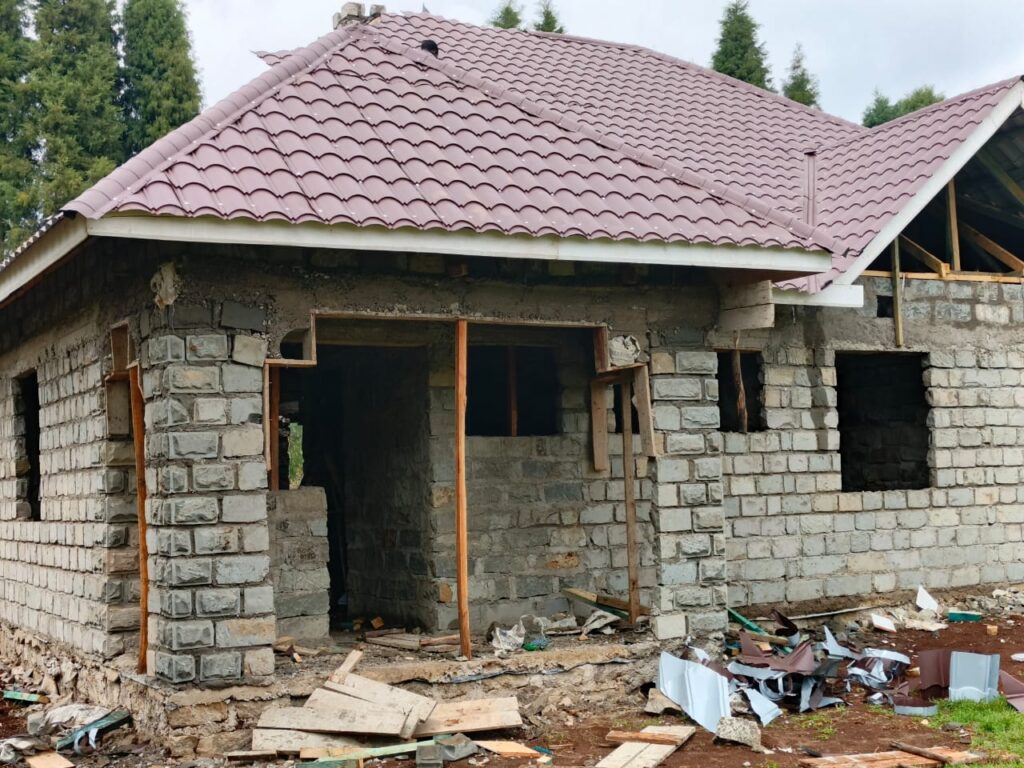
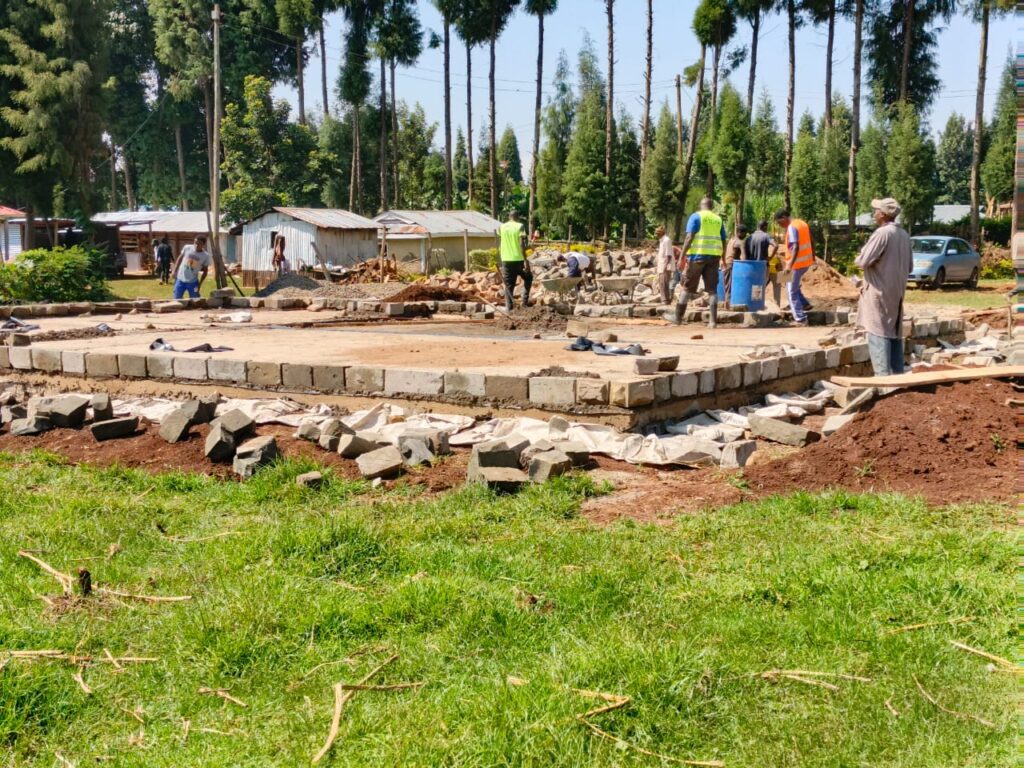
The execution phase is where the physical building occurs. Project managers coordinate teams, oversee subcontractors, and ensure work aligns with specifications. Real-time monitoring and supervision prevent delays, quality issues, and safety incidents on site.
Monitoring & Controlling
Monitoring and controlling track project performance against plans. Key performance indicators (KPIs) measure progress, budget adherence, and quality standards. Change orders, issue resolution, and risk mitigation are managed in this phase to keep the project on track.
Project Close‑Out & Handover
The close-out phase finalises the project. This includes inspections, testing, completion of documentation, and client handover. Lessons learned are documented for future projects, ensuring continuous improvement in project management in construction.
Roles of Construction Project Manager & Team
Construction Project Manager Core Responsibilities
The construction project manager leads the project, coordinating all activities to meet timelines, budgets, and quality standards. Responsibilities include planning, scheduling, resource allocation, risk management, and communication with stakeholders. A skilled project manager ensures all team members work efficiently toward common goals.
Construction Manager vs Project Manager
While a project manager focuses on planning, budgeting, and coordination, a construction manager typically oversees on-site execution. Understanding the difference helps ensure the right professional is hired for each stage of the project.
Estimator/Quantity Surveyor
Estimators and quantity surveyors handle budgeting, cost forecasting, and financial control. They ensure the project stays within budget while accurately estimating resources and labor requirements.
Safety Manager
Safety managers implement protocols to prevent accidents and ensure compliance with local safety regulations. They conduct site inspections, risk assessments, and training programs to protect workers and minimise liability.
Design Manager/BIM Coordinator
Design managers and BIM coordinators ensure designs are implemented correctly on-site. They manage digital models, coordinate with architects, and resolve conflicts between design and construction to avoid costly errors.
Project Administrator/Document Controller
Project administrators and document controllers manage project documentation, including contracts, drawings, reports, and permits. Organised records are critical for legal compliance, audits, and smooth communication among stakeholders.
Tools & Technologies That Improve Construction Management
Scheduling & Planning Software
Scheduling and planning software is essential in construction project management to ensure projects stay on track. Tools like Gantt charts, critical path analysis, and timeline trackers help managers allocate resources effectively and monitor task dependencies. Using these tools reduces delays and improves team coordination.
Project Tracking & Reporting Tools
Project tracking and reporting tools provide real-time updates on budgets, progress, and resource utilisation. Dashboards and reports allow managers to make data-driven decisions, quickly resolve issues, and communicate status with stakeholders.
Building Information Modeling (BIM)
Building Information Modeling (BIM) is a digital representation of a project’s physical and functional characteristics. It enhances collaboration, detects clashes early, and ensures accurate execution. BIM is increasingly critical in modern project management in construction for efficient planning and quality control.
Mobile Reporting & Collaboration Apps
Mobile apps allow teams to report progress, capture photos, track safety issues, and share documents from the field. These tools improve communication among on-site teams, project managers, and clients, increasing transparency and reducing errors.
AI & Automation in Construction
AI and automation tools are transforming construction project management by predicting risks, optimising schedules, and automating routine tasks. From AI-based progress tracking to automated reporting, these technologies increase efficiency and reduce human errors.

Common Challenges and How to Overcome Them
Budget Overruns & Cost Control Issues
Budget overruns are common in construction projects due to inaccurate estimates, unforeseen changes, or material price fluctuations. Using construction management processes like regular cost tracking, contingency planning, and detailed budgeting helps keep expenses under control.
Project Delays & Scheduling Conflicts
Delays can result from weather, labor shortages, or supplier issues. Effective scheduling, real-time monitoring, and proactive risk mitigation strategies allow project managers to anticipate conflicts and minimise downtime.
Scope Creep & Change Management
Scope creep occurs when additional requirements are added without proper planning. Implementing a structured change management process, clear contracts, and frequent stakeholder communication can prevent scope changes from derailing projects.
Communication Gaps Among Stakeholders
Poor communication between clients, contractors, and teams leads to mistakes and delays. Regular meetings, centralised reporting tools, and transparent documentation improve collaboration and reduce misunderstandings.
Safety and Compliance Risks
Construction projects must comply with safety regulations and legal standards. Safety managers, risk assessments, and training programs ensure compliance and prevent accidents, protecting both workers and project integrity.
Conclusion
Recap of Construction Project Management Value
Construction project management is essential for delivering projects on time, within budget, and to quality standards. Effective CPM integrates planning, execution, and monitoring to ensure successful outcomes for all stakeholders.
Call to Action: Hire/Consult/Download Templates
Take the next step: hire a certified construction project manager, consult with experts, or download our free templates for project planning, scheduling, and risk management.
Snippet: 5‑Point Quick Checklist
- Define project scope and objectives
- Set detailed timelines and budgets
- Assign roles and responsibilities
- Monitor progress and quality
- Document lessons learned for future projects
Snippet: Budget Template Summary
A simple budget template should include cost estimates, material costs, labor expenses, contingency funds, and ongoing tracking fields to avoid overruns.
Snippet: Risk Assessment Snapshot
Identify potential risks, assess their impact, and plan mitigation strategies. Track high-priority risks regularly to prevent delays or safety issues.