Cost‑Saving Tips for Building a House in Kenya Without Compromising Quality
Discover practical, budget‑friendly strategies to build your dream home in Kenya without sacrificing structural integrity or long‑term performance — from smart planning and material choices to modern construction techniques and cost‑avoidance tips.
Understanding Building Costs in Kenya
Typical cost breakdown (materials, labour, permits, and fees)
Cost‑Saving Tips for Building a House in Kenya Without Compromising Quality
When planning to build a house in Kenya, it is essential to understand how your money will be allocated. The largest portion of your budget usually goes to building materials such as cement, sand, steel, timber, roofing sheets, and paint. Labour costs come next and include payments to masons, carpenters, electricians, plumbers, and other skilled workers. In addition, permits and fees, including local government approvals, National Construction Authority registration, and inspection charges, contribute to the total cost.
Recent cost estimates for a standard home in Kenya (2025 figures)
As of 2025, the estimated cost of building a standard 3–4 bedroom house in Kenya ranges between Ksh 4 million and Ksh 12 million, depending on location, design complexity, and choice of materials. Homes in major cities like Nairobi, Mombasa, and Kisumu tend to be more expensive due to higher land and labour costs. Rural areas may offer more affordable options, but transportation and logistics costs should also be considered. By planning your construction carefully, you can adopt budget-friendly home construction strategies that save money without sacrificing structural integrity or long-term performance.
Hidden costs — taxes, utility connections, and approvals to plan for
Many first-time homeowners fail to account for hidden costs, which can significantly inflate the total building expense. These include fees for electricity and water connections, local taxes, and occasional inspection charges. Delays in construction due to approvals or unforeseen site issues can also increase labour and material costs. By including these costs in your pre-construction planning, you ensure that your cost-saving house building plan in Kenya remains realistic and achievable.
Smart Pre‑Construction Planning
Set a realistic budget with contingency (10–15%)
Setting a realistic budget is the foundation of building a house in Kenya without overspending. A good rule of thumb is to include a 10–15% contingency to cover unexpected costs. Even with careful planning, there may be price fluctuations for materials or unforeseen site conditions. Tracking your expenses through bullet points can help organise your budget effectively:
- Materials
- Labour
- Professional fees
- Hidden costs
This approach allows you to maintain control over your finances while building a durable home.
Engage professionals early — architects, engineers, QS
Hiring professionals early in the planning phase can prevent costly mistakes and ensure the project runs smoothly. Architects, engineers, and quantity surveyors provide expert guidance on design efficiency, structural integrity, and material selection, which can save you significant money during construction. They also help avoid legal and regulatory challenges that might otherwise lead to delays and additional costs.
Value engineering — where to save vs. where to invest
Cost‑Saving Tips for Building a House in Kenya Without Compromising Quality
Value engineering involves analysing each component of your construction project to reduce costs without compromising quality. For example, you can:
- Choose standard-sized doors and windows instead of custom designs
- Opt for durable but cost-efficient flooring and finishes
- Focus on structural quality before luxury aesthetics
By strategically deciding where to save and where to invest, you ensure your house building project in Kenya remains both affordable and long-lasting.
Efficient Design Choices That Lower Costs
Simple and efficient floor plans (rectangular vs complex)
Selecting a simple and efficient floor plan is one of the most effective ways to reduce the overall cost of building a house in Kenya. Rectangular or square layouts require fewer walls, columns, and structural reinforcements, which directly lowers both material and labour costs. Complex or irregular floor plans often lead to higher construction waste, longer build times, and additional engineering work. By focusing on simple, functional designs, homeowners can ensure the house meets their family’s needs while remaining budget-friendly, without compromising quality or durability.
Optimise space without over‑building
Optimising space means designing your home to make the best use of every square meter while avoiding unnecessary extensions or oversized rooms. Overbuilding increases not only construction costs but also long-term maintenance and utility expenses. Smart design choices such as open-plan living areas, multifunctional rooms, and built-in storage allow you to maximise usability without increasing the construction footprint. This approach ensures your project remains cost-effective and practical.
Passive design for comfort and lower energy costs
Cost‑Saving Tips for Building a House in Kenya Without Compromising Quality
Passive design focuses on creating homes that naturally maintain comfort using architectural strategies instead of mechanical systems. For example, strategic window placement, roof overhangs for shading, cross-ventilation, and insulated walls reduce the need for electricity and cooling systems. Incorporating passive design principles into your home allows you to lower long-term energy costs and contributes to a more sustainable building, making it an essential part of cost-saving house building tips in Kenya.
Choosing Cost‑Effective Materials
Cost‑Saving Tips for Building a House in Kenya Without Compromising Quality
Local and alternative materials (ISSB, CSSBs, SSBs, interlocking blocks)
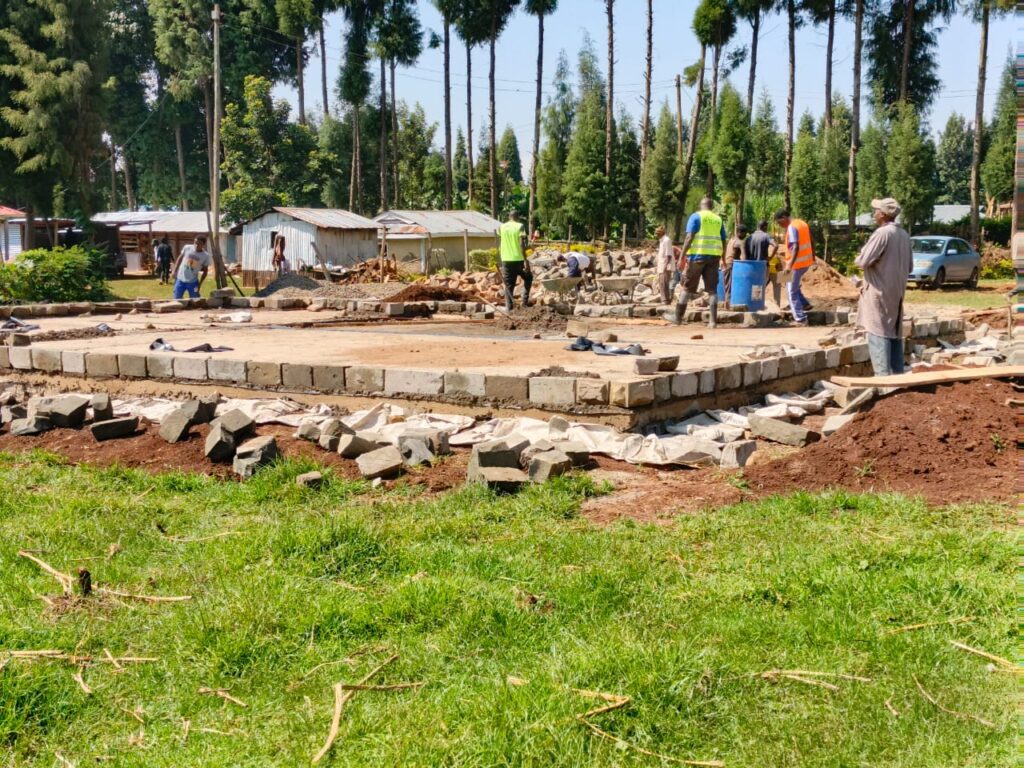
Using locally produced and alternative materials is a proven way to reduce construction costs while maintaining quality. Materials such as:
- Interlocking Stabilised Soil Blocks (ISSB)
- Compressed Stabilised Soil Blocks (CSSBs)
- Soil Stabilised Blocks (SSBs),
- Interlocking bricks
Are strong, durable, and more affordable than imported options. They also reduce construction time and labour requirements since their standard sizes simplify wall assembly. By choosing these materials, homeowners can implement budget-friendly home construction strategies in Kenya without compromising structural integrity.
Modern solutions — EPS and precast panels
Modern prefabricated materials like Expanded Polystyrene (EPS) panels and precast concrete elements are designed to reduce both time and cost during construction. These materials are manufactured in controlled environments, ensuring consistent quality, minimal waste, and faster installation compared to traditional brick-and-mortar construction. Investing in such modern solutions aligns with cost-saving house building tips in Kenya without compromising quality, especially for homeowners aiming for efficiency and durability.
Sustainable and emerging options (fungi‑based panels)
Emerging sustainable materials, including fungi-based panels, bamboo composites, and recycled plastics, are increasingly being used for eco-friendly and cost-efficient construction. These materials are lightweight yet strong, reducing structural demands and lowering both labour and material costs. Using sustainable alternatives not only contributes to a lower carbon footprint but also aligns with long-term cost-saving strategies for home construction in Kenya.
Roof choices: affordable but durable options
Roofing is a major component of construction costs, but selecting the right material can achieve durability without overspending. Affordable yet long-lasting options include corrugated iron sheets, clay tiles, and fiber cement sheets, all of which offer good resistance to weather conditions. Making informed roofing choices ensures that your home remains structurally safe and cost-effective, supporting overall budget-friendly home building strategies in Kenya.
How to Source Materials and Save
Compare multiple suppliers for best pricing
One of the most effective ways to reduce construction costs is to compare multiple suppliers before purchasing materials. Prices for cement, steel, timber, and finishing products can vary widely between stores, so taking the time to request quotes and check stock availability ensures you get the best value. Comparing suppliers also allows you to identify consistent quality and avoid buying substandard materials that could compromise your home’s durability.
Buy in bulk and negotiate discounts
Purchasing materials in bulk often comes with significant cost savings. Suppliers are generally willing to offer discounts for large orders, which can reduce the overall budget for bricks, cement, roofing sheets, and paints. Negotiating payment terms, delivery schedules, or bundled packages can further optimise your costs. This strategy aligns perfectly with budget-friendly home construction strategies in Kenya.
Reuse, recycle, and choose second‑hand quality items
Reusing materials from previous projects or opting for second-hand but quality items can save a considerable amount of money. For example, doors, windows, and plumbing fixtures that are still in good condition can be repurposed. Recycling waste materials like timber offcuts or bricks during construction also reduces material costs and contributes to a more sustainable building process.
Labour and Contractor Strategies
Hire reputable contractors vs. labour‑only approach
Deciding between hiring a reputable contractor or managing a labour-only team depends on your project size and experience. Contractors often offer full project management, saving you time and reducing mistakes, while a labour-only approach may save money but requires close supervision. Hiring experienced professionals ensures work quality, reduces delays, and ultimately saves costs associated with rework.
Supervision, staging, and milestone payments
Actively supervising construction work and breaking it into stages with milestone payments helps control costs and ensures accountability. Paying workers or suppliers only after completing each stage reduces the risk of poor-quality work and encourages efficiency. Clear staging also allows you to monitor resource usage, preventing unnecessary waste and keeping the project within budget.
Avoid unskilled labour to reduce mistakes and rework
Using unskilled labour may seem like a cost-saving approach, but mistakes can lead to expensive rework and construction delays. Skilled labour ensures proper installation of structural elements, plumbing, and electrical systems, safeguarding the house’s long-term quality. Investing in quality workmanship upfront is a key principle in cost-saving house building strategies in Kenya.

H2: Construction Techniques That Cut Costs
Use modern building technologies to reduce waste and time
Adopting modern construction technologies like ISSB blocks, EPS panels, and precast elements can dramatically reduce both material waste and build time. Prefabricated systems provide consistent quality, require less labour, and minimise errors compared to traditional methods. These technologies support budget-friendly construction without compromising structural integrity.
Efficient foundations, slabs, and walling methods
The choice of foundation, slab, and walling methods directly affects your construction costs. Efficient foundations like raft or strip foundations can save on concrete and labour without reducing strength. Similarly, using reinforced slabs and standardised walling materials helps reduce wastage and ensures durability. Careful selection of these elements is crucial for long-term cost-saving house building in Kenya.
Timing — avoid rainy season to reduce delays and damage
Planning construction during the dry season can save money by reducing delays and avoiding material damage. Heavy rains can erode foundations, delay work, and increase labour costs. By scheduling critical tasks such as foundation laying, walling, and roofing during optimal weather, you ensure smoother progress and lower overall building expenses.
Avoiding Costly Mistakes
Don’t change plans mid‑construction
Changing your house plans mid-construction is one of the fastest ways to inflate costs. Every modification can lead to material wastage, rework, additional labour, and project delays. By finalising your design, layout, and material choices before breaking ground, you protect your budget and ensure your cost-saving house building plan in Kenya stays on track.
Avoid suspiciously cheap materials — verify quality
While it may be tempting to buy extremely cheap building materials, this often compromises quality and durability. Inferior cement, steel, or roofing sheets can lead to structural failures or costly repairs. Always verify the quality and certification of your materials before purchase to maintain both safety and long-term cost savings.
Don’t skip permits, safety standards, or professional checks
Skipping building permits, safety inspections, or professional oversight may seem like a shortcut, but it often results in fines, project halts, or structural issues. Ensuring compliance with local regulations, safety standards, and professional recommendations protects your investment and helps your house building project in Kenya remain cost-effective and legal.

Long‑Term Cost Savings
Energy‑efficient design saves utility costs
Incorporating energy-efficient design elements, such as proper insulation, passive ventilation, solar panels, and LED lighting, reduces long-term utility expenses. Although these features may slightly increase upfront costs, they contribute to substantial savings over time and improve the overall sustainability of your home. Integrating energy-efficient solutions is a key aspect of cost-saving house building tips in Kenya.
Maintenance planning to avoid future high expenses
Planning for maintenance during construction can prevent expensive repairs in the future. Use durable materials for flooring, roofing, and plumbing, and implement easy-to-clean finishes and protective coatings where possible. Proactive maintenance planning ensures your home remains affordable to manage long-term, even as it ages.
Future expansion considerations (phased upgrades)
Building with future expansion in mind allows you to spread costs over time without compromising your current budget. For example, you might complete essential structural components first and add extra rooms, finishes, or landscaping later. Phased upgrades are a smart strategy for budget-conscious homeowners who want a quality home without overspending upfront.
Conclusion
Building a house in Kenya without overspending requires careful planning, smart material choices, and efficient construction techniques. By following cost-saving house building tips in Kenya, such as using simple floor plans, sourcing materials strategically, hiring skilled labour, and leveraging modern construction technologies like ISSB or EPS panels, homeowners can balance budget efficiency with enduring quality. Incorporating energy-efficient design, planning for maintenance, and considering phased upgrades further ensures that your investment remains sustainable and cost-effective over time.