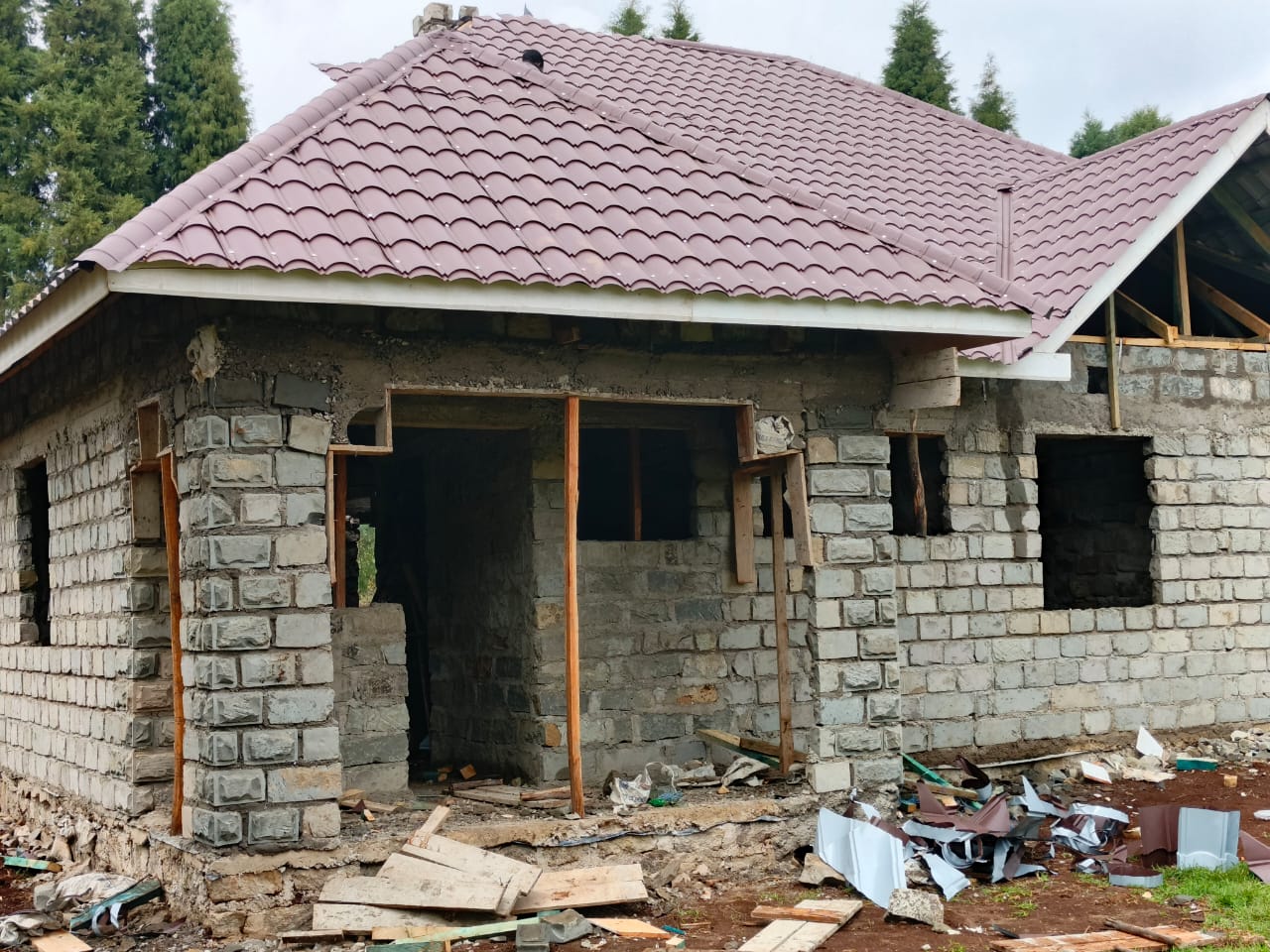
Find current electrical wiring cost in Kenya with itemised sample quotes, material price tables, labour rates (per point & per day), KPLC/permit impacts, money-saving tips, and a downloadable quote checklist to get accurate contractor bids.
Introduction
If you’re planning electrical wiring installation in Kenya, you’ll want to understand the electrical wiring cost in Kenya from materials to labour. Whether it’s house wiring prices in Kenya, domestic electrical installation or full rewiring on a budget, this guide will walk you through the major cost drivers, sample figures and how to get accurate quotes. Use this information to ensure your contractor’s quote is realistic and your budget is on track.
What influences electrical wiring cost in Kenya
Types of wiring projects: new build, full rewire, partial upgrade
Different wiring jobs carry different complexity. A new build will often allow the wiring to be concealed and run during slab or wall construction, reducing chasing and finish costs. A full rewire of an existing house may involve removal of finishes, chasing walls and more labour. A partial upgrade (for example sockets only) will cost less, but you may face hidden issues like old conduits or unsafe wiring.
Load assessment & distribution board sizing (why size affects cost)
Your home’s loading requirements determine the size of the cables, the consumer unit (distribution board) and the earthing system. For example, a 3-phase supply or large cooker circuit will push costs up compared with a small single phase house. These bigger systems require thicker cables, more protective devices and more labour.
KPLC connection class, service charge, and how connection type raises overall cost
Your wiring cost isn’t just the internal work — you also need to consider the external supply from Kenya Power and Lighting Company (KPLC) or equivalent. For new supply applications (single phase vs three phase) the connection cost, inspection fees and meter board installation can add significantly. For example, one guide shows typical single-phase connection charges around KSh 35,000 while three phase could be KSh 50,000 for supply only (excluding house wiring).
Regional price differences (Nairobi vs Mombasa vs up-country)
Labour rates, material availability and transport logistics vary across Kenya. In Nairobi or major towns you may pay a premium for electricians and materials compared to rural areas. Expect upcountry locations to have slightly lower labour but possibly higher material delivery cost and limited supplier choice.
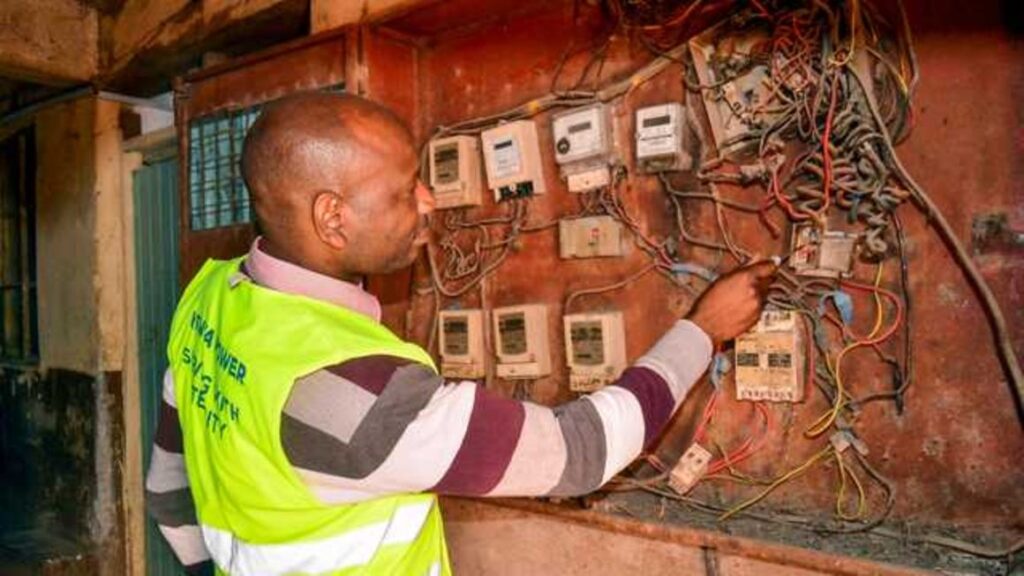
Detailed materials list with Kenyan price factors
Cable selection and sizing (1.5mm, 2.5mm, 4mm, 6mm)
Cable size is determined by load and circuit type. Common domestic sizes: 1.5mm² for lighting, 2.5mm² for socket outlets, 4mm² or 6mm² for special circuits or sub-mains. Retail data shows for example a 2.5 mm single core cable roll is listed at KSh 7,400-7,900 in Kenya. The larger the cable, the higher the cost per metre and the more labour to handle it.
Conduit, trunking, and containment (PVC vs metallic vs surface trunking)
Routing and protecting cables adds cost beyond the cable itself. Conduit, box entries, trunking and the containment system must meet safety standards. A concealed installation inside walls adds chasing which increases cost compared to surface trunking. Choosing cheaper PVC trunking may save money, but check for quality and regulatory compliance.
Distribution board components: MCBs, RCCBs, isolators, surge protectors
The consumer unit or distribution board is the control hub of your wiring. You’ll need circuit breakers (MCBs), residual-current devices (RCCBs), isolators and possibly surge protection for modern homes. Higher quality brands or multi-way boards cost more. Budgeting for a robust DB helps avoid future expansion costs.
Earthing materials and earthing pit costs (rod, copper, back-fill)
Earthing is a non-negotiable safety measure. You’ll pay for components such as copper earth rod, clamps, back-fill materials and maybe digging and reinstatement if the footing needs modification. Many quotes omit clear earthing line-items, but in Kenya this is essential for compliance with standards.
Switches, sockets, lights, fixture classes (budget vs premium vs smart)
Fixtures and face-plates come in different brands and finishes. Basic switches and sockets cost less but may look cheaper and wear out faster. Premium finishes, smart home components or designer switches add cost. Decide early the standard of finish to avoid surprises.
Communications & low-voltage cabling: TV, internet, CCTV, door intercoms
Modern homes often include CCTV, structured wiring, access control and internet cabling. These low-voltage systems require separate cable runs and sometimes dedicated conduits. If you’re planning smart home wiring, factor it in early since retro-fitting is expensive.
Labour, pricing models & contractor charges
Electrician pricing models: per point, per metre, per day, flat project fee
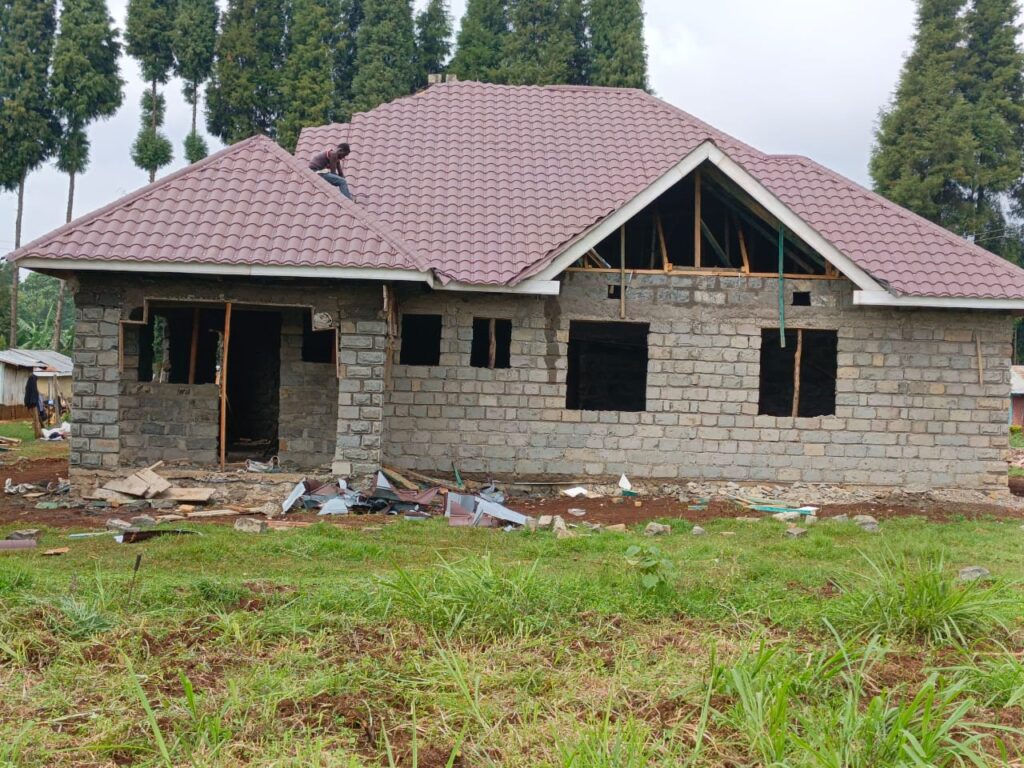
Electricians in Kenya may charge by point (lighting/sockets), by metre of cable, by day of labour or offer a flat project fee. Understanding which model your quote uses is vital. For example a quote may say “KSh X per lighting point” or “labour KSh Y per metre of conduit”. Ask for clarity to compare quotes.
How contractors build quotes: material markup, contingency, mobilisation
Contractor quotes usually include materials (with markup), labour, site mobilisation, small tools, and a contingency margin. Unpacking the quote helps you see where savings can be made (e.g., you might supply materials yourself). Transparency builds trust and helps you compare competitor quotes.
Accredited vs unregistered electricians: pricing, risks, and verification checklist
Hiring a registered electrician (licensed by the relevant Kenyan regulatory body) is more secure. Unregistered labour might look cheaper, but could lack certification, produce non-compliant wiring and cause higher eventual cost or risk. Ask for licence/registration proof and wiring certificate.
Sample itemised cost estimates (materials + labour) — clear transactional examples
Bedsitter/studio — full line-item description
For a small bedsitter or studio you might expect materials for lighting (1.5mm cable), socket circuit (2.5mm), simple DB board, earthing and minimal fittings. Labour might be fewer days. Example for illustration: wiring cost might range from KSh 50,000 to KSh 120,000 depending on quality and region.
1–2 bedroom house — description and assumptions
In a 1-2 bedroom home expect multiple socket circuits, lighting runs, possibly a separate kitchen circuit. Material quality and finishing standard raise cost. You might see wiring cost ranging from KSh 120,000 to KSh 250,000+ depending on finishes and extras. Use these figures as benchmark.
3–4 bedroom house & maisonette — standard vs premium bundle
For a larger 3–4 bedroom house, or maisonette, wiring cost grows substantially: more sockets, lighting zones, separate circuits (ACs, water heater), possibly inverter or solar ready wiring. Premium finishes or smart home integration further increase cost. Estimate KSh 250,000 to KSh 500,000+ depending on scope and region.
Speciality wiring & integrations
Solar/inverter & battery integration wiring — extra components & earthing
If you plan to include solar/inverter or backup systems, wiring cost rises. You’ll need heavier gauge cables, battery charger circuits, isolation switching, possibly separate earthing. These extras often cost 10-30% above standard wiring. Planning early ensures proper routing and avoids rewiring later.
Smart home wiring, home automation & structured cabling (Cat6, HDMI runs)
Smart homes demand structured cabling, dedicated conduits, extra outlets, and intelligent devices. Running Cat6, HDMI, smart lighting and automation increases cost but adds future-proofing value. For buyers who intend smart upgrades, including these from day one is cheaper than retro-fitting.
External works: gate motors, outdoor lighting, street lighting, borehole wiring
Outdoor installations often are overlooked in basic quotes yet add costs. Think gate automation, security lighting, landscape lighting, borehole wiring. These installations may require weather-proof cables, separate distribution, longer runs and specialised fixtures — factor this in.

Testing, certification & compliance (safety + legal)
Electrical testing procedures (continuity, insulation resistance, earth loop) and typical testing cost
Post-installation testing is mandatory for safe operation. Procedures include continuity checks, insulation resistance testing, earth loop impedance tests. Some electricians include testing in their quote; others list it separately. Always ensure test documentation is provided to avoid hidden cost later.
Certificates, KPLC inspection, handing over documentation, and warranty terms
After installation you’ll need a wiring certificate, possibly inspection by KPLC before connection, and clear documentation (as-installed drawing, test results). Also check the warranty offered by the installer. Without this compliance you may face connection delays or safety issues.
How homeowners get accurate quotes — step-by-step
What to include in a scope of work (downloadable checklist/sample brief)
Your scope of work should list circuit numbers, cable sizes, board details, fixture brands, conduit/trunking type, earthing method and testing requirements. Providing this to multiple contractors ensures comparable quotes. Consider asking for a downloadable version of a sample brief and itemised quote to attach.
How to compare quotes: normalisation table and red flags to watch for
When comparing quotes, transform them to common units (e.g., cost per point or cost per metre) and ensure all materials are specified. Red flags include vague descriptions (e.g., “materials and labour”), high-contingency line items, or missing testing/certification costs. Ask clarifying questions.
Negotiation & procurement tips (bulk-buying, approved substitutes, phased installs)
You can save by buying some materials yourself (if you trust the supplier), ordering in bulk, choosing locally-approved substitutes and structuring the project in phases. For example you might wire sockets first and lighting later. Transparent negotiation and clear contract terms protect you.
Cost-saving strategies without compromising safety
Value-engineering: where to save and where not to (brand swaps, fixing excess lengths)
You can save money by selecting standard brand A instead of premium brand B, or by optimising cable lengths rather than over-running. But don’t compromise on core safety items like earthing, protective devices, quality cables. Value-engineering means reducing unnecessary cost, not removing safety.
Timing and bundle discounts (combine with plumbing/finishes)
If wiring is coordinated with other finishes (plumbing, tiling, ceilings) it reduces re-work and chasing. Combining work and buying materials in bundles may attract supplier or contractor discounts. Timing matters: delaying wiring often increases cost because of finish damage and remedial work.
When to DIY vs hire pro (simple tasks vs high-risk tasks)
Some minor tasks may be safe for handyman work (e.g., changing switches), but full rewiring or new circuits should always engage a qualified electrician. DIY might seem cheaper but could lead to non-compliance, unsafe wiring and higher bills long-term.
Post-installation maintenance & expected life-cycle costs
Routine inspection schedule & minor maintenance costs per year
Even after installation you must plan for maintenance. Annual or bi-annual inspections, checking earthing resistance, visual checks, replacing old sockets or switches—all cost money but keep the system safe. Budget a small allowance each year (e.g., 1-2% of initial wiring cost) to prevent issues.
Common failure points and expected repair costs (MCB trips, earthing repairs, socket failures)
Over time, sockets can loosen, protective devices may degrade, earthing connections may corrode. These lead to faults or safety hazards. Spotting and repairing early is much cheaper than full rewiring. For example earthing repairs or socket replacements may cost a few thousand KSh now rather than full rework later.
Conclusion
When you’re planning electrical wiring for your home, always keep the electrical wiring cost in Kenya at the front of your mind. From understanding cable sizing and labour models to specialist integrations like solar ready wiring and smart home systems, a clear budget and well-written scope of work mean you avoid surprises. Use the long-tail keywords like “house wiring prices Kenya”, “cost to wire a 3-bedroom house Kenya” and “domestic electrical installation Kenya cost” to guide your research. Get at least three detailed quotes using a checklist, compare them side-by-side, and hire a qualified professional for compliance and safety. That way you get value, safety and peace of mind.