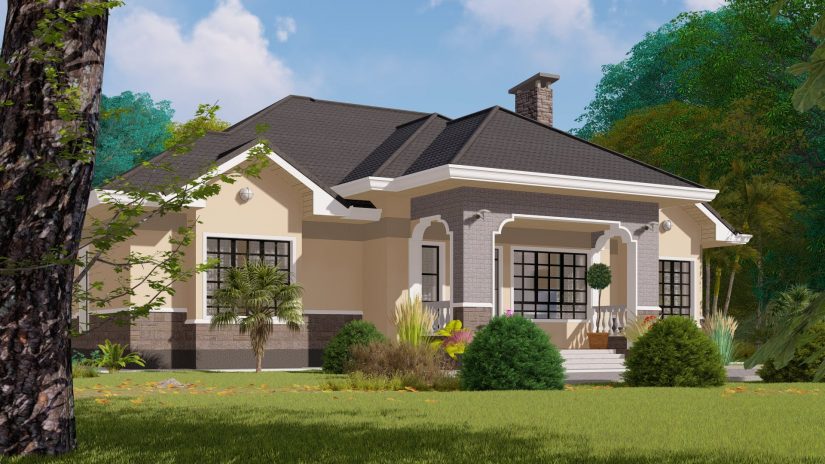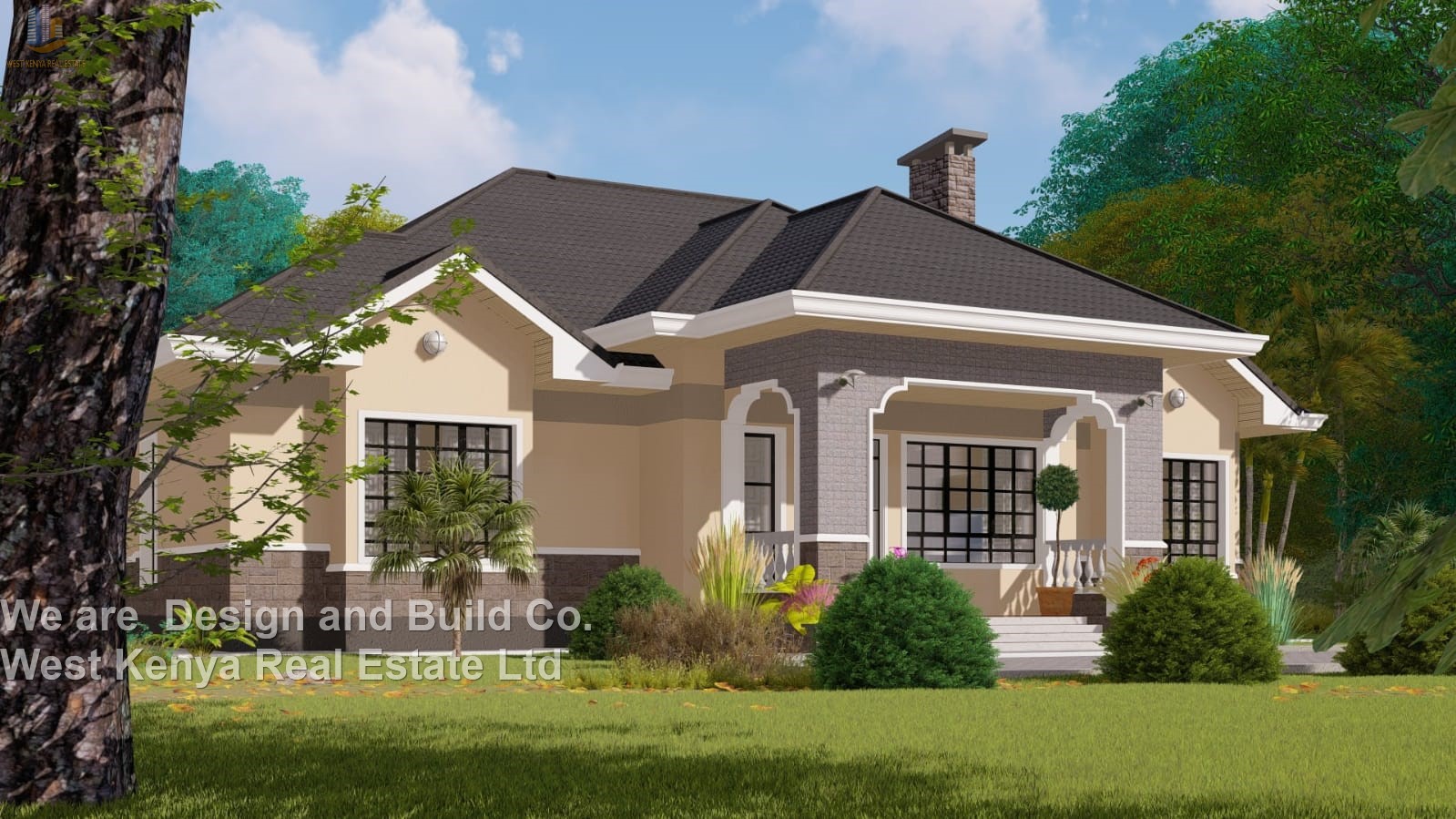
Farm House Designs in Kenya: Rustic, Modern and Timeless Choices — Explore costs, photos, and modern architecture ideas in Kenya.
Introduction
Farm House Designs in Kenya
Farm House Designs in Kenya have grown in popularity among homeowners seeking spacious, comfortable homes that blend rustic charm with modern convenience. Many Kenyans are drawn to farmhouses because they allow ownership of larger plots in rural and peri‑urban areas, enjoy outdoor living, and design homes that adapt to their family’s evolving lifestyle.
This article explores farmhouse styles in Kenya, including rustic, modern, and hybrid designs. It also provides guidance on costs, layouts, climate‑suitable materials, and practical planning tips to help you build your dream farmhouse.
What is a “Farm House” — Style, Context & Why It Matters in Kenya
Definition & origins — what “farmhouse style” generally means
A farmhouse is traditionally a residence built on agricultural land, designed to support both living and farm activities. Historically, farmhouses were simple structures with pitched roofs, timber finishes, and functional layouts that facilitated farming work. Over time, farmhouse design has evolved to include modern features such as open-plan interiors, large windows for natural light, and a combination of contemporary and natural materials, creating a home that is both practical and aesthetically pleasing.
Relevance to Kenya — rural and peri‑urban land availability, affordability vs urban houses, and lifestyle benefits
Farmhouses are particularly relevant in Kenya because rural and peri‑urban plots are generally more affordable than urban land, allowing homeowners to build larger, more comfortable homes without excessive cost. These homes provide space for gardens, livestock, and outdoor leisure activities. Many families prefer farmhouses to enjoy privacy, flexibility in design, and the ability to create a self-sufficient lifestyle while remaining within reach of city amenities.
Farmhouse vs “standard rural bungalow” — how farmhouse design differs from basic rural homes
Unlike a standard rural bungalow, a farmhouse emphasises both functional living and aesthetic appeal. Key differences include:
- Verandas and porches for outdoor relaxation and family gatherings
- Larger plots accommodating gardens, livestock, or small farms
- Flexible layouts that allow for future expansion or additions
- Use of local and sustainable materials for durability and cost-effectiveness
Farmhouses are designed to grow with a family’s needs, offering more versatility and aesthetic charm than a typical rural bungalow.
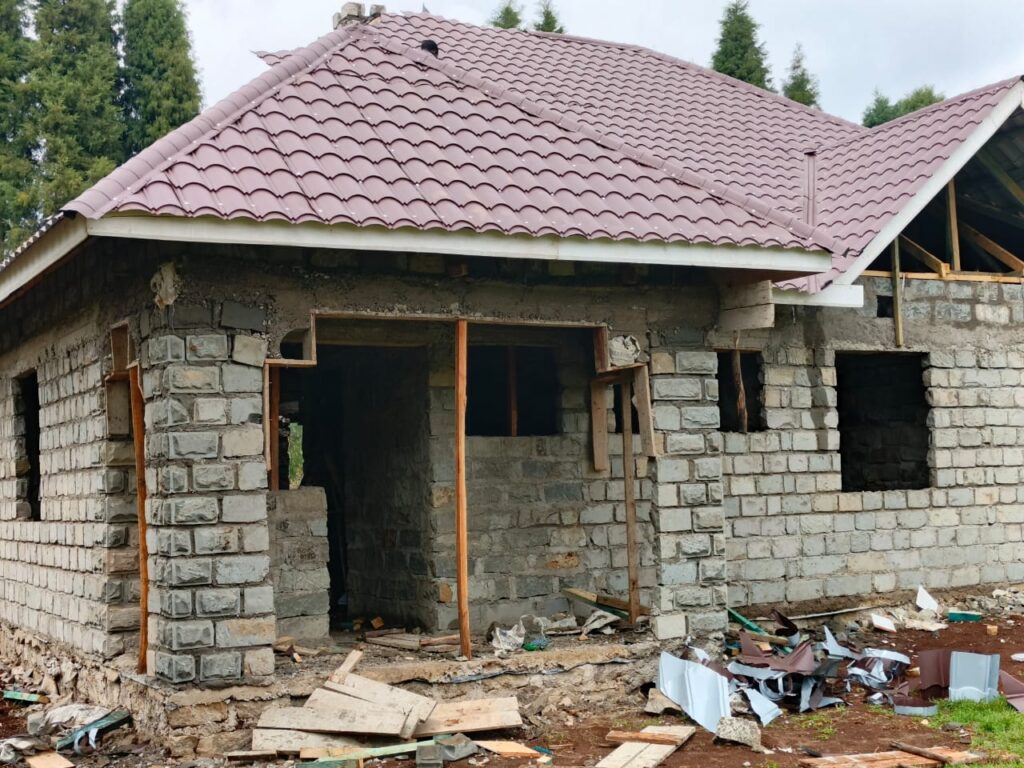
Key House‑Design Types in Kenya: From Simple Bungalows to Country Houses
Simple rural/cheap‑house designs (blocks, mabati, interlocking bricks) — cost‑effective for modest budgets
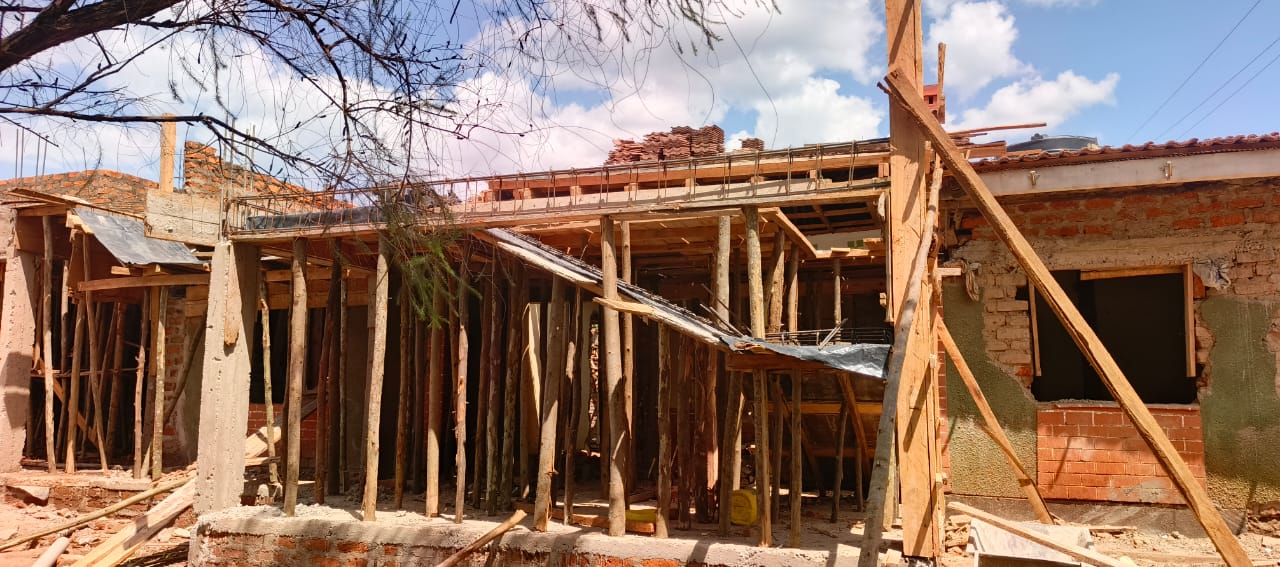
Simple rural or cheap-house designs in Kenya are ideal for homeowners with limited budgets. These homes often use affordable materials such as cement blocks, mabati roofing sheets, and interlocking soil‑press bricks. Despite being low-cost, these houses can be functional, durable, and comfortable for small families. Many Kenyans prefer this approach because it allows phased building or future expansion without high initial investment.
Traditional/traditional‑style rural homes (pitched roofs, local materials) — more classic rural feel
Traditional rural homes in Kenya often feature pitched roofs, timber or stone walls, and verandas that reflect a rustic, countryside lifestyle. These designs focus on harmony with the natural environment and are well-suited for rural plots where aesthetic appeal and practicality are both important. They are typically more spacious than simple bungalows, offering room for outdoor living, small gardens, and family activities.
Modern house designs adapted for Kenya — contemporary farmhouses with modern touches
Modern farmhouse designs in Kenya integrate contemporary architecture with traditional farmhouse elements. These homes often feature clean lines, open-plan interiors, large windows for natural light, and modern materials like concrete and glass. The blend of modernity and farmhouse charm allows for stylish, functional homes that suit peri-urban or countryside plots while maintaining affordability.
Country-house / “country-style” / higher-end farmhouses & maisonettes — for larger plots or higher budgets
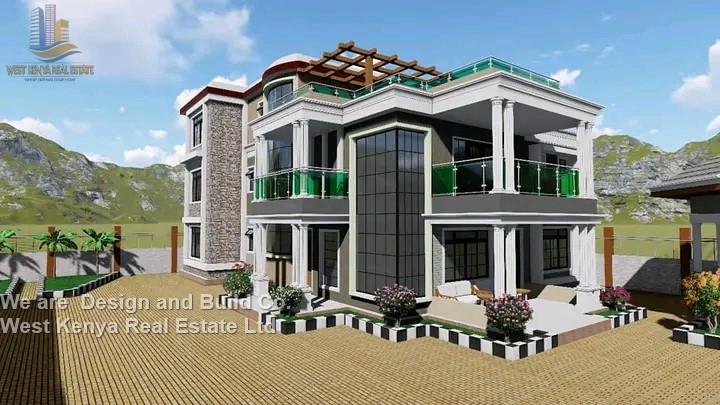
Country-house or high-end farmhouses are designed for larger plots and homeowners with higher budgets. These homes may include multiple bedrooms, expansive living spaces, modern kitchens, and sometimes a separate domestic staff quarter (DSQ). They often combine rustic charm with modern amenities, offering a luxurious rural lifestyle that can also serve as a long-term investment or rental property.
Distinguishing Farmhouse Styles: Rustic, Modern & Hybrid (Timeless)
Rustic / Traditional Farmhouse — natural materials, pitched roofs, verandas, simple layout, connection to land
Rustic or traditional farmhouses in Kenya are characterized by the use of natural materials such as stone, timber, clay, and mabati roofing sheets. These homes often feature pitched roofs, spacious verandas, and simple layouts that prioritise connection to the surrounding land. This style appeals to homeowners who value authenticity, durability, and the classic countryside lifestyle while keeping construction costs moderate.
Modern Farmhouse — clean lines, open-plan interiors, large windows, contemporary finishes
Modern farmhouses in Kenya emphasize clean architectural lines, open-plan interiors, and expansive windows that maximise natural light. Materials such as concrete, steel, and glass are often used, giving these homes a contemporary look while still reflecting the farmhouse aesthetic. This style suits homeowners who want a balance between rural charm and modern comfort, especially in peri-urban or semi-rural settings.
Hybrid / Timeless Farmhouse — mix of rustic charm & modern conveniences, energy-efficient design
Hybrid or timeless farmhouses combine the rustic charm of traditional designs with modern amenities and energy-efficient features. For example, these homes may retain pitched roofs and verandas but incorporate solar panels, rainwater harvesting, and modern interior finishes. This style offers versatility, allowing homeowners to enjoy both aesthetic appeal and functional modern living in a single property.

Materials & Construction Methods for Farmhouses in Kenya
Locally available materials (mabati, interlocking soil blocks, cement blocks, stone, timber) — pros/cons
In Kenya, locally available materials such as mabati sheets, interlocking soil blocks, cement blocks, stone, and timber are popular choices for farmhouse construction. Mabati is lightweight, affordable, and easy to install but may require regular maintenance in high‑humidity areas. Interlocking soil blocks are eco-friendly and cost-effective, reducing the need for cement while providing good insulation. Cement blocks are durable and versatile, making them suitable for modern and rustic designs alike. Stone and timber offer natural aesthetics and durability but can increase construction costs. Choosing the right material depends on your budget, climate, and desired farmhouse style.
Prefab kits / modular / low‑cost kits — affordable, quick build, but trade‑offs (comfort, insulation)
Prefab kits or modular homes are increasingly used in Kenya for their affordability and speed of construction. These kits allow homeowners to assemble homes quickly without extensive on-site labor. While convenient, they can have trade-offs such as reduced insulation, limited customisation, and sometimes lower durability compared to traditional materials. Prefab designs are ideal for small plots or homeowners seeking a faster build with controlled costs.
Foundations, ventilation & climate considerations (soil type, rainfall, temperature, ventilation)
Proper foundations, ventilation, and climate considerations are crucial for building farmhouses in Kenya. Soil type determines foundation depth and stability, while rainfall and temperature influence roof design and material choice. Good ventilation is essential to keep interiors cool in hot climates and prevent dampness in humid areas. Planning these elements ensures durability, comfort, and energy efficiency, especially for homes in rural and peri-urban areas.
Phased building / expandable design — start small (1–2 bedroom), expand later as budget permits
Phased building allows homeowners to start with a small 1–2 bedroom farmhouse and expand later as budget or family needs grow. This approach is common in Kenya, where homeowners often begin with a modest structure and gradually add rooms, verandas, or DSQs (domestic staff quarters). Expandable designs maximize land use, reduce initial costs, and provide flexibility for long-term planning.
Typical Layouts & Designs for Kenyan Farmhouses
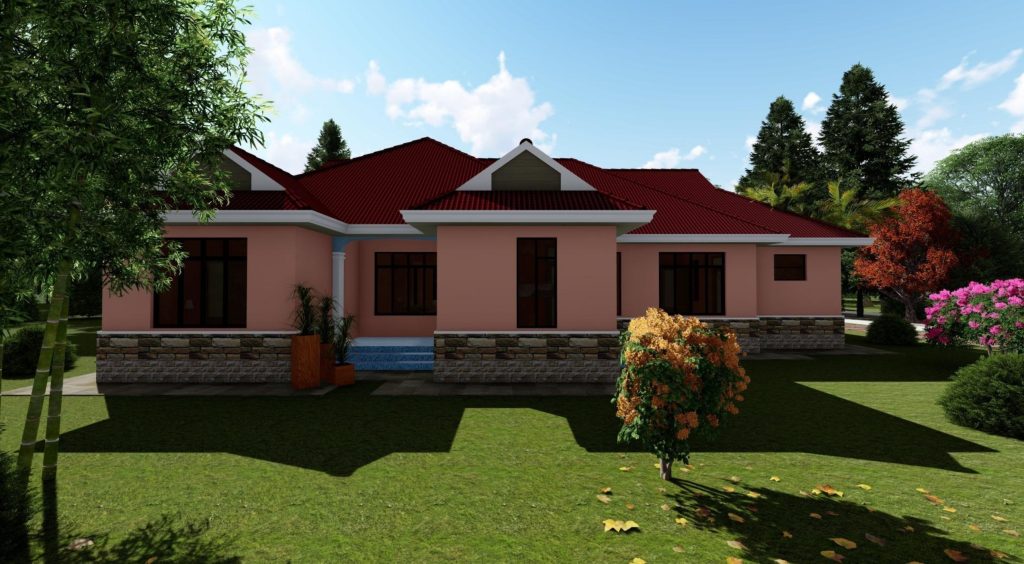
Single‑storey bungalow / compact farmhouse — for small families or retirees; efficient layout, veranda/porch, minimal footprint
Single-storey bungalows or compact farmhouses are ideal for small families or retirees in Kenya. These homes often feature efficient layouts with 1–2 bedrooms, a living area, a kitchen, and a veranda or porch for outdoor relaxation. Their minimal footprint reduces construction costs and maintenance while still providing functional living spaces and connection to the surrounding land.
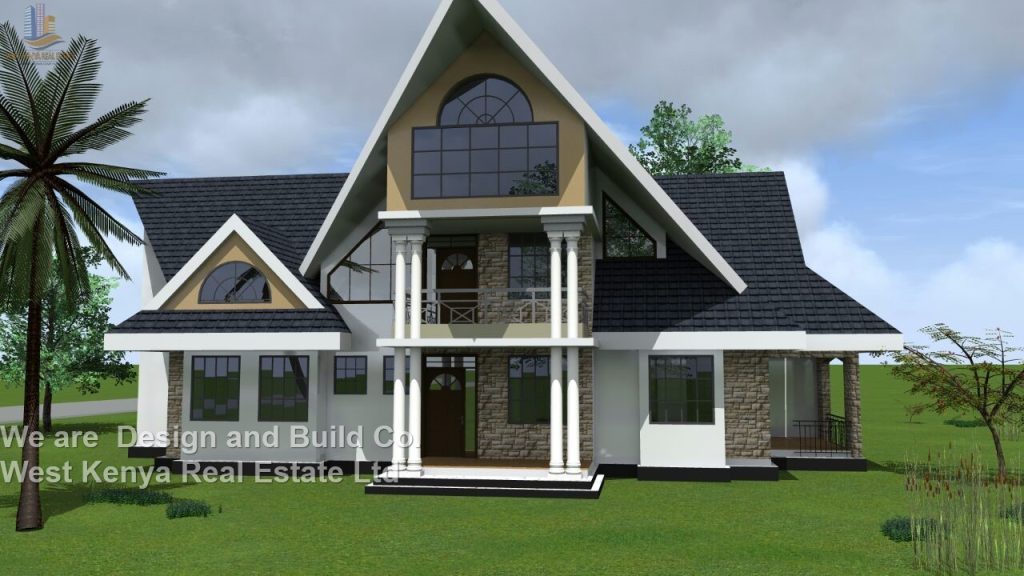
Two‑storey maisonette / country‑house farmhouse — more bedrooms, possible DSQ (domestic/servant quarters), flexibility for larger or growing families
Two-storey maisonettes or country-house farmhouses offer more space and flexibility for larger or growing families. They typically include multiple bedrooms, living spaces, and sometimes a DSQ (domestic/servant quarters). This design allows for separation of public and private areas, better utilisation of larger plots, and room for future expansions such as additional rooms, extended verandas, or storage spaces.
Expandable / modular farmhouse — start small but leave room/plan for future expansion (e.g., more bedrooms, extended veranda, DSQ)
Expandable or modular farmhouses are designed with flexibility in mind. Homeowners can begin with a small core structure and add bedrooms, living spaces, or verandas as needed. This approach suits families planning for future growth or investors who wish to start small and gradually improve their property. Proper planning ensures that extensions match the original design and maintain structural integrity.
Incorporating modern amenities — open-plan living, large windows, good ventilation, kitchen design, possible solar or water-harvesting for rural self-sufficiency
Modern amenities enhance farmhouse comfort and sustainability. Open-plan living areas create a spacious feel and allow natural light to flow throughout the home. Large windows and proper ventilation improve airflow and interior comfort, while modern kitchens increase usability. In rural Kenyan farmhouses, features like solar panels or rainwater harvesting systems support energy efficiency and self-sufficiency. Incorporating these elements adds long-term value and modern functionality to traditional farmhouse designs.
Costs & Budgeting: What It Takes to Build a Farm House in Kenya (2024–2025)
Cost breakdown by project type: basic rural home, mid-range farmhouse, higher‑end country house / modern farmhouse
Building a farmhouse in Kenya varies greatly depending on the project type. A basic rural home, often using low-cost materials like blocks and mabati, can cost between KSh 1.2 – 2 million for a 1–2 bedroom structure. Mid-range farmhouses with more durable materials, modern touches, and expanded layouts may cost KSh 4 – 8 million. Higher-end country houses or modern farmhouses with multiple bedrooms, luxury finishes, and DSQs can exceed KSh 10 million. Costs also vary depending on location, plot size, and material availability.
Estimated cost per square metre vs final build cost depending on materials and finishing level
The cost per square metre is a useful guide but can differ from the final build cost due to material choice and finishing levels. For example, using local materials and simple finishes can reduce the cost to KSh 25,000–30,000 per m², while premium finishes like timber, stone, or imported fittings may increase costs to KSh 50,000–70,000 per m². Homeowners should budget for variations in labor, transportation, and finishing materials to avoid unexpected expenses.
Hidden costs: transport (especially to rural areas), soil tests, permits, finishing, infrastructure (water, electricity), maintenance
Many farmhouse projects incur hidden costs that can significantly affect the total budget. Transporting materials to rural plots, conducting soil tests, and obtaining building permits are often overlooked. Infrastructure such as water and electricity connections can also add thousands of shillings. Maintenance costs, especially for less-durable materials, must be considered to ensure long-term sustainability and comfort.
Cost‑saving strategies: use local materials, prefabs, phased building, simple layouts, energy‑efficient features
Homeowners can reduce costs by using local materials like stone, timber, or interlocking soil blocks, which are cheaper than imported alternatives. Prefabricated or modular kits can also lower labor and construction time. Phased building allows starting small and expanding later, while simple layouts reduce material needs. Incorporating energy-efficient features such as solar panels, proper insulation, and rainwater harvesting can save long-term utility costs.
Advantages & Challenges of Farm House Living in Kenya
Advantages — space, flexibility/expandability, connection with nature/land, affordability (depending on materials), potential for self‑sufficiency
Farmhouse living in Kenya offers numerous benefits. Large plots provide space for gardens, livestock, and outdoor activities. Homes can be designed to expand over time as family needs grow. Many homeowners enjoy a strong connection to nature and the land, creating a peaceful lifestyle away from city congestion. Depending on material choices, farmhouses can be more affordable than urban homes. Features such as rainwater harvesting, solar panels, and vegetable gardens increase self-sufficiency and reduce living costs.
Challenges — need for larger plot, maintenance (especially with less‑durable materials), access to water/roads/infrastructure, cost fluctuation, risk if build poorly
Farmhouse living also presents challenges. Larger plots are required, which may be costly or distant from urban centers. Maintenance is essential, particularly when using materials like mabati or timber that may degrade over time. Access to water, roads, and electricity can be limited in rural areas. Costs of materials and labor fluctuate, potentially increasing budgets unexpectedly. Poorly designed or constructed homes can also reduce comfort, durability, and resale value, making careful planning critical.
How to Choose the Right Farmhouse Style and Design for Your Needs
Matching design to plot size and location (rural, peri‑urban, countryside)
Selecting the right farmhouse style starts with understanding your plot size and location. Rural plots often allow for larger homes with gardens, livestock areas, and open verandas, while peri‑urban plots may require more compact, multi-storey layouts to maximise space. Countryside locations provide opportunities for scenic views and outdoor living but may require consideration of access roads, water, and electricity connections. Matching design to location ensures both functionality and comfort.
Matching design to budget and long‑term plan (starter home vs future expansion vs investment)
Your budget and long-term goals significantly influence farmhouse design. Starter homes may focus on affordability with basic finishes, allowing room for future expansion. Mid-range and higher-end farmhouses should consider resale value, investment potential, or family growth. Planning ahead ensures that the home can be expanded or upgraded over time without compromising the original structure or aesthetics.
Considering climate, materials availability, and maintenance needs
Climate and material availability are crucial when designing a farmhouse. For example, areas with heavy rainfall require durable roofing and proper drainage, while hot regions benefit from well-ventilated layouts and heat-resistant materials. Locally available materials like stone, timber, and interlocking blocks reduce costs and support easy maintenance. Factoring in these considerations ensures comfort, durability, and cost efficiency.
When to hire professionals: architects, engineers, local builders vs self‑build/kit houses, especially for quality & safety
Hiring professionals such as architects and engineers ensures that your farmhouse meets structural, safety, and design standards. Local builders can handle standard layouts and renovations, while self-build or kit houses may be suitable for small, cost-effective projects. Professional guidance is especially important for multi-storey homes, hybrid designs, or plots with challenging terrain to avoid construction errors and long-term issues.
Where to Get Farmhouse/House Plans in Kenya — Ready, Custom & Affordable Options
Downloadable/ready‑made plans from local design marketplaces — pros and cons (ease, speed, limits)
Ready-made or downloadable farmhouse plans are widely available from Kenyan design marketplaces. These plans are convenient, fast to obtain, and often more affordable than custom designs. However, they may have limitations regarding plot size, local regulations, or customisation options. They are best suited for standard layouts on typical plots, especially when speed and cost savings are priorities.
Custom design through local architects / construction firms — for tailored layouts, plot‑specific adjustments, structural safety
Custom farmhouse designs allow homeowners to tailor layouts to their plot, lifestyle, and preferences. Local architects and construction firms can optimise room placement, structural integrity, and energy efficiency while ensuring compliance with building codes. Many country-house plan providers in Kenya collaborate with these professionals, offering fully personalised designs that maximise comfort, durability, and long-term value.
What to check before buying a plan — soil type, plot size, water & access, ventilation/climate suitability, potential expansion
Before purchasing any farmhouse plan, it is essential to evaluate site-specific factors. Check the soil type for foundation stability, plot size for layout feasibility, and water and road access for convenience. Ensure the plan accommodates ventilation and climate conditions suitable for your location. Additionally, consider future expansion options to prevent costly redesigns or structural issues later.
Sample Farmhouse Plan Ideas & Inspiration (Rustic → Modern → Hybrid)
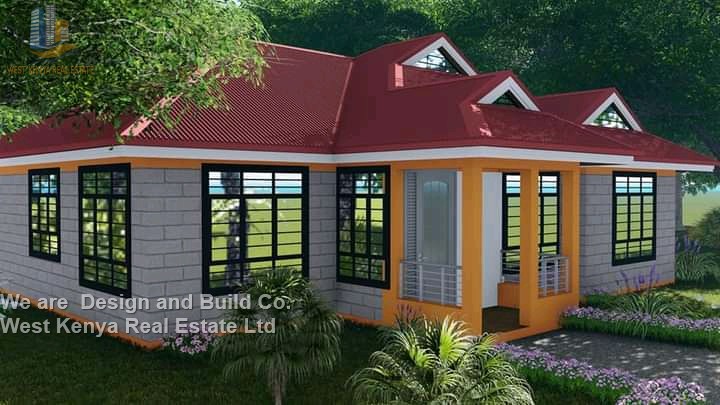
Rustic‑style rural farmhouse (basic materials, veranda, pitched roof) — ideal for low/mid budgets
Rustic farmhouses in Kenya typically use basic materials such as timber, stone, clay, or mabati sheets. They feature pitched roofs, verandas, and simple layouts that connect the home to the surrounding land. This style is ideal for homeowners with low to mid budgets who want a functional, durable, and aesthetically appealing rural home. Rustic designs often allow for easy expansion as family needs grow.
Modern‑style farmhouse (open-plan, contemporary materials, minimal footprint) — for urban‑edge or peri‑urban plots
Modern farmhouses in Kenya combine contemporary materials such as concrete, glass, and steel with minimalist layouts. Open-plan interiors maximise natural light and space efficiency, making them suitable for urban-edge or peri-urban plots where land is limited. This design caters to homeowners seeking a stylish, functional home while maintaining elements of the farmhouse aesthetic.
Hybrid/timeless farmhouse — rustic shell but modern interior & finishing; good balance for changing budgets or tastes
Hybrid or timeless farmhouses merge rustic exteriors with modern interiors and finishing. For example, the home may retain a pitched roof and timber cladding outside but include contemporary kitchens, bathrooms, and energy-efficient features inside. This style provides flexibility for homeowners with changing budgets or evolving tastes, combining charm, functionality, and long-term value.
Example layout suggestions (1‑bed starter, 2‑bed bungalow, 3‑bed farmhouse, 3‑bed + DSQ, 4‑bed country‑house)
Kenyan farmhouses can be adapted to different family sizes and budgets. Starter homes may have 1 bedroom and a small veranda, while 2-bedroom bungalows are suitable for small families. Larger 3-bedroom farmhouses may include functional living spaces, and adding a DSQ accommodates staff or rental options. High-end 4-bedroom country houses provide luxury layouts, open-plan living areas, and ample outdoor space, balancing comfort with long-term investment potential.
Prospects for Farmhouse Builds in Kenya — Trends, Demand & Investment Potential
Growing interest in affordable countryside living, especially post‑pandemic, remote working, semi‑urban migration
The demand for farmhouses in Kenya has increased due to trends like remote working and semi-urban migration, particularly after the COVID-19 pandemic. Many families are seeking affordable countryside living with more space, privacy, and opportunities for outdoor activities. This shift has created a growing market for rural and peri-urban farmhouse builds.
Opportunity for phased building/investment — start small, expand, or rent parts later
Phased building allows homeowners to start with a small, affordable farmhouse and expand as their budget or family needs grow. Some designs also allow parts of the home, such as DSQs or additional rooms, to be rented out, providing a source of income while maintaining the property. This approach makes farmhouses a flexible investment for families and investors.
Resale/investment potential for well‑designed farmhouses, especially in peri‑urban areas
Well-designed farmhouses in peri-urban areas often have strong resale value due to growing demand for countryside properties near urban centers. Homes with modern finishes, energy-efficient features, and expandable layouts are particularly attractive to buyers. Investing in quality construction and thoughtful design ensures that the farmhouse remains a desirable asset over time.
Conclusion
Farm House Designs in Kenya offer a wide range of options, from rustic and traditional farmhouses to modern and hybrid styles. Choosing the right farmhouse depends on your budget, plot size, location, climate, and long-term plans. Costs can range from modest rural homes using basic materials to high-end country houses with modern finishes, DSQs, and energy-efficient features.
Careful planning, realistic budgeting, and thoughtful selection of materials are essential for a durable, functional, and aesthetically pleasing farmhouse. Aligning your design with lifestyle needs—whether for a starter home, a growing family, or an investment—ensures your farmhouse remains practical and valuable over time.