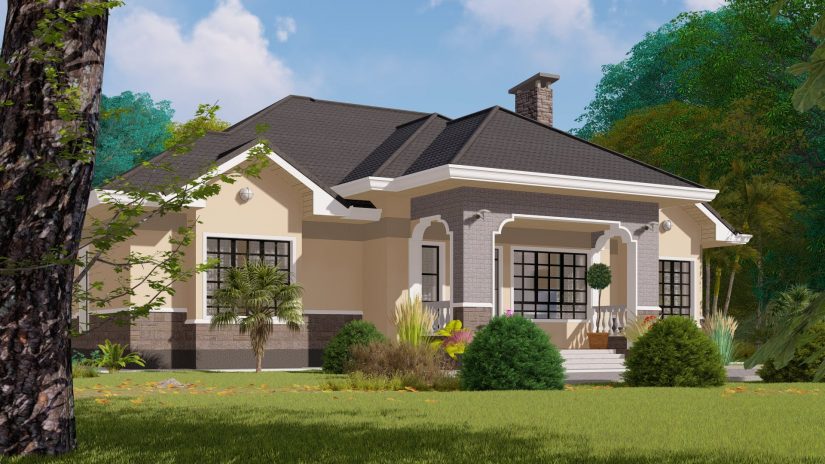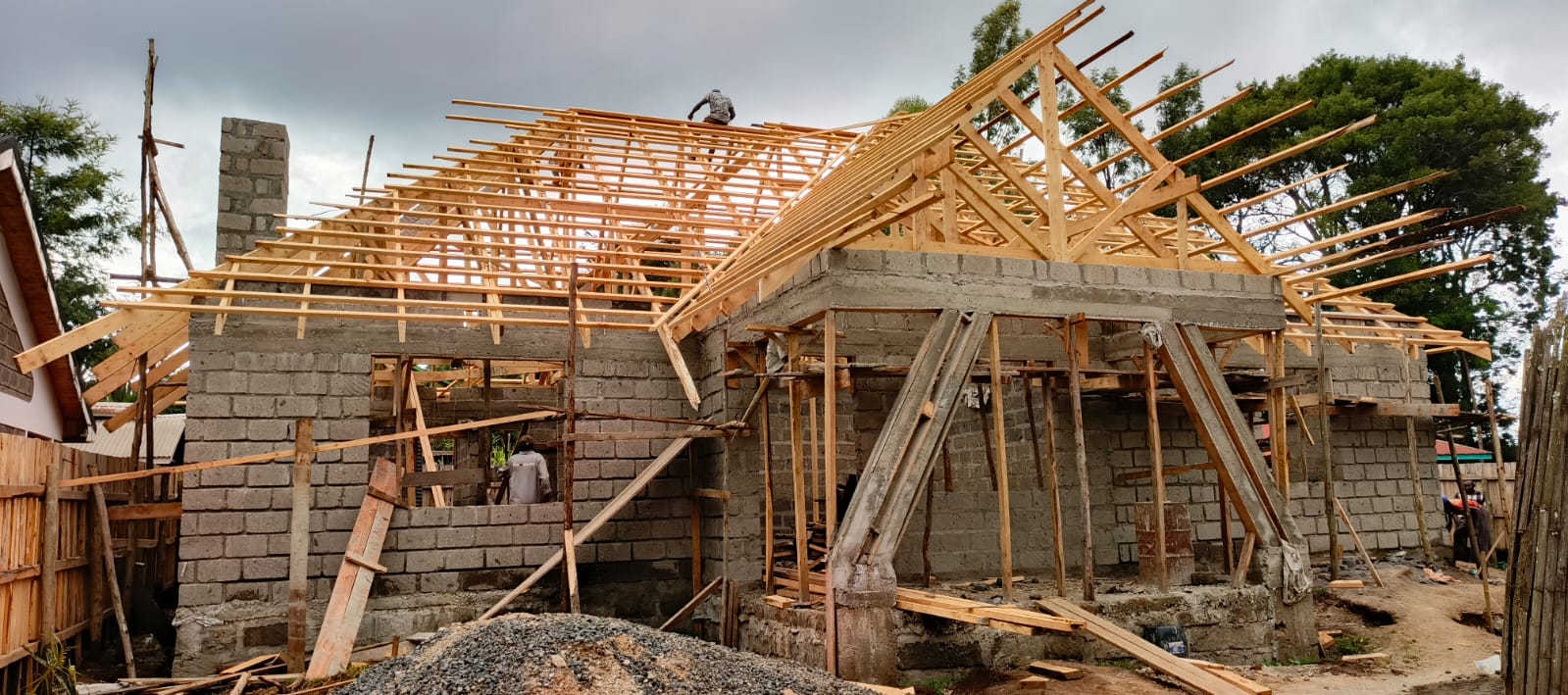
House Renovation Cost in Kenya
Discover realistic renovation prices in Kenya — from refreshes to full remodels — with benchmarks per m², room‑by‑room cost guides, regional variations, hidden expenses and cost‑saving strategies for your home remodeling in Kenya.
Introduction
Understanding the house renovation cost in Kenya is the first step toward planning a successful home project. Whether you are updating a single room or undertaking a full remodel, knowing typical costs helps you budget effectively and avoid unexpected expenses.
For homeowners in Kenya, renovation is not just about aesthetics—it also impacts property value, functionality, and long-term comfort. From structural repairs to cosmetic upgrades, being informed about renovation prices in Kenya ensures smarter decisions.
Many homeowners explore home remodeling Kenya projects, which can range from simple paint and flooring updates to major kitchen, bathroom, or living space transformations. This guide provides insights on budgeting, planning, and managing your renovation project efficiently.

What Determines Renovation Costs in Kenya
Renovation costs in Kenya can vary greatly depending on several key factors. Understanding these can help homeowners budget effectively and avoid unexpected expenses. From the location of your property to the type of materials used, each decision impacts the total cost of your project.
Region & Location (Nairobi vs Other Counties)
The location of your home is one of the biggest determinants of renovation costs in Kenya. Renovations in Nairobi and other major urban centres tend to be more expensive due to higher labour rates and material costs. In contrast, counties outside Nairobi usually offer lower costs, though sourcing certain materials may take longer.
- Urban areas: higher material and labour costs
- Rural or semi-urban areas: lower costs, but limited material availability
- Consider transport fees for imported materials
Scope of Work (Minor Refresh vs Full Remodel vs Luxury Upgrade)
The extent of your renovation plays a major role in determining the overall budget. Minor refreshes, like painting and minor repairs, are the most affordable. Full remodels, which may include structural changes and redesigns, cost significantly more. Luxury upgrades, such as high-end finishes or custom features, can exponentially increase costs.
- Minor refresh: painting, fixtures, small repairs
- Full remodel: walls, flooring, kitchen and bathroom upgrades
- Luxury upgrade: imported finishes, smart home features
Choice of Finishes & Materials (Local vs Imported)
Material selection greatly affects renovation expenses. Local materials are more affordable and easier to source, while imported options like Italian tiles or marble countertops increase costs. The durability, style, and maintenance requirements of each material also influence long-term value.
- Local materials: cost-effective, readily available
- Imported materials: premium cost, unique aesthetics
- Consider durability vs cost for long-term savings
Labour, Professional & Design Fees in Kenya
Labour charges and professional fees are essential parts of any renovation budget. Hiring skilled carpenters, masons, and electricians ensures quality work but comes at a higher price. Architectural and interior design services also add to the total cost but can save money by preventing mistakes.
- Skilled labour: higher upfront cost, better quality
- Professional fees: architects, designers, project managers
- Factor in contingency fees for unexpected delays
Hidden/Additional Costs (Permits, Structural Changes, Utility Upgrades)
Renovations often include hidden costs that homeowners overlook. Building permits, structural modifications, and utility upgrades can significantly impact your budget. Planning for these additional costs reduces surprises and ensures smoother project completion.
- Permits and approvals: city council fees, inspections
- Structural changes: beams, extensions, wall removals
- Utility upgrades: plumbing, electrical rewiring, drainage
Typical Cost Benchmarks: Per m² & Finish Levels
Understanding cost benchmarks per square metre helps Kenyan homeowners plan renovations effectively. Costs vary depending on the type of work, materials used, and the level of finish. Knowing typical ranges can help you set realistic budgets and compare quotes from contractors.
Refresh (Paint, Lighting, Flooring) – Low Cost per m²
Minor renovations like painting walls, upgrading lighting fixtures, or replacing flooring are considered low-cost refreshes. These typically have the lowest cost per square metre and can dramatically improve a home’s appearance without heavy structural work.
- Painting: walls, ceilings, trims
- Lighting: fixtures, ceiling lights, lamps
- Flooring: laminate, vinyl, or ceramic tiles
- Cost-effective way to modernise interiors
Mid‑Range Full Renovation – Examples (Materials + Labour)
Mid-range full renovations include more extensive work such as kitchen or bathroom upgrades, partial structural changes, and moderate finish improvements. Costs are higher than a simple refresh due to increased labour and material requirements.
- Flooring upgrades: tiles, hardwood, or polished concrete
- Kitchen: cabinets, countertops, appliances
- Bathrooms: fixtures, tiling, plumbing updates
- Labour: skilled masons, carpenters, electricians
High‑End/Luxury Full Renovation – What Premium Finishes Cost
Luxury renovations in Kenya involve premium materials, imported fixtures, and custom designs. These projects often include high-end kitchens, spa-like bathrooms, and designer interiors. Costs per square metre rise sharply with imported finishes and professional design fees.
- Italian or porcelain tiles
- Custom cabinetry and countertops
- Smart home integration
- Designer lighting and furniture
Regional Multiplier Effects (Different Counties/Neighbourhoods)
Renovation costs in Kenya are influenced by regional factors. Urban centres like Nairobi and Mombasa often have higher costs due to labour and transport fees, while smaller towns and rural counties may offer lower prices but fewer material options.
- Urban areas: high labour + material costs
- Rural areas: lower costs, longer delivery times
- Location-specific pricing affects project budgeting
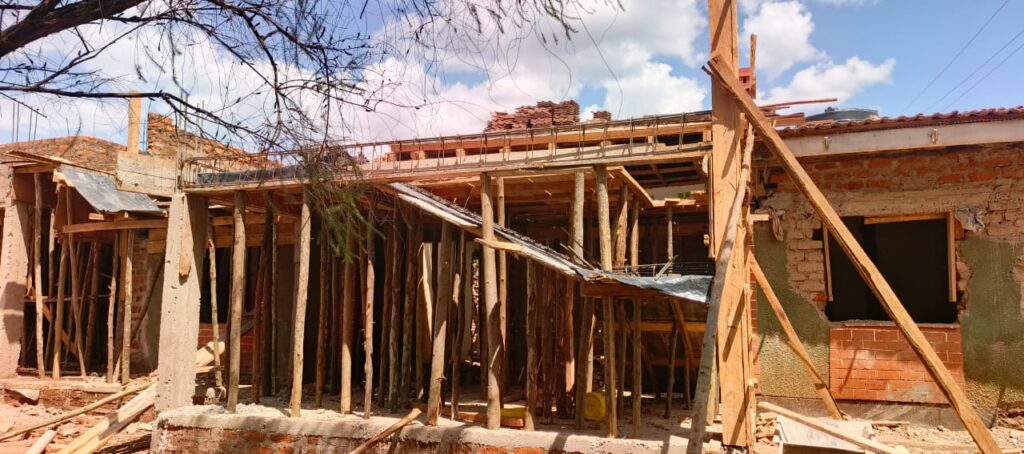
Room‑by‑Room Cost Guide for Kenyan Homes
Breaking down costs by room allows homeowners to plan budgets more accurately. Each room has specific requirements, and knowing typical cost drivers ensures realistic financial planning for your renovation project.
Kitchen Remodel – Size, Layout Changes, Sample Budgets in Kenya
Kitchen renovations are among the most expensive due to cabinets, countertops, and plumbing work. Costs depend on size, layout changes, and chosen materials. Planning for appliances and fittings also affects total expenditure.
- Cabinetry and storage solutions
- Countertops: granite, quartz, or laminate
- Layout changes: island installation, plumbing relocation
- Sample budgets: small kitchens vs large kitchens
Bathroom Renovation – Key Cost Drivers & Sample Ranges
Bathroom upgrades vary widely depending on fixtures, tiles, and plumbing work. Luxury options like rainfall showers or freestanding bathtubs increase costs, while standard renovations remain moderate.
- Tiles, sinks, toilets, showers
- Plumbing upgrades and waterproofing
- Luxury fittings vs standard fixtures
- Cost ranges for small, medium, and large bathrooms
Living Room / Bedrooms – Typical Costs and What to Expect
Renovating living rooms and bedrooms is generally less expensive than kitchens or bathrooms but still requires careful budgeting. Flooring, paint, lighting, and built-in storage are common upgrades.
- Flooring: laminated, polished, or tiled
- Painting: feature walls, ceilings, trims
- Lighting: ceiling, spotlights, ambient fixtures
- Optional built-in wardrobes or storage
External Works, Landscaping, Facade & Cabro Paving – Cost Elements
Outdoor renovations include landscaping, driveway paving, fencing, and facade improvements. Costs vary by materials, design complexity, and site size. Cabro paving and modern landscaping can boost home value significantly.
- Driveways and walkways: cabro, stone, or concrete
- Fencing: walls, iron gates, hedges
- Landscaping: lawns, plants, trees, irrigation
- Facade upgrades: paint, cladding, modern finishes
Professional Services & Design Costs in Kenya
Professional design and architectural services are an important part of any renovation in Kenya. Including these costs in your budget ensures quality outcomes and helps avoid costly mistakes. Knowing typical fee structures and how to plan for them will help you manage renovation expenses efficiently.
Design & Architecture Services Cost Locally
Architects and interior designers in Kenya charge based on the complexity of the project and the services provided. Full-service design may include floor plans, 3D renders, and project oversight. Local costs vary depending on experience, reputation, and project scale.
- Standard services: floor plans, material recommendations
- Premium services: 3D renders, project supervision, custom designs
- Fees differ by city and region
Hourly vs Per‑Square‑Metre Charging Models
Professionals may charge either hourly rates or per square metre. Hourly rates are common for consultations or minor design tweaks, while per square metre fees are typical for full project designs. Understanding these models helps you compare quotes effectively.
- Hourly: ideal for short consultations or small projects
- Per square metre: better for full-scale home renovations
- Check contract terms for inclusions and revisions
How to Include Professional Fees in Your Budget
To avoid surprises, professional fees should be planned early in the renovation budget. Typically, design and architecture fees account for 5–15% of the total renovation cost. Including contingency for revisions or additional consultation ensures smoother project execution.
- Plan fees alongside material and labour costs
- Include extra for unexpected design adjustments
- Factor in approval or permit-related consultations
DIY vs Hiring Contractors: Labour Cost Considerations
Deciding between DIY, semi-DIY, or hiring full-time contractors affects renovation costs significantly. Understanding labour benchmarks and when DIY is practical can help reduce overall expenses without compromising quality.
When DIY or Semi‑DIY Can Save Cost
DIY or partial DIY work can cut labour costs but requires time, skills, and careful planning. Simple tasks like painting, tiling, or minor landscaping can often be handled personally, while complex work like plumbing or electrical installations should be left to professionals.
- DIY-friendly tasks: painting, basic tiling, garden work
- Semi-DIY: combination of personal work and professional oversight
- Saves labour costs but may increase project duration
Contractor Selection Criteria in Kenya
Hiring the right contractor is essential for quality work and staying on budget. Look for experience, verified references, and proper licensing. Clear contracts and a detailed scope of work help prevent disputes and hidden charges.
- Verify ERB registration or local licensing
- Check past projects and client reviews
- Agree on payment schedules and deliverables
Typical Labour Cost Benchmarks
Labour costs in Kenya vary by skill level, region, and project complexity. Skilled trades like masonry, plumbing, and electrical work command higher rates than general labour. Understanding typical benchmarks helps you set realistic expectations and compare quotes.
- General labour: painting, demolition, cleaning
- Skilled labour: carpentry, plumbing, electrical
- Regional variations affect total labour budget

Creating a Renovation Budget & Staying On Track
A well-structured renovation budget is essential for avoiding overspending in Kenya. Proper planning ensures that both essential needs and desired upgrades are accounted for, while contingencies protect against unexpected costs.
Step‑by‑Step Budgeting: Needs vs Wants
Separating renovation needs from wants helps prioritise spending. Essentials such as structural repairs and plumbing should come first, while optional upgrades can be phased in later if the budget allows.
- List all renovation requirements clearly
- Categorise items into “must-haves” and “nice-to-haves”
- Adjust priorities based on available funds
Contingency Planning (10‑15% Rule) and Inflation Adjustments
Unexpected costs are common in renovations. Allocating 10–15% of your total budget as a contingency and factoring in inflation ensures financial stability throughout the project.
- Set aside 10–15% for unforeseen expenses
- Include potential price increases for materials and labour
- Review and adjust budget periodically
How to Get Multiple Quotes in Kenya
Comparing quotes from different contractors and suppliers helps secure the best value. Multiple quotes provide insight into fair pricing and allow homeowners to negotiate better deals without compromising quality.
- Contact at least 3–5 contractors for quotes
- Compare materials, labour, and timeline inclusions
- Check references and past project reviews
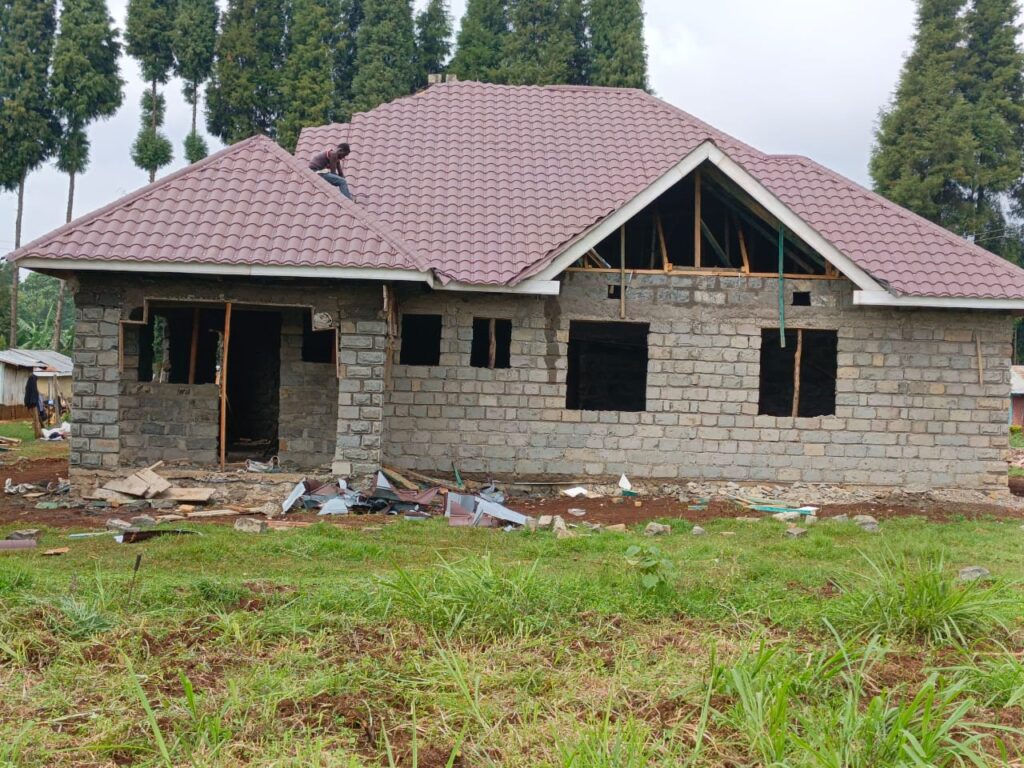
Material Sourcing, Quality Upgrades & Cost Impact
Material choices significantly affect renovation costs and the overall quality of your home. Understanding how local and imported materials, as well as different finish levels, influence pricing helps make smarter decisions.
Local vs Imported Materials: Cost Implications
Locally sourced materials are often cheaper and easier to find, while imported materials like Italian tiles or specialty wood carry premium costs. Homeowners must weigh aesthetics, durability, and budget when choosing.
- Local materials: affordable, readily available
- Imported materials: higher cost, premium appearance
- Consider transport and import duties for foreign products
Finish‑Level Tiers: Budget, Standard, Premium
Finishes impact both cost and visual appeal. Budget finishes keep expenses low, standard finishes balance cost and quality, and premium finishes elevate aesthetics but significantly increase cost.
- Budget: basic tiles, paint, fixtures
- Standard: mid-range tiles, cabinetry, lighting
- Premium: imported finishes, designer fixtures, custom details
Cost Saving via Smart Material Choices
Intelligent material selection can reduce expenses without sacrificing quality. Combining local and imported options, choosing durable materials, and reusing existing items can save money and improve ROI.
- Mix local and imported materials strategically
- Opt for durable, low-maintenance options
- Repurpose or refurbish existing fixtures
Returns on Investment (ROI) & Value Impact for Kenyan Homes
Renovations are not just about aesthetics—they can significantly affect your home’s value and potential return on investment (ROI). Smart spending ensures improvements increase property value rather than simply inflating costs.
How Much to Spend Relative to Home Value (10‑15% Rule)
A common guideline in Kenya is to spend 10–15% of your home’s current value on renovations. Staying within this range typically maximises ROI while avoiding overcapitalizlsation.
- Calculate home’s current market value
- Allocate 10–15% for renovations
- Focus on high-impact areas for best returns
Renovations with Best Value (Kitchen, Bathrooms, Facade)
Certain renovations consistently offer high ROI. Upgrading kitchens, bathrooms, and the home’s exterior or facade usually adds significant resale value and improves overall appeal.
- Kitchen: cabinets, countertops, lighting
- Bathrooms: fixtures, tiling, plumbing upgrades
- Facade: painting, cladding, landscaping
When Overspending May Reduce ROI
Spending beyond a property’s value or upgrading excessively for the neighbourhood can reduce ROI. Luxury finishes that don’t match local market standards may not recover costs when selling.
- Avoid over-customisation for resale properties
- Match renovations to local market expectations
- Balance style, quality, and cost carefully
Regional & Neighbourhood Variations in Kenya
Renovation costs vary across Kenya depending on region, neighbourhood, and local market conditions. Understanding these variations helps plan budgets accurately and prevents surprises.
Cost Differences in Nairobi Suburbs vs Outlying Counties
Nairobi suburbs often have higher material and labour costs compared to outlying counties. Urban projects may benefit from faster access to supplies but generally carry higher pricing.
- Suburbs: higher labour + material costs, easier access
- Outlying counties: lower costs, but possible delays in material delivery
- Adjust budget based on regional pricing trends
Adjusting Expectations for Labour, Transport, Logistics
Labour, transport, and logistics influence renovation costs significantly. Rural areas may require extra planning for delivery and contractor travel, while urban areas may face higher labour rates.
- Factor in transport costs for materials and labour
- Include logistics in project timelines
- Consider local availability of skilled trades
Examples of Neighbourhood Multipliers (from Nairobi)
Within Nairobi, renovation costs can differ by neighbourhood due to demand, material access, and local pricing standards. Understanding these multipliers helps set realistic budgets.
- High-demand suburbs: 10–20% higher costs
- Middle-income areas: standard rates for materials/labour
- Low-demand areas: potential savings but limited premium materials

Hidden Costs & Common Budget‑Pitfalls
Many homeowners underestimate hidden renovation costs in Kenya, which can derail budgets if not planned for. Awareness of these pitfalls allows you to prepare financially and avoid unpleasant surprises during the project.
Unexpected Works: Structural, Plumbing, Electrical
Structural repairs, plumbing upgrades, or electrical work often arise mid-renovation. These unplanned works can significantly increase costs if not anticipated in your initial budget.
- Reinforcing beams or walls
- Rewiring or replacing plumbing lines
- Foundation or roof repairs
Permit/Approval Fees, Design Changes Mid‑Project
Government permits, council approvals, and last-minute design changes are common hidden costs in Kenya. Failing to include these in your budget can stall projects and increase expenses.
- Building permits and inspection fees
- Mid-project design revisions
- Approval costs for structural alterations
Cost Escalation Due to Material Inflation
Material prices in Kenya can fluctuate due to market demand and inflation. Accounting for potential price increases ensures that your project remains within budget even if costs rise unexpectedly.
- Monitor market prices for key materials
- Include inflation buffer in budget (5–10%)
- Consider early purchase for high-demand items
Cost‑Saving Tips Specific to Kenya
Strategic planning and smart choices can reduce renovation costs without compromising quality. Kenyan homeowners can benefit from local sourcing, phased renovations, and savvy contractor management.
Use Local Materials, Buy in Bulk
Local materials are generally cheaper and easier to source. Purchasing in bulk for larger projects can further reduce costs and prevent price increases mid-project.
- Cement, sand, blocks from local suppliers
- Buy flooring, tiles, and paint in bulk
- Leverage bulk discounts from reputable suppliers
Phase Renovation vs Full at Once
Phasing your renovation allows you to spread costs over time and prioritise essential works first. This approach reduces financial strain and allows adjustments based on budget and market conditions.
- Prioritise structural and critical repairs first
- Upgrade rooms or features in subsequent phases
- Adjust scope based on material availability and cost
Pre‑Owned/Remanufactured Fixtures and Simple Finishes
Using pre-owned or refurbished fixtures, or opting for simple finishes, can save significant money. Quality does not always require premium cost.
- Second-hand cabinets, taps, and lighting
- Refurbished doors and windows
- Simple paint finishes and locally made tiles
Smart Contractor Negotiation & Monitor Scope Creep
Negotiating clear contracts and monitoring scope changes prevents unnecessary cost overruns. Keeping a tight control on project scope ensures you stay within budget.
- Set clear deliverables and timelines
- Avoid unapproved additional work
- Negotiate rates and payment milestones upfront
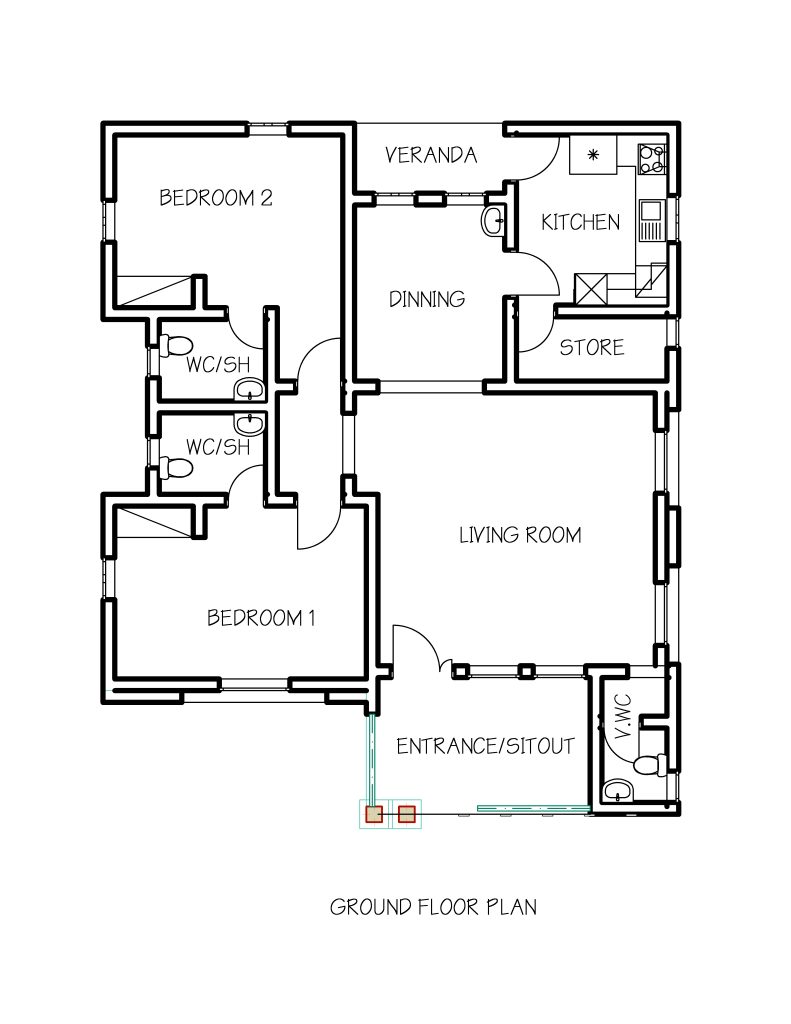
Checklist & Timeline for a Smooth Renovation Project
A clear checklist and timeline are essential for ensuring a smooth renovation project in Kenya. Proper planning helps homeowners stay organised, prevent delays, and manage costs effectively throughout the renovation process. Following a structured approach allows for better control over labour, materials, and overall project quality.
Pre‑Project Checklist: Define Scope, Get Quotes, Schedule
Before starting a renovation, it is important to define the full scope of work to understand what is essential versus optional. Homeowners should obtain multiple quotes from reputable contractors and suppliers to compare prices and services. Creating a clear schedule for each phase of the project ensures that tasks are completed on time and that materials and labour are properly coordinated.
- Define all essential works and optional upgrades in writing
- Obtain at least three to five quotes for both materials and labour
- Create a realistic schedule with deadlines for each project phase
Sample Timeline with Milestones (Design → Demolition → Construction → Finishes)
A detailed renovation timeline helps track progress and ensures all project stages are completed efficiently. Typically, a renovation progresses from the design phase to demolition, followed by construction, and finally the finishing touches. Tracking milestones allows homeowners to identify delays early and maintain control over both costs and quality.
- Design and approvals: 2–4 weeks for floor plans, 3D renders, and permits
- Demolition and preparation: 1–2 weeks for clearing spaces and preparing structures
- Construction and installations: time varies depending on scale and complexity
- Finishes and inspections: 1–3 weeks for painting, flooring, fixtures, and quality checks
Monitoring Cost vs Budget Monthly
Regularly reviewing actual spending against the planned budget is critical to prevent cost overruns. Homeowners should monitor expenditures monthly, comparing them to estimated costs for each phase of the renovation. This practice allows adjustments to be made in materials, labour, or project scope, helping to ensure the renovation stays within budget while maintaining quality standards.
- Track expenses against budget for each milestone
- Adjust materials or timelines if costs exceed estimates
- Keep records of all expenses for transparency and future reference
Conclusion
Renovating a home in Kenya requires careful planning, realistic budgeting, and a clear understanding of costs per square metre. Homeowners should focus on value-adding improvements that enhance the property’s appeal and potential return on investment. Conducting thorough research, comparing quotes, and performing contractor due diligence are essential steps to ensure that a renovation project is completed efficiently, on budget, and to a high standard of quality. By following a structured approach, including proper budgeting, material selection, and timeline management, homeowners can achieve a successful renovation that maximises both aesthetic and financial benefits.