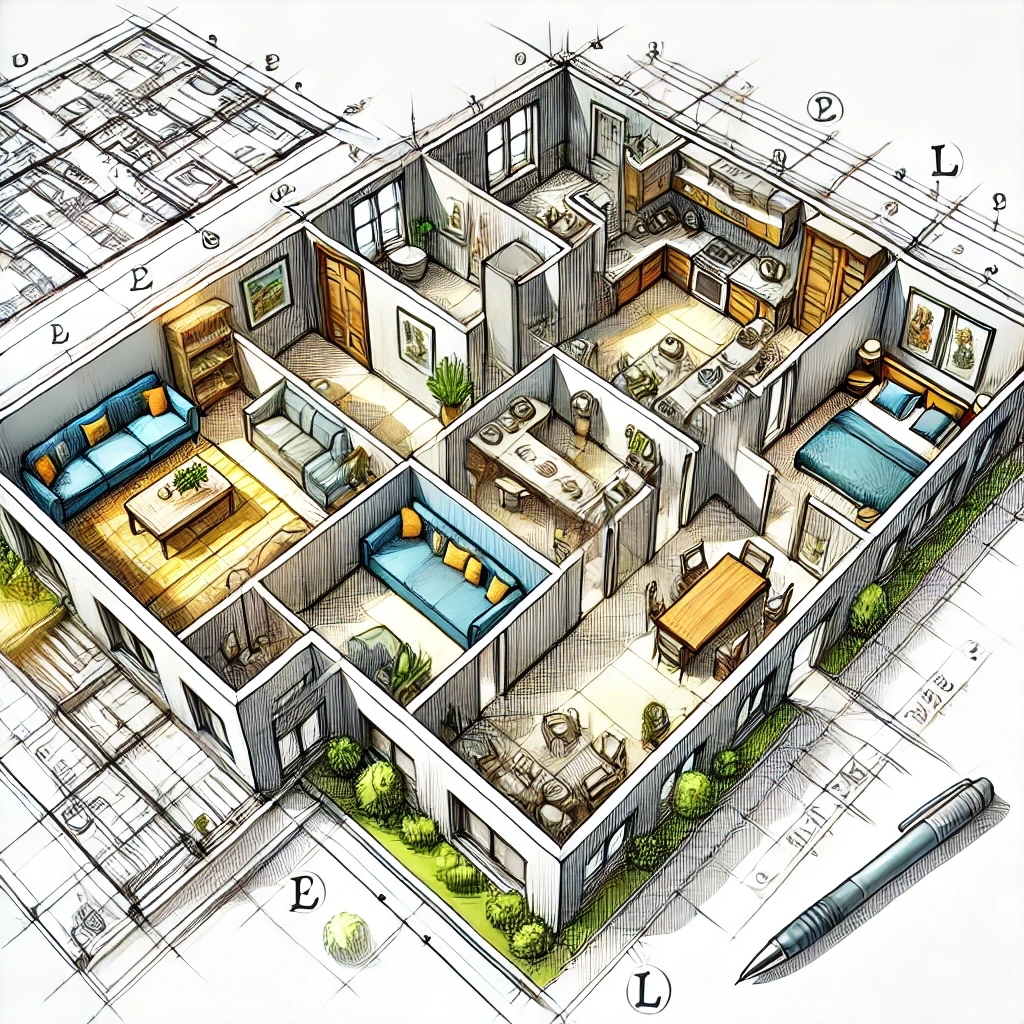
Discover modern construction methods in Kenya, including prefabrication, EPS panel technology, precast systems, sustainable materials, cost breakdowns, legal considerations, and how to choose the right construction service for your project.
Why Modern Construction Methods in Kenya Matter
Growing Demand for Affordable and Fast Housing
Kenya’s housing deficit is estimated at over 2 million units, creating a significant need for cost-effective solutions. Modern construction methods, such as prefabricated homes and modular buildings, allow developers to construct quality houses quickly. Offsite manufacturing reduces on-site labor requirements and shortens project timelines, enabling homeowners to move in faster. These techniques are especially effective for affordable housing projects in Nairobi, Mombasa, and other urban centers.
Efficiency, Sustainability, and Waste Reduction
Innovative construction methods in Kenya focus not only on speed but also on sustainability. Materials like interlocking soil blocks, EPS panels, and precast concrete minimise waste during production and installation. Additionally, using energy-efficient systems and eco-friendly materials reduces the long-term environmental footprint of buildings. Developers implementing these methods can enhance project sustainability, meeting modern green building standards and attracting eco-conscious investors.
Bridging Kenya’s Housing Deficit
Modern building techniques also play a crucial role in addressing Kenya’s housing shortage. By combining modular design, precast elements, and smart construction technologies such as BIM (Building Information Modeling), developers can construct more units within limited timeframes. These methods provide scalable solutions for both urban and rural areas, making it easier to meet the growing demand for quality housing while reducing project costs.

Modern Construction Methods & Services Included
Prefabricated & Modular Construction
Prefabricated and modular construction involves offsite manufacturing of building components, which are then assembled onsite. This method significantly reduces construction time compared to traditional brick-and-mortar techniques. It also lowers labor costs and minimises material wastage. Modular construction is ideal for residential estates, schools, and commercial buildings in Nairobi, Mombasa, and Kisumu.
EPS Panel Technology (Expanded Polystyrene)
EPS panels are lightweight, strong, and insulated, making them perfect for walls, floors, and slabs. Using EPS panels can reduce construction time and costs by up to 50% compared to conventional methods. Local suppliers, such as EPS 3D Panels, offer tailored solutions suitable for residential and commercial projects. These panels provide excellent thermal insulation and durability while supporting faster project completion.
Precast Concrete Systems
Precast concrete systems include factory-made walls, beams, and slabs that are transported to the construction site. They are highly cost-efficient for large-scale projects and ensure consistent quality. Precast components reduce onsite labor and accelerate building timelines, making them a popular choice for apartments, office complexes, and multi-unit housing developments.
Aluminium & Tunnel Formwork Systems
Aluminium and tunnel formwork systems provide precision, speed, and reusability for multi-unit housing. These systems are ideal for high-rise buildings, reducing the time needed for formwork setup and demolition. Developers benefit from fewer delays and lower long-term labor costs.
Sustainable & Innovative Materials
Kenya is increasingly adopting sustainable materials like interlocking soil blocks, bamboo, recycled composites, and emerging mycelium-based panels. These eco-friendly alternatives lower the environmental footprint and promote energy efficiency. They are suitable for residential, commercial, and public infrastructure projects.

Relevant Image Packs
Visual content plays a critical role in understanding modern construction methods in Kenya. Images help homeowners, developers, and investors grasp construction techniques, material quality, and the practical applications of various methods. Using clear, high-quality visuals also supports decision-making when selecting the right technology, materials, or service provider for a project.
Modern Construction Methods in Kenya
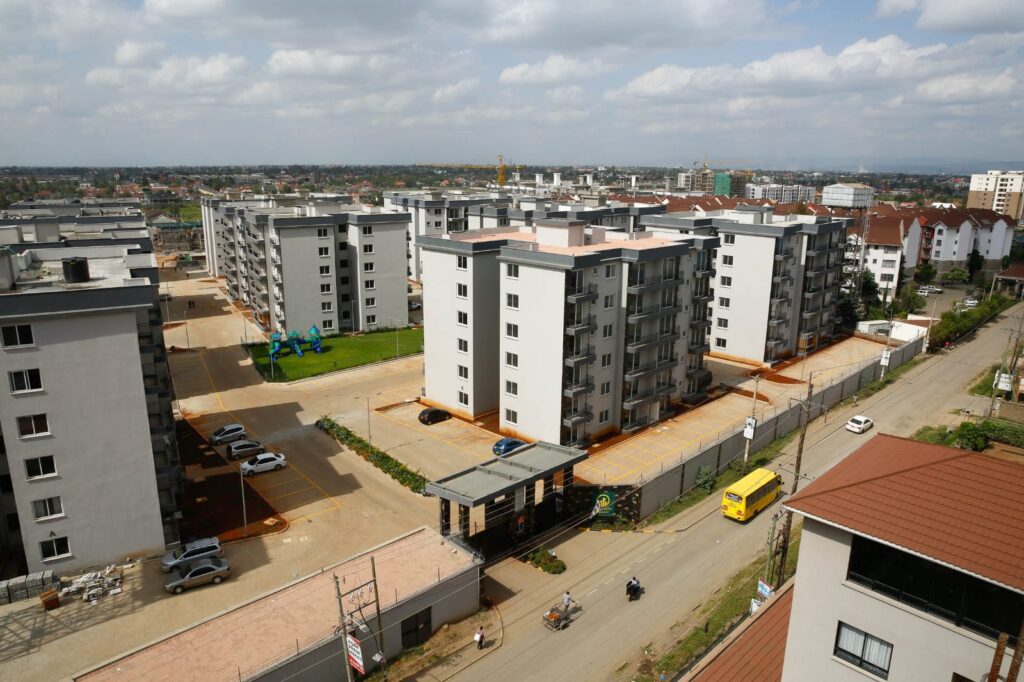
Images showcasing prefabricated homes, modular structures, and EPS panel installations give a clear picture of modern construction in practice. These visuals demonstrate how components are manufactured offsite and assembled onsite, highlighting the efficiency and speed of such methods. Examples include modular apartment blocks in Nairobi, precast concrete walls in Kisumu, and tunnel formwork projects in Mombasa. By studying these images, potential investors can visualise project outcomes and compare different construction approaches.
Cost & Materials Visuals
Visuals that show material types, construction stages, and cost comparisons help users make informed decisions. Photos of EPS panels, interlocking soil blocks, bamboo frameworks, and precast slabs illustrate material quality and potential applications. Cost-related infographics can display price ranges for prefabricated homes, EPS panels, or precast concrete, helping homeowners and developers budget accurately. Including these visuals alongside articles enhances engagement and provides practical context for readers.

Cost Breakdown of Modern Construction Methods
EPS Panel Costs
EPS (Expanded Polystyrene) panels are among the fastest-growing modern building materials in Kenya. Prices range from approximately Ksh 1,500 to Ksh 5,500 per square meter, depending on thickness and supplier. These panels provide excellent insulation, reducing energy costs while speeding up construction. Companies like Insulation Materials Kenya provide cost breakdowns and installation support for both residential and commercial projects.
Precast Concrete Systems
Precast concrete is ideal for large-scale developments and multi-unit apartments. When purchased at scale, precast components can be more cost-efficient than EPS panels. Factory-made walls, beams, and slabs reduce on-site labor and accelerate project timelines. Studies, such as those by IJERT, highlight the long-term cost benefits of precast systems in Kenya’s urban housing projects.
Modular Homes
The cost of modular homes varies depending on design complexity, finish quality, and materials. While upfront costs may be higher than traditional brickwork, the speed of construction and reduced labor expenses often offset initial investments.
Tech & Management Costs
Digital technologies like BIM, drones, and IoT sensors enhance efficiency but may add additional costs depending on project size. These tools improve accuracy, reduce errors, and optimise resource allocation, ultimately saving money in the long run.

Factors Influencing Construction Costs
Several factors affect the overall cost of modern construction methods in Kenya. Understanding these variables helps homeowners and investors budget accurately and make informed decisions when selecting a construction approach.
Project Size & Design Complexity
Larger projects and complex designs require more materials, skilled labor, and advanced technology. Multi-unit apartments or commercial buildings typically have higher costs per square meter than smaller residential homes.
Material Choice & Availability
The selection of materials—EPS panels, precast concrete, interlocking soil blocks, or bamboo—significantly impacts project costs. Local availability of materials also influences pricing and delivery timelines.
Labour Costs & Skills Availability
Labor expenses vary depending on skill levels, project location, and method complexity. Specialised construction techniques, such as modular assembly or precast installation, may require trained professionals, affecting overall costs.
Location & Logistics
Transporting materials and machinery to construction sites influences budgets. Remote or urban sites with limited access may increase delivery costs and project duration.
Regulatory & Permit Delays
Obtaining approvals from local authorities, such as the NCA and county governments, can add to construction timelines and costs. Delays in permits or inspections may affect labor schedules and overall budgets.
Legal & Regulatory Considerations in Kenya
Navigating legal and regulatory requirements is crucial when using modern construction methods in Kenya. Compliance ensures that projects meet safety, quality, and environmental standards while avoiding delays, fines, or costly redesigns. Homeowners, developers, and investors must understand the regulations that govern construction and building practices across urban and rural areas.
Compliance with Standards and Certification
Modern construction projects must adhere to guidelines set by the Kenya Bureau of Standards (KEBS) and the National Construction Authority (NCA). These certifications guarantee that materials, methods, and workmanship meet national safety and quality benchmarks. For instance, EPS panels, precast concrete components, and modular construction systems must be NCA-approved before use in formal projects. Following these standards also improves building durability, energy efficiency, and long-term cost-effectiveness.
Permits, Site Approvals, and Safety Regulations
Obtaining building permits from local county governments is mandatory before starting any construction. Site approvals ensure the project complies with zoning laws, land-use policies, and building codes. Additionally, contractors must follow safety regulations to protect workers and reduce accidents. Failure to meet these requirements can lead to legal penalties or project delays, affecting timelines and budgets.
Environmental Impact Assessments (EIA)
Large-scale projects must undergo Environmental Impact Assessments (EIA) to evaluate potential effects on the environment. EIAs help identify strategies for waste reduction, sustainable material use, and energy-efficient design. Incorporating modern construction techniques like prefabrication, modular systems, or interlocking soil blocks often contributes to lower environmental impact and simplifies regulatory approval.
How to Choose the Right Construction Method & Service
Selecting the right construction method and service in Kenya is essential for achieving cost efficiency, timely delivery, and high-quality results. Modern construction methods, including EPS panels, precast concrete, and modular systems, offer different benefits depending on project type, budget, and sustainability goals. Making an informed choice ensures long-term value and minimises risks.
Choosing by Project Type
When deciding on a construction method, consider the scale and purpose of your project. Small residential homes may benefit from modular or prefabricated solutions that reduce construction time and labour costs. Multi-unit developments or commercial buildings often require precast concrete or tunnel formwork for durability and speed. Additionally, assess project priorities such as cost, timeline, and long-term energy efficiency. Sustainable materials like interlocking soil blocks or bamboo may also be suitable for eco-conscious developments.
How to Vet Construction Services
Selecting a reliable contractor is critical to successful project delivery. Always:
- Verify NCA certification and ensure the contractor has a proven portfolio.
- Request detailed quotes including materials, labor, and technology costs.
- Confirm adoption of modern technologies such as BIM, drones, or IoT monitoring for quality control.
Checking references and previous project outcomes ensures transparency and professionalism.
CTAs (Calls‑to‑Action)
Encourage readers to take action:
- Get a Free Consultation: Contact qualified Kenyan builders to discuss project feasibility.
- Request Quotes: Compare EPS, precast, and modular construction costs to find the best fit.
- Download Cost Estimator: Use an interactive PDF or tool to estimate project costs accurately.
Conclusion
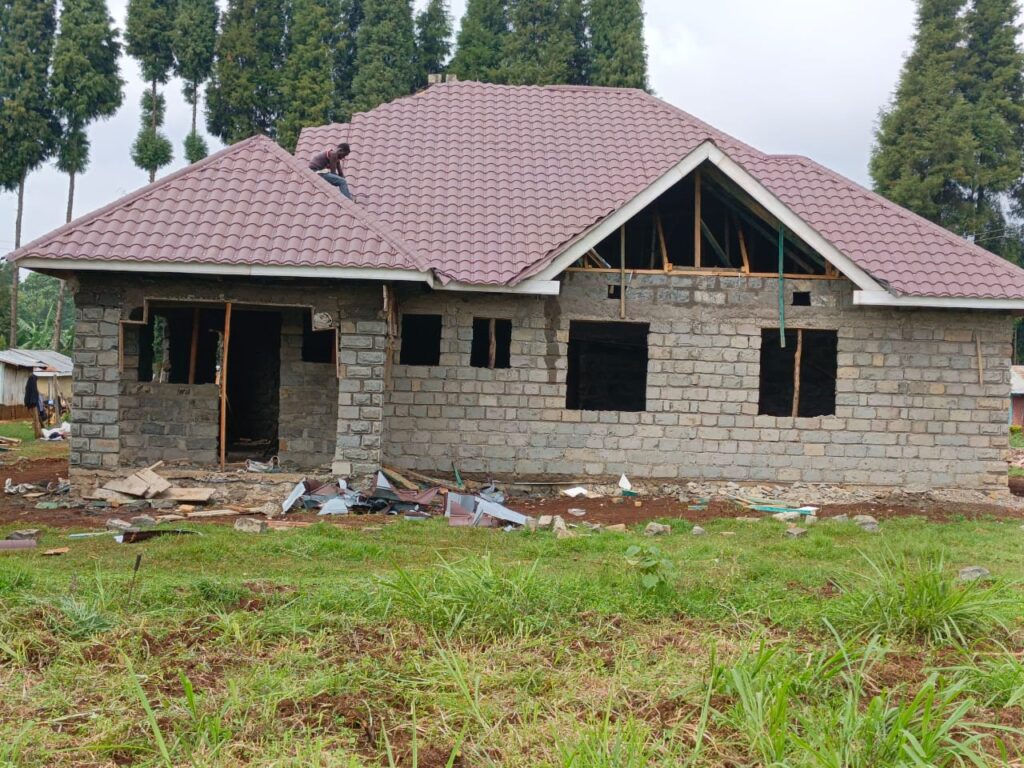
Modern construction methods in Kenya are revolutionising the building industry by offering faster, cost-effective, and environmentally friendly solutions. Techniques such as EPS panels, modular construction, precast concrete, and sustainable materials allow homeowners, developers, and investors to achieve high-quality results while reducing project timelines and long-term operational costs.
Choosing the right construction technology depends on several factors, including budget, project size, timeline, and sustainability goals. Smaller residential projects may benefit from modular or prefabricated solutions, while large-scale apartments or commercial buildings often require precast concrete or tunnel formwork systems. Incorporating smart technologies such as BIM, drones, and IoT further enhances efficiency, reduces errors, and ensures optimal resource allocation.
Investing in modern construction methods not only addresses Kenya’s housing deficit but also contributes to eco-friendly and sustainable development. Homeowners and investors who carefully evaluate available methods and vet certified contractors can achieve durable, safe, and cost-effective buildings.
Calls-to-Action (CTAs):
- Contact Expert Builders: Get tailored guidance and project planning support from NCA-certified contractors in Kenya.
- Request Project Quotes: Compare costs for EPS panels, precast concrete, and modular construction to make informed decisions.
- Download Cost Estimator: Access interactive tools or PDFs to accurately budget your next building project.