Explore the latest updates on the Rironi–Mau Summit Highway Project in Kenya, including construction progress, costs, timelines, benefits, and its impact on transport infrastructure and regional trade.
Introduction
Rironi–Mau Summit Highway Project in Kenya
The Rironi–Mau Summit Highway Project is one of Kenya’s most ambitious road infrastructure developments, aimed at transforming transport connectivity between Nakuru, Kericho, and the Western corridor. This project is part of Kenya’s wider highway infrastructure projects strategy, designed to enhance mobility, reduce congestion, and support economic growth.
By improving freight movement and travel efficiency, the Rironi–Mau Summit Highway will play a critical role in boosting regional trade and linking key agricultural and tourism zones. The project is structured as a public–private partnership (PPP), ensuring sustainable funding while encouraging investment in Kenya’s transport infrastructure development.
Quick Snapshot
- Total length: ~172 km
- Key contractors: International and local contractors operating under Government of Kenya oversight (specific contractors vary by project section).
- Expected completion: Mid-2027
- Lane configuration: Dual carriageway, 4–6 lanes in different sections
- Key benefits:
- Reduced travel time and congestion
- Economic boost through trade and tourism
- Efficient freight transport and logistics
What Is the Rironi–Mau Summit Highway Project?
Strategic Role in Kenya’s Transport Network
Rironi–Mau Summit Highway Project in Kenya
The Rironi–Mau Summit Highway Project is a key corridor that connects Nakuru to Kericho and links the Western region to central Kenya. It is designed to decongest major roads and provide a reliable transport route for both passenger and freight traffic. By improving connectivity along this corridor, the project strengthens Kenya’s transport infrastructure network and supports regional trade efficiency.
Scope and Vision
The project covers approximately 172 km, featuring dual carriageways with 4 to 6 lanes in different sections. Its vision includes modern road design, enhanced safety measures, and integrated interchanges to accommodate growing traffic volumes. The Rironi–Mau Summit Highway Project aims to set a benchmark for future highway infrastructure developments in Kenya.
Economic Importance for Kenya
This highway is expected to significantly boost the Kenyan economy by reducing travel time, supporting tourism, and improving the transport of agricultural products from the Western corridor. It also creates direct and indirect employment opportunities during and after construction. The project exemplifies how transport infrastructure development can drive national economic growth.

Latest Construction Progress Updates
Current Construction Status (Km Completed & Active Sites)
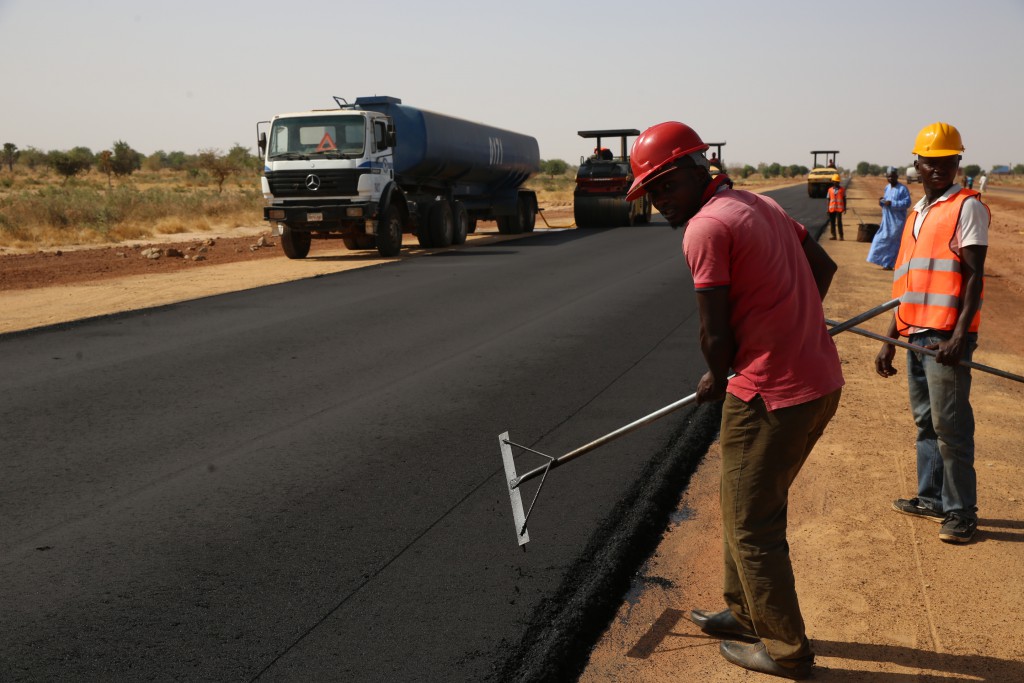
As of January 2026, more than 25 km of the Rironi–Mau Summit Highway have been completed, with multiple active construction sites across the corridor. Earthworks, paving, and bridge constructions are progressing steadily, ensuring the project remains on schedule. These updates provide a clear view of the project’s advancement and milestones.
Contractors & Partners on Site
The construction is led by China Road and Bridge Corporation (CRBC) in partnership with Shandong Construction Company, under oversight from the Kenyan government. Local subcontractors and suppliers are also involved, promoting skills transfer and supporting local businesses along the project route. This collaboration strengthens capacity within Kenya’s construction sector.
Phases and Expected Completion Timeline
The highway project is divided into several phases, each focusing on specific sections to optimize efficiency and minimize traffic disruptions. Completion is targeted for mid-2027, with phased openings planned to allow early access to completed sections. This phased approach ensures consistent progress monitoring and timely delivery.
Challenges & Mitigation Measures
Construction along the Rironi–Mau corridor faces challenges such as steep gradients, heavy rainfall, and community resettlement concerns. Engineers and project managers have implemented mitigation strategies including improved drainage, slope stabilization, and active community engagement to reduce delays and enhance safety.
Project Features and Technical Details
Dual Carriageway Design & Lane Configurations
The Rironi–Mau Summit Highway features a dual carriageway design, with 4 lanes in standard sections and up to 6 lanes in high-traffic areas. This configuration allows smoother traffic flow, reduces congestion, and accommodates future traffic growth. Modern road engineering standards are applied to ensure durability and efficiency along the corridor.
Safety Measures, Interchanges & Intelligent Road Tech
The project incorporates multiple interchanges, pedestrian crossings, and road lighting to enhance safety for drivers and local communities. Intelligent road technologies such as traffic monitoring systems and signage are also being installed to manage vehicle flow effectively. These measures ensure that the highway meets global safety standards.
Bridges, Drainage Systems & Environmental Considerations
Numerous bridges and culverts are part of
the highway to navigate rivers and valleys along the route. Advanced drainage systems are integrated to prevent flooding and erosion, while environmental impact mitigation strategies preserve surrounding ecosystems. These features highlight Kenya’s commitment to sustainable transport infrastructure development.
Job Creation & Skills Transfer Opportunities
The highway project has created thousands of jobs for local workers, including roles in construction, supervision, and logistics. Skills transfer programs are being implemented to train Kenyan engineers and technicians, ensuring that expertise gained on the project benefits future infrastructure developments.
Costs, Funding & Public–Private Partnerships
Total Investment and Financial Structure
The Rironi–Mau Summit Highway Project is estimated to cost hundreds of billions of shillings, subject to final concession and financing structures,with funding sourced from both government allocations and international loans. The financial structure ensures transparency, accountability, and timely disbursement to keep construction on track. Detailed investment planning also allows for cost monitoring and risk management throughout the project.
Public–Private Partnership (PPP) Model Explained
The highway is structured under a Public–Private Partnership (PPP) framework, combining government oversight with private sector efficiency. This model enables resource mobilization, operational expertise, and sustainable management of the road once completed. PPP arrangements are becoming a benchmark for Kenya’s large-scale highway infrastructure projects.
Tolling Plans and Payment Options
Certain sections of the highway may adopt tolling to support maintenance and long-term sustainability. Payment systems are expected to include electronic tolling and multiple payment options for convenience. Public consultations and government policies guide toll implementation to balance affordability with project funding needs.
Benefits for Transport and Trade
Reduced Travel Time and Congestion
The Rironi–Mau Summit Highway significantly reduces travel time between Nakuru, Kericho, and the Western corridor. Motorists and freight operators can now bypass congested rural roads, improving journey predictability. Shorter travel times also lower fuel consumption and vehicle operating costs, enhancing efficiency along this key transport route.
Boost to Regional Trade and Freight Movement
This highway strengthens regional trade by enabling faster and safer movement of goods between Western Kenya and major urban centers. Agricultural products, raw materials, and manufactured goods can reach markets more efficiently, supporting trade expansion and competitiveness. Improved freight logistics along this corridor also reduce delivery delays and operational costs.
Wider Economic Impact (Tourism, Agriculture, Industry)
The highway benefits multiple sectors:
- Tourism: Easier access to Western Kenya attractions and national parks.
- Agriculture: Faster transport of perishable produce to major markets.
- Industry: Streamlined logistics for factories and distribution hubs.
Overall, the highway drives economic growth across diverse sectors while attracting new investments.
Environmental and Safety Benefits
With proper drainage systems, slope stabilization, and road safety features, the highway minimizes environmental degradation and enhances traveler safety. Pedestrian crossings, interchanges, and intelligent traffic systems reduce accidents while protecting nearby communities and ecosystems. This demonstrates Kenya’s commitment to sustainable transport infrastructure development.
Travel Time Comparison: Before vs After the Rironi–Mau Summit Highway Project
| Route / Segment | Before Highway Upgrade | After Highway Completion (Expected) | Key Improvement |
| Rironi → Mau Summit | 3.5–5 hours (peak traffic & gradients) | 1.5–2 hours | Faster ascent, reduced congestion |
| Nairobi → Nakuru | 4–6 hours (frequent delays) | 2–2.5 hours | Smoother flow on dual carriageway |
| Nakuru → Kericho | 2–3 hours | 1–1.5 hours | Improved safety & road geometry |
| Freight (Western corridor) | Slow, inconsistent travel times | More predictable movement | Lower logistics costs |
| Tourist & passenger travel | High fatigue, congestion risks | Safer, more comfortable journeys | Better travel experience |
Comparison with Other Kenya Highway Infrastructure Projects
Nairobi–Mombasa Expressway Comparison
Compared to the Nairobi–Mombasa Expressway, Rironi–Mau Summit Highway focuses on linking high-altitude Western regions rather than coastal trade corridors. While both are dual carriageways Rironi–Mau Summit Highway addresses steep gradients and regional connectivity challenges unique to the Rift Valley. This comparison highlights how tailored infrastructure projects meet Kenya’s diverse transport needs.
Northern Corridor Road Upgrades
The highway complements Northern Corridor road upgrades by providing alternative routes for freight and passenger traffic. This integration reduces pressure on main arteries, facilitates smoother traffic flow, and enhances overall national transport efficiency. Linking multiple corridors ensures Kenya’s road network supports economic growth holistically.
Policy, Funding Trends & Lessons Learned
Rironi–Mau Summit Highway incorporates lessons from past projects in policy planning, funding models, and risk management. Transparent financing, PPP arrangements, and phased construction ensure efficiency and minimize delays. Policymakers use these insights to improve future highway infrastructure developments in Kenya.
Opportunities for Future Expansion
The highway is designed with potential for future expansion, including additional lanes, service roads, and interchanges. Such scalability ensures it can accommodate growing traffic demands and economic activity over the coming decades. Future expansions will continue to strengthen Kenya’s transport infrastructure network.

Project Impact & Future Outlook
Economic Growth and Job Opportunities
The Rironi–Mau Summit Highway is expected to drive substantial economic growth across Western Kenya and the Rift Valley corridor. During construction, thousands of jobs have been created for local workers in construction, logistics, and project management. Beyond construction, the highway is likely to stimulate business activity by improving market access for agricultural products and attracting investment in trade, tourism, and services. This makes the highway a key contributor to Kenya’s broader economic development strategy.
Enhanced Transport Connectivity
By connecting Nakuru, Kericho, and surrounding counties, the Rironi–Mau Summit Highway improves both regional and national transport connectivity. Travel times have been significantly reduced along the corridor, allowing commuters and freight operators to move more efficiently. In addition, the highway reduces congestion on alternative routes, enhances road safety through modern interchanges and signage, and supports reliable movement of goods and people, which strengthens Kenya’s overall transport infrastructure.
Future Expansion and Infrastructure Development
The highway has been designed with future expansion in mind, including the potential for additional lanes, service roads, and upgraded interchanges. These provisions ensure the corridor can accommodate increasing traffic volumes and evolving transport demands over the next decades. Furthermore,the Rironi–Mau Summit Highway expansion program sets a benchmark for Kenya’s future infrastructure projects, demonstrating how large-scale highway developments can be planned for scalability and long-term sustainability.

Conclusion
The Rironi–Mau Summit Highway Project is transforming transport infrastructure in Kenya. It features dual carriageways, modern safety systems, and environmental safeguards, while significantly reducing travel time and boosting regional trade. The project exemplifies Kenya’s commitment to developing efficient and sustainable road networks.