Explore the most common types of bricks in Kenya — from clay, concrete, and interlocking blocks to stabilised soil and fly ash bricks. Learn their uses, prices, and how to choose the best bricks for your construction project.
Introduction
When it comes to building in Kenya, the choice of bricks can determine how durable, energy-efficient, and cost-effective your project becomes. Understanding the different types of bricks in Kenya helps homeowners, contractors, and developers make smarter decisions for both residential and commercial projects. With several options — from traditional clay to modern interlocking blocks — the right choice can balance quality, price, and sustainability.
This guide explains each brick type in detail, compares their performance, and offers practical buying and installation tips. Whether you’re planning a new house or a large-scale project, this article will help you find the perfect bricks for construction in Kenya.
Types of Bricks & Blocks Used in Kenya
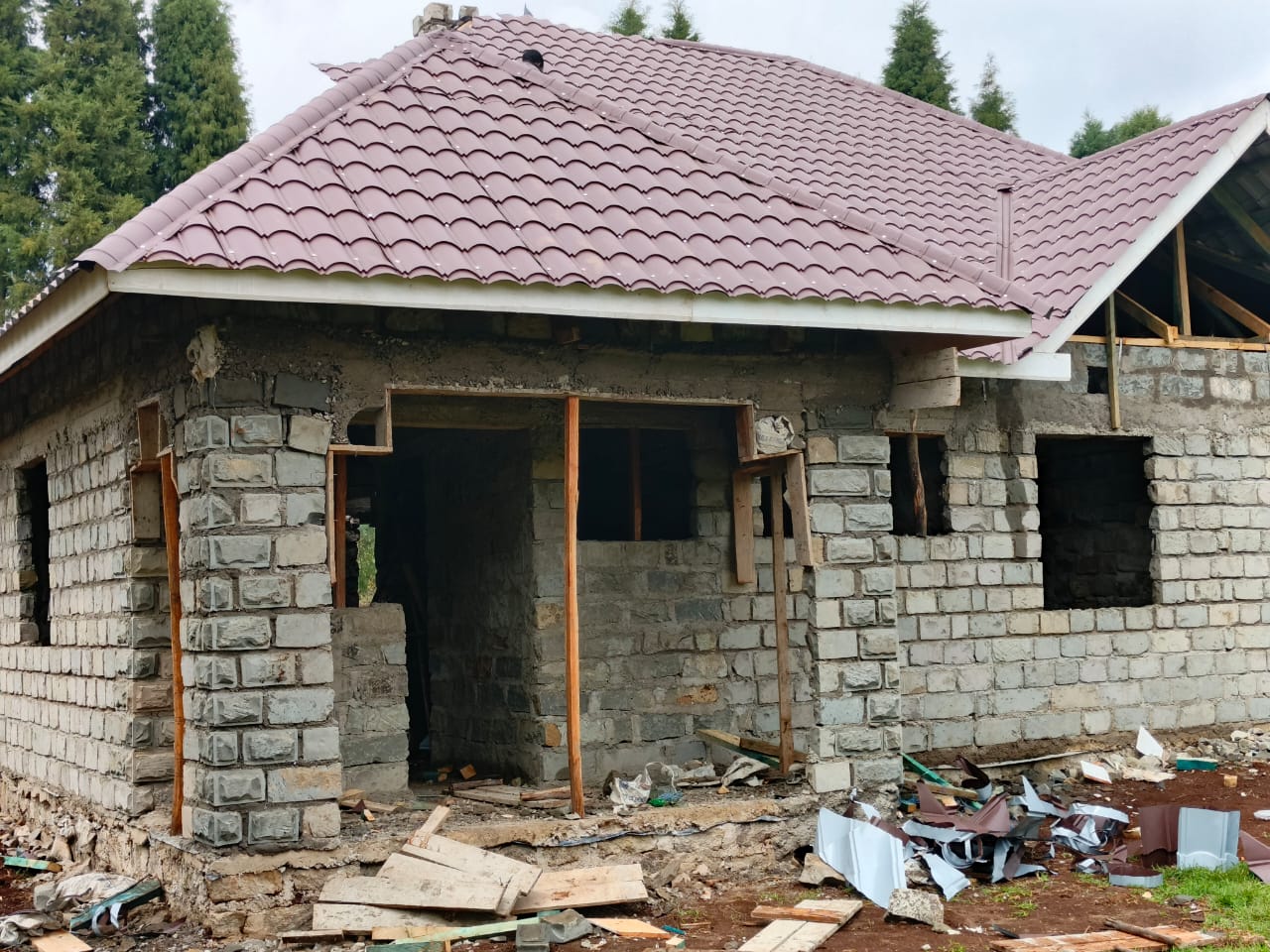
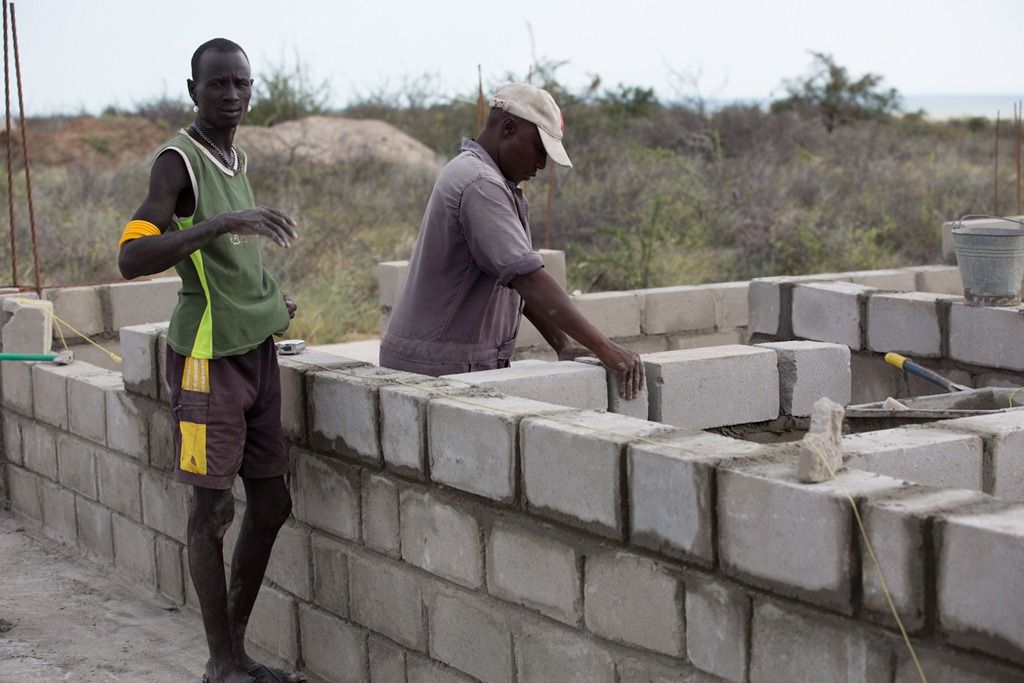
Kenya’s construction sector uses several types of bricks, each suited for specific applications, climates, and budgets. Understanding their properties ensures that you buy the right product for your structure.
Burnt (Fired) Clay Bricks
Burnt clay bricks are among the oldest and most popular bricks for construction in Kenya. Made from clay that’s moulded and fired in kilns, they are dense, durable, and ideal for foundations and walls. They come in standard sizes such as 230×110×75 mm, with variations across local kilns. These bricks resist heat well and offer a strong, timeless aesthetic, though they can absorb moisture if not properly cured.
Interlocking Blocks
Interlocking blocks have gained popularity for being eco-friendly and cost-effective. They fit together through tongue-and-groove designs, requiring less mortar and labour. Since they are made using compressed soil mixed with a bit of cement, interlocking blocks reduce construction time and minimise waste. They are particularly suitable for low-cost housing and large projects looking to cut overall costs.
Concrete Blocks (Hollow & Solid)
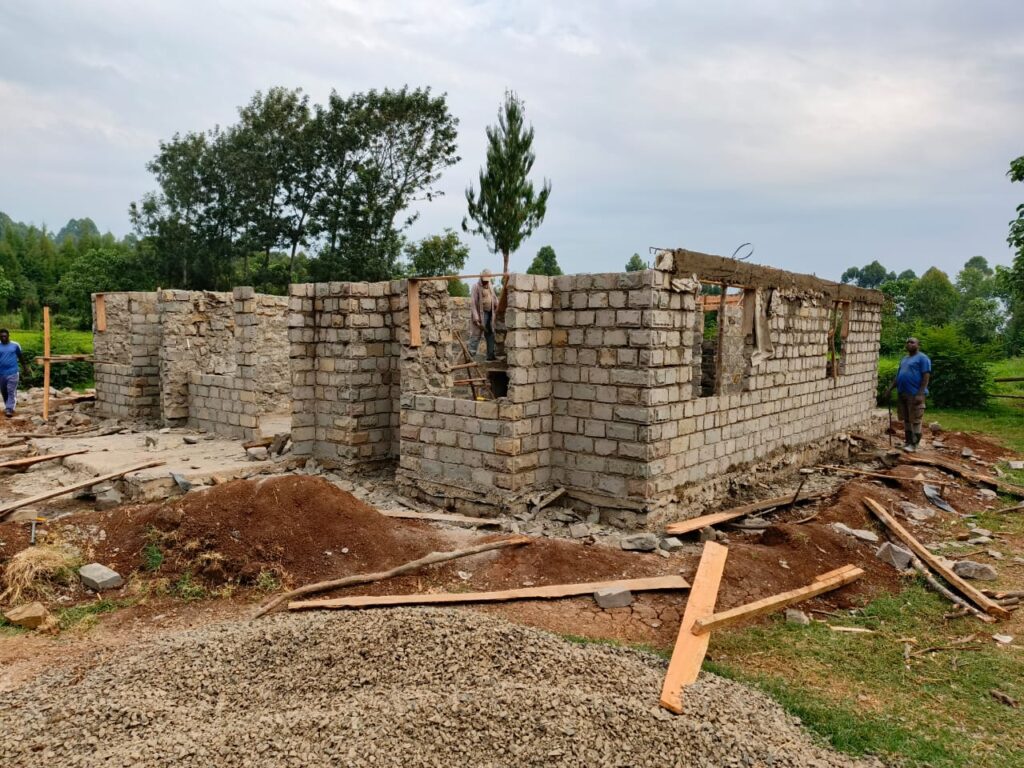
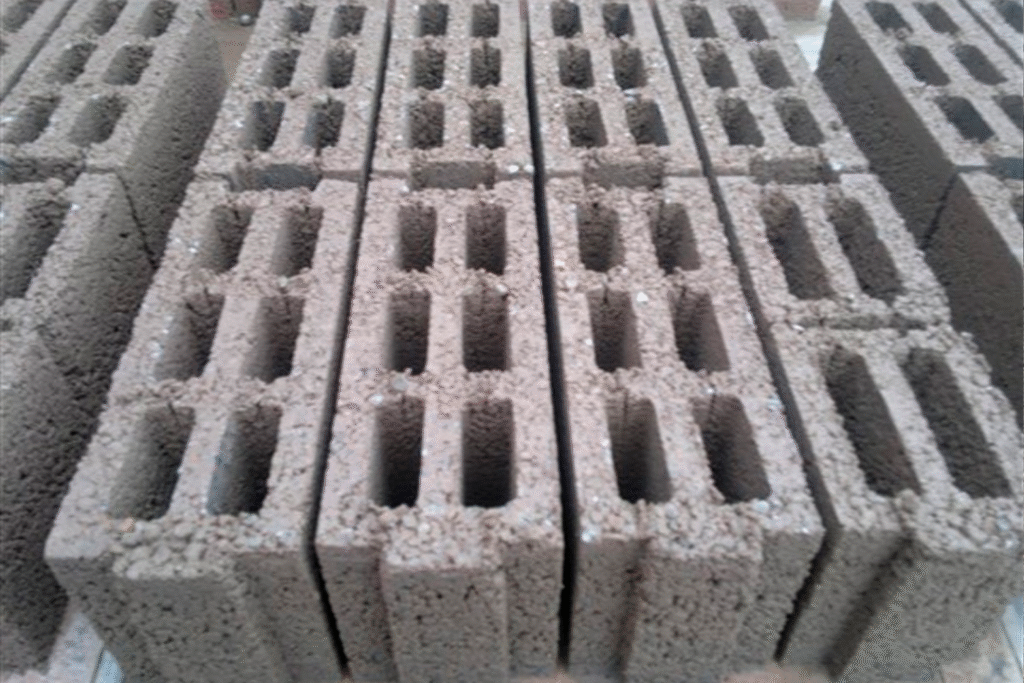
Concrete blocks are made from cement, sand, and aggregates, making them extremely strong and suitable for both load-bearing and non-load-bearing walls. Hollow blocks provide better insulation and reduce the weight of a structure, while solid ones are used for foundations and boundary walls. Their large size speeds up construction, saving both time and cement compared to smaller clay bricks.
Stabilised Soil Blocks (SSB)
Stabilised soil blocks, also called compressed earth blocks, are made by mixing soil with 5–10% cement and compressing them using block-making machines. They are eco-friendly, affordable, and locally produced. These bricks regulate indoor temperatures well but must be plastered or sealed to prevent moisture damage, especially in areas with heavy rainfall.
Fly Ash Bricks
Fly ash bricks are modern alternatives made from fly ash (a byproduct of coal), lime, and gypsum. They are lightweight, fire-resistant, and provide a smooth finish. However, availability in Kenya is still limited since fly ash sources are few. When properly cured, these bricks offer high strength and low water absorption, making them suitable for urban projects.
Sand-Lime Bricks
Also known as calcium silicate bricks, sand-lime bricks are made from sand and lime hardened under steam pressure. They are uniform in size, offer a neat appearance, and require minimal plastering. These bricks are durable and ideal for walls that need a clean, aesthetic finish. However, they may not be widely available in all regions of Kenya.
Sun-Dried / Mud Bricks
Sun-dried bricks, or adobe, are made from mud mixed with straw or grass and dried naturally in the sun. They are affordable and easy to produce locally but have limited durability in wet conditions. These bricks are mostly used in rural areas or temporary structures and must be regularly maintained to avoid damage from rain or pests.
Engineering & Fire Bricks
Engineering and refractory bricks are dense, hard, and resistant to heat, chemicals, and moisture. They are commonly used in industrial buildings, chimneys, kilns, and fireplaces. Although more expensive, they ensure safety in high-temperature environments and require minimal maintenance.
Brick Performance & Comparison — What Buyers Must Know
Every brick type performs differently under Kenya’s diverse climate and building conditions. Comparing their strength, durability, and insulation properties helps you make a confident purchase.
Strength & Load Capacity
Concrete and fired clay bricks have the highest compressive strength, making them ideal for foundations and structural walls. Stabilised soil blocks are suitable for non-load-bearing walls, while interlocking blocks are best for affordable housing. Always match brick strength to your project’s load requirements to prevent cracks or failure.

Thermal & Acoustic Insulation
Hollow concrete blocks and stabilised soil blocks provide excellent thermal insulation, keeping homes cool during hot days. Their design also reduces noise transmission, improving comfort in urban settings. Clay bricks retain heat well, making them suitable for cooler regions.
Durability & Weather Resistance
Fired clay and concrete blocks withstand harsh weather and moisture better than sun-dried or soil-based bricks. However, all bricks last longer when plastered and cured correctly. Coastal areas require low-absorption bricks to resist salt damage and corrosion.
Cost, Pricing & Regional Variations (Transactional Insight)
Understanding cost differences among brick types helps you budget accurately for construction. Prices vary depending on location, materials, and transport distance.
Price Ranges for Popular Brick Types
In 2025, burnt clay bricks in Kenya average between KSh 10–15 per piece, while interlocking blocks cost about KSh 25–35 depending on region and quality. Hollow concrete blocks range from KSh 60–80 each. Prices can be lower when buying directly from manufacturers.
Regional Price Variations
Bricks are cheaper in areas close to clay or cement production sites. For instance, Ndarugo and Machakos have lower prices due to abundant raw materials. Coastal regions often face higher costs because of transport expenses.
Bulk Orders & Discounts
Buying in bulk can significantly lower your per-brick cost. Most suppliers offer discounts for large projects, especially for orders above 5,000 pieces. Always request written quotations to avoid price fluctuations.
How to Select the Right Brick for Your Project
Choosing the right brick requires balancing strength, appearance, cost, and environmental suitability.
Match Brick Type to Project Needs
For load-bearing walls, go for concrete or burnt clay bricks. For partitions or low-cost housing, interlocking or SSB bricks offer great value. Always check with an engineer to ensure the chosen brick meets design strength.
Consider Climate & Soil Conditions
In humid or coastal areas, use low-absorption bricks like concrete or fired clay. For dry regions, SSB and interlocking blocks are ideal. Soil composition also affects brick performance, especially when using locally made blocks.
Verify Supplier Quality
Before purchasing, inspect sample bricks for cracks, uneven shapes, and poor curing. Ask suppliers for KEBS certification and compression test results. This ensures you buy strong, reliable materials that meet Kenyan standards.
Brick Suppliers & Marketplaces in Kenya
Kenya has many brick manufacturers, making it easy to find reliable suppliers for any project size.
Local Brick Manufacturers
Regions such as Kiambu, Nakuru, and Mombasa have numerous local producers. Buying directly reduces transport costs and ensures product authenticity. Always visit production sites when possible to check quality control.
Online Marketplaces
Websites and platforms like Jumia, PigiaMe, and TradeKenya list verified suppliers and allow for online quotations. Ensure that the seller provides clear delivery timelines and accepts secure payment options.
KEBS and Quality Checks
All bricks must comply with Kenya Bureau of Standards (KEBS) guidelines. You can request compliance certificates or testing data from the supplier. Avoid suppliers who cannot provide verifiable proof of quality.
Recommendation by Project Type
Different projects require different brick types for optimal performance.
Residential Houses
For single or double-storey homes, burnt clay and interlocking blocks are ideal due to strength and thermal comfort. They also give homes a neat finish and reduce long-term maintenance.
Commercial & Industrial Buildings
Concrete blocks and engineering bricks work best here since they support heavy loads and withstand harsh conditions. Their structural stability makes them perfect for factories and offices.
Boundary Walls & Landscaping
Hollow concrete blocks and SSBs provide affordability and quick installation for perimeter walls. For aesthetic appeal, consider sand-lime or fly ash bricks.
Installation & Maintenance Tips
Proper installation ensures bricks last decades without major repairs.
Curing and Mortar Preparation
Always soak clay bricks before laying and mix mortar correctly to improve bonding. Avoid weak mortar mixes that can lead to cracking or water seepage over time.
Handling and Storage
Stack bricks on level ground and cover them to protect from rain. Avoid dropping or overstacking to prevent damage and maintain structural integrity.
Finishing and Plastering
Use waterproof plaster or paint in wet areas. For exposed brick designs, apply sealants to enhance durability and prevent fading over time.
Conclusion
Choosing the right type of bricks in Kenya depends on your project’s location, design, and budget. Burnt clay and concrete blocks remain the most reliable for durability, while interlocking and SSBs provide affordable, eco-friendly options. Always buy from KEBS-certified suppliers and compare quotes to get the best value. By understanding each brick’s strengths and costs, you can build a strong, lasting structure that suits Kenya’s environment.