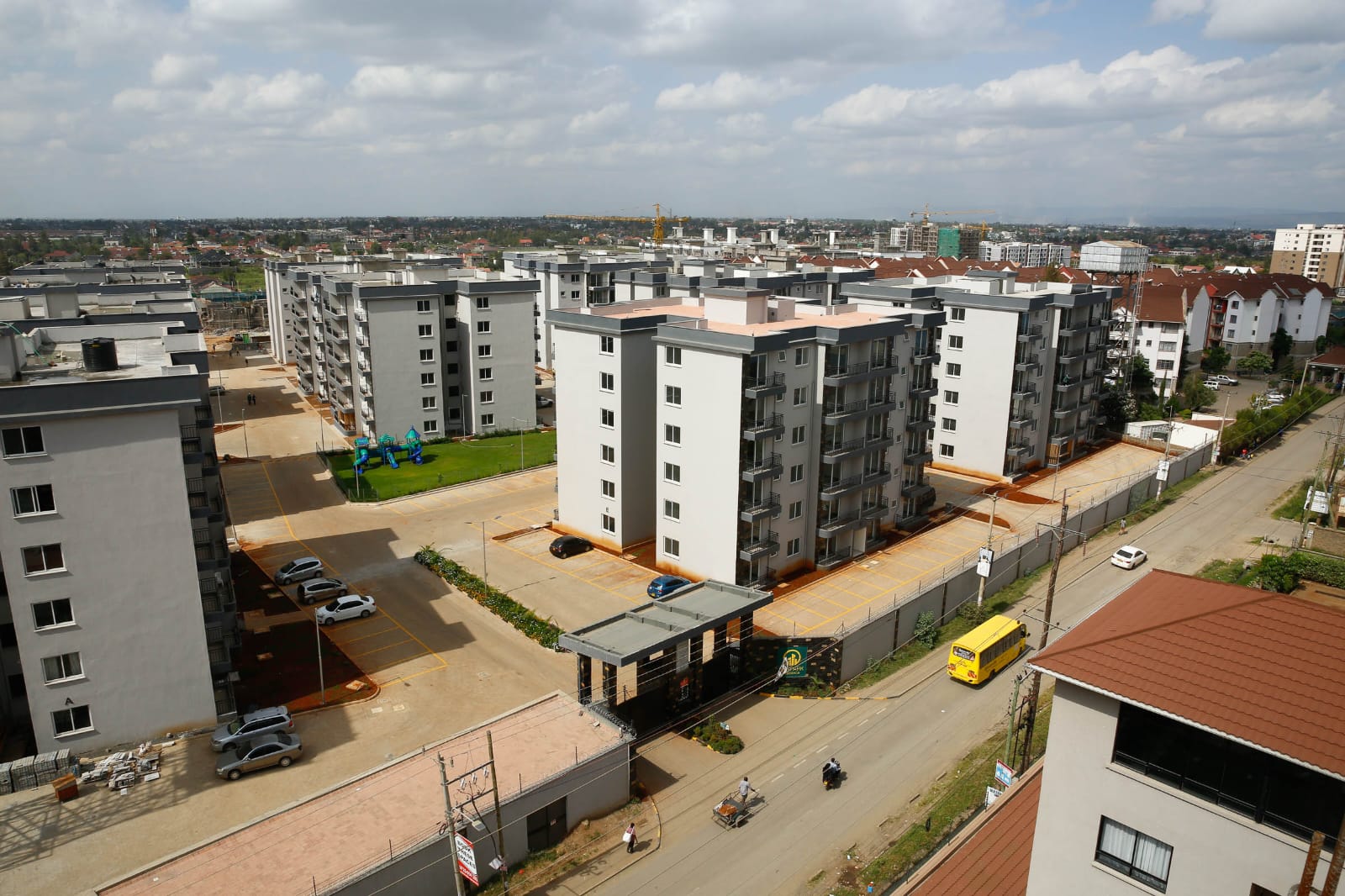
Discover a complete step‑by‑step guide to building apartments in Nairobi — from site selection, approvals, cost breakdowns to financing and rental strategy — everything you need for apartment construction in Kenya.
Why Build Apartments in Nairobi?
Investing in building apartments in Nairobi has become one of the most lucrative opportunities for developers and property investors. With the city’s growing population and rising demand for rental housing, constructing apartments in strategic locations offers both high returns and long-term asset growth. This guide covers the essential aspects of apartment construction in Kenya, helping you plan effectively from land acquisition to rental strategy.
Demand Drivers and Investment Case in Nairobi
The Nairobi rental market continues to expand due to:
- Rapid urbanisation and population growth
- Young professionals seeking modern housing
- Limited availability of quality rental units in high-demand areas
Understanding these drivers helps developers identify the right location, unit mix, and pricing strategy. Proper market research ensures that your apartment project meets tenant needs while maximising ROI.
Apartment Construction Kenya vs Other Housing Types
When comparing apartment construction in Kenya to other housing types like single-family homes or townhouses, apartments offer:
- Higher rental yield per plot of land
- Efficient use of limited urban space
- Easier management and long-term scalability
While the initial investment might be higher, apartments generally provide a better return in dense Nairobi neighbourhoods. This makes them a preferred option for both first-time and seasoned developers.

Key Cost Benchmarks for Apartments in Kenya (and Nairobi)
Step‑by‑Step Guide to Building Apartments in Nairobi
Understanding costs is crucial before starting apartment construction in Nairobi. Typical benchmarks include:
- Labour costs: vary by skill and location
- Material costs: depend on finishes and design
- Professional fees: architects, engineers, and legal consultants
- Regulatory fees: permits and approvals
Current rates in Nairobi range from economy to mid-range apartments, with prices escalating in prime areas. Always include a contingency of 10–15% to account for unforeseen expenses.
Risks, Regulatory Issues & Common Pitfalls to Avoid
Building apartments in Nairobi comes with several risks and challenges:
- Delays in regulatory approvals and building permits
- Escalating material and labour costs
- Contractor disputes or poor workmanship
- Non-compliance with building codes and Nairobi County regulations
Mitigating these risks requires careful planning, hiring experienced professionals, and consistent site supervision. Developers should also conduct due diligence on land titles and zoning requirements before starting construction.
Understanding the Nairobi Apartment Market
To succeed in building apartments in Nairobi, you must have a thorough understanding of the local apartment market. This involves analysing rental demand, tenant preferences, and current development trends. By studying these factors, developers can make informed decisions on location, unit mix, finishes, and pricing, which directly affect occupancy rates and long-term profitability.
Rental Demand by Area and Tenant Profile
Rental demand in Nairobi varies significantly depending on the neighbourhood, type of tenant, and proximity to key amenities. Areas near business districts, universities, and transport hubs tend to attract young professionals, students, and interns. Conversely, suburban and residential areas are more popular with families looking for safety, larger units, and community amenities.
High-demand areas often share these characteristics:
- Proximity to workplaces and public transport
- Access to schools, hospitals, and shopping centers
- Well-planned infrastructure and secure neighbourhoods
Understanding these tenant profiles allows developers to design apartments that meet actual market needs. This ensures higher occupancy, consistent rental income, and better ROI for your apartment construction project in Nairobi.
Popular Unit Sizes and Preferred Finishes
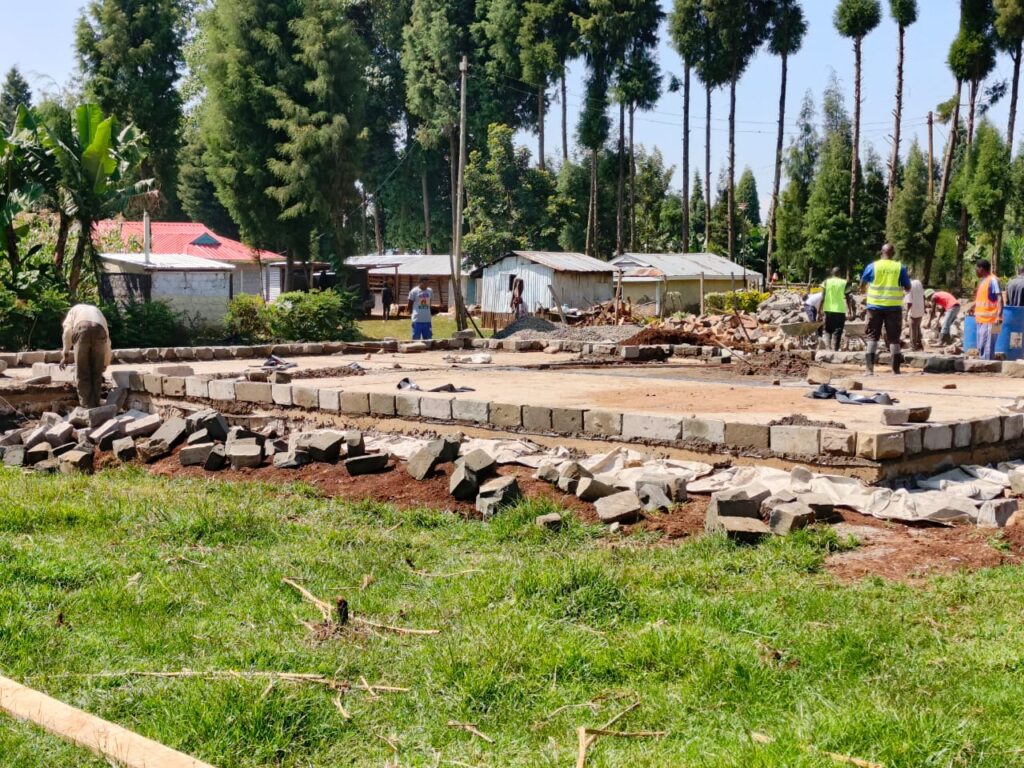
When planning apartment construction in Nairobi, choosing the right unit sizes and finishes is crucial to attract tenants and maximise rental income. Bedsitters and 1-bedroom units are ideal for single professionals or students, providing affordable and convenient options. 2-bedroom apartments are often preferred by small families or sharers, offering a balance between cost and space. Developers targeting high-end tenants may also consider 3-bedroom units or duplex layouts.
Preferred finishes often influence rental value and tenant satisfaction:
- Tiled or laminated flooring for durability and modern aesthetics
- Fitted kitchens with quality cabinets and countertops
- Modern plumbing fixtures and well-designed bathrooms
- Durable and energy-efficient fittings
By matching unit sizes and finishes to the target tenant group, developers can reduce vacancy periods, increase rental yields, and enhance the market appeal of their apartments in Nairobi.
Current Trends in Apartment Development
Nairobi’s apartment development sector is evolving rapidly due to urbanisation, changing lifestyle preferences, and technological advancements. High-rise apartments are increasingly common in central business districts, providing vertical solutions for limited land. Mixed-use developments combining commercial spaces and residential units are gaining popularity, attracting tenants who value convenience and amenities within walking distance.
Sustainability is also becoming a significant factor in apartment design. Green construction practices, energy-efficient lighting, and water-saving fixtures are increasingly favored by tenants and developers alike. Developers who adopt these trends can differentiate their projects in a competitive market and achieve higher long-term returns. Staying informed on evolving market trends ensures your apartment construction in Nairobi aligns with modern expectations and maximises profitability.
Choosing the Right Land and Location
Selecting the right land is one of the most critical steps in building apartments in Nairobi. A well-chosen plot not only reduces construction risks but also ensures high rental demand and long-term value appreciation. Developers must consider legal ownership, zoning regulations, accessibility, amenities, and environmental factors before making a purchase.
Title Verification, Zoning, and Plot Suitability
Before buying land, it is essential to verify the title to ensure it is free from disputes or encumbrances. Nairobi County requires developers to adhere to zoning regulations, which dictate the type and height of buildings allowed. Evaluating plot suitability involves checking size, shape, and proximity to essential services.
Key steps include:
- Conducting a land title search at the Kenya Land Registry
- Ensuring compliance with Nairobi County zoning laws
- Assessing plot dimensions and whether it supports your planned apartment design
Proper title verification and zoning compliance help avoid legal challenges and costly project delays.
Accessibility and Amenities that Boost Rental Value
Accessibility is a major factor in apartment desirability. Tenants prefer locations with easy access to public transport, main roads, and commercial hubs. Amenities such as schools, hospitals, shopping centers, and recreational facilities significantly increase rental appeal.
Consider the following when assessing a site:
- Distance to major roads and public transport hubs
- Availability of utilities such as water, electricity, and internet
- Nearby social amenities that appeal to target tenants
Selecting land with excellent accessibility and nearby amenities ensures faster rental uptake and higher long-term returns.

Environmental and Topographical Considerations
Environmental and topographical factors impact construction costs, design, and long-term sustainability. Steep slopes, poor drainage, or flood-prone areas can increase foundation costs and pose maintenance challenges. Environmental considerations, including soil stability, tree protection, and compliance with NEMA regulations, are essential.
Points to evaluate:
- Soil type and bearing capacity for foundation planning
- Flood risk and natural drainage systems
- Presence of protected vegetation or environmental restrictions
Taking these factors into account helps prevent construction delays, structural issues, and regulatory non-compliance.
Conducting a Feasibility Study
A feasibility study is essential to determine whether your apartment construction project in Nairobi is financially and practically viable. This process helps developers forecast costs, estimate rental income, and analyse market competition before committing capital.
Cost Estimation and Preliminary Budget
Estimating costs early ensures that the project stays within financial limits. Cost components include land acquisition, professional fees, construction materials, labour, and permits. Developers should also include contingency funds of 10–15% to accommodate unforeseen expenses.
Key steps:
- Draft a preliminary budget for all construction phases
- Factor in escalation due to inflation and supply shortages
- Include professional fees and regulatory costs
A well-prepared cost estimate prevents budget overruns and improves investor confidence.
Internal link suggestion: Link “cost estimation and budget” → to a detailed cost guide for apartment construction in Kenya.
Expected Rental Income and ROI Calculation
Calculating expected rental income helps assess project profitability. The rental yield is influenced by unit mix, location, finishes, and market demand. Developers should also calculate payback periods and long-term ROI to justify investment.
Considerations include:
- Market rental rates for different unit types in Nairobi
- Occupancy rates in similar developments
- Long-term appreciation and operating costs
Accurate ROI calculations guide investment decisions and help secure financing.
Market Research and Competitive Analysis
Analysing the market and competition ensures your apartments meet tenant expectations and stand out. Developers should assess existing supply, pricing trends, tenant preferences, and competitor amenities.
Key actions include:
- Survey nearby apartment developments for rental rates and occupancy
- Identify gaps in the market, such as unit sizes or amenities
- Adjust your project plan to offer competitive advantages
Effective market research ensures high occupancy, optimised pricing, and successful project execution.

Securing Regulatory Approvals
Obtaining regulatory approvals is critical before commencing apartment construction in Nairobi. Compliance with Nairobi County and national regulations ensures legal construction, avoids fines, and facilitates smooth project execution.
Planning and Building Permits in Nairobi County
A building permit is mandatory for any apartment project. Developers must submit architectural, structural, and civil plans to Nairobi County for approval. Permit approval can take weeks or months, depending on completeness and compliance.
Steps to follow:
- Submit approved architectural and engineering drawings
- Pay applicable fees and obtain a planning permit
- Await review and approval from Nairobi County planning officers
Securing these permits ensures your apartment project is fully compliant and avoids legal disputes.
Environmental Clearances (NEMA)
The National Environment Management Authority (NEMA) requires environmental assessments for apartment projects. Clearance ensures the project does not harm the environment and complies with sustainability standards.
Key points:
- Conduct an Environmental Impact Assessment (EIA) if required
- Submit EIA reports to NEMA for review
- Obtain clearance certificate before construction begins
Environmental compliance reduces legal risks and demonstrates responsible development practices.
Compliance with Building Codes and Bylaws
Apartments must comply with national and county building codes, including structural, fire safety, plumbing, and electrical standards. Non-compliance can result in fines, forced redesigns, or demolition.
Compliance steps include:
- Engaging licensed architects and engineers
- Following Nairobi County building bylaws and national standards
- Scheduling inspections at key construction milestones
Adhering to codes ensures safety, durability, and long-term value for your apartment construction project in Nairobi.
Designing the Apartment Block
Effective design is critical when building apartments in Nairobi. A well-designed apartment block not only maximises usable space but also improves tenant satisfaction and long-term rental value. Developers should carefully plan unit mix, layouts, and incorporate sustainable design elements to create modern, marketable apartments.
Unit Mix: Bedsitter, 1‑Bed, 2‑Bed, 3‑Bed
Selecting the right unit mix ensures your apartment caters to target tenants and maximises rental yield. Bedsitters and 1-bedroom units appeal to single professionals and students, while 2-bedroom apartments attract small families or sharers. Luxury or 3-bedroom units are suitable for higher-end tenants seeking more space and privacy.
When planning unit mix, consider:
- Tenant demographics and income levels
- Expected rental income per unit type
- Balance between smaller units for high turnover and larger units for long-term tenants
Layout Planning: Common Areas, Parking, Vertical Circulation
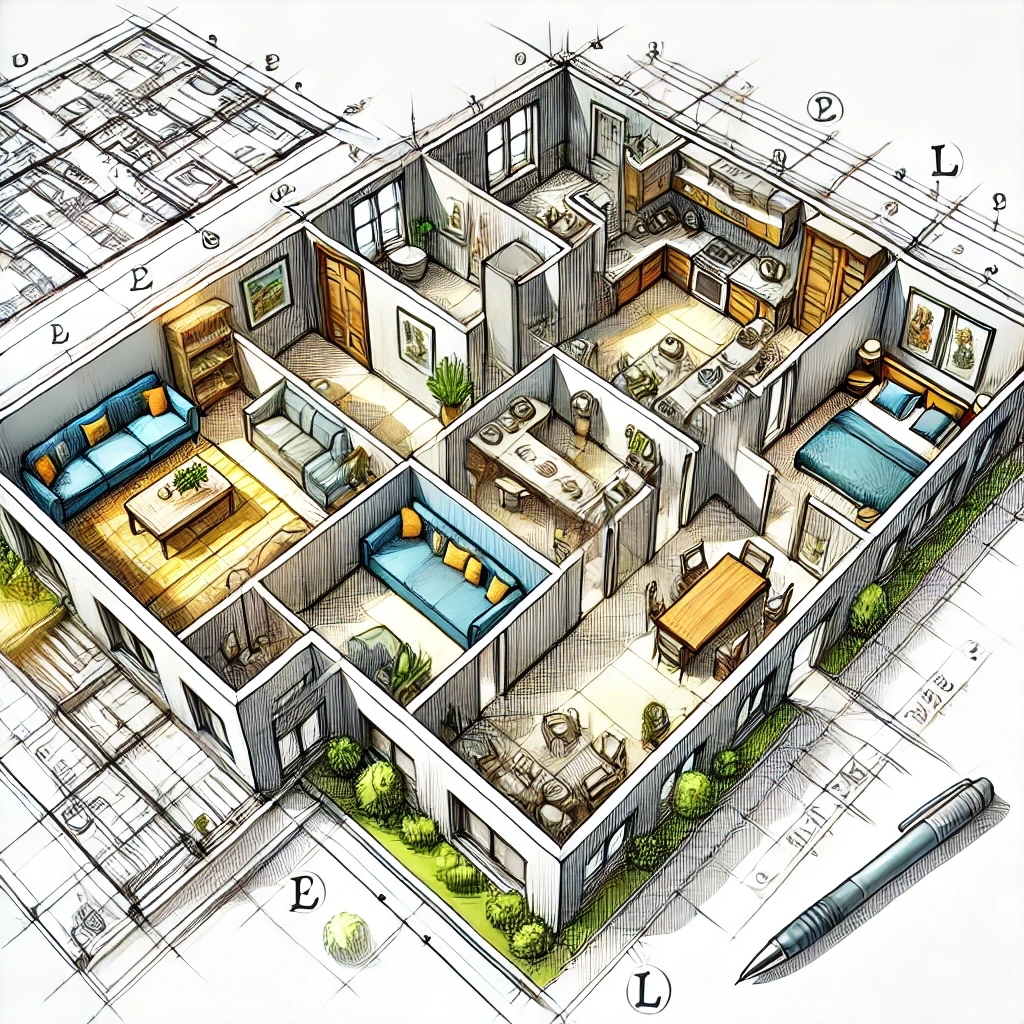
Efficient layout planning impacts tenant convenience, safety, and property value. Key considerations include:
- Common areas such as lobbies, lounges, and stairwells
- Adequate parking for residents and visitors
- Efficient vertical circulation via stairs and elevators
Thoughtful layout planning ensures smooth flow, maximises usable space, and improves marketability of apartments in Nairobi.
Sustainability and Green Design Considerations
Incorporating sustainability and green design adds long-term value to apartments. Energy-efficient lighting, water-saving fixtures, solar water heaters, and proper insulation reduce operational costs and attract environmentally conscious tenants.
Benefits include:
- Lower utility costs for tenants
- Compliance with environmental regulations (NEMA)
- Enhanced property branding and market appeal
Sustainable designs are becoming a major trend in apartment construction Kenya, improving ROI and tenant retention.
Material Selection and Finishes
Choosing the right materials and finishes affects both construction cost and tenant perception. Developers must balance quality, durability, and aesthetics to ensure the apartment is attractive and cost-effective.
Economy, Mid-Range, and Luxury Material Options
Material selection depends on your target market. Economy materials reduce initial costs but may impact long-term durability. Mid-range materials balance cost and quality, while luxury finishes appeal to high-end tenants and can command higher rents.
Considerations include:
- Flooring: tiles, vinyl, or marble
- Kitchen and bathroom fixtures
- Paint, lighting, and cabinetry quality
Cost Impact of Different Finishes
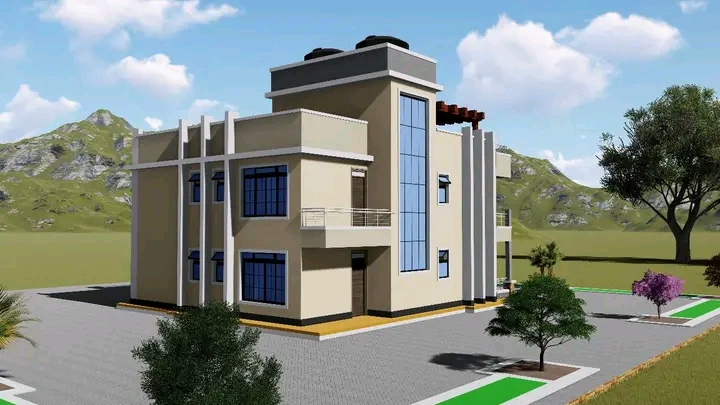
Finishes directly influence construction cost and perceived value. High-quality finishes increase upfront costs but attract better tenants and higher rental income. Budget-conscious projects may opt for mid-range finishes that are durable yet cost-effective.
Points to consider:
- Tile vs laminate flooring
- Branded vs standard plumbing fixtures
- Paint quality and longevity
Value Engineering to Optimise Budget
Value engineering helps reduce construction costs without sacrificing quality. By optimising material use, simplifying designs, and negotiating supplier contracts, developers can stay within budget while maintaining apartment standards.
Effective strategies include:
- Substituting materials with equally durable but cheaper alternatives
- Reducing unnecessary decorative elements
- Planning efficient structural designs to minimise waste
Construction Process Step-by-Step
A structured construction process is essential for timely completion and quality control in apartment construction in Nairobi. Developers should follow each phase carefully, from site preparation to finishing works.
Site Preparation and Foundation Works
Proper site preparation ensures a stable foundation and long-lasting structure. This phase includes clearing the land, excavation, soil testing, and laying the foundation according to structural designs.
Key activities:
- Soil testing to determine bearing capacity
- Excavation and leveling
- Foundation laying and curing
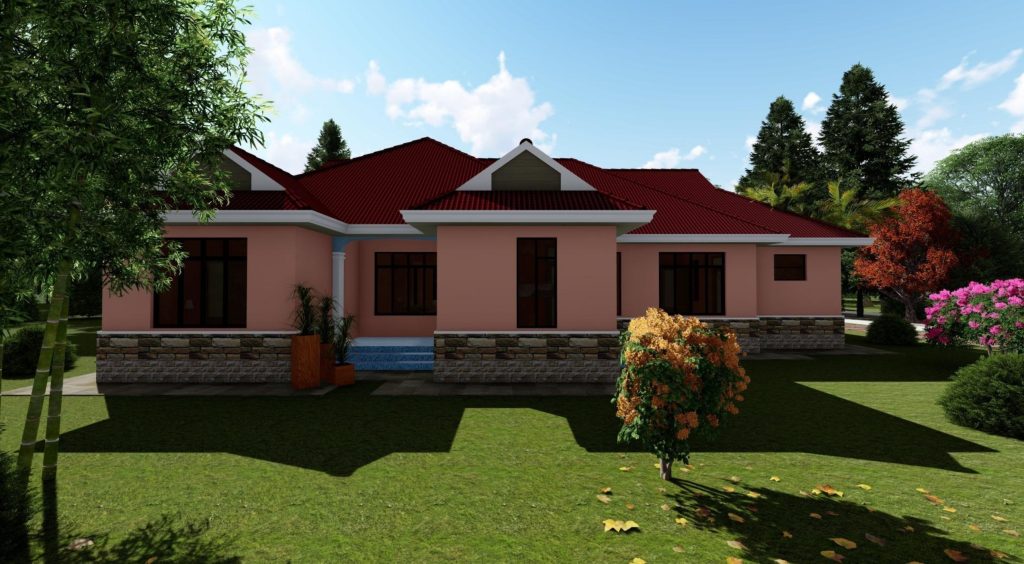
Superstructure: Columns, Beams, Slabs, Walls
The superstructure forms the skeleton of the apartment block. Columns, beams, slabs, and walls must be built to engineering specifications to ensure strength and durability.
Considerations include:
- Quality of concrete and steel reinforcement
- Proper alignment and curing of structural elements
- Periodic inspections during construction
MEP Works: Plumbing, Electrical, HVAC
Mechanical, Electrical, and Plumbing (MEP) installations are crucial for functionality and tenant satisfaction. This includes water supply, drainage, electrical wiring, and HVAC systems.
Key points:
- Ensure MEP design aligns with building codes
- Coordinate with other construction activities to avoid clashes
- Test all systems before finishing works
Internal link suggestion: Link “apartment MEP installations Nairobi” → to a guide on plumbing, electrical, and HVAC installations.
Finishing Works: Flooring, Painting, Fixtures
Tips for efficiency:
- Use durable materials for high-traffic areas
- Schedule painting and tiling after MEP checks
- Inspect finishes for quality and consistency
Quality Control and Site Supervision
Maintaining quality throughout construction ensures safety, compliance, and long-term durability. Regular site inspections, testing of materials, and adherence to design specifications are essential.
Effective practices:
- Conduct weekly site inspections
- Document any deviations or defects
- Engage qualified supervisors and engineers
Managing Construction Costs
Effectively managing construction costs for apartments in Nairobi is crucial to ensure your project remains profitable and on schedule. With rising material prices and labour costs, developers need a clear understanding of expenses, potential hidden costs, and strategies to optimize spending without compromising quality.
Breakdown of Major Cost Components
Understanding where money goes helps developers plan budgets accurately. The main cost components in apartment construction in Nairobi typically include:
- Land acquisition: the price of the plot and associated legal fees
- Labour costs: skilled and unskilled workforce salaries
- Materials: cement, steel, tiles, paints, plumbing, and electrical supplies
- Professional fees: architects, engineers, surveyors, and project managers
- Regulatory fees: permits, approvals, and inspection costs
By analysing each component, developers can allocate funds appropriately and avoid unexpected budget shortfalls.
Hidden/Contingency Costs and Escalation Risks
Hidden costs and price escalations can derail even the best-planned projects. Factors like sudden material price hikes, design changes, or unforeseen site challenges can significantly increase expenses.
Key risks include:
- Inflation-driven material and labour cost increases
- Delays due to regulatory approvals or contractor inefficiency
- Extra expenses for unexpected soil or structural issues
Setting aside a contingency fund of 10–15% of the total budget helps absorb these unforeseen costs without affecting project completion.
Tips for Reducing Cost Without Compromising Quality
Developers can optimise costs while maintaining high-quality standards by implementing strategic measures. Effective cost management ensures profitability and tenant satisfaction.
Proven tips include:
- Using value engineering to replace expensive materials with equally durable alternatives
- Simplifying designs where possible without affecting aesthetics or functionality
- Bulk purchasing of materials to reduce unit costs
- Hiring experienced contractors to minimise errors and rework
- Monitoring labour productivity and material usage regularly
Applying these strategies allows for cost-efficient apartment construction in Nairobi while maintaining structural integrity and tenant appeal.
Financing Your Apartment Project
Securing adequate funding is essential when building apartments in Nairobi, as apartment projects require substantial capital for land, construction, and professional fees. Developers must explore multiple financing options, understand their costs, and calculate expected returns to ensure the project is profitable and sustainable.
Developer Equity, Bank Loans, and Joint Ventures
Most apartment projects in Nairobi are funded through a combination of personal equity, bank loans, and joint ventures.
Key considerations:
- Developer equity: Using personal savings or reinvesting profits reduces dependency on external financing and avoids interest costs.
- Bank loans: Commercial banks offer construction loans and mortgages, but developers must meet collateral, interest rate, and repayment conditions.
- Joint ventures (JVs): Partnering with investors or landowners can share financial risk and reduce upfront capital requirements.
Choosing the right financing mix depends on your cash flow, risk tolerance, and the size of the apartment construction project in Nairobi.
ROI Calculation and Payback Period
Calculating return on investment (ROI) and payback period is critical for assessing project viability. ROI is influenced by construction costs, rental income, occupancy rates, and long-term property appreciation.
Key steps include:
- Estimate total construction and operational costs
- Forecast monthly rental income based on unit mix and location
- Calculate ROI using the formula: (Net Income ÷ Total Investment) × 100
- Determine the payback period to know how long it will take to recover your investment
Accurate ROI and payback calculations help developers secure financing and make informed decisions on apartment construction in Nairobi.

Alternative Funding Options
Apart from traditional financing, alternative funding methods can support apartment construction in Nairobi. These options are especially useful for developers with limited capital or high-risk projects.
Examples include:
- Private equity investors seeking high-return real estate opportunities
- Crowdfunding platforms allowing multiple small investors to fund projects
- Government or NGO grants for affordable housing or sustainable construction initiatives
Exploring alternative funding sources can reduce financial pressure and increase access to capital for apartment construction projects in Nairobi.
Marketing and Leasing Strategy
A strong marketing and leasing strategy is essential for apartments in Nairobi to achieve high occupancy and consistent rental income. Developers must position their property effectively, choose the right channels, and implement professional property management practices.
Branding the Development
Branding goes beyond naming the apartment block; it creates a lasting impression on tenants and differentiates your development from competitors. A well-branded apartment project conveys quality, reliability, and modern living standards.
Key branding strategies include:
- Creating a memorable name and logo for the development
- Emphasising unique selling points such as security, amenities, or location
- Highlighting sustainability or energy-efficient features to attract modern tenants
Marketing Channels and Rental Pricing
Effective marketing ensures that apartments are leased quickly and at optimal rates. Developers should use multiple channels to reach potential tenants while setting competitive rental prices.
Recommended approaches:
- Listing on online rental platforms and real estate portals
- Advertising via social media and property agencies
- Hosting open house tours for prospective tenants
For pricing, consider market rates, location, unit size, finishes, and amenities. Accurate pricing combined with strategic marketing maximises rental income from apartments in Nairobi.
Tenant Retention and Property Management
Long-term profitability depends on retaining tenants and maintaining the property efficiently. Professional property management ensures the building remains attractive, safe, and functional.
Key practices include:
- Prompt maintenance and repair services
- Clear communication of rules, rent payment schedules, and service charges
- Implementing security measures and community management
Good property management not only retains tenants but also protects your investment in apartment construction in Nairobi.
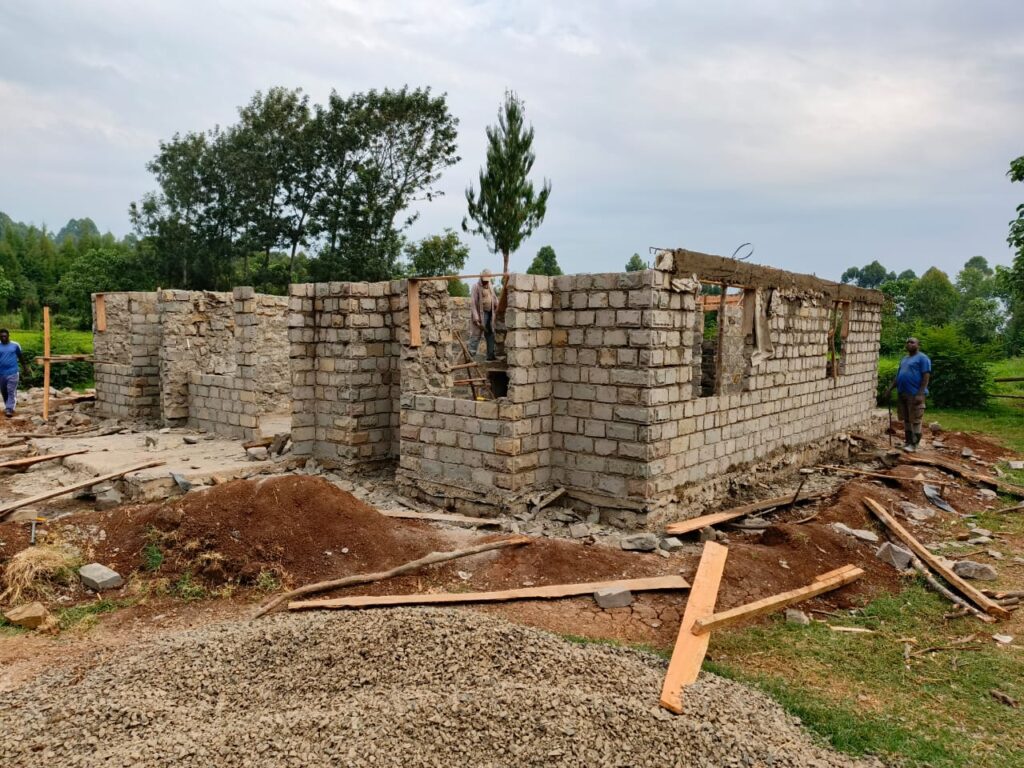
Common Challenges and Mitigation Strategies
Apartment development in Nairobi faces several challenges that can affect timelines, costs, and overall project success. Identifying these risks and implementing mitigation strategies is essential for smooth construction and long-term returns.
Material and Labour Cost Escalation
Rising material and labour costs are common in Nairobi and can significantly affect project budgets. Price fluctuations may result from inflation, supply shortages, or high demand for skilled labour.
Mitigation strategies include:
- Bulk purchasing materials early to lock in prices
- Using cost-effective alternatives without compromising quality
- Negotiating fixed-price contracts with contractors where possible
Proper planning reduces the impact of cost escalation on apartment construction in Nairobi.
Contractor Risks and Dispute Resolution
Selecting and managing contractors is critical, as delays, poor workmanship, or disputes can disrupt the construction schedule.
Key approaches include:
- Vetting contractors through past project references and NCA registration
- Clear contracts detailing scope, timelines, and penalties for delays
- Establishing dispute resolution mechanisms to avoid prolonged legal battles
Effective contractor management ensures quality and timely delivery for your apartments in Nairobi.
Regulatory Delays and Site-Specific Risks
Regulatory delays, such as slow approvals or inspections, can affect project timelines. Site-specific risks like poor soil, flood-prone areas, or proximity to neighboring structures can also pose challenges.
Mitigation includes:
- Engaging experienced consultants to navigate Nairobi County regulations
- Conducting thorough site assessments before construction
- Including contingency time and funds in your project schedule
Proactive risk management ensures smoother execution of apartment construction projects in Nairobi.
Conclusion
Successfully building apartments in Nairobi requires careful planning, disciplined execution, and adherence to best practices across all phases of development. From selecting the right land, conducting feasibility studies, designing the apartment block, and managing construction costs, each step contributes to a profitable and sustainable project.
Key takeaways include:
- Conduct thorough site selection and title verification to reduce risks
- Prepare detailed budgets, including contingency funds, to avoid cost overruns
- Incorporate modern design, sustainable practices, and tenant-focused finishes
- Engage qualified professionals such as architects, engineers, and contractors
- Implement effective marketing, leasing, and property management strategies
By following these guidelines, developers can maximise ROI, attract tenants quickly, and create high-quality apartments that meet Nairobi’s growing rental demand.