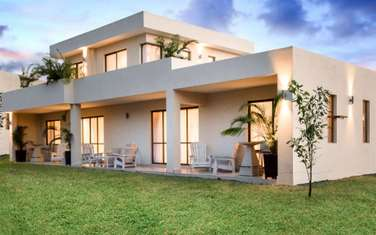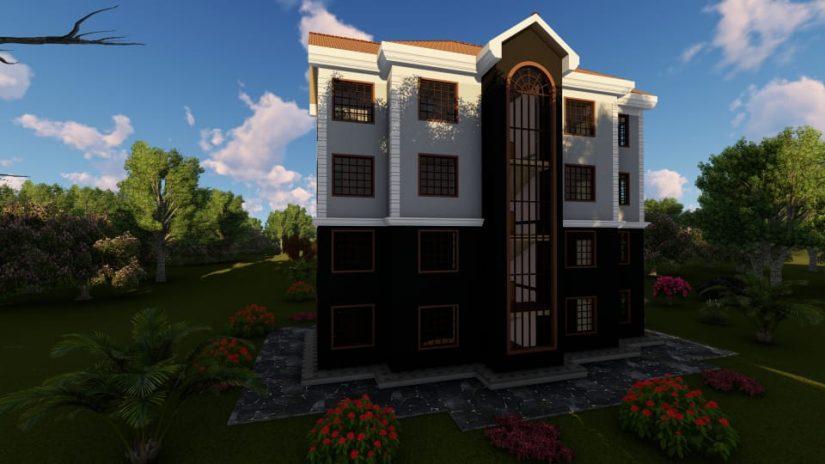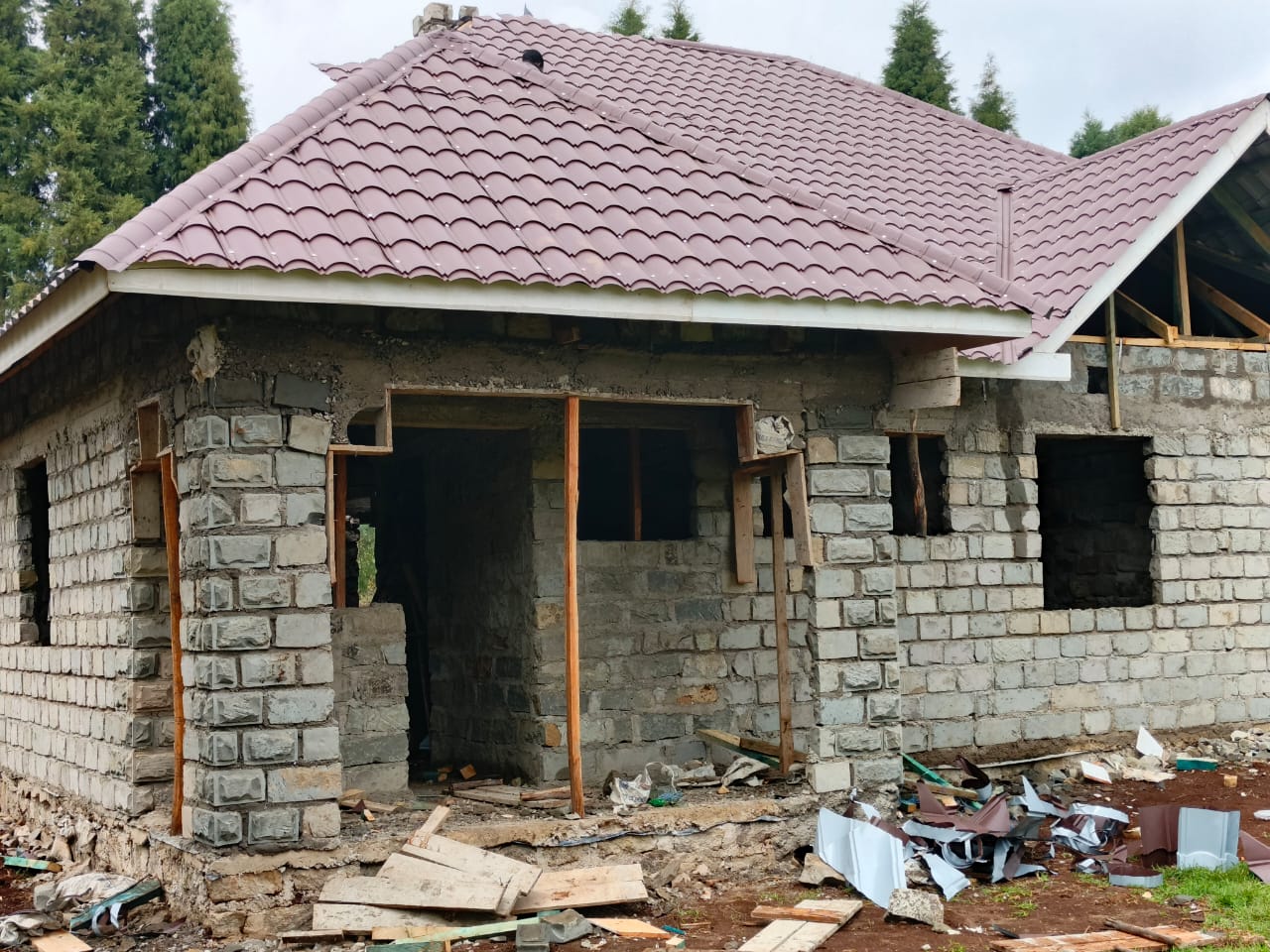
Small House Designs in Kenya — Explore modern small house plans, accurate 2025 building costs, space-saving ideas, materials, photos, and expert tips. Compare designs, download plans, and get quotes for your project.
Introduction — Why Small Homes Are the New Trend in Kenya (2025)
Small house designs in Kenya are quickly becoming the top choice for new homeowners because they offer a balance of low cost, modern style, and efficient use of space. Many Kenyans are now choosing these homes to reduce construction expenses while still enjoying a clean, comfortable, and attractive living environment. Rising land prices in Nairobi, Kiambu, Nakuru, and Mombasa have also pushed people toward smaller homes that fit easily on compact plots. Younger buyers especially prefer minimal, practical designs because they match modern lifestyles and are cheaper to maintain over the long term.
Popular Types of Small House Designs in Kenya (With Photos & Estimates)
Kenya offers a wide range of small house designs that combine beauty, functionality, and affordability, making them ideal for homeowners working with limited space or budgets. These designs are intentionally created to maximise every metre of space while still offering the modern look most people want today. Builders and architects continue to improve these home plans by including open layouts, high natural lighting, and smart storage solutions. Below are the top small house designs attracting interest across Kenya in 2025.
One-Bedroom Small House Designs
One-bedroom small house designs are perfect for individuals, young couples, or anyone building their first home because they offer simplicity and low construction costs. These homes fit comfortably on very small plots like 40×40, making them ideal for urban areas with limited land availability. Many modern one-bedroom plans now feature open-plan living rooms, compact kitchens, and creative built-in storage to maximise space. They are also popular among investors who want affordable rentals that are fast to build and easy to manage.
Two-Bedroom Compact Bungalows
Two-bedroom compact bungalows remain the most popular option for small families and young professionals who want a balance between space, comfort, and affordability. These homes fit well on 50×50 or 50×100 plots, giving enough outdoor space for parking or a small garden. Modern designs often include spacious living rooms, master ensuite bedrooms, and well-arranged kitchens that make the home feel larger than it is. Many homeowners choose this design because it provides long-term comfort without pushing the budget too high.
Small Maisonette Designs (For 40×60, 50×100)
Small maisonette designs are an excellent solution for people who want more rooms without expanding the building footprint, especially on narrow plots like 40×60. By building upwards, homeowners can enjoy extra bedrooms, better privacy, and a modern exterior look while keeping the construction area compact. These designs are ideal for families who need more living space but want to reduce the total building cost. They also offer opportunities for stylish balconies, high windows, and improved ventilation, which are harder to achieve in flat bungalows.
Studio & Bedsitter-Style Modern Tiny Homes
Studio and bedsitter-style tiny homes are gaining popularity in Kenya because they are extremely affordable and quick to construct. These designs work perfectly for young adults, single professionals, or landlords who want rental units that perform well in high-demand areas. Tiny homes use open layouts, large windows, and smart furniture designs to make a small space feel comfortable and spacious. They are especially attractive to people who prefer simple living without the burden of managing a large home.
Airbnb-Ready Small Cottage Designs
Airbnb-focused small cottage designs are becoming a strong trend as more Kenyans invest in tourism-friendly locations like Naivasha, Nanyuki, Diani, Sagana, and coastal regions. These cottages are built to look beautiful, feel cosy, and attract guests who want a unique holiday experience. Many designs feature wooden finishes, high ceilings, open kitchens, and outdoor patios to create a welcoming atmosphere. Investors prefer these cottages because they require low construction costs yet offer high returns when listed on Airbnb or other short-stay platforms.
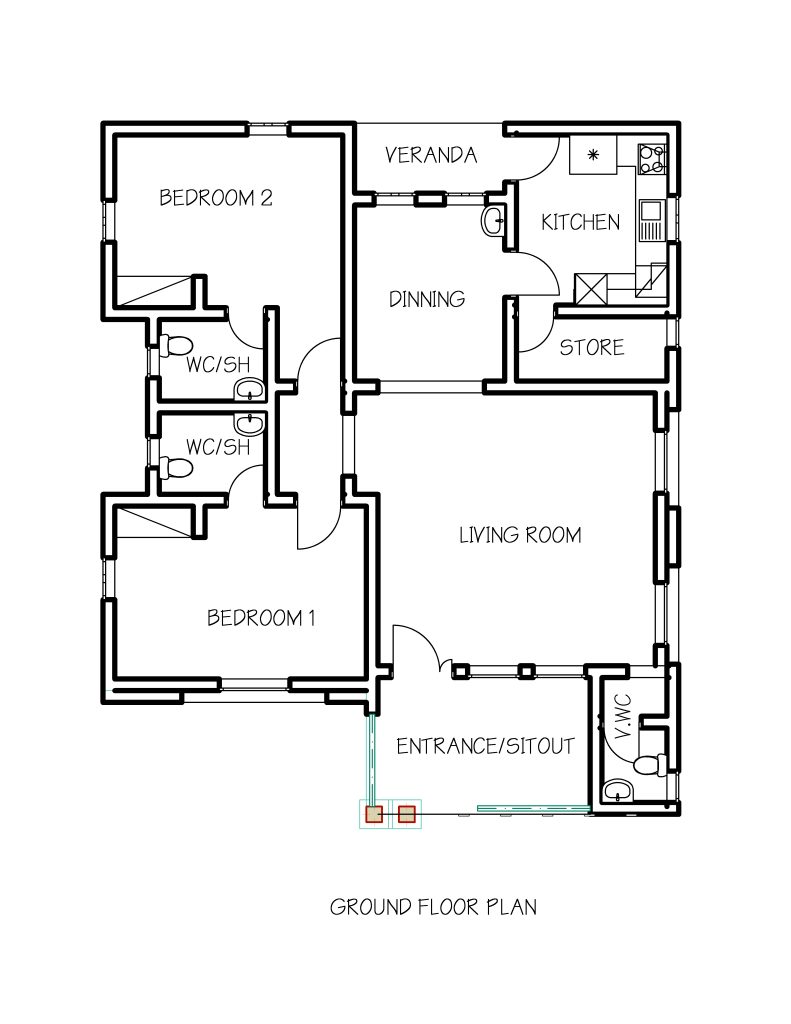
Modern Small House Designs (Trending 2025 Styles)
Modern small house designs in Kenya are shifting toward clean lines, open layouts, and energy-efficient materials that make compact homes feel bigger. Homeowners want stylish, functional spaces that blend beauty and practicality without increasing building costs. These 2025 design styles are especially popular because they work well on small plots and are easy to customise based on budget and location.
Flat-Roof Minimalist Homes
Flat-roof minimalist homes are trending because they give a sleek, modern look while saving on roofing costs. The simple roofline also allows homeowners to use the top as a rooftop terrace, laundry area, or outdoor lounge. These designs maximise vertical walls, making the rooms feel larger and brighter. Many young homeowners love flat-roof homes because they match urban architecture and fit perfectly on tight plots.
Scandinavian-Inspired Small Homes
Scandinavian small homes focus on simplicity, natural lighting, and warm interior finishes that make compact spaces feel calm and inviting. These designs often use light colours, wooden textures, and large windows to create a bright, open atmosphigh Homeowners choose them because they are affordable to build and offer a clean, minimalist aesthetic loved by modern families. This style is especially popular in cold regions like Limuru, Eldoret, and Nyeri because it retains heat well.
Contemporary L-Shaped Designs
L-shaped small homes are ideal for people who want privacy and better zoning within a compact layout. This shape naturally separates the living area from the bedrooms while creating a small courtyard or outdoor seating area in the corner space. It works well on medium-size plots like 50×50 and 50×100, where homeowners want an attractive yet functional footprint. Many people love L-shaped designs because they feel spacious and allow more natural light into the rooms.
Container-Style Small Homes
Container homes are increasingly popular in Kenya because they offer quick installation, lower construction costs, and a unique industrial look. These homes are perfect for people who want affordable housing or investors building rental cottages in tourist areas. With good insulation and creative interior finishes, a container home can feel just as comfortable as a traditional house. They also work well for locations where conventional construction is too expensive or slow.
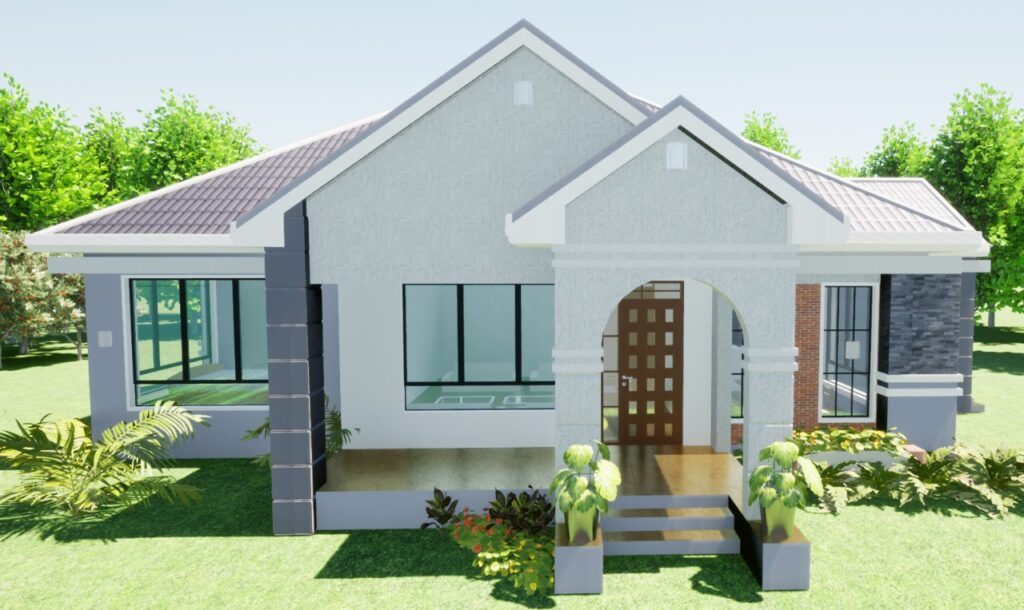
Small House Designs by Plot Size (40×40, 50×50, 50×100)
Choosing the right small house design depends heavily on plot size, especially in Kenya where land shapes and regulations vary across counties. Proper plot planning allows homeowners to maximise space without breaking zoning rules or wasting land. Most competitors rarely explain plot-size optimisation, yet it plays a major role in cost, layout, and privacy. The designs below show how to make the most out of different plot sizes.
Narrow Plot Designs (40×60 & Below)
Narrow plot designs use a long layout that stretches the rooms in a straight flow to save width and increase functionality. These houses often include corridor-free plans, open living areas, and vertical windows to make the home brighter. They are perfect for urban residents who buy small pieces of land and still want a comfortable, stylish home. With smart planning, even a narrow plot can comfortably fit one or two bedrooms.
Corner Plot Designs
Corner plots offer unique design opportunities because they allow two access points, better lighting, and improved ventilation. Small homes on corner plots can include parking on one side and a garden or relaxation area on the other without feeling squeezed. Architects often design L-shaped or U-shaped layouts to take advantage of the open sides. Many homeowners love corner plots because they offer more privacy and flexible design options.
Maximising Builds on 100 Sqm and Below
Building a home on 100 sqm or less requires creativity and clever design solutions to avoid cramped spaces. Most architects use open-plan living rooms, combined kitchen areas, and multi-functional spaces to make the home feel larger. The key is to eliminate unnecessary walls and use built-in storage to increase usable space. These ultra-compact designs are ideal for affordable housing, rentals, or first-time homeowners who want a modern yet budget-friendly build.
Cost of Building Small Homes in Kenya (2025 Updated)
The cost of building small homes in Kenya continues to change as material prices rise and labour rates adjust across counties. Small houses remain popular because they require fewer materials, less labour time, and smaller plots, making them more affordable for first-time homeowners. Most competitors fail to provide updated cost estimates, yet accurate cost information helps homeowners budget correctly and avoid surprises. Below are the most important cost areas to understand before starting construction in 2025.
Cost Per Sqm Comparison (Low, Mid, High-End Finishing)
The cost per square metre of a small house in Kenya depends on the quality of finishing materials used. Low-cost finishing uses basic tiles, standard roofing, and simple paint, making it the most affordable option for tight budgets. Mid-range finishing adds better tiles, improved cabinetry, and slightly higher-quality fixtures, creating a more polished look without being too expensive. High-end finishing includes premium tiles, gypsum ceilings, modern lighting, and custom fittings, which increase comfort but also raise the total cost.
Cost Breakdown: Materials, Labour, Permits
Every small house budget includes materials, labour, and county permits, which form the core expenses of the project. Materials take the highest portion because they cover cement, steel, roofing, doors, windows, and finishing items. Labour costs vary based on the contractor, the complexity of the design, and the region where construction takes place. County permits such as approvals, architectural drawings, and inspections also add to the total cost, especially in major towns like Nairobi and Kiambu.
Cheapest Small Houses to Build in Kenya
The cheapest small houses to build in Kenya are one-bedroom bungalows, bedsitters, and basic mabati homes because they need fewer materials and simple layouts. These designs are perfect for people building on a very tight budget or those who want quick rental units. Many homeowners also reduce costs by using open-plan designs, avoiding unnecessary walls, and choosing affordable finishes. With careful planning, even small homes can look modern and attractive without overspending.
Hidden Cost Factors (Site Prep, Soil Tests, Transport)
Many homeowners forget hidden costs like site preparation, soil testing, and material transport, yet these expenses can affect the final budget. Site preparation may involve clearing bushes, levelling the land, or removing rocks before construction begins. Soil tests are important because they help determine the strength of the soil and the type of foundation needed. Transport costs also vary depending on distance, road access, and whether materials are coming from local suppliers or major towns.
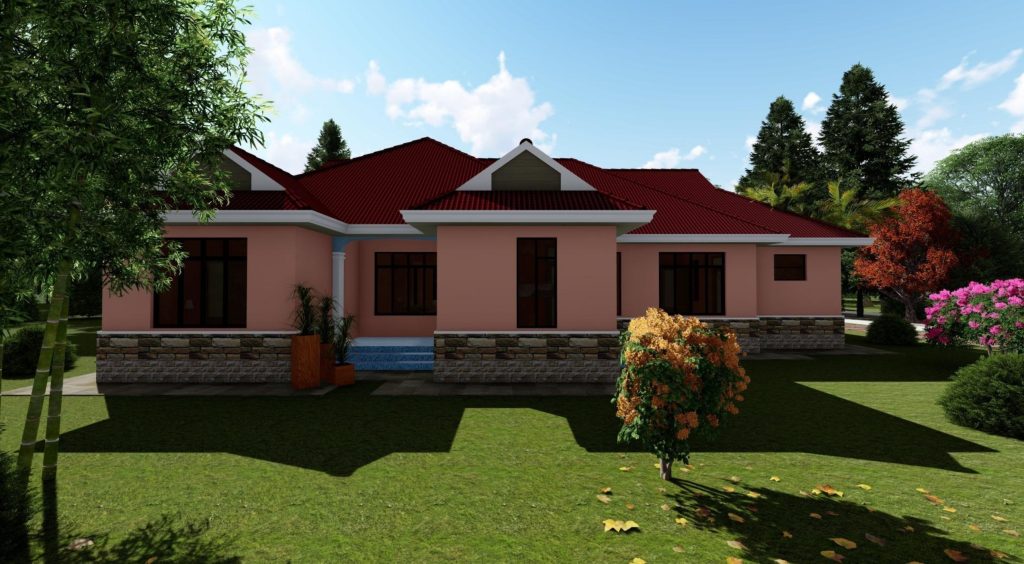
Affordable Building Materials for Small Homes in Kenya
Choosing the right building materials can help reduce construction costs while maintaining strength and durability. Many Kenyans now prefer affordable materials that are easy to install and provide good long-term value. Small homes benefit greatly from materials that save space, speed up construction, and reduce labour requirements. Here are the most cost-effective materials used in Kenya today.
Interlocking Blocks vs Masonry Stone
Interlocking blocks are becoming popular because they reduce cement use and speed up the building process due to their lock-in design. They are cost-effective, environmentally friendly, and ideal for small homes that need quick construction. Masonry stone, on the other hand, is stronger and more durable but often more expensive depending on the region. Homeowners choose between the two based on budget, plot location, and long-term durability needs.
Light Gauge Steel (LGS) for Fast Builds
Light Gauge Steel (LGS) systems allow construction to move faster because the frames are pre-engineered and assembled with precision. LGS homes are lightweight, earthquake-resistant, and perfect for small houses where speed and affordability matter. Many homeowners prefer LGS because it reduces onsite labour and offers a modern look with clean, straight finishes. It also performs well in areas with uneven soils where traditional stone foundations may be costly.
Modern Mabati Small Houses
Modern mabati houses have become a favourite for Kenyans who want low-cost but stylish small homes. These homes use high-quality steel sheets, insulated panels, and modern roofing designs to create attractive and durable structures. They are quick to install, require minimal maintenance, and work well for rentals or holiday cottages. With the right colour and interior finishes, mabati homes can look just as modern as stone-built houses.
Prefabricated Small Home Panels
Prefabricated home panels allow homes to be built in a very short time because the walls and roof components arrive ready-made. These panels offer strong insulation, fast assembly, and lower labour costs compared to traditional building systems. Prefab homes are ideal for remote areas or projects that need a quick turnaround without sacrificing quality. Many investors use prefab panels to build rental units, staff houses, and small cottages.

Space-Saving Interior Design Ideas for Small Homes
Interior planning is critical in small homes because it determines how spacious, comfortable, and functional the house feels. Small spaces can become stylish and highly efficient with the right layout choices and smart design ideas. Competitors often ignore interior optimisation, yet it plays a major role in improving the overall living experience. These ideas help homeowners enjoy maximum comfort even in compact homes.
Open-Plan Multifunction Living
Open-plan living combines the dining, kitchen, and sitting area into one open space to reduce the number of walls and create more room. This layout makes the home feel bigger and improves natural movement across the house. It also allows flexible furniture arrangement and better lighting because fewer walls block windows. Many small homes in Kenya now use open-plan layouts to create a modern, airy feel.
Smart Storage Solutions
Smart storage is essential in small homes because it helps reduce clutter and keep the space organised. Built-in cabinets, under-bed drawers, and wall-mounted shelves make good use of areas that would otherwise stay empty. Many homeowners also use multi-purpose furniture, such as beds with lift-up storage or foldable tables, to save even more space. Well-planned storage keeps small homes tidy and practical for everyday living.
-Vertical Space Optimisation
Vertical space optimisation focuses on using the height of the room instead of the floor area. Tall shelves, hanging cabinets, and ceiling-height wardrobes add extra storage without taking up walking space. This design trick helps reduce clutter and makes the house feel taller and more open. It’s a simple but effective strategy that works well in tiny homes, studios, and small bungalows.
Natural Lighting & Ventilation Tricks
Natural lighting can transform a small home by making it feel bright, warm, and more spacious. Large windows, skylights, and open layouts allow sunlight to reach every corner of the house. Proper ventilation also improves comfort by keeping the rooms fresh and cool, especially in warm regions like Mombasa or Kisumu. These design tricks reduce electricity costs and make the home more energy-efficient.
Essential Floor Plan Features for a Functional Small Home
Open vs closed kitchen layouts
Open kitchens make small homes feel bigger by blending the living, dining, and cooking areas into one bright space. They improve natural lighting and suit modern lifestyles where families spend more time in shared spaces. Closed kitchens offer privacy and control over cooking smells, but they can make compact homes feel more divided. The choice depends on the homeowner’s lifestyle, plot width, and preferred interior flow.
Bathroom positioning
Bathroom placement affects privacy, ventilation, and plumbing efficiency. The bathroom should be close to the bedrooms for convenience but positioned away from main activity zones. Proper alignment with kitchen plumbing reduces construction costs and minimises future repairs. Smart placement keeps the home comfortable, private, and easy to maintain.
Corridor-free planning
Corridor-free layouts eliminate wasted space and make small homes feel more open. Instead of long hallways, rooms connect directly from shared areas, improving natural flow and saving square metres. This design also reduces construction costs because fewer walls and doors are required. It’s a smart approach for maximising every inch of a compact home.
Outdoor extension areas (veranda, rooftop lounge)
Outdoor extensions increase usable space without expanding the footprint. A veranda creates a shaded relaxation area, while a rooftop lounge provides a private outdoor retreat in tight urban plots. These spaces improve airflow and add lifestyle value to the home. They make small homes feel more spacious, comfortable, and modern.

Landscaping & Outdoor Ideas for Small Plots in Kenya
Front yard optimisation
A carefully designed front yard makes a small home feel inviting without overcrowding the limited space. Using simple paths, compact greenery, and vertical plants keeps the area clean and functional. Good planning ensures easy access, better security, and a visually balanced entrance.
Low-maintenance gardens
Low-maintenance gardens are ideal for homeowners who want beauty without heavy upkeep. Hardy plants, gravel sections, and raised planters keep the compound neat while reducing water usage. This approach creates an attractive outdoor space that stays manageable year-round.
Parking solutions for small compounds
Small compounds need efficient parking solutions to avoid overcrowding the outdoor area. Angled parking, compact driveways, or lightweight carports help maximise space while keeping vehicles protected. Proper design ensures smooth movement and a tidy compound layout.
Small House Roof Options in Kenya (Costs & Pros/Cons)
Flat roof vs pitched roof
Flat roofs offer a sleek, modern appearance and allow for rooftop use, making them ideal for tight urban plots. They are cheaper to build but require good waterproofing to handle heavy rain. Pitched roofs offer better drainage and long-lasting performance, especially in rainy climates. Each option fits different budgets, weather conditions, and lifestyle needs.
Gable vs hipped roof
Gable roofs are simple, affordable, and effective for ventilation, making them a popular choice for small homes. Their open ends allow heat to escape easily but can be vulnerable in very windy areas. Hipped roofs slope on all sides, offering better wind resistance and a more polished look. The final choice depends on budget, climate, and desired aesthetics.
Heat regulation for small houses
Small homes heat up quickly, so the roof plays a major role in indoor comfort. Good insulation, light-coloured sheets, and ventilation gaps help maintain cooler interiors. Using reflective roofing materials also reduces heat absorption in hot regions. A well-designed roof ensures energy efficiency and comfortable living.
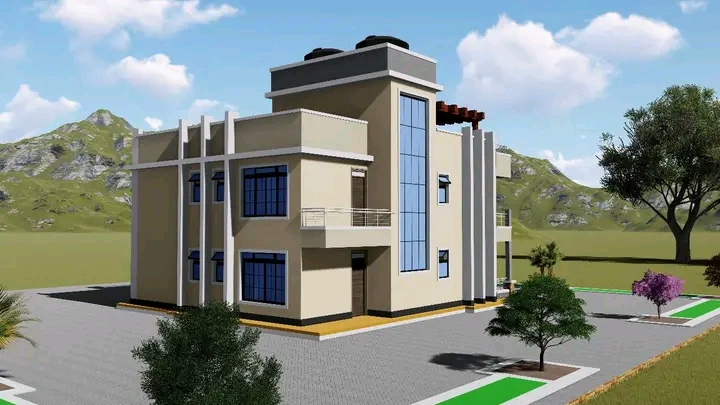
County Regulations & Approvals for Small Houses in Kenya
Understanding county regulations is a critical step for anyone planning to build a small home in Kenya. Proper compliance ensures the house is legally approved, safe, and avoids costly fines or demolition. Many competitors skip these regulatory details, but knowing the requirements helps homeowners plan better and budget correctly.
Building approval requirements
Before starting construction, homeowners must submit detailed building plans to their respective county government. The submission typically includes architectural drawings, structural engineering calculations, and a compliance certificate from a licensed engineer or architect. Counties review these documents to ensure the house meets safety, zoning, and design standards, which protect both occupants and neighbors. Approval confirms that the design is legal and adheres to the National Construction Authority (NCA) guidelines, preventing future legal complications.
Plot setbacks & zoning rules
Plot setbacks dictate how far the structure must be from plot boundaries, roads, and neighboring properties, while zoning rules control allowable building height, density, and land use. Adhering to setbacks ensures proper ventilation, privacy, and access for emergency services. Zoning regulations may also restrict commercial activities, number of floors, or roof types. Understanding and incorporating these requirements during the planning stage maximizes plot utilisation while avoiding violations that could lead to fines or redesign costs.
Why a soil test is mandatory
A soil test evaluates the ground’s composition and load-bearing capacity, which directly affects the type of foundation required for the house. Soil conditions vary widely across Kenya, from clay-heavy soils in Nairobi to sandy soils in coastal regions. A proper test ensures that foundations are built to prevent settlement, cracking, or structural failures. Counties often require a certified soil report as part of the building approval process, and skipping this step can result in legal issues and unsafe construction. Conducting a soil test early saves time, reduces risks, and ensures long-term structural integrity.
Small House Designs You Can Build in Phases (For Tight Budgets)
Phased construction is an excellent strategy for homeowners with limited funds. It allows you to start with essential spaces and gradually expand the home as resources become available. This approach minimises upfront financial pressure and provides flexibility for lifestyle changes, plot adjustments, and future family needs.
Build now, expand later
The “build now, expand later” strategy focuses on constructing essential rooms first, typically including a living area, kitchen, and at least one bedroom. Additional bedrooms, bathrooms, or verandas can be added in future phases without disrupting the existing structure. This phased approach allows homeowners to occupy a functional home immediately while planning expansions according to future finances. It also helps in assessing actual space needs before making permanent changes, which reduces waste and maximises efficiency.
Semi-finished interiors strategy
Semi-finished interiors involve leaving certain areas of the house, such as ceilings, flooring, or plastering, incomplete in the initial phase. Homeowners can complete these elements later when funds allow, avoiding large upfront costs. This method ensures that the house is liveable from the start, while still allowing flexibility to upgrade finishes or modify layouts according to evolving preferences. Many small homes in peri-urban and rural Kenya successfully use this approach to stay within budget without sacrificing comfort.
Phase-by-phase budgeting
Creating a phase-by-phase budget helps track expenses, ensuring each stage is affordable and achievable. Each construction phase should have a clear allocation for materials, labour, permits, and contingency funds. This method prevents overspending, delays, and compromises in quality. Proper phased budgeting also helps homeowners seek partial financing, loans, or savings to complete each stage without accumulating debt. A structured budget keeps the project manageable while gradually building a complete, functional home.
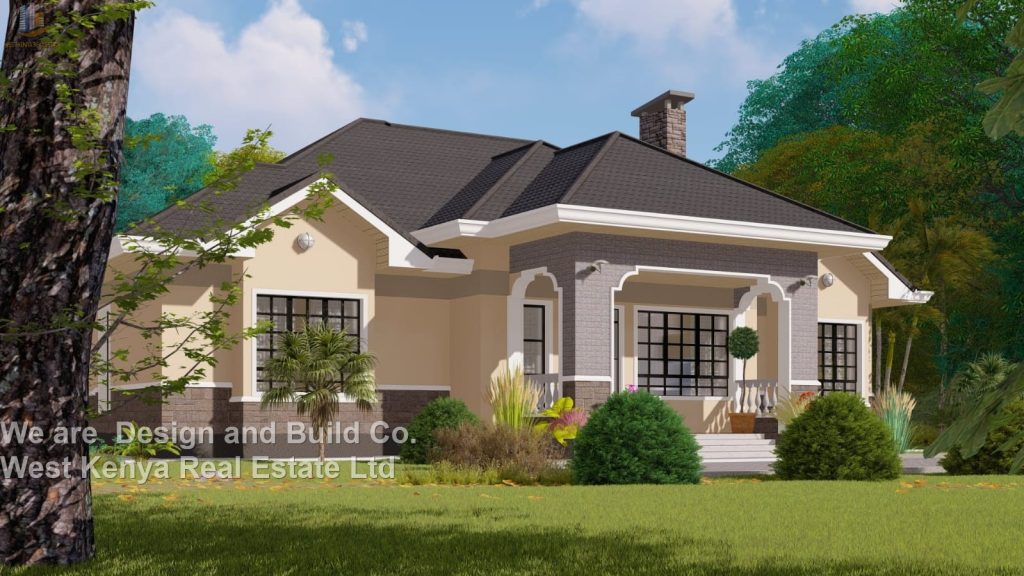
Where to Get Affordable Small House Plans in Kenya
Access to affordable and reliable house plans is essential for homeowners who want to save money while ensuring compliance with local regulations. Choosing the right source guarantees that plans are practical, buildable, and suitable for specific plot sizes and family needs.
Online downloadable plans
Many online platforms provide affordable downloadable house plans that can be purchased instantly. These plans are usually ready-made and include detailed floor layouts, dimensions, and sometimes even basic electrical and plumbing guidance. Downloadable plans are convenient for homeowners who want to save time and money, but it is essential to ensure they comply with local building codes. Choosing reputable platforms reduces the risk of structural errors or county disapproval.
Verified architects & firms
Hiring verified architects or licensed firms ensures that the house plans meet legal, structural, and design standards. Licensed professionals provide not only architectural layouts but also guidance on permits, soil tests, and cost-effective materials. Working with experienced firms reduces risks associated with poorly planned homes, such as inadequate ventilation, structural failure, or non-compliance with county rules. It also allows customisation according to plot shape, budget, and personal preferences.
Custom designs vs ready-made
Custom house plans allow homeowners to tailor layouts, room sizes, and aesthetics according to their lifestyle and plot characteristics. Ready-made plans are cheaper and faster but may require minor modifications to comply with local regulations or fit specific plots. Choosing between custom and ready-made designs depends on budget, time availability, and desired level of personalisation. Custom designs often provide better long-term value, while ready-made plans offer convenience and speed.
What to check before buying plans
Before purchasing any house plan, verify NCA compliance, approval history, and suitability for your plot size and soil conditions. Ensure the plan includes structural details, electrical layouts, and plumbing guidance. Reviewing past client references or testimonials from the designer or firm adds confidence in the plan’s reliability. Doing due diligence prevents legal issues, construction delays, or costly modifications after building starts.
Conclusion
Small house designs in Kenya offer homeowners an excellent opportunity to save on construction costs while creating functional, stylish living spaces. By choosing efficient layouts, appropriate roofing, and affordable building materials, you can maximise space even on small plots and achieve modern aesthetics. Designs such as flat-roof homes, L-shaped layouts, or phased constructions make it possible to balance budget, style, and long-term expansion.
Space-saving interior ideas like open-plan living, smart storage, and corridor-free layouts further enhance livability without increasing the footprint. Landscaping and outdoor extensions, including verandas or rooftop lounges, add both value and comfort, making even compact plots feel spacious and inviting.
Whether your goal is a starter home, rental property, or a phased build for future expansion, understanding cost breakdowns, regulatory requirements, and plot-specific design considerations is key. Start planning today with accurate budgets, smart layouts, and trusted house plans to ensure a successful project.
Call to Action: Begin by choosing the right design, consulting a verified architect, and exploring affordable plans that fit your plot and budget. A well-planned small home can be both economical and modern, providing comfort and long-term value.