Discover a complete guide to construction stakeholders in Kenya — from clients and regulators to suppliers and community — plus their roles, responsibilities, and how to manage them for project success. Includes FAQs and practical insights for industry players and investors.
Introduction
Understanding construction stakeholders in Kenya is critical for any successful project. From ensuring legal compliance to managing on-site operations and gaining community support, stakeholders shape every phase of construction.
This guide explains the key players in Kenya’s construction industry, their roles, and responsibilities. It also shows how proper stakeholder management can improve project efficiency, reduce risks, and enhance outcomes for developers, contractors, and consultants.
Whether you are a project owner, consultant, contractor, or investor, this article gives practical insights into the roles of construction stakeholders, their responsibilities, and how to engage them effectively.
Quick Snapshot
- Primary Keyword: Construction stakeholders in Kenya
- Secondary Keywords: Roles of construction stakeholders, Construction stakeholders responsibilities, Construction industry players Kenya
- Search Intent: Transactional — aimed at decision-makers, investors, contractors, and consultants looking for practical, actionable guidance.
- What You’ll Learn:
- Key construction industry players in Kenya.
- Responsibilities of each stakeholder.
- Legal and regulatory framework impacting projects.
- Best practices for stakeholder engagement.
- FAQs addressing common challenges and solutions.
Who Are Construction Stakeholders in Kenya?
Understanding construction stakeholders in Kenya is the first step to managing any project successfully. Stakeholders include anyone who can affect or is affected by the construction process. This includes people, organisations, and regulatory bodies.
Definition of Construction Stakeholders
Construction stakeholders are individuals or groups involved in or impacted by a construction project. They can influence decision-making, project outcomes, and compliance with Kenyan regulations. Examples include clients, contractors, consultants, regulators, and the local community.
Stakeholder Categories (Primary, Secondary, External)
Stakeholders in Kenya can be grouped into three main categories:
- Primary stakeholders: Directly involved in the project, such as clients, contractors, and consultants.
- Secondary stakeholders: Indirectly involved, including suppliers, financiers, and insurers.
- External stakeholders: Groups outside the project team but affected by it, like local communities and government regulators.
Understanding these categories helps in effective communication and project planning.
Key Construction Industry Players in Kenya
Kenya’s construction projects involve multiple industry players, each with specific roles and responsibilities. Recognising these players helps in allocating tasks, managing risks, and ensuring compliance with national standards.
Clients/Project Owners
Clients or project owners fund and initiate construction projects. They define the project scope, objectives, and budget. In Kenya, these can be private developers, government agencies, NGOs, or individual property owners.
Consultants (Architects, Engineers, Quantity Surveyors)
Consultants provide professional advice, design solutions, and technical oversight. Architects handle building design, engineers ensure structural safety, and quantity surveyors manage costs and contracts. Their input ensures projects meet quality standards and legal requirements.
Contractors & Subcontractors
Contractors execute the construction work, while subcontractors handle specialised tasks like electrical or plumbing installations. They are responsible for on-site management, safety, and timely project delivery.
Professional Bodies (e.g., Architectural Association of Kenya)
Professional bodies regulate standards for design and construction practice. Examples in Kenya include the Architectural Association of Kenya (AAK) and Engineers Board of Kenya (EBK). They ensure professionals meet ethical, legal, and technical standards.
Regulators & Government Agencies (e.g., NCA, NLC)
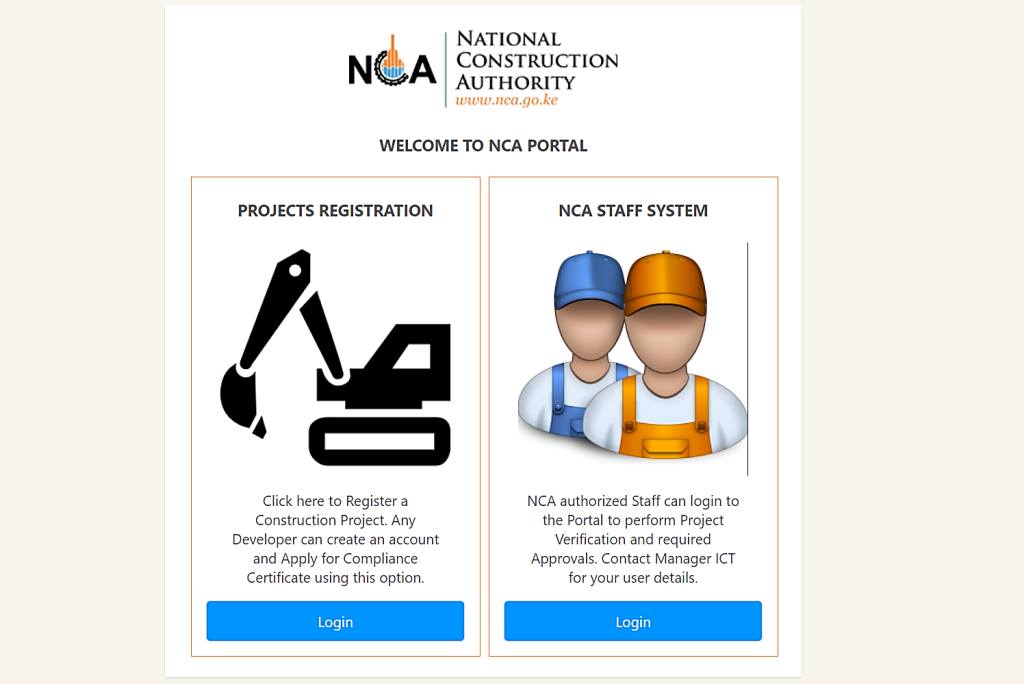
Regulators and government agencies oversee licensing, compliance, and legal approvals. The National Construction Authority (NCA) and National Land Commission (NLC) play critical roles in project approvals, inspections, and enforcing building codes.
Suppliers, Financiers & Insurers
Suppliers provide construction materials, while financiers fund projects, and insurers mitigate risks. Their collaboration is vital to ensure projects stay within budget, meet deadlines, and reduce financial or operational risks.
Community & End Users
Local communities and end users are affected by construction outcomes. Engaging them ensures social acceptance, reduces conflicts, and helps meet sustainability goals. Public consultation is often a legal requirement for larger projects in Kenya.

Roles of Construction Stakeholders
Understanding the roles of construction stakeholders is essential for project success in Kenya. Each stakeholder contributes to different phases, from planning to execution. Proper role allocation reduces risks, improves efficiency, and ensures compliance with regulations.
Project Initiation & Funding Roles
Clients and project owners lead project initiation by defining objectives, scope, and budget. Financiers and investors provide the necessary funds to kickstart the project. Their decisions influence timelines, resources, and overall project feasibility.
Design & Planning Roles
Consultants such as architects, engineers, and quantity surveyors handle project design and planning. They create blueprints, structural plans, cost estimates, and schedules. Their role ensures the project meets technical standards and regulatory requirements.
Operational & Execution Roles
Contractors and subcontractors execute construction work on-site. They manage labor, equipment, and material logistics. Their responsibility is to deliver quality work on schedule while maintaining safety standards.
Oversight & Quality Assurance Roles
Project managers and regulators monitor project progress to ensure compliance with plans and standards. They conduct inspections, track milestones, and resolve issues. This oversight prevents delays, cost overruns, and quality failures.
Community & End User Roles
Local communities and end users provide feedback and influence project acceptability. Their involvement helps reduce conflicts and ensures the project aligns with social and environmental needs. Public consultation is often a legal requirement for major projects.

Construction Stakeholders’ Responsibilities
Knowing the construction stakeholders’ responsibilities ensures accountability and smooth project delivery. These responsibilities cover legal compliance, contractual obligations, quality standards, communication, and risk management.
Legal & Statutory Compliance (NCA Licensing, Building Codes)
Stakeholders must comply with Kenyan laws and building regulations. This includes obtaining NCA licenses, adhering to safety standards, and following county planning approvals. Non-compliance can result in fines, project delays, or legal action.
Contractual & Financial Responsibilities
Stakeholders are responsible for fulfilling contractual agreements and managing finances. Clients must provide funding, contractors must meet deliverables, and consultants must honor service contracts. Clear contracts reduce disputes and financial risks.
Quality, Safety & Environmental Duties
All stakeholders must ensure construction quality, workplace safety, and environmental protection. Contractors follow safety protocols, consultants monitor standards, and clients enforce compliance. Sustainable practices also protect communities and the environment.
Communication & Reporting Requirements
Stakeholders must maintain effective communication and reporting channels. Regular updates, meetings, and documentation ensure all parties are informed and can make timely decisions. This transparency reduces misunderstandings and project risks.
Risk Management & Dispute Resolution
Stakeholders are responsible for identifying, mitigating, and resolving project risks. This includes handling delays, cost overruns, and conflicts between parties. Effective risk management protects project timelines, budgets, and stakeholder relationships.

Legal & Regulatory Framework in Kenya
Understanding the legal and regulatory framework in Kenya is critical for construction stakeholders. Compliance ensures projects meet national standards, avoid penalties, and gain necessary approvals. This framework governs licensing, professional accreditation, land use, and county-level oversight.
National Construction Authority (NCA) Functions
The National Construction Authority (NCA) regulates construction quality, licensing, and professional accreditation in Kenya. It oversees contractor registration, enforces building codes, and monitors industry compliance. Stakeholders must work closely with NCA to ensure all projects meet legal and safety standards.
Professional Bodies & Registration Requirements
Professional bodies such as the Architectural Association of Kenya (AAK) and Engineers Board of Kenya (EBK) regulate design and construction practice. They ensure that architects, engineers, and other consultants meet ethical, legal, and technical standards. Registration with these bodies is mandatory for legally practicing professionals.
Land & Planning Agencies (e.g., National Land Commission)
Agencies like the National Land Commission (NLC) oversee land matters essential for project approvals. They handle land allocation, title verification, and land-use compliance. Early engagement with these agencies prevents delays and legal disputes related to land ownership or zoning regulations.
County Government Roles in Construction Oversight
County governments manage local building approvals, permits, and inspections. They enforce zoning laws, environmental regulations, and health & safety requirements. Collaboration with county authorities ensures smooth project execution and compliance with local laws.
Best Practices for Stakeholder Engagement
Effective stakeholder engagement improves project outcomes, reduces conflicts, and ensures legal and social compliance. It involves identifying stakeholders, clear communication, continuous feedback, and collaborative decision-making.
Stakeholder Identification & Analysis
Identify all stakeholders who influence or are affected by a project. Categorize them by interest, influence, and impact. This helps prioritise communication and engagement strategies for construction stakeholders in Kenya.
Communication & Engagement Plans
Develop structured plans to communicate project goals, progress, and decisions. Use meetings, reports, and digital platforms to maintain transparency. Effective communication ensures all construction industry players in Kenya are aligned.
Regular Feedback & Monitoring Mechanisms
Regular feedback sessions and monitoring mechanisms help track progress and identify issues early. Surveys, progress reports, and site inspections provide actionable insights for stakeholders. This keeps projects on schedule and within budget.
Collaborative Decision‑Making Models
Encourage collaboration between clients, contractors, consultants, and community representatives. Shared decision-making improves efficiency, reduces conflicts, and ensures decisions are well-informed and practical.
Conflict Resolution Frameworks
Establish clear frameworks for resolving disputes among stakeholders. This includes mediation, arbitration, or using legal channels when necessary. Effective conflict resolution protects relationships and prevents project delays.
Conclusion
In summary, construction stakeholders in Kenya shape every phase of project delivery — from regulatory compliance to on-site execution and community impact. Understanding their roles and responsibilities ensures legal and quality standards while improving project outcomes and sustainability. Proper engagement of all stakeholders reduces risks, streamlines operations, and fosters collaboration for successful construction projects.