House Plans Kenya
Discover the best house plans in Kenya for 2026. Explore bungalow, maisonette, and modern designs, costs, plot sizes, and expert tips to build your dream home affordably.
Introduction:
Why House Plans in Kenya Matter
House Plans Kenya
Choosing the right house plan is one of the most important steps when building a home in Kenya. A well-thought-out design ensures your house is functional, aesthetically pleasing, and suited to your family’s lifestyle and future needs. Beyond personal comfort, the right plan can save you time, money, and stress during construction by preventing costly changes and design mistakes.
Kenya’s urban landscape is changing rapidly. Cities and towns are expanding, and the demand for quality residential and commercial properties continues to grow. According to West Kenya Real Estate Ltd, more Kenyans are investing in modern, well-designed homes that balance style, functionality, and long-term value. Whether you are building in a bustling urban area or a growing suburban town, having a professional house plan tailored to your plot and needs is increasingly essential.
In this guide, you will learn how to choose the ideal house plan for your project, explore popular designs and layouts, understand the typical costs involved, and discover practical tips to avoid common building mistakes. By the end, you will have a clear roadmap to make informed decisions, ensuring that your dream home in Kenya is built efficiently, beautifully, and with lasting value.
What is a House Plan? (Beginner Guide)
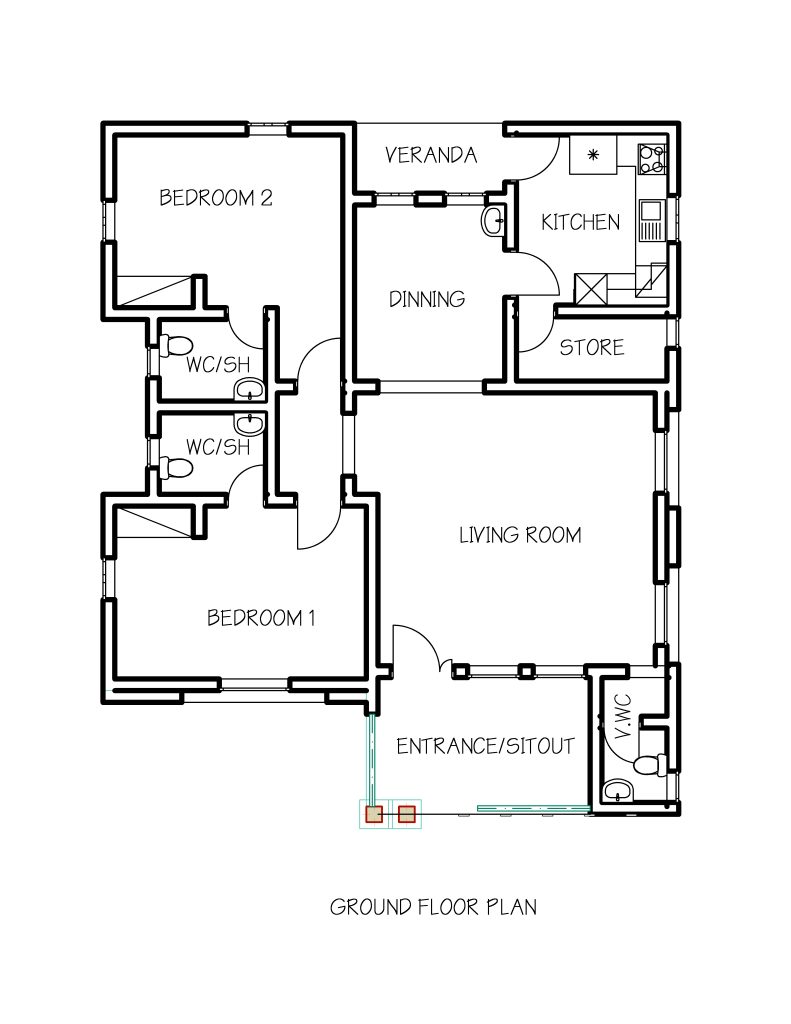
A house plan is a detailed blueprint that shows how a home will look and function before construction begins. It typically includes the layout of rooms, doors, windows, staircases, and other essential spaces, providing a visual roadmap for the entire building process. Think of it as a guide that ensures your ideas are translated accurately into a physical structure.
A complete house plan goes beyond just the floor layout. It usually includes architectural drawings (design, aesthetics, and room dimensions), structural plans (foundation, beams, columns, and roofing details), and electrical and plumbing layouts (wiring, sockets, water systems). Some plans may also cover finishes, materials, and landscaping for a comprehensive view of the project.
Having a well-prepared house plan is crucial because it forms the foundation of any construction project. It guides contractors, architects, and engineers, helps avoid mistakes, ensures compliance with building regulations, and allows accurate budgeting. Without a proper plan, construction can become chaotic, costly, and time-consuming. In short, a house plan turns your dream home from an idea into a buildable reality.
Types of House Plans in Kenya
Kenya’s housing market offers a variety of house plans to suit different budgets, plot sizes, and lifestyles. Understanding the types of plans available can help you make informed decisions and select a design that meets your needs.
Bungalow House Plans
Bungalows are single-storey homes that are popular across Kenya for their simplicity and practicality. They are ideal for families who prefer easy access to all rooms without the need for stairs. Bungalows are generally cost-effective, as construction requires fewer materials compared to multi-storey homes, and they are simpler to maintain over time. With open layouts and flexible designs, they can be customized to include spacious living areas, bedrooms, and kitchens while retaining a cozy feel. According to Aalisstudios, bungalows remain a preferred choice for first-time homeowners and those with medium-sized plots seeking functional, low-maintenance living.
Maisonette House Plans
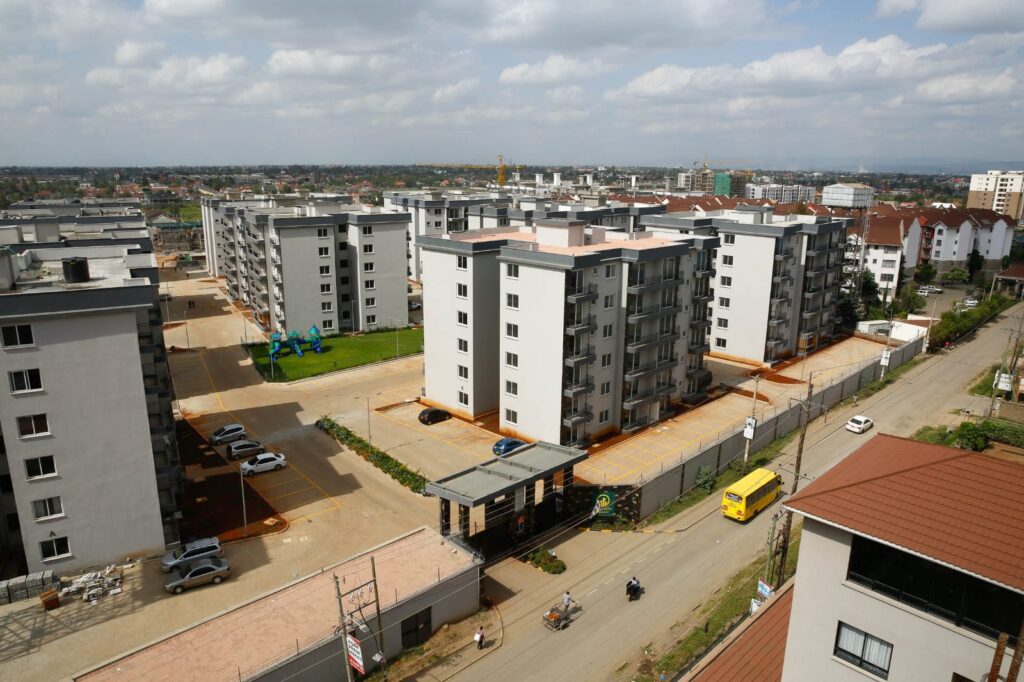
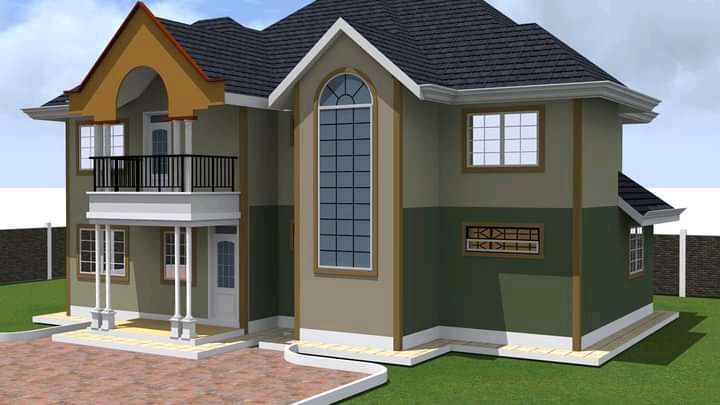
Maisonettes are two-storey homes, designed to maximize space, making them perfect for small urban plots. The ground floor often accommodates living areas and kitchens, while the upper floor houses bedrooms and private spaces. Maisonettes are more expensive to build than bungalows due to the additional structural requirements, but they are space-efficient, allowing families to enjoy larger living areas on smaller plots. Aalisstudios notes that maisonettes are especially popular in Nairobi and Kisumu, where urban density makes multi-storey designs the most practical solution for homeowners looking to invest wisely.
Flat Roof vs Pitched Roof Designs
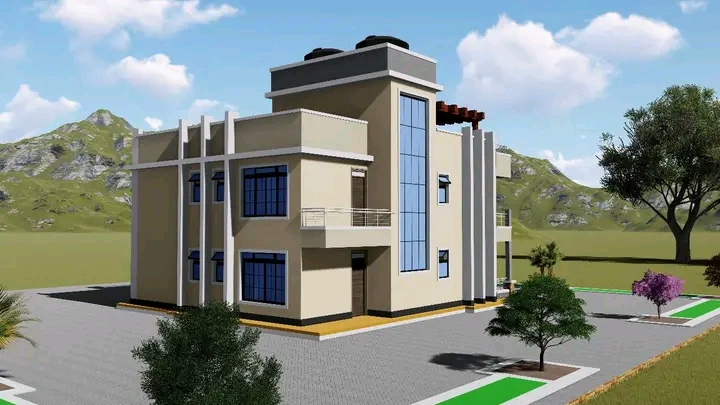
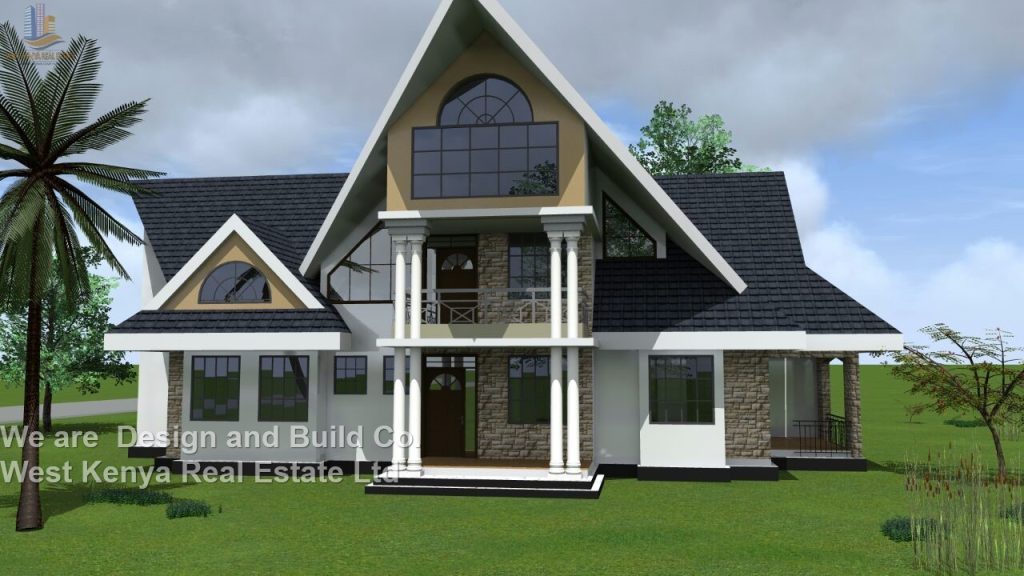
Kenya’s modern architecture often favors flat roof designs, which provide a sleek, contemporary look and allow for rooftop terraces or future expansions. In contrast, pitched roofs follow a more traditional style, offering efficient water drainage and a classic aesthetic. Jenga Nyumba highlights that the choice between flat and pitched roofs depends on personal taste, budget, and local climate considerations. Flat roofs suit modern homes and urban plots, while pitched roofs remain popular in suburban and rural areas for durability and style.
Apartment & Rental Unit Plans
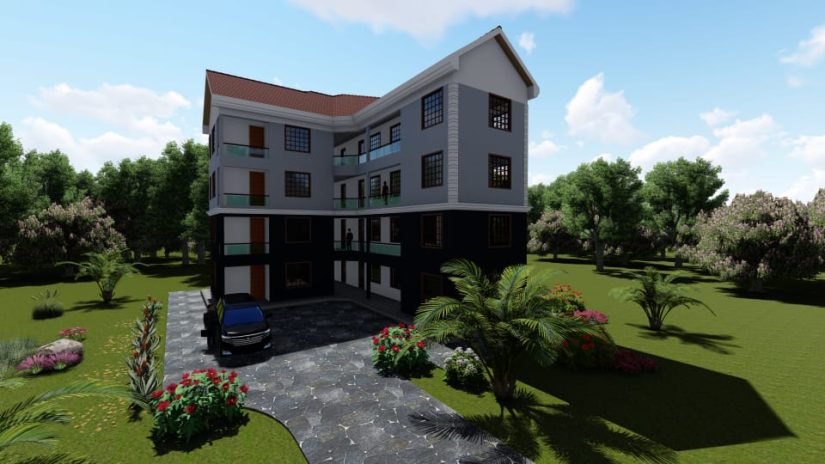
Apartment and rental unit designs are investment-focused plans aimed at generating income. These plans often feature multiple self-contained units within a single building, optimized for functionality, privacy, and tenant convenience. They are suitable for small or large plots, depending on the intended rental capacity, and are a strategic choice for homeowners looking to create a steady revenue stream.
Luxury Mansions & Villas
Luxury mansions and villas cater to high-end living on large plots, combining spacious interiors with upscale finishes, landscaping, and modern amenities. These plans often include multiple bedrooms, en-suite bathrooms, entertainment areas, private gardens, and sometimes even swimming pools. Ideal for affluent homeowners, they provide comfort, privacy, and a statement of lifestyle, making them the pinnacle of residential design in Kenya.
House Plans by Budget in Kenya
When planning to build in Kenya, understanding your budget range is crucial. House plans are often categorized based on affordability, plot size, and construction materials. Choosing the right plan for your budget can help you avoid overspending, select suitable materials, and achieve a functional home.
Low Budget (Ksh 300K – 1.5M)
For those on a tight budget, bedsitters and 1–2 bedroom homes are the most feasible options. These compact designs are ideal for first-time homeowners or small families and are often built using cost-effective materials such as interlocking blocks, timber roofing, and locally sourced finishes. WKRE Shop notes that careful planning is key: minimizing wasted space, opting for simple layouts, and avoiding unnecessary decorative features can significantly reduce costs. Builders may also save by supervising work directly or sourcing materials in bulk. Despite the budget constraints, these homes can be comfortable, functional, and easily upgraded later as finances allow.
Mid-Range (Ksh 1.6M – 3.5M)
Mid-range house plans typically feature 2–3 bedroom modern homes with improved aesthetics and additional rooms such as living areas, kitchens, and sometimes servant quarters. These designs balance affordability with style, allowing for better-quality finishes like reinforced concrete roofing, ceramic tiles, and modern electrical fittings. Choosing materials wisely—such as using locally manufactured cement or tiles—can lower costs without compromising durability. Mid-range homes are suitable for growing families who want more space and comfort, and they provide flexibility to add extensions in the future.
High-End (Ksh 3.6M – 10M+)
High-end plans include maisonettes, villas, and luxury designs on large plots, offering spacious interiors, premium finishes, and additional amenities like en-suite bathrooms, landscaped gardens, and even swimming pools. These homes require high-quality materials, skilled labor, and careful attention to detail. Cost-saving tips include planning ahead for future expansions, selecting durable local materials, and consulting a professional architect to optimize the design. High-end homes are an investment in long-term comfort, style, and property value.
By understanding your budget, selecting appropriate materials, and planning wisely, you can achieve a home that is both beautiful and cost-efficient. Even with limited funds, strategic choices in layout, finishes, and labor can make a significant difference in the final construction costs.
Best House Plans for Common Plot Sizes in Kenya
Selecting a house plan that fits your plot size is critical for maximizing space, ensuring privacy, and achieving a functional layout. In Kenya, plots come in standard sizes, and the right plan can enhance both living comfort and property value.
30×60 Plot
A 30×60 plot is ideal for compact homes such as bedsitters or small bungalows. These plots are suitable for first-time homeowners or investors looking to build rental units. Designs often feature a few bedrooms, a small living area, and an efficient kitchen layout. Utilizing vertical space through single-storey layouts or partial extensions can help make the most of limited land while maintaining privacy and outdoor space for a small garden or parking.
40×80 Plot
On a 40×80 plot, homeowners can comfortably build 2–3 bedroom homes with functional living spaces. These plots allow room for a modest garden, parking, and outdoor amenities. Modern bungalows and maisonettes fit well here, providing options for both single-storey and two-storey designs. Thoughtful planning ensures that every square meter is optimized—common strategies include open-plan living areas, integrated dining and kitchen spaces, and compact corridors. These plots are ideal for growing families seeking a balance between indoor comfort and outdoor space.
50×100 Plot (Most Popular)
The 50×100 plot is the most popular in Kenya, offering ample space for 3–5 bedroom designs. According to Aalisstudios, these plots accommodate both single and double-storey homes, with room for gardens, driveways, and recreational spaces. Homeowners can choose versatile layouts, including maisonettes with multiple bedrooms, en-suite bathrooms, and modern kitchens. These plots allow for future expansions or additional amenities like a garage, servant quarters, or a small swimming pool, making them a preferred choice for families seeking comfort, functionality, and long-term investment potential.
1/4 Acre & Above
For 1/4 acre plots and larger, luxury homes such as mansions and villas are ideal. These plots provide enough space for expansive layouts, multiple wings, landscaped gardens, swimming pools, and entertainment areas. High-end designs can incorporate modern architecture, privacy walls, and extensive outdoor living spaces, catering to affluent homeowners who value both style and comfort. Large plots also allow for creative landscaping and separate utility areas, making them perfect for long-term family estates.
Top Trending House Designs in Kenya (2026)
As Kenya’s housing market evolves, homeowners are increasingly embracing modern designs that blend style, functionality, and sustainability. Understanding these trends can help you build a home that is both contemporary and future-ready.
Open-Plan Living Spaces
Open-plan layouts are among the most popular trends in Kenya. By combining living, dining, and kitchen areas into a seamless space, open-plan homes create a sense of spaciousness and promote family interaction. Jenga Nyumba notes that this design also allows natural light to flow freely, improving ventilation and reducing the need for artificial lighting during the day.
Flat Roofs & Rooftop Terraces
Flat roofs continue to gain popularity, particularly in urban areas. They offer a modern aesthetic and provide the opportunity for rooftop terraces, which can be used for gardens, entertainment areas, or future expansions. This design trend is ideal for homeowners seeking both style and practicality, maximizing the use of limited plot space.
Smart Homes & Solar Integration
Technology is reshaping how Kenyans live at home. Smart home features—like automated lighting, security systems, and climate control—are becoming increasingly accessible. Solar integration is also on the rise, providing a sustainable energy solution that reduces electricity costs and enhances energy independence. These innovations make homes safer, more efficient, and environmentally friendly.
Indoor-Outdoor Living
Blurring the lines between indoor and outdoor spaces is another growing trend. Large glass doors, patios, and verandas create a smooth transition from the home’s interior to gardens or courtyards. This approach promotes natural airflow, increases light, and brings residents closer to nature, enhancing comfort and relaxation.
By embracing these trends, homeowners in Kenya can enjoy modern, functional, and sustainable living spaces that reflect their lifestyle while increasing property value. Whether you are building a bungalow, maisonette, or luxury villa, incorporating these features ensures your home remains stylish and relevant for years to come.
Key Factors to Consider Before Choosing a House Plan
Choosing the right house plan in Kenya requires careful thought beyond aesthetics. Several practical factors determine whether your home will be functional, cost-effective, and adaptable to your family’s needs.
Budget & Construction Cost
Your budget is the foundation of every decision in the building process. Consider both the initial construction cost and ongoing expenses such as maintenance, utilities, and potential upgrades. Selecting a plan that fits your financial capacity prevents overspending, reduces delays, and ensures you can complete the project without compromising quality. Using cost-effective materials and consulting a professional can help manage expenses while still achieving a durable, attractive home.
Family Size & Lifestyle
The size of your family and your lifestyle preferences should guide your house plan selection. Larger families may need multiple bedrooms, en-suite bathrooms, and expansive living areas, while smaller households may prefer compact, low-maintenance layouts. Lifestyle factors—like entertaining guests, working from home, or hosting elderly relatives—also influence design choices such as open-plan spaces, additional rooms, or recreational areas.
Plot Size & Location
Your plot’s dimensions and location are key determinants in choosing the most suitable design. Urban plots may favor multi-storey maisonettes or apartments, while suburban or rural plots allow for bungalows, villas, or mansions. Consider how the layout interacts with sunlight, ventilation, and outdoor spaces, as well as access to roads, utilities, and amenities. Proper planning ensures maximum use of space without overcrowding.
County Regulations & Approvals
Every county in Kenya has building codes, zoning laws, and approval processes. Before finalizing your house plan, check with the local county planning office to ensure compliance with height restrictions, setbacks, and environmental guidelines. This avoids costly delays, fines, or redesigns and guarantees that your project meets legal standards.
Future Expansion
Think beyond your immediate needs. Choosing a house plan that allows future expansions—such as additional bedrooms, an extra floor, or a home office—can save costs in the long term. Flexible designs accommodate growing families, changing lifestyles, or increased property value without requiring a complete rebuild.
By carefully considering budget, family needs, plot constraints, regulations, and future growth, you can select a house plan that balances comfort, functionality, and long-term investment. A thoughtful approach ensures that your dream home in Kenya remains practical, adaptable, and enjoyable for years to come.
Common Mistakes to Avoid When Choosing House Plans
Selecting a house plan is an exciting step, but many homeowners in Kenya make avoidable mistakes that lead to costly delays, wasted resources, and unsatisfactory homes. Being aware of these pitfalls can save time, money, and stress.
Ignoring Plot Size
One of the most common mistakes is choosing a design without considering the dimensions and shape of your plot. A plan that doesn’t fit your land can lead to overcrowding, limited outdoor space, or expensive modifications. Always measure your plot accurately and select a plan that maximizes both indoor and outdoor areas.
Choosing Design Over Functionality
While aesthetics are important, prioritizing looks over practical use can compromise comfort and daily living. Homes with fancy layouts but poor room flow, cramped kitchens, or inaccessible storage areas can become frustrating. Ensure that the design supports your family’s lifestyle, daily routines, and long-term needs.
Underestimating Costs
Many homeowners underestimate the total construction costs, including materials, labor, permits, and unexpected expenses. Opting for a plan without a realistic budget can lead to project delays or compromise on quality. Always calculate a detailed estimate and include a contingency fund for unforeseen costs.
Poor Ventilation & Lighting
A beautiful home can feel uncomfortable if it lacks proper ventilation and natural light. Designs with small windows, narrow corridors, or poorly positioned rooms can lead to stuffy interiors and higher electricity bills. Prioritize layouts that allow natural airflow, sunlight, and energy efficiency.
By avoiding these mistakes, homeowners can ensure their house plan is practical, cost-effective, and comfortable. Careful planning, realistic budgeting, and thoughtful design choices will result in a home that not only looks great but functions well for years to come.
Where to Get House Plans in Kenya
Finding the right source for your house plan is just as important as choosing the design itself. In Kenya, homeowners typically have two main options: working with professional architects or purchasing online plans. Architects provide customized designs tailored to your plot, budget, and lifestyle, ensuring compliance with building regulations and optimal use of space. Online plans, on the other hand, offer ready-made designs that are often more affordable and faster to obtain, though they may require adjustments to suit your specific site or family needs.
When deciding between custom and ready-made plans, consider your priorities. If your plot has unique features or your family has specific needs, a custom plan from an architect is ideal. For standard plots or smaller budgets, ready-made plans can be a practical starting point, especially when sourced from reputable designers.
It is also crucial to use BORAQS-approved plans, which comply with Kenya’s building codes and safety standards. According to Aalisstudios, these plans help avoid legal issues, ensure structural integrity, and simplify the approval process with county authorities. Using approved plans gives you peace of mind, knowing that your home meets both national regulations and professional quality standards.
Whether you choose an architect or an online plan, prioritizing professional guidance, legal compliance, and practical design ensures that your dream home in Kenya is safe, functional, and built to last.
Cost of House Plans in Kenya
In Kenya, the cost of house plans generally ranges from 1% to 3% of the total construction cost, depending on complexity, size, and the level of customization. According to Aalisstudios, a simple bungalow or bedsitter design may cost less, while detailed maisonettes, villas, or luxury mansions can be on the higher end of the scale due to intricate layouts, additional floors, and specialized features.
Several factors influence pricing. Design complexity plays a major role—more rooms, multi-storey structures, and custom finishes require additional planning and engineering. Professional expertise also affects cost, as experienced architects, structural engineers, and designers charge accordingly for quality and compliance. Revisions and approvals with county authorities may also add to the final price, particularly for BORAQS-approved plans.
Investing in a proper house plan is worthwhile, as it ensures accurate budgeting, prevents costly construction errors, and provides a clear roadmap for your project. Understanding these costs upfront allows homeowners to plan effectively and make informed decisions while achieving a safe, functional, and aesthetically pleasing home.
Step-by-Step Process: From Plan to Construction
Building a home in Kenya starts long before the first brick is laid. Understanding the step-by-step process helps homeowners plan effectively, avoid delays, and stay within budget.
Idea & Conceptualization
Every home begins with an idea. Determine your family’s needs, plot size, budget, and preferred design style. Sketch rough layouts or browse inspiration from online plans and architects’ portfolios. This stage sets the foundation for a clear vision.
Design & Planning
Next, engage an architect or designer to develop a detailed house plan. This includes architectural drawings, structural plans, and electrical or plumbing layouts. During this stage, you can refine room layouts, finishes, and future expansion options. Choosing BORAQS-approved plans ensures compliance with Kenya’s building regulations.
Approvals & Permits
Before construction begins, submit your house plan to the relevant county authorities for approval. This step includes checking zoning laws, setbacks, height restrictions, and safety standards. Approval timelines can vary but typically take 2–6 weeks, depending on the county and completeness of documentation.
Construction
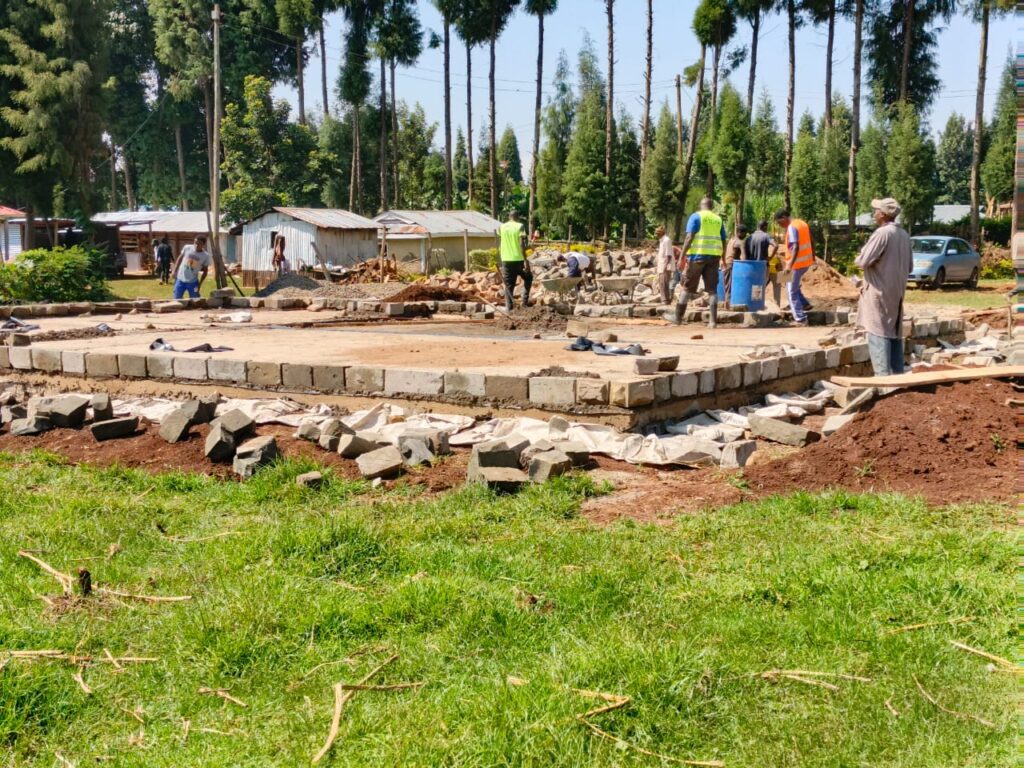
Once approvals are secured, the construction phase begins. It usually follows a realistic timeline, starting with site preparation and foundation work, followed by structural framing, roofing, plastering, finishes, and installations. Depending on the size and complexity of the home, completion can take 6 months to 2 years. Regular supervision, quality checks, and adherence to the approved plan are essential to avoid delays and cost overruns.
By following this structured approach—from conceptualization to construction—you can ensure that your dream home in Kenya is built efficiently, safely, and to your exact specifications. Proper planning at each stage minimizes mistakes, reduces costs, and results in a functional, beautiful, and long-lasting residence.


One thought on “House Plans Kenya (2026 Guide)”