
Common Mistakes to Avoid During House Construction in Kenya
“Discover the most common mistakes in house construction Kenya and learn how to avoid costly building errors and construction challenges in Kenya. Build smarter, save time and money.”
Introduction
Common Mistakes to Avoid During House Construction in Kenya
Building a house in Kenya is exciting, but it comes with its challenges. Many homeowners face costly delays, structural problems, and budget overruns because of mistakes in house construction Kenya. Avoiding these errors from the start can save time, money, and stress.
When planning your home, the goal is to make informed decisions. This article is designed for anyone ready to start construction and wants to minimise building errors Kenya and navigate construction challenges Kenya effectively.
In Kenya, several factors can influence your project’s success:
- Land ownership and verification issues
- Soil type and suitability for foundations
- County approvals and NCA regulations
- Selection of qualified contractors and artisans
By understanding these risks early, you can create a strong foundation—literally and figuratively—for your dream home

Mistake 1 – Failing to Do Proper Land & Site Due‑Diligence
One of the most common mistakes in house construction Kenya is skipping thorough land and site due‑diligence. Many homeowners assume the plot is ready for building without verifying ownership, soil suitability, or potential environmental issues. This oversight can lead to disputes, costly redesigns, and even project delays.
Title checks, encumbrances & plot history
Before breaking ground, confirm that the land has a clear title and is free from encumbrances. Investigate the plot’s ownership history to avoid legal disputes. In Kenya, issues like pending court cases, multiple ownership claims, or unregistered subdivisions are common risks. A proper verification process ensures your investment is secure.
Poor site selection (soil types, slope, flooding zones)
Choosing the wrong site can significantly increase building costs and structural risks. Pay attention to soil types, such as black cotton soil, which may expand or contract and affect your foundation. Avoid plots on steep slopes or low-lying areas prone to flooding. Proper site assessment reduces the likelihood of construction challenges Kenya.
Ignoring topography, drainage and water tables
Many homeowners overlook topography and natural water flow, which can lead to drainage problems and waterlogging. Understanding the site’s drainage patterns and groundwater levels helps you design foundations and landscaping that prevent erosion and structural damage. Consulting a qualified surveyor at this stage is essential for long-term durability.
Mistake 2 – Skipping Regulatory Approvals & Permits
Many homeowners in Kenya make the costly mistake in house construction Kenya of starting projects without the proper approvals. This oversight can lead to fines, forced demolition, insurance issues, or long delays. Following the legal process ensures that your project complies with Kenyan laws, safety standards, and environmental regulations.
County building permits, National Construction Authority (NCA) registration
Obtaining county building permits is mandatory before construction begins. These permits confirm that your building plan meets local zoning laws and safety standards. Additionally, your contractor must be registered with the National Construction Authority (NCA), which ensures they are qualified to carry out the work professionally. Working with an unregistered contractor can lead to shoddy workmanship, substandard materials, and legal complications. Always request proof of NCA registration and cross-check their license number.
Kenyan zoning laws dictate the type of structures allowed in specific areas. Before construction, verify that your plot is zoned for residential purposes and meets all setback and height regulations. Certain plots, especially near rivers, wetlands, or protected forests, require environmental clearance from NEMA. Failure to comply can result in fines, forced changes to your building design, or even demolition. Consulting a local town planner or environmental officer early saves time and money.
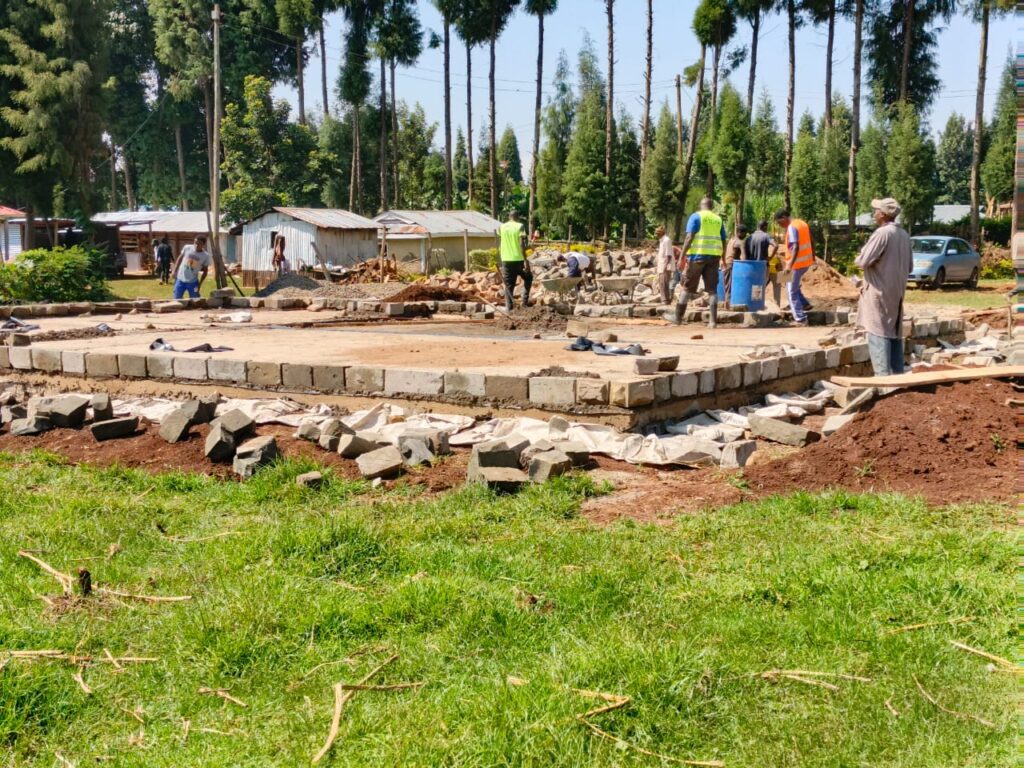
Risks of non‑compliance (fines, demolition, insurance)
Ignoring permits and approvals comes with severe consequences. You may face:
- Heavy fines imposed by county authorities
- Forced demolition of the building
- Invalidation of insurance claims in case of accidents or structural failure
Non-compliance also makes it harder to sell your property later, as banks require approved building plans for mortgage financing. Following the legal route protects your investment and reduces stress throughout the construction process.
Mistake 3 – Inadequate Planning, Budgeting & Design Changes
Poor planning is a major contributor to building errors Kenya. Without proper budgeting, project timelines, or finalising designs, homeowners often encounter delays, cost overruns, and compromises in quality. Good planning helps manage construction challenges Kenya proactively.
Under‑estimating costs, inflation of materials and labour
Construction costs in Kenya are highly dynamic. Material prices like cement, steel, and timber fluctuate due to market demand and inflation. Labour costs may also rise during project delays or seasonal shortages. Underestimating these costs can force homeowners to compromise on quality or stall construction. To avoid this, research current material prices, get multiple contractor quotes, and plan for future price increases.
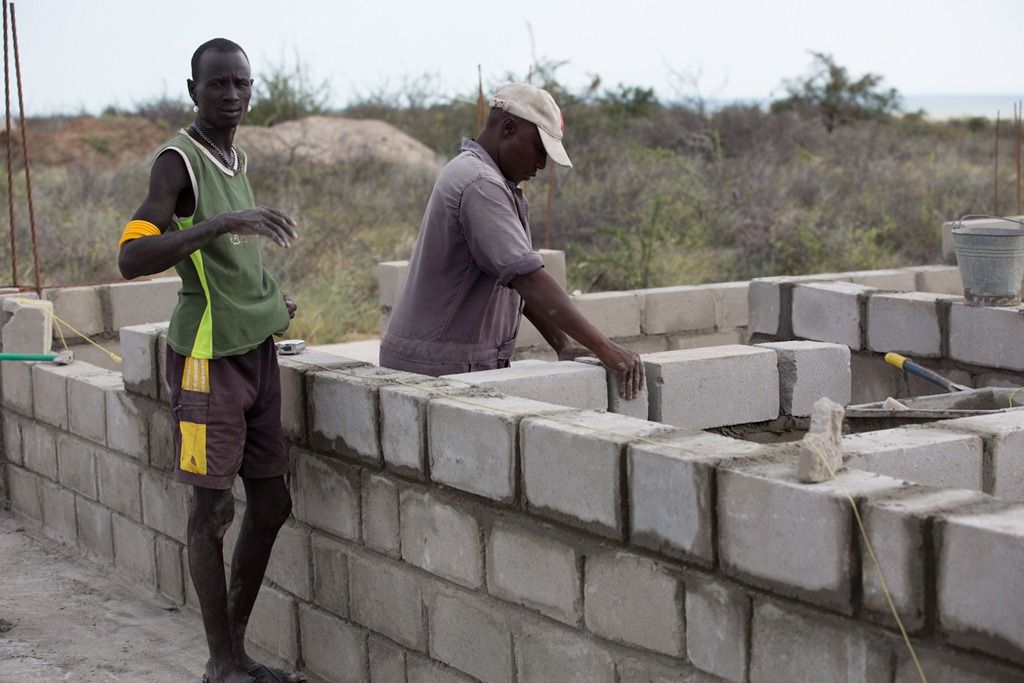
Lack of Bill of Quantities (BoQ) & contingency buffer
A Bill of Quantities (BoQ) breaks down every material and labour item, providing a clear picture of project costs. Without it, homeowners risk overspending or running out of funds mid-project. Include a contingency buffer of at least 10–15% to cover unexpected events, such as late deliveries, labour shortages, or minor design adjustments. Using a BoQ also improves contractor accountability and reduces the risk of building errors Kenya.
Mid‑project design changes & scope creep
Changing designs once construction has started is one of the most expensive mistakes in house construction Kenya. Even minor changes to room layouts or finishes can lead to extra material costs, longer timelines, and structural complications. Scope creep also puts additional pressure on contractors and may affect workmanship quality. Finalising designs with your architect before breaking ground ensures smoother execution and helps control both costs and timelines.
Mistake 4 – Hiring Unqualified Contractors or Artisans
Hiring unqualified contractors or artisans is one of the most critical mistakes in house construction Kenya. Many homeowners focus on cost or personal recommendations rather than credentials and experience. This often leads to poor workmanship, structural defects, project delays, and even legal disputes. Choosing skilled professionals with proper certification ensures that your project meets quality standards, is completed on time, and complies with Kenyan construction regulations.
Not checking credentials, past projects and references
Before hiring a contractor, it’s essential to verify their NCA registration and confirm their qualifications. Request a portfolio of past projects and speak directly to previous clients. Ask about:
- Timelines and whether deadlines were met
- Quality of workmanship, including finishes and structural integrity
- How the contractor handled unexpected challenges
Failing to conduct this due diligence often results in hiring individuals who lack experience with specific materials, designs, or soil conditions common in Kenya. For example, a contractor unfamiliar with black cotton soil may build a weak foundation that cracks within a few years.
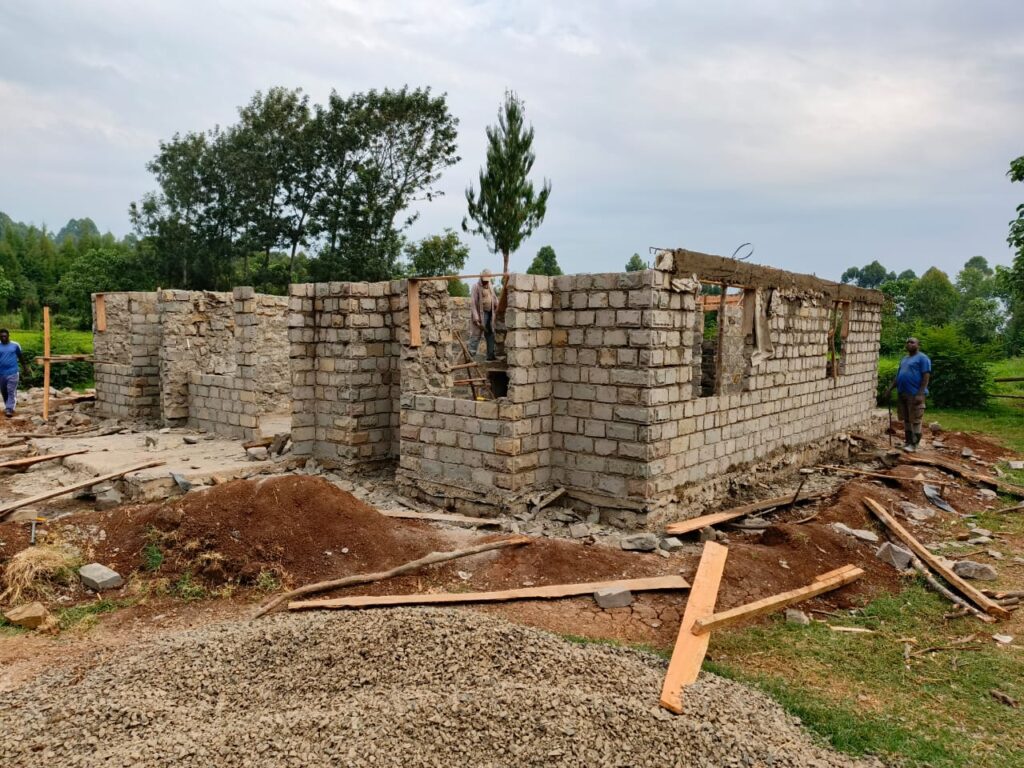
Poor supervision and monitoring on site
Even when a qualified contractor is hired, lack of supervision can lead to errors that are expensive and time-consuming to fix. Regular site visits and monitoring help catch mistakes early, such as:
- Incorrect wall alignment or column placement
- Improper mixing or curing of concrete
- Misplacement of plumbing and electrical systems
Consider hiring a professional site supervisor or project manager who can provide daily or weekly reports and ensure compliance with design specifications. Proper supervision reduces risks and ensures construction challenges Kenya are addressed promptly.
Lack of formal contract terms and payment schedules
Many homeowners make the mistake of agreeing to verbal arrangements or vague contracts. A formal written contract should include:
- Clear scope of work with detailed deliverables
- Payment schedule tied to project milestones
- Timeline with penalties for delays
- Dispute resolution mechanisms
Without this, disputes over delays, quality, or payment are common, sometimes leading to incomplete projects or litigation. Clear contractual agreements hold both parties accountable and protect your investment throughout the construction process.
Mistake 5 – Using Sub‑standard Materials or Cutting Quality Corners
Using low-quality materials is one of the most frequent building errors in Kenya, often driven by the desire to reduce costs. While it may save money initially, it can lead to structural failures, high repair costs, and reduced property value. Prioritising certified, high-quality materials ensures durability, safety, and compliance with Kenyan building standards.
Materials not to standard (cement, steel, blocks)
Many homeowners unknowingly purchase substandard cement, steel, or concrete blocks, thinking all suppliers provide similar quality. Poor-quality cement can crumble easily, steel may bend under load, and blocks may crack, all of which compromise structural integrity. Always purchase materials from reputable suppliers and verify Kenyan Bureau of Standards (KEBS) certification. For example, homes built with uncertified blocks in high-rainfall areas may suffer frequent wall cracks due to moisture absorption.

Fake certification, adulterated mixes, weak supply chain
Some suppliers offer fake quality certificates or adulterated cement and concrete mixes to cut costs. Weak supply chains may result in inconsistent material quality or delayed deliveries, affecting project timelines and safety. Homeowners should verify deliveries, request laboratory testing for critical materials like cement and steel, and maintain proper documentation to prevent construction challenges Kenya.
The long‑term cost of “cheap now, expensive later”
Cutting corners may seem economical, but it increases long-term expenses due to repairs, structural issues, and reduced resale value. For instance, using cheap cement for foundations can lead to cracks within a few years, requiring costly reinforcement. Investing in quality materials upfront prevents rework, ensures durability, and safeguards your home against common mistakes in house construction Kenya. Remember, the cost of fixing errors often far exceeds the savings from using substandard materials.
Mistake 6 – Ignoring Soil Tests & Foundation Integrity
Many homeowners in Kenya underestimate the importance of soil testing and proper foundations, which is a critical mistake in house construction Kenya. Foundations are the backbone of any building, and ignoring soil conditions can lead to structural failures, cracks, and costly repairs. Conducting proper geotechnical investigations ensures the foundation design matches the soil type and load requirements.
Importance of geotechnical investigation
A geotechnical investigation evaluates the soil’s strength, stability, and water content. It identifies potential risks such as black cotton soil, expansive clays, or areas prone to erosion. Ignoring this step can result in weak foundations that settle unevenly, causing walls to crack and floors to tilt. Hiring a certified geotechnical engineer is essential for accurate testing and recommendations.
Choosing wrong foundation type for soil (black cotton, sandy, rocky)
Different soil types require specific foundation designs:
- Black cotton soil: prone to swelling and shrinking, needs deep strip or raft foundations
- Sandy soil: requires reinforced strip foundations to prevent settlement
- Rocky soil: may require shallow or stepped foundations depending on load
Selecting the wrong foundation for the soil type can compromise structural stability and increase repair costs. Consulting a structural engineer during the design phase prevents this construction challenge Kenya.
Poor curing, uneven slabs, settlement issues
Even with proper soil testing, poor workmanship during foundation construction can lead to problems such as uneven slabs, weak concrete, or settlement cracks. Proper curing of concrete, correct mixing ratios, and professional supervision are essential. Regular inspections during this phase can prevent long-term structural issues and additional expenses.
Mistake 7 – Poor Site Management, Delays & Logistics
Poor project management is a common building error in Kenya. Even with skilled contractors and good materials, lack of planning and supervision can delay timelines, increase costs, and reduce quality. Proper site management ensures every stage of construction runs smoothly and efficiently.
Lack of project management, scheduling and supervision
Without clear scheduling and supervision, projects often suffer from:
- Misaligned construction sequences
- Overlapping tasks causing inefficiency
- Missed deadlines and extended timelines
Hiring a project manager or using digital project management tools can help track progress, assign responsibilities, and maintain quality control, reducing the risk of construction challenges Kenya.
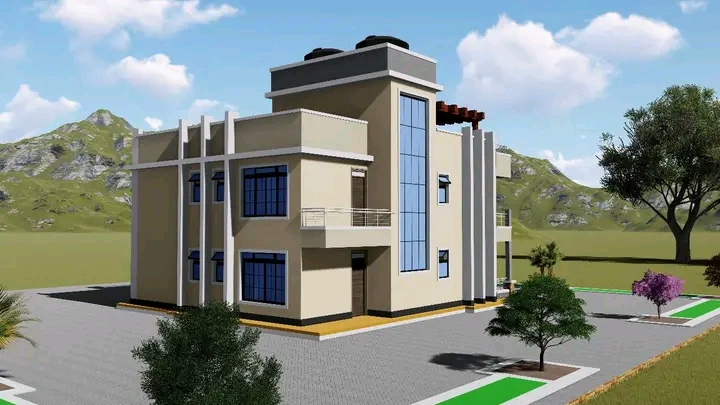
Materials storage, weather delays, labour shortages
Improper storage of materials exposes them to damage from rain, sun, or theft. Weather-related delays, especially during rainy seasons, can halt construction. Labour shortages or absenteeism also slow progress. Planning deliveries, using covered storage, and hiring reliable teams mitigates these risks.
Communication breakdowns, documentation and progress tracking
Poor communication between homeowners, contractors, and suppliers often results in errors, rework, and delays. Maintaining detailed documentation of agreements, delivery notes, and daily progress reports helps resolve disputes and ensures transparency. Digital tools or simple progress logs can greatly improve coordination and accountability.
Mistake 8 – Inadequate Utility and Infrastructure Planning
Neglecting utility planning and site infrastructure is a frequent building error Kenya homeowners make. Overlooking proper drainage, plumbing, or power connections can cause long-term problems such as flooding, waterlogging, or costly retrofits. Planning these systems from the start ensures functionality and convenience.
Drainage, slope, soak‑pits, water flow around the house
Proper site grading and drainage prevent water accumulation near the foundation, which can weaken structures. Designing soak-pits, gutters, and correct slopes ensures rainwater and wastewater are safely diverted. Ignoring this can lead to flooding, soil erosion, and structural damage over time.
Electrical, plumbing, sewerage systems included too late
Many homeowners delay installing plumbing, electrical wiring, and sewerage systems, which increases costs and disrupts construction flow. Planning these systems early allows integration with walls, floors, and foundations, reducing rework. Engage licensed electricians and plumbers during the design stage to ensure compliance with Kenyan standards.
Future expansion & infrastructure (parking, nganyas access, power backup)
Planning for future expansion and infrastructure is often overlooked. Considerations like car parking, nganyas (public transport) access, power backup systems, and extra utility lines save time and costs if you expand later. Designing for flexibility ensures your home remains functional and valuable over time.

Mistake 9 – Neglecting Maintenance, Durability & Future Proofing
Neglecting maintenance and future planning is a major mistake in house construction Kenya. Many homeowners focus only on completing the build without considering durability, upkeep, or long-term usability. Over time, this leads to higher repair costs, reduced property value, and a home that may not meet future family needs. Planning for durability and maintenance ensures your house remains safe, comfortable, and valuable for years.
Building for the short term vs for longevity
Some homeowners design houses to minimise initial costs, often compromising on materials, structural elements, or finishes. While this may reduce expenses in the short term, it increases maintenance costs and risk of structural issues later. Investing in quality materials, strong foundations, and professional workmanship builds longevity. For example, using reinforced steel and high-grade cement ensures the home withstands heavy rainfall and soil shifts common in Kenya.
Waterproofing, termite treatment, ventilation
Ignoring essential durability measures like waterproofing, termite treatment, and proper ventilation is another costly mistake. Poor waterproofing can lead to leaks and damp walls, termite infestations weaken timber structures, and insufficient ventilation causes mold and poor air quality. Applying protective coatings, installing termite barriers, and designing for natural airflow safeguards your home’s structure and health.
Planning for future extension, resale value
Failing to plan for future expansion or resale reduces flexibility and property value. Consider the potential for extra rooms, garages, or outdoor spaces when designing your layout. Include infrastructure for future utilities and easy access for nganyas or parking. Planning ahead ensures your home adapts to family growth or market demands, protecting your investment.
Best Practices to Avoid These Mistakes (Actionable Checklist)
Avoiding mistakes in house construction Kenya starts with proactive planning and following best practices at every stage of the project. Implementing the right strategies helps reduce building errors Kenya, control costs, and prevent common construction challenges Kenya. Below is a detailed checklist to guide homeowners from planning to handover.
- Hire certified professionals (architect, QS, contractor)
Working with qualified and registered professionals ensures your house is designed and built according to Kenyan standards. Architects, quantity surveyors (QS), and NCA-registered contractors bring technical expertise, minimise errors, and improve project efficiency. Always verify credentials, review past projects, and check references.
- Prepare detailed BoQ, contingency budget, procurement schedule
A comprehensive Bill of Quantities (BoQ) outlines all materials, labour, and costs, preventing overspending. Include a contingency buffer of 10–15% to cover unexpected expenses. Creating a procurement schedule ensures timely delivery of materials and avoids project delays.
- Secure approvals before ground-breaking
Obtain county building permits, NCA verification, and environmental clearance (NEMA) before starting construction. Securing approvals prevents legal complications, fines, or forced project stoppages.
- Conduct soil tests & site investigation early
Early soil testing identifies soil type, water table, and slope, ensuring appropriate foundation design. Ignoring this step can lead to settlement issues, cracks, and foundation failure.
- Select materials with standards and inspect deliveries
Purchase materials from certified suppliers and verify Kenyan Bureau of Standards (KEBS) certification. Inspect every delivery to avoid substandard cement, steel, or concrete blocks, which can compromise structural integrity.
- Set up daily/weekly site supervision & tracking
Assign a qualified site supervisor or project manager to monitor progress. Regular reports and site checks ensure construction follows the approved design, prevents errors, and manages construction challenges Kenya effectively.

Fix design & scope early — avoid major changes later
Finalise architectural and structural designs before construction begins. Mid-project changes increase costs, cause delays, and risk structural integrity. Clear scope definition prevents scope creep and ensures smooth execution.
- Plan for utilities, drainage and environmental factors upfront
Integrate plumbing, electrical, sewerage, and drainage systems early. Consider site slope, water flow, soak pits, and natural ventilation. Early planning prevents retrofits and long-term issues like flooding or water damage.
- Build for durability and flexible future use
Invest in long-lasting materials, termite protection, waterproofing, and quality finishes. Design the home to allow future expansions, additional rooms, or new utilities. This approach increases resale value and ensures your home remains functional and safe for years.
Financial & Time Impact of Construction Mistakes in Kenya
Construction mistakes can have significant financial and time consequences in Kenya. Many homeowners underestimate the cost of building errors Kenya, only realising the impact when delays occur or repairs are needed. Avoiding these mistakes not only saves money but also ensures timely project completion and structural safety.
Mistakes in house construction Kenya can lead to:
- Cost overruns: Buying extra materials, paying for rework, or replacing substandard materials increases the budget unexpectedly.
- Delays: Poor planning, unqualified contractors, or missing permits can push timelines back by months.
- Structural issues: Weak foundations, improper drainage, or substandard materials can result in cracks, leaks, or total failure.
For example, a small 3-bedroom house that neglects soil testing may incur additional KSh 500,000–1,000,000 in foundation repairs. Similarly, design changes mid-project can increase costs by 10–20% due to rework and material wastage.
The return on investment (ROI) of doing it right the first time far outweighs cutting corners. Spending a little more upfront on certified materials, skilled professionals, and proper planning prevents long-term expenses, reduces risk, and improves the home’s resale value.
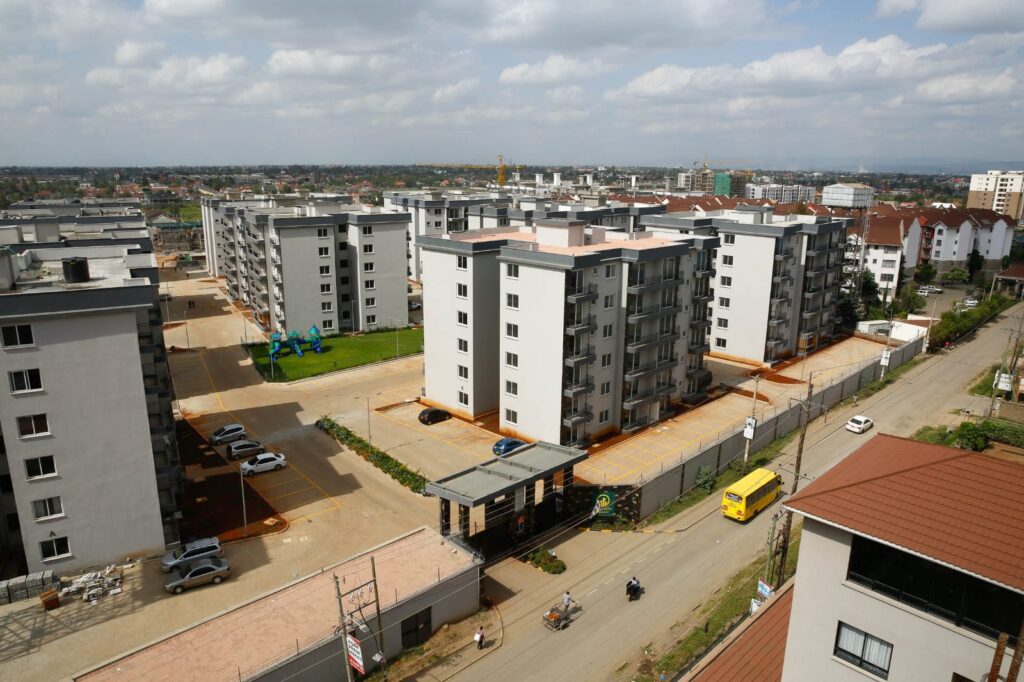
Case Studies from Kenya – When Things Went Wrong & How to Fix Them
Learning from real-life examples helps homeowners avoid repeating common construction challenges Kenya.
- Example 1: Foundation failure due to soil mistakes
In Mombasa, a residential building was constructed on black cotton soil without proper geotechnical investigation. Within two years, walls developed cracks, and slabs settled unevenly. Corrective measures included underpinning the foundation, soil stabilisation, and professional supervision. This case highlights the importance of early soil testing and matching foundation design to soil type.
- Example 2: Heavy budget overrun / contract dispute
A Nairobi homeowner hired an unregistered contractor who underquoted the project. Midway through construction, the contractor demanded extra payments due to “unexpected costs,” resulting in a 30% budget overrun. The dispute led to legal intervention, delayed project completion, and additional supervision costs. The lesson: always verify contractor credentials, use a formal contract, and monitor progress closely.
Lessons learned and corrective measures
From these cases, key takeaways include:
- Conduct thorough soil tests and geotechnical assessments before starting foundations.
- Hire qualified, NCA-registered contractors with verifiable past projects.
- Prepare detailed BoQ and contingency budgets to manage unforeseen expenses.
- Monitor projects with professional supervision and maintain clear documentation.
Following these lessons reduces mistakes in house construction Kenya, minimises financial loss, and ensures safe, durable homes.
How to Choose the Right Team & Contract Structure in Kenya
Selecting the right team and establishing a clear contract structure is critical to avoid mistakes in house construction Kenya. A competent team ensures your project runs smoothly, stays on budget, and meets quality standards. Conversely, poor choices can lead to delays, cost overruns, and structural issues.
What credentials to look for: NCA registration, past portfolio, references
Always verify that contractors, engineers, and artisans are NCA-registered. Review their portfolio of past projects and speak to references to assess quality, reliability, and professionalism. This step prevents hiring unqualified individuals who may compromise your building quality or violate Kenyan construction standards.
Contract types, risk allocation, warranty terms
Choose a contract type that clearly defines responsibilities, timelines, and payment terms. Include risk allocation clauses and warranty coverage for workmanship and materials. This ensures accountability, reduces disputes, and protects your investment if unforeseen issues arise.
Transparent communication, progress payment schedule, site audits
Establish clear communication channels and regular progress reporting. Tie payments to milestones rather than upfront lumps to maintain accountability. Conduct periodic site audits to ensure work aligns with approved plans, minimising construction challenges Kenya.

Conclusion
Avoiding mistakes in house construction Kenya requires proactive planning, qualified professionals, and careful monitoring of every project stage. Common errors, such as skipping approvals, poor site selection, substandard materials, and design changes mid-project, can increase costs, delays, and long-term maintenance issues.
By following best practices—hiring certified professionals, conducting soil tests, securing permits, planning utilities, and building for durability—you ensure your home is safe, efficient, and future-proof. Homeowners who invest in proper planning enjoy lower costs, better quality, and peace of mind throughout the construction process.
Take action today: download a comprehensive checklist, consult qualified experts, and start your construction project the right way. Avoiding mistakes now saves money, time, and stress later.