Learn how construction site inspections protect investments, save money, and ensure safety. Get ready‑to‑use checklists, cost breakdowns, editable PDF templates, site visit plans & sample reports.
Introduction
Construction site inspections are a crucial part of every construction project. They ensure that projects stay on schedule, meet quality standards, comply with safety regulations, and protect construction investments. For investors and project managers, regular inspections provide confidence that construction plans are being executed as intended.
By using checklists, site visit plans, and inspection reports, stakeholders can quickly identify issues before they escalate. These tools also help track costs, monitor safety compliance, and document construction progress. Properly conducted inspections save time and money while maintaining accountability on site.
Quick Snapshot – Construction Site Inspections
- What They Are: Systematic on-site checks of construction safety, quality, and progress to ensure compliance with plans and regulations
- Who They’re For: Investors, project managers, safety officers, quality inspectors, and construction teams
- When They’re Done: At scheduled intervals and key project milestones throughout the construction lifecycle
- Core Focus Areas: Safety compliance, quality control, progress tracking, cost monitoring, and risk management
- Key Tools Used: Inspection checklists, site visit plans, progress reports, photos, drones, and digital inspection apps
- Deliverables: Actionable inspection reports, corrective action logs, and standardized PDF templates
- Why They Matter: Prevent cost overruns, reduce delays, improve safety, and protect construction investments
- Key Takeaway: Regular, well-documented construction site inspections ensure accountability, quality outcomes, and investor confidence
What Are Construction Site Inspections?
Definition and Inspection Purpose
Construction site inspections are systematic evaluations of ongoing construction activities to ensure safety, quality, and compliance with project plans. They help identify potential issues early, reducing risks of delays or cost overruns. For investors, inspections provide reassurance that construction investments are being protected and that resources are used efficiently. These inspections are essential for maintaining contractor accountability and regulatory compliance.
Key Inspection Types (Safety, Quality, Progress)
Construction site inspections can be categorized into safety, quality, and progress checks. Safety inspections ensure that workers follow proper procedures and that personal protective equipment (PPE) is used correctly. Quality inspections verify that materials and workmanship meet project specifications, while progress inspections confirm that milestones are achieved on schedule. Together, these inspection types provide a comprehensive view of the project’s status.
Who Performs a Construction Site Inspection?
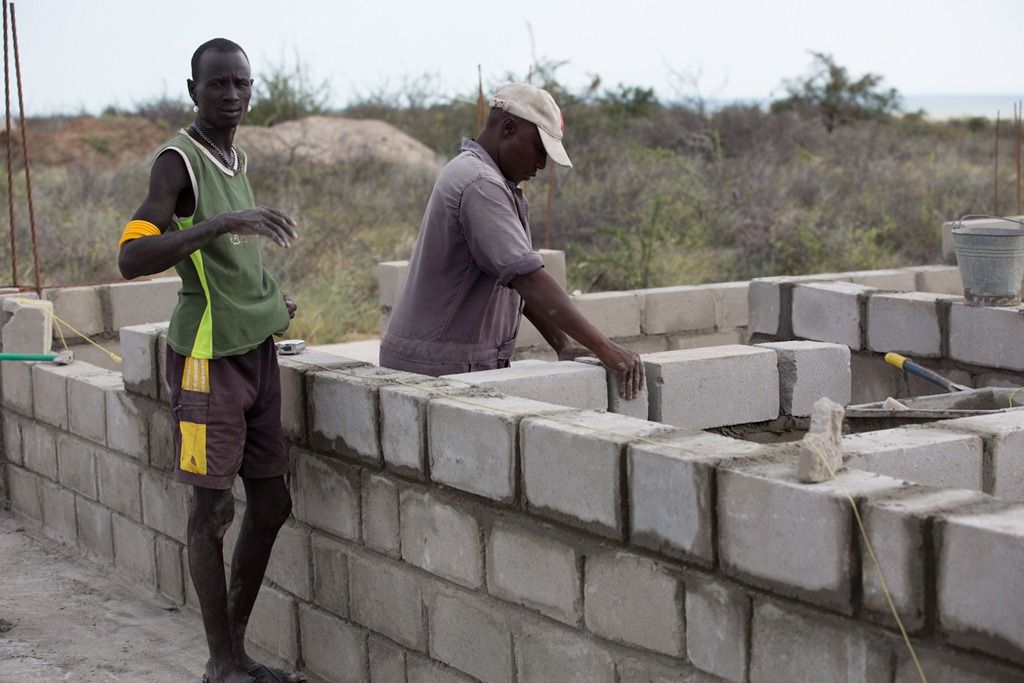
Site inspections are typically conducted by project managers, safety officers, quality inspectors, and sometimes external consultants. Investors may also visit the site to verify progress and compliance firsthand. Assigning clear responsibilities ensures that inspections are thorough and documented properly. Each inspector focuses on their area of expertise to cover safety, quality, and progress simultaneously.
When to Schedule Inspections During a Project
Inspections should be scheduled at key milestones, such as after foundation work, structural framing, or major installations. Regular visits—weekly or biweekly depending on project size—help track ongoing progress and detect deviations early. Special inspections may be required when new subcontractors join the site or when high-risk activities occur. Scheduling inspections strategically prevents surprises and protects construction investments.
Inspection Checklist Essentials
Standard Site Visit Checklist Items
A standard site visit checklist includes verifying work progress, safety measures, equipment conditions, and material storage. It also covers adherence to project plans, identification of hazards, and documentation of deviations. Using a checklist ensures consistent inspections across different teams and helps streamline reporting. Checklists save time while providing a clear audit trail for future reference.
Safety & Compliance Checklist
Safety and compliance checklists focus on worker protection, hazard identification, emergency preparedness, and PPE usage. Inspectors verify that all safety signs are in place and that hazardous areas are properly controlled. Compliance checks also ensure that local regulations and construction standards are followed. These checklists minimize accidents and legal risks on the construction site.
Quality Control Checklist
Quality control checklists cover material standards, workmanship, and adherence to engineering specifications. Inspectors evaluate whether structures are built according to approved designs and project drawings. They also check for proper curing of concrete, alignment of structural elements, and finishing details. This ensures that construction investments result in durable and high-quality outcomes.
Investment‑Focused Checklist Items
Investment-focused checklists evaluate budget adherence, cost variances, and resource utilization. Inspectors also track delays that could impact project ROI and highlight potential risks for investors. Including financial and scheduling checkpoints ensures that construction investments are safeguarded. This checklist type bridges operational oversight with investor expectations.
Site Visit Planning & Costs
Creating an Effective Site Visit Plan
An effective site visit plan outlines inspection objectives, the scope of evaluation, and responsible personnel. It defines which areas of the project will be inspected and in what order, ensuring efficient use of time. Planning also includes preparing necessary documentation, safety gear, and tools. A well-structured plan makes inspections consistent and actionable.
Estimating Construction Site Visit Costs
The cost of construction site visits varies depending on project size, frequency, and inspector expertise. Expenses include personnel fees, transportation, safety equipment, and reporting tools. Understanding these costs helps investors budget inspections accurately and ensures that spending contributes to protecting construction investments. Cost estimates also allow comparison between in-house inspections and hiring external consultants.
Factors Affecting Inspection Frequency
Inspection frequency is influenced by project complexity, risk level, and stage of construction. High-risk activities or projects with multiple subcontractors require more frequent visits. Weather conditions, site accessibility, and regulatory requirements also affect scheduling. Adjusting inspection frequency ensures comprehensive oversight without unnecessary cost.
Budgeting Inspections in Contracts
Including site inspections in project contracts ensures that costs are accounted for and responsibilities are clear. Contract clauses can specify inspection schedules, scope, and reporting obligations. This protects both investors and contractors by setting expectations upfront. Budgeting inspections in contracts also ensures that inspections are seen as a standard part of project management rather than an optional task.
Reporting, Documentation & PDF Templates
What to Include in a Site Visit Report
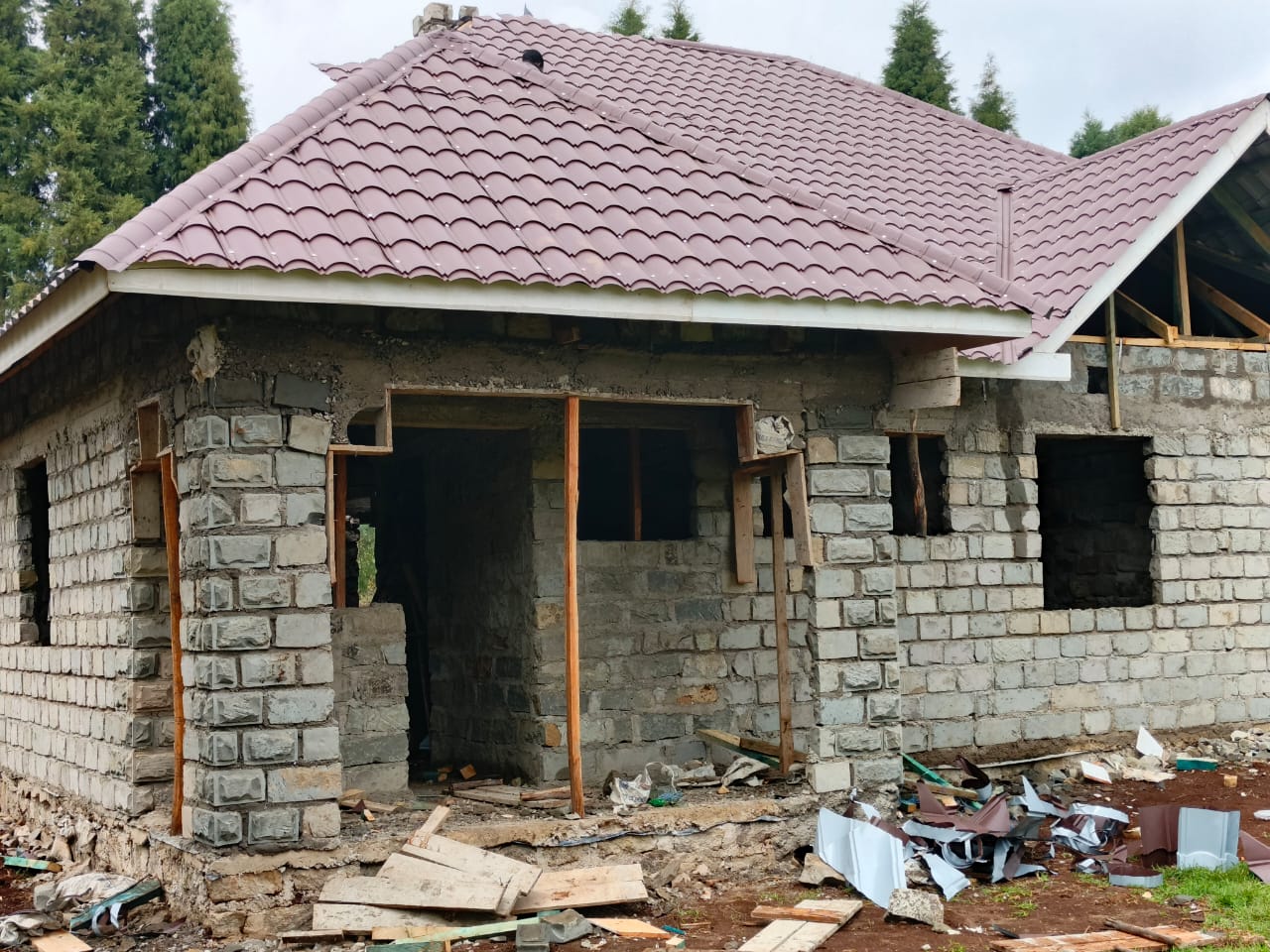
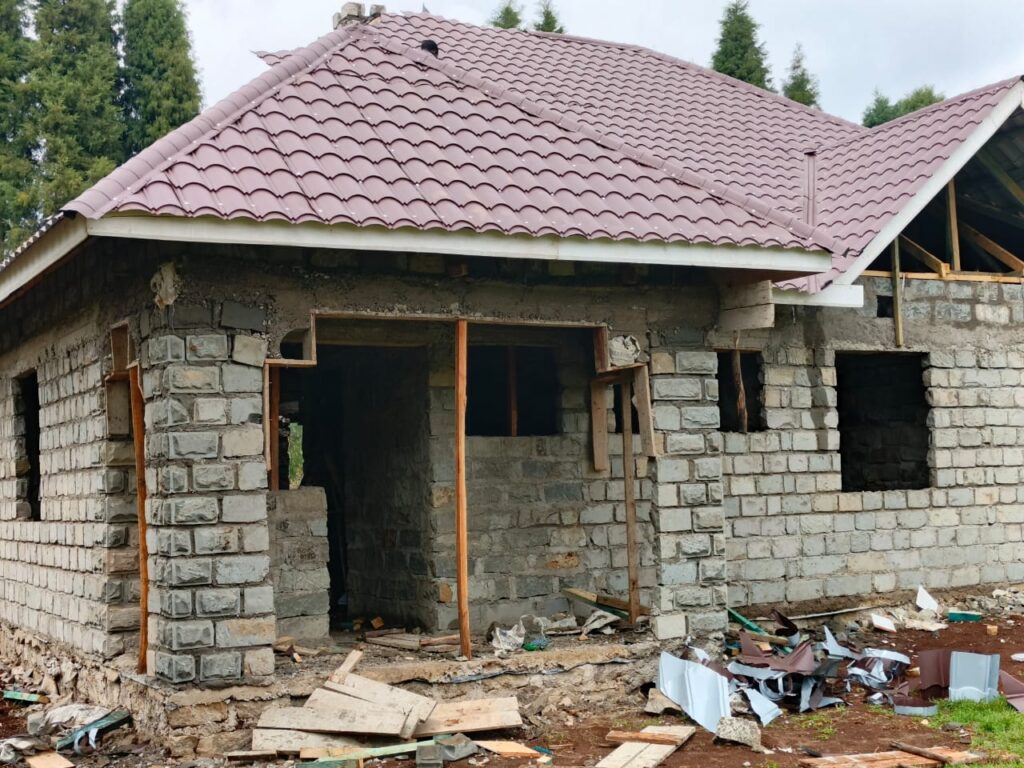
A comprehensive site visit report should document the inspection date, project stage, weather conditions, and personnel present. It should include safety observations, quality assessments, progress updates, and any deviations from the construction plan. Photographs, diagrams, and measurements provide visual evidence to support findings. Proper reporting ensures that issues are tracked, accountability is maintained, and corrective actions can be implemented efficiently.
Checklist to Report Workflow
A well-defined workflow converts completed checklists into structured site visit reports. Inspectors collect checklist data on-site and transfer it into a standardized reporting format. This process ensures that observations are consistent, actionable, and easy to review by project managers or investors. Linking checklist results to reporting reduces errors, saves time, and strengthens documentation for construction investments.
Downloadable PDF Templates (Checklist & Report)
Downloadable PDF templates allow teams to standardize inspections and site visit reports across multiple projects. They save time by providing pre-formatted sections for safety, quality, progress, and investment-focused observations. Using these templates also ensures compliance with company procedures and regulatory requirements. PDF versions can be easily shared with investors, contractors, and project stakeholders for transparency and record-keeping.
Tech Tools & Quality Control for Inspections
Mobile Apps & Digital Checklists
Mobile apps and digital checklists streamline construction site inspections by allowing real-time data entry and instant updates. Inspectors can mark completed tasks, capture photos, and generate reports directly from the site. Digital tools reduce paperwork, improve accuracy, and provide easy access to historical inspection data. These apps enhance efficiency, especially on large projects with multiple inspection points.
Using Drones & Photos for Documentation
Drones and high-resolution photography provide comprehensive site documentation that is difficult to capture manually. They allow inspectors to monitor hard-to-reach areas, track progress from multiple angles, and verify compliance with safety and quality standards. Visual documentation also helps investors and project managers evaluate construction investments remotely. Integrating drone footage into reports increases transparency and improves decision-making.
Integrating Tech with Reporting
Integrating digital tools, mobile apps, and photographic evidence into reports creates a unified inspection workflow. Automated report generation reduces manual errors and ensures consistency across inspections. Project stakeholders can access real-time data dashboards for progress monitoring, safety compliance, and investment tracking. This integration also facilitates audits, regulatory compliance, and informed decision-making throughout the project lifecycle.
Protecting Investments With Construction Site Inspections
Avoiding Cost Overruns & Delays
Regular construction site inspections help detect potential issues before they escalate, reducing the risk of cost overruns and project delays. By monitoring resource use, workflow efficiency, and subcontractor performance, inspections ensure that construction stays on schedule. Early identification of defects or non-compliance prevents expensive rework. For investors, this proactive approach safeguards construction investments and maximizes returns.
Improving Confidence for Investors
Well-documented inspections build investor confidence by providing transparency on project progress, quality, and risk management. Investors can track milestones, review reports, and validate that funds are used appropriately. Regular updates and thorough documentation demonstrate that the project team prioritizes accountability and efficiency. This trust encourages continued investment and strengthens stakeholder relationships.
Contractual & Regulatory Compliance
Construction site inspections play a key role in ensuring compliance with contracts, building codes, and safety regulations. Inspectors document adherence to approved plans and highlight deviations that may result in legal or financial consequences. Maintaining proper records also protects investors and contractors during audits or disputes. Consistent inspections ensure that construction projects meet both contractual obligations and regulatory standards.

Conclusion
Structured construction site inspections are critical for protecting investments, maintaining safety, ensuring quality, and controlling costs. By using standardized checklists, detailed site visit reports, and digital tools, stakeholders can monitor projects effectively. Regular inspections help identify issues early, preventing delays and reducing the risk of expensive rework.
For investors and project managers, consistent inspections build confidence that construction projects are progressing according to plan. They also ensure accountability across contractors, subcontractors, and suppliers, creating a reliable framework for project success.