Explore the latest construction trends in Kenya — from modern design aesthetics and sustainable materials to cutting‑edge technologies — plus cost insights, services, legal tips, and how to choose the right solutions for your next build. Practical guidance for homeowners, investors, and builders.
Why These Trends Matter in Kenya
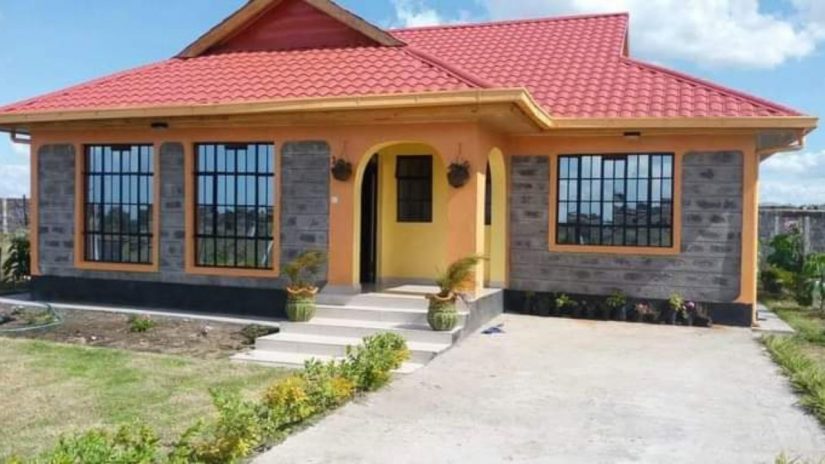
Kenya’s construction industry is rapidly evolving, driven by urban growth, rising investor interest, and the increasing demand for modern, sustainable housing. Understanding construction trends in Kenya: modern designs, materials, and technologies is crucial for homeowners, investors, and developers who want to maximise returns, reduce costs, and create durable properties. Modern construction now blends aesthetics, functionality, and technology to deliver buildings that meet both lifestyle and investment goals.
Overview of Kenya’s Construction Landscape
Kenya’s urban areas are expanding faster than ever, leading to a surge in residential, commercial, and mixed-use developments. Cities like Nairobi, Mombasa, and Kisumu are embracing innovative designs such as open-plan layouts, modular housing, and eco-friendly materials. This shift is not just for visual appeal; it enhances ventilation, natural lighting, and energy efficiency, which ultimately reduces long-term maintenance costs. Local developers increasingly adopt sustainable building materials in Kenya, including CSEBs, bamboo, and recycled products to align with environmental standards.
Importance for Homeowners and Investors
For homeowners, integrating modern materials and technology ensures comfort, durability, and reduced utility bills. Investors benefit from higher rental yields and resale value, as buildings constructed with advanced techniques and materials are more attractive to buyers and tenants.
Key advantages include:
- Reduced construction errors through digital tools like BIM and drones
- Faster project completion via prefabricated and modular construction
- Lower energy costs with green building materials
- Compliance with Kenya’s building regulations and safety standards
Understanding these trends helps you plan projects effectively and make informed material and design choices. Staying updated on modern construction technologies in Kenya allows stakeholders to anticipate market demands, adopt sustainable practices, and increase property ROI.
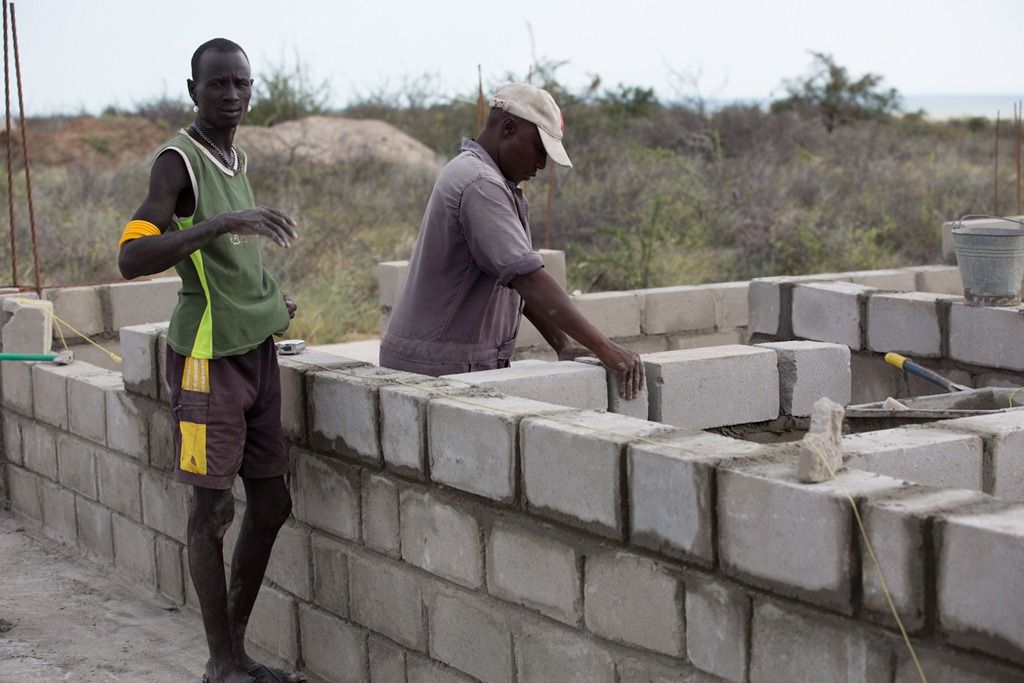
In conclusion, staying informed about construction trends in Kenya ensures your project is modern, sustainable, and profitable, whether for personal use or investment purposes.
Services Included in Modern Construction Projects
When planning a construction project in Kenya, understanding the full range of services included in modern construction projects is key to achieving quality, sustainability, and timely delivery. Whether you are a homeowner, investor, or developer, integrating modern designs, eco-friendly materials, and cutting-edge technology ensures that your property meets contemporary standards and maximises return on investment. These services go beyond traditional brick-and-mortar construction to include design, material sourcing, modular assembly, and digital tools.
Architectural & Design Services
Modern architectural services in Kenya focus on open-plan layouts, biophilic design, and resilient structures that can withstand environmental challenges. Architects now prioritise energy efficiency, natural lighting, and ventilation to create spaces that are both functional and aesthetically pleasing. Engaging professional design services ensures that your project complies with building regulations while adopting modern construction designs in Kenya.
Material Sourcing & Procurement
Sourcing high-quality and sustainable materials is essential for a successful build. Popular options include CSEBs (compressed stabilised earth blocks), bamboo, recycled plastics, and eco-friendly cement alternatives. Using these sustainable building materials in Kenya not only reduces environmental impact but also improves durability and long-term maintenance savings.
Prefabrication & Modular Assembly
Prefabricated and modular methods are increasingly popular in Kenya as they reduce construction time, minimise waste, and maintain consistent quality. Concrete panels, EPS blocks, and pre-assembled wall systems help deliver projects faster while lowering labor costs.
Tech & Digital Integration
Digital tools like BIM, drones, IoT sensors, and 3D printing streamline project management, monitor progress, and improve accuracy. Benefits include:
- Reduced errors and rework
- Faster approvals through digital models
- Enhanced site safety and real-time monitoring
Snippet:
Full-service projects now include digital modelling (BIM), drone site surveys, and sustainability audits — not just bricks and mortar.
Cost Breakdown: Materials, Tech & Labour
Understanding the cost breakdown of construction projects in Kenya is essential for homeowners and investors planning a modern build. Costs are influenced by material choices, labor quality, and the adoption of modern technologies. By analysing each component, you can make informed decisions, reduce unnecessary expenses, and ensure your project stays within budget. Modern construction trends in Kenya are designed to balance cost efficiency with durability and sustainability, allowing investors to maximise value and long-term returns.
Material Costs in Kenya
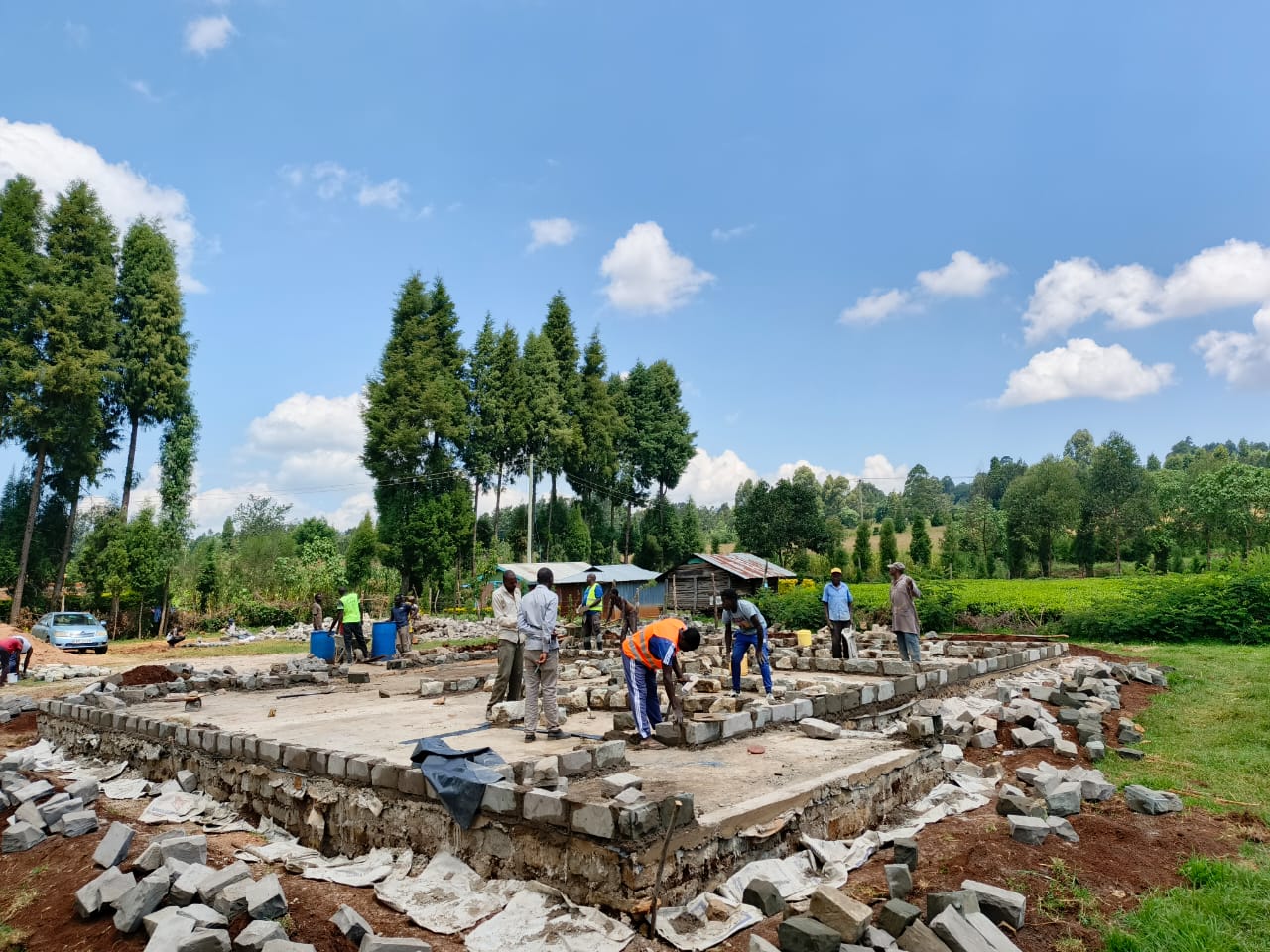
Material selection has a significant impact on overall construction costs. Traditional concrete blocks are affordable but may lack insulation and sustainability features. Eco-friendly alternatives, such as CSEBs (compressed stabilised earth blocks), bamboo, and recycled plastics, are increasingly popular in Kenya for their durability and lower environmental impact. Using sustainable materials may slightly increase initial costs, but the long-term savings on energy and maintenance often outweigh the upfront investment. Local suppliers also affect pricing, so sourcing materials strategically is key.
Labour & Site Management
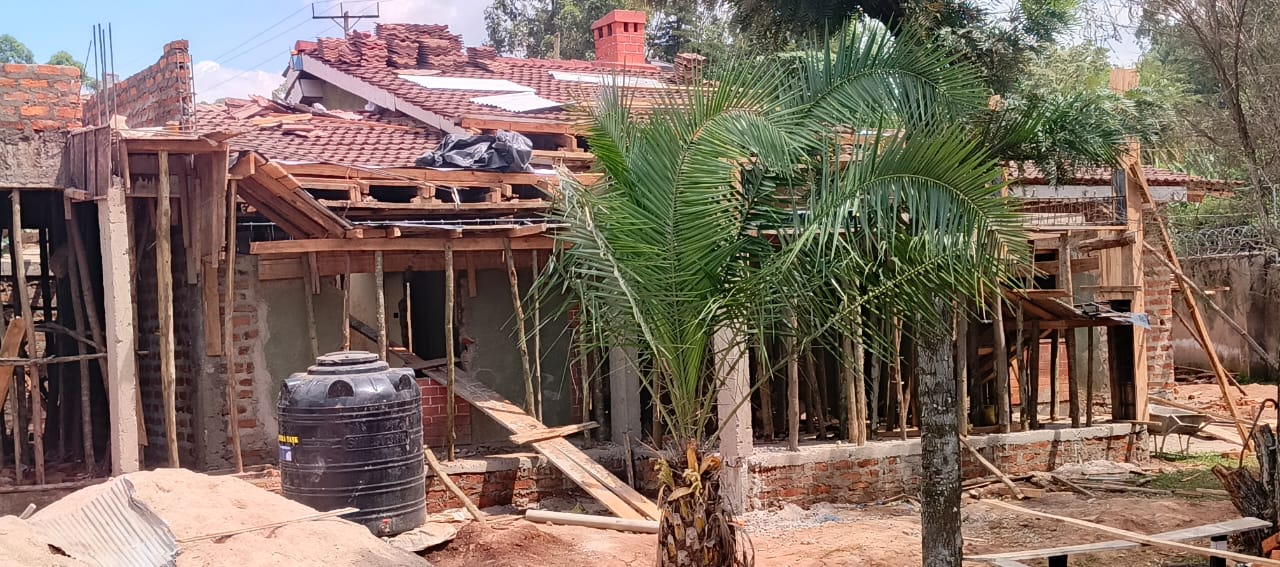
Labour costs depend on skill level, project complexity, and location. Highly skilled workers ensure quality work, reducing rework and delays. Modern construction technologies like modular assembly and digital planning tools can reduce labor hours and costs. Investing in professional site management ensures that your project meets deadlines and maintains quality standards, which is especially important for large-scale or high-tech builds.
Tech Investment Costs
Incorporating modern construction technologies such as BIM, drones, IoT sensors, and 3D printing may increase upfront expenses. However, these tools reduce errors, prevent material waste, and allow for more accurate project management. Benefits include:
- Faster construction timelines
- Fewer costly reworks
- Enhanced safety and quality monitoring
Snippet:
A typical modern home may cost more initially but saves money via energy efficiency, faster delivery, and fewer reworks.
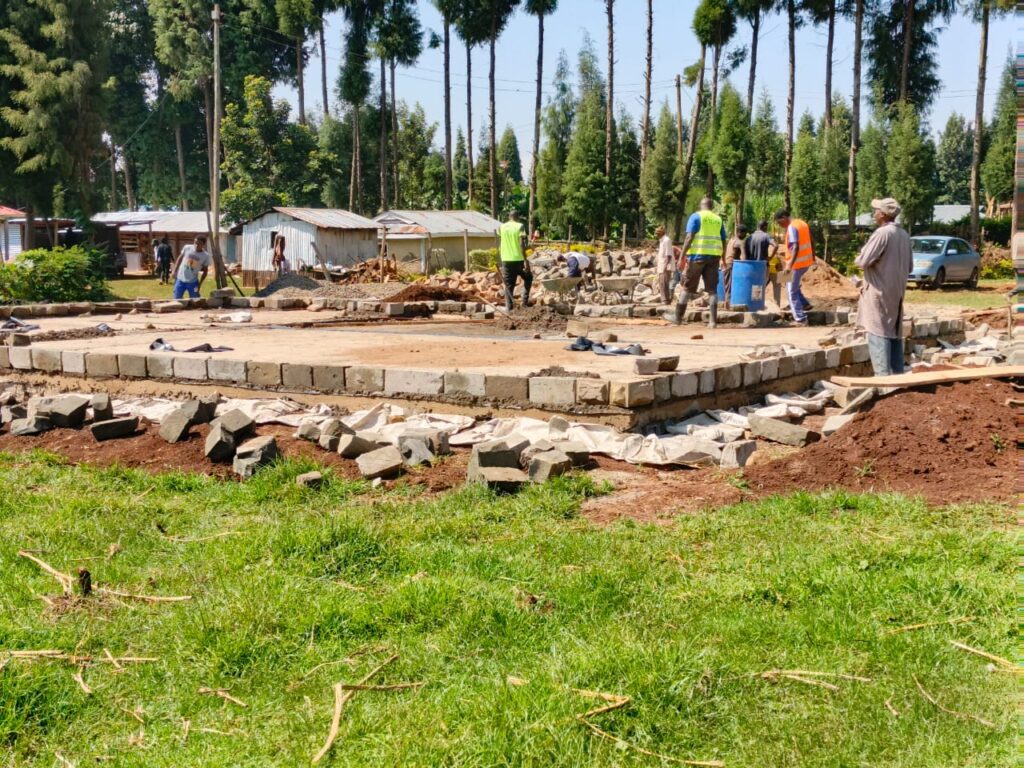
Factors Influencing Costs
When planning construction projects in Kenya, it is vital to understand the factors influencing construction costs. Costs are not fixed and can vary greatly depending on location, project scale, materials, and the level of technology used. Homeowners and investors who consider these factors early can make informed decisions, control budgets, and ensure efficient project execution. Modern construction trends in Kenya prioritise cost efficiency without compromising quality, sustainability, or design aesthetics.
Location (Urban vs Rural Builds)
Location is a primary determinant of construction costs. Urban areas like Nairobi or Mombasa generally have better access to materials, skilled labour, and construction technologies, which can reduce logistics costs. Rural or remote locations may face higher transport expenses, limited availability of high-quality materials, and fewer skilled workers. Planning for location-specific challenges is crucial when estimating your budget.
Project Scale & Complexity
Larger or custom-designed projects naturally cost more due to the increased labor, material, and planning requirements. High-complexity builds may require specialised architects, engineers, or permits, which add to costs. Conversely, smaller, modular designs or prefab solutions can save both time and money while still delivering modern, high-quality results.
Material Choices
Material selection plays a major role in cost management. Traditional bricks and cement blocks are often cheaper initially, while eco-friendly and sustainable building materials in Kenya, such as CSEBs or bamboo, may have higher upfront costs but offer long-term savings through reduced energy consumption and maintenance. Choosing local materials can cut overall build costs by up to 30% compared with imported alternatives.
Tech Adoption Level
The adoption of modern construction technologies, including BIM, drones, and IoT monitoring, increases initial investment but lowers labor costs, reduces errors, and shortens project timelines. Incorporating the right level of technology for your project ensures better quality, faster delivery, and long-term value.
Snippet:
Choosing local sustainable materials can cut overall build costs by up to 30% compared with imported alternatives.
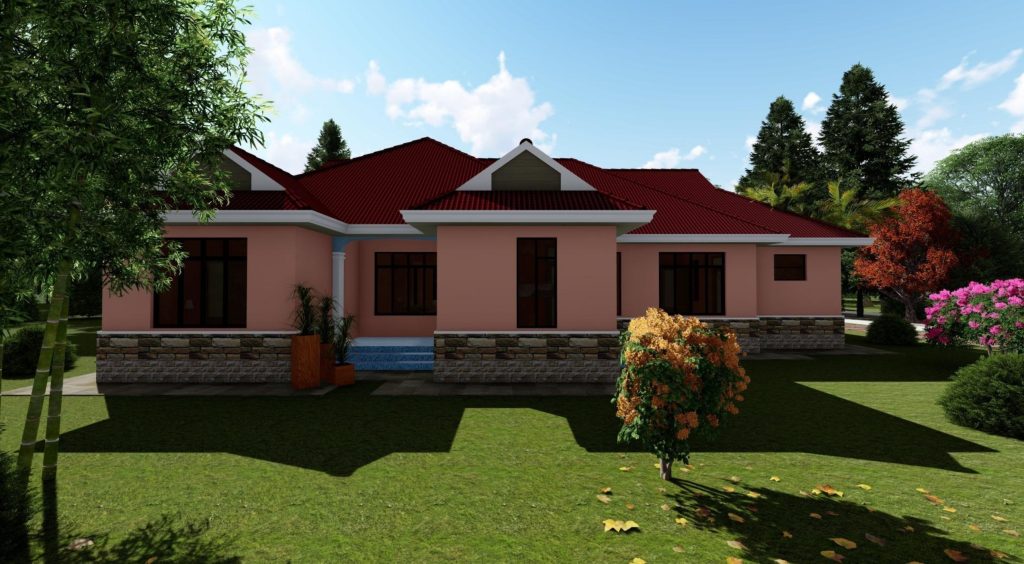
Legal & Regulatory Considerations
Understanding legal and regulatory considerations in Kenyan construction is essential for homeowners, investors, and developers who want to avoid costly mistakes and ensure compliance. Modern construction trends in Kenya, including eco-friendly materials, prefabricated methods, and digital technologies, still require adherence to national and county-level regulations. Ignoring permits or building codes can lead to fines, project delays, or even demolition, making legal knowledge a critical part of project planning.
Building Permits & Approvals
Obtaining the necessary building permits is a mandatory first step in any construction project. Permitting requirements vary by county, with Nairobi often enforcing stricter design and safety standards. Key considerations include architectural plan approvals, structural assessments, and fire safety compliance. Working with licensed architects and contractors familiar with local regulations ensures smooth approval and minimises delays.
Environmental Impact Assessments
Kenya requires environmental impact assessments (EIA) for certain projects, especially those using new or green construction materials. Using sustainable building materials in Kenya and energy-efficient technologies may accelerate EIA approval. Developers should plan early, submit accurate reports, and follow county guidelines to avoid compliance issues.
Quality & Safety Standards
Compliance with the Kenya Bureau of Standards (KEBS) and the National Building Code is essential for all materials and construction methods. Modern builds should meet safety, durability, and structural integrity requirements. Adopting certified materials and following standard procedures protects both investors and homeowners from long-term risks.
Snippet:
Building without permits risks fines and demolition — compliance protects your investment.

How to Choose the Right Trends, Materials & Tech
Selecting the right construction trends, materials, and technologies in Kenya is crucial for homeowners and investors who want a modern, sustainable, and cost-effective build. With numerous options for design, eco-friendly materials, prefabrication, and digital tools, making informed choices ensures your project is efficient, durable, and aligned with market demands. Proper selection also helps optimise budget, improve ROI, and future-proof your property for evolving construction standards.
Set Your Goals — Value vs Aesthetics
Before starting a project, clarify whether your priority is cost efficiency, sustainability, or visual appeal. If your goal is long-term investment, sustainable materials and energy-efficient technologies may offer the highest returns. For homeowners focused on lifestyle, modern design elements like open-plan spaces, natural lighting, and biophilic features can enhance comfort and property value.
Vet Contractors & Suppliers
Choosing the right contractors and suppliers is essential for a successful project. Review portfolios, confirm experience with modern construction technologies in Kenya, and check references. Ensure your partners can implement prefab methods, green materials, and digital tools to meet your design and sustainability goals.
Compare Material ROI
Assessing the long-term return on investment (ROI) for materials ensures cost-effective choices. Consider maintenance requirements, energy efficiency, and durability. Eco-friendly options like CSEBs, recycled plastics, and bamboo may have higher upfront costs but reduce utility bills and maintenance over time.
Plan for Future Tech Integration
Select systems and technologies that can adapt to future needs. IoT-ready wiring, smart energy solutions, and digital monitoring tools enhance functionality and efficiency. Planning for technology integration today saves costly upgrades tomorrow.
Snippet:
Cutting-edge tech is only as good as your team — invest in partners who deliver both design and execution.

Conclusion + CTAs
In summary, understanding construction trends in Kenya: modern designs, materials, and technologies is essential for homeowners, investors, and developers who want to build modern, sustainable, and high-value properties. Integrating contemporary designs, eco-friendly materials, prefabricated methods, and digital tools ensures projects are completed efficiently while meeting both aesthetic and functional goals. Staying informed about these trends enables smarter decisions, better resource allocation, and long-term cost savings.
Modern construction not only enhances the visual appeal of homes and commercial properties but also provides tangible benefits such as:
- Reduced construction timelines through modular and prefabricated methods
- Lower energy and maintenance costs with sustainable materials
- Increased ROI for investors due to higher property value and rental demand
- Improved project management and safety through digital construction
technologies
Call to Action
To take advantage of these modern construction opportunities in Kenya, consider the following steps:
- Get a free consultation with local architects and builders to discuss design, materials, and technology options.
- Download a materials cost comparison checklist to plan your budget effectively and make informed material choices.
- Subscribe for trend updates and project planning tools to stay ahead of new construction technologies, sustainable solutions, and design ideas.