
Explore comprehensive infrastructure construction in Kenya, including road and civil engineering projects, cost breakdowns, legal considerations, and expert tips on selecting the right contractor for successful project delivery.
Introduction
Infrastructure construction in Kenya is a critical driver of economic growth, connecting communities, facilitating trade, and supporting Vision 2030 goals. From major highways to bridges and public works projects, these initiatives improve accessibility, boost local economies, and create employment opportunities.
The sector involves multiple key players, including government agencies, licensed contractors, and private investors, all working together to deliver high-quality civil engineering projects across the country. Understanding the scope, costs, and processes involved is essential for anyone looking to invest, bid, or engage in infrastructure construction in Kenya.
Why Infrastructure Construction Matters in Kenya
Infrastructure construction in Kenya plays a vital role in supporting the country’s economic development and improving the quality of life for citizens. Projects such as roads, bridges, and public works not only create essential transport networks but also stimulate investment and regional development. Understanding why these projects matter helps investors, contractors, and policymakers make informed decisions.
Economic Growth & Employment
Roads, bridges, and other infrastructure projects generate significant economic activity. They create employment opportunities for skilled and unskilled workers, support local suppliers of construction materials, and stimulate growth in related sectors like transport and logistics.
By investing in infrastructure construction in Kenya, stakeholders can participate in long-term economic development while benefiting from government and private-sector projects.
Facilitating Trade & Connectivity
Infrastructure construction improves connectivity between rural and urban areas, reducing travel times and transport costs. Well-planned roads and public works projects make it easier to move goods, access markets, and expand business opportunities across counties.
Improved trade routes also support agriculture, tourism, and manufacturing, making infrastructure development a key enabler of economic diversification in Kenya.
Services Included in Infrastructure Projects
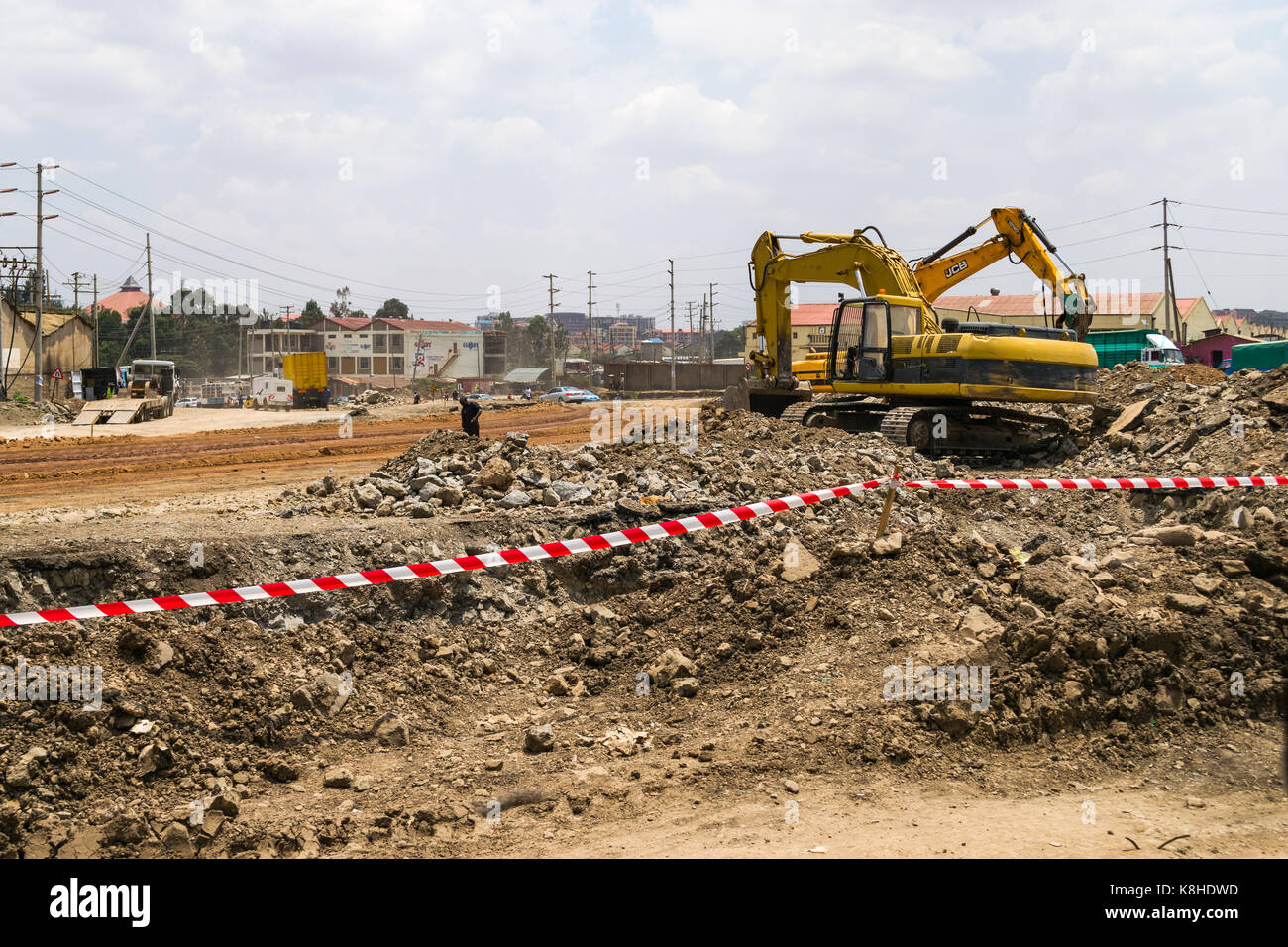
Infrastructure construction in Kenya covers a wide range of services, from road development to civil engineering and government-led public works. These services are designed to enhance connectivity, improve safety, and support economic growth across both urban and rural areas. Understanding the services included helps investors, contractors, and homeowners plan effectively for their projects.
Road Construction & Maintenance
Road construction and maintenance form the backbone of Kenya’s infrastructure. Projects include asphalt paving, building dual carriageways, and constructing bridges to improve traffic flow and durability. Upgrades to rural and urban road networks ensure better accessibility for communities, reduce travel times, and enhance trade routes.
Civil Engineering Projects
Civil engineering projects in Kenya go beyond roads to include bridges, interchanges, and urban mobility systems. These projects also involve drainage systems, flood mitigation works, and other engineering solutions that support sustainable urban development. Skilled civil engineers and contractors ensure that these projects meet international standards and improve overall infrastructure resilience.
Public Works & Government Projects
Public works projects in Kenya include both county and national government initiatives. These projects follow strict regulatory standards to ensure safety, quality, and long-term durability. Examples include public buildings, urban development projects, and PPP (Public-Private Partnership) initiatives aimed at boosting infrastructure while sharing costs and responsibilities between the government and private investors.
Cost Breakdown of Infrastructure Construction
Understanding the costs involved in infrastructure construction in Kenya is essential for investors, contractors, and homeowners. Costs vary depending on the type of project, materials used, and the scale of construction. A clear breakdown helps in budgeting, planning, and assessing the financial feasibility of projects.
Road Construction Costs
The cost of road construction in Kenya is influenced by several factors, including per kilometre estimates for tarmacking, the type of asphalt or bitumen used, labour costs, and machinery deployment. Urban roads with dual carriageways or bridges typically cost more than rural access roads due to complexity and material requirements.
Civil Engineering & Public Works Costs
Civil engineering and public works projects, such as bridges, interchanges, and drainage systems, often have higher budgets due to their technical complexity. Costs can vary widely depending on whether the project is small-scale, like a county bridge, or large-scale, such as national highway interchanges or flood mitigation works.
Factors Influencing Costs
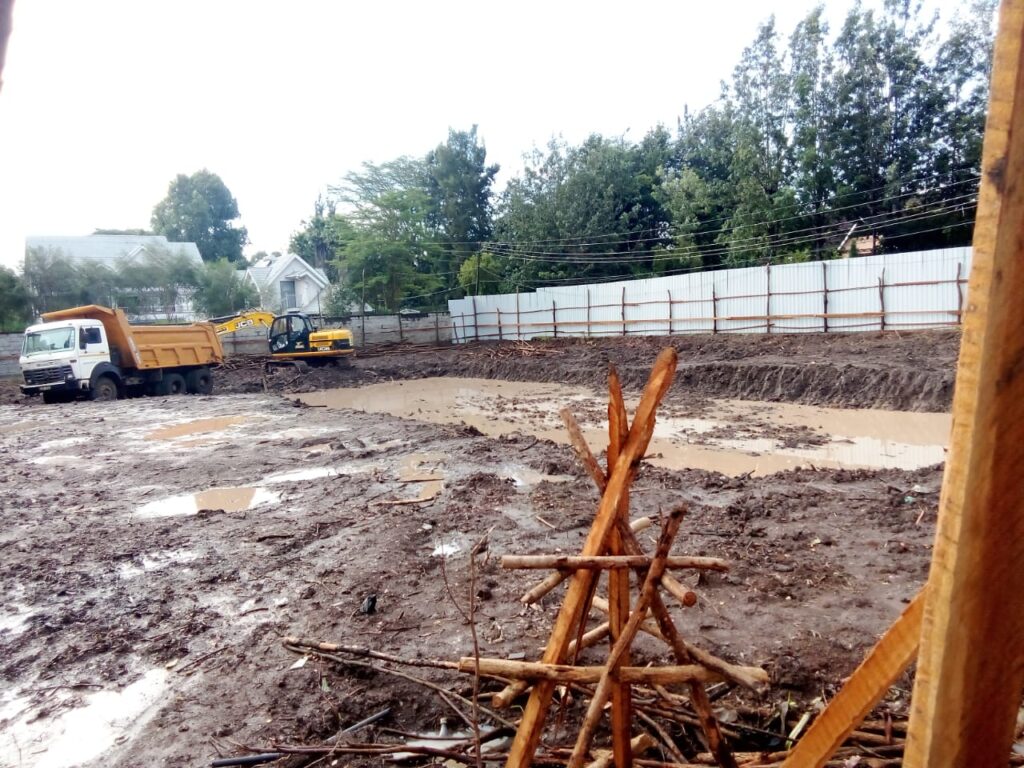
Several factors can significantly affect infrastructure construction costs in Kenya. Material prices and supply chain challenges directly impact budgeting, while contractor grading and experience influence efficiency and project quality.
Other considerations include terrain and location, as construction in hilly or remote areas can increase expenses. Weather conditions and the overall scale and complexity of the project also play critical roles in determining final costs.
Legal & Regulatory Considerations
Legal and regulatory compliance is a critical part of infrastructure construction in Kenya. Adhering to regulations ensures that projects are safe, environmentally responsible, and aligned with government standards. Understanding the legal framework helps contractors, investors, and homeowners avoid delays and penalties.
Compliance Requirements
Infrastructure projects in Kenya must meet the National Construction Authority (NCA) grading standards to ensure quality and safety. Additionally, environmental impact assessments are required for most large-scale projects, particularly those involving road expansions, bridges, or public works, to minimise ecological damage and protect local communities.
Permits & Approvals
Obtaining permits and approvals is essential before starting any infrastructure project. This includes county-level approvals, land acquisition documentation, and adherence to safety and labor regulations. Proper planning ensures smoother project execution and avoids legal disputes.
How to Choose the Right Contractor
Selecting the right contractor is crucial for the success of infrastructure construction in Kenya. The right contractor ensures timely delivery, quality workmanship, and compliance with regulatory standards.
Prequalification & Tendering
Before awarding a contract, contractors must meet technical, financial, and legal criteria. Prequalification involves evaluating their past experience, NCA grading, and ability to handle projects of specific scales. Tendering processes ensure transparency and fair competition.
Evaluating Contractor Experience
Assessing a contractor’s experience involves reviewing past projects, client references, and their technical certifications. Contractors with proven capacity in handling similar civil engineering or road construction projects are more likely to deliver high-quality results on time.
Financial Models for Projects
Projects in Kenya can be financed through various models, including Public-Private Partnerships (PPP), joint ventures, or private funding. Understanding these options helps investors and contractors plan for costs, risk-sharing, and long-term project sustainability.
Benefits of Infrastructure Construction
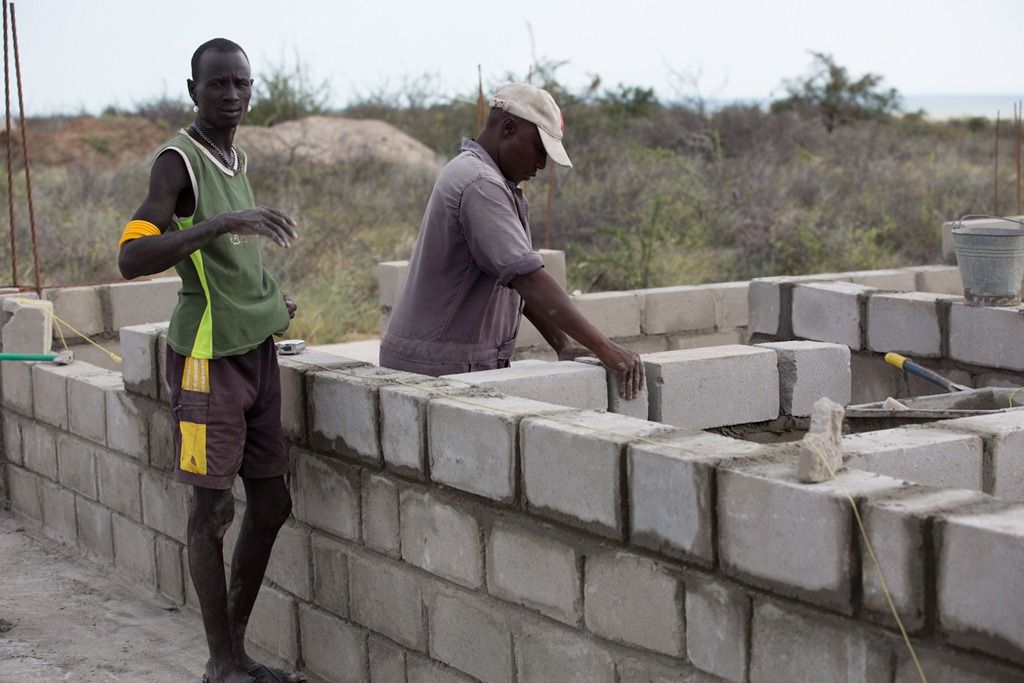
Infrastructure construction in Kenya delivers numerous benefits that support economic growth, social development, and improved living standards. These projects enhance connectivity, create employment opportunities, and strengthen regional development.
- Long-term economic growth and regional development: Roads, bridges, and public works projects open up trade corridors, attract investment, and stimulate local economies.
- Job creation and skills development: Infrastructure projects generate employment for skilled and unskilled workers while fostering technical skills in civil engineering and construction.
- Improved transport efficiency and safety: Well-constructed roads and public works reduce travel times, lower transport costs, and enhance safety for commuters and cargo.
Common Risks in Infrastructure Projects
While infrastructure construction offers significant benefits, there are also risks that contractors, investors, and homeowners need to manage. Recognising these risks helps mitigate potential delays, budget issues, and quality problems.
- Budget overruns and delays: Projects can exceed planned costs due to material price fluctuations, design changes, or logistical challenges.
- Poor workmanship or substandard materials: Using unqualified contractors or low-quality materials can compromise durability and safety.
- Regulatory or approval delays: Permits, land acquisition, and environmental approvals can slow down project timelines.
- Land disputes or acquisition issues: Conflicts over land ownership can cause legal delays and increase project costs.
Conclusion
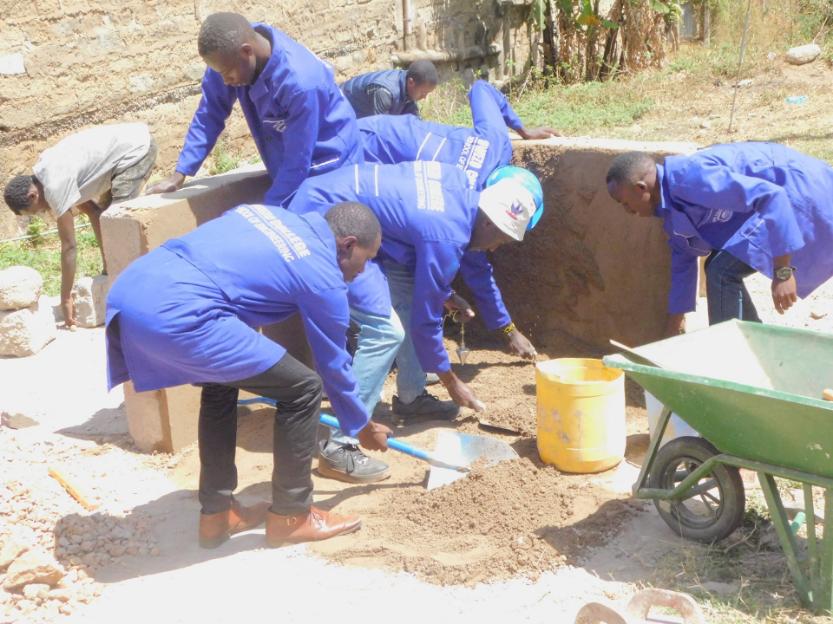
Infrastructure construction in Kenya remains a key driver of economic growth, regional connectivity, and social development. Investing in these projects provides opportunities for contractors, investors, and communities to benefit from improved transport efficiency, job creation, and long-term economic gains.
Call-to-Actions (CTAs):
- Request a construction quote for your project.
- Book a consultation with a certified contractor.
- Download the Kenya Infrastructure Project Checklist for detailed planning.


