Key Construction Equipment Used in Kenya and Their Functions
Explore the top construction equipment in Kenya — from earth-moving machines to handheld tools — understand their functions, buying vs rental options, cost and import insights, and how to choose the right building machinery in Kenya for your project.
Understanding the Kenyan Construction Equipment Market
Kenya’s construction industry growth & demand for equipment
Key Construction Equipment Used in Kenya and Their Functions
Kenya’s construction industry has grown steadily over the past decade, driven by housing projects, infrastructure expansion, and private developments. This growth has created high demand for modern construction equipment in Kenya, from excavators to concrete mixers. Contractors are seeking machines that boost efficiency, reduce costs, and meet tight project timelines. Reliable suppliers and equipment rental companies now play a vital role in meeting this growing demand.
Market segments: residential, commercial, infrastructure & roads
The Kenyan construction equipment market serves four main sectors: residential housing, commercial buildings, infrastructure works, and road projects.
- Residential construction relies on smaller machines like concrete mixers and block-making machines.
- Commercial projects demand heavy equipment such as cranes, loaders, and scaffolding systems.
- Infrastructure and road works depend on graders, rollers, and excavators for earth-moving and surface preparation.
Each segment uses equipment differently, but all share one goal — improving productivity and cutting labor time.
Procurement options: buying new, buying used, renting equipment in Kenya
Kenyan contractors can either buy new machinery, import used units, or rent locally.
- Buying new offers reliability and warranty coverage but requires a higher upfront cost.
- Buying used saves money yet needs thorough inspection and maintenance.
- Renting equipment is common for short-term projects or when testing a specific brand.
With a growing number of hire firms in Nairobi and Mombasa, construction equipment hire Kenya is becoming the preferred option for many small and mid-size builders.
Key regulatory & import considerations for Kenya (duties, compliance, local standards)
Importing building machinery into Kenya involves several key steps. Contractors must pay import duties, ensure compliance with Kenya Bureau of Standards (KEBS) regulations, and obtain clearance from the Kenya Revenue Authority (KRA). Proper documentation — including inspection certificates and proof of origin — helps avoid costly delays.
Buyers should also confirm that equipment meets local environmental and safety standards before purchase. Adhering to these rules not only ensures smooth importation but also enhances the resale and operational value of the equipment.
Major Categories of Construction Equipment in Kenya
Earth-moving equipment (excavators, backhoe loaders, bulldozers)
Earth-moving machines are essential for large-scale construction projects in Kenya. Excavators dig foundations, trenches, and basements efficiently. Backhoe loaders offer versatility for both digging and loading tasks, making them ideal for medium-sized projects. Bulldozers are used for site clearing, leveling, and pushing large amounts of soil. Choosing the right earth-moving equipment improves project speed and reduces labor costs significantly.
Material handling & lifting equipment (cranes, forklifts, telehandlers)
Material handling equipment makes transporting heavy construction materials faster and safer. Cranes lift heavy beams and blocks to upper floors of buildings. Forklifts move pallets and building supplies around construction sites. Telehandlers combine the lifting capability of cranes with mobility for rough terrain. Using these machines ensures smoother workflow and reduces on-site injuries.
Road-works & surface-preparation equipment (motor graders, rollers/compactors, pavers)
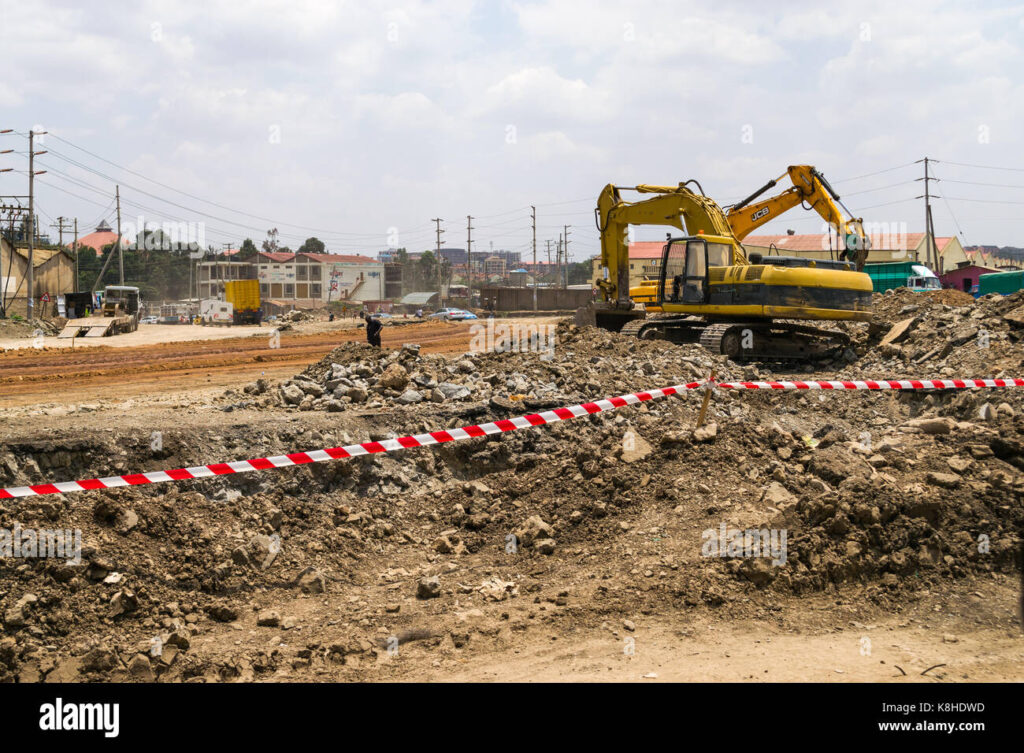
Road and infrastructure projects in Kenya rely on specialised equipment. Motor graders level surfaces for roads and foundations. Rollers and compactors ensure solid, stable surfaces by compressing soil and asphalt. Pavers lay asphalt for smooth, durable road surfaces. Investing in these machines increases project quality and compliance with Kenya National Highway Authority standards.
Concrete & masonry equipment (concrete mixers, block-making machines, concrete pumps)
Concrete and masonry machines are critical for building strong, durable structures. Concrete mixers ensure uniform mixes for foundations and slabs. Block-making machines produce high-quality blocks for walls efficiently. Concrete pumps allow rapid transfer of concrete to hard-to-reach areas, saving time and labor. These machines are essential for both small residential and large commercial projects in Kenya.
Internal link suggestion: Link to “4-Bedroom House Designs Kenya” for readers planning home construction projects using masonry equipment.
Light construction tools & handheld equipment (power drills, saws, handheld breakers)
Handheld tools are widely used for smaller tasks or finishing work on construction sites. Power drills are used for drilling holes and installing fixtures. Saws cut timber, PVC, or metal. Handheld breakers remove old concrete or asphalt efficiently. Even though these tools are smaller, they are vital for day-to-day construction efficiency and precision.
Popular Equipment Models & Their Functions for Kenyan Projects
Excavator – where and why it’s used in Kenya
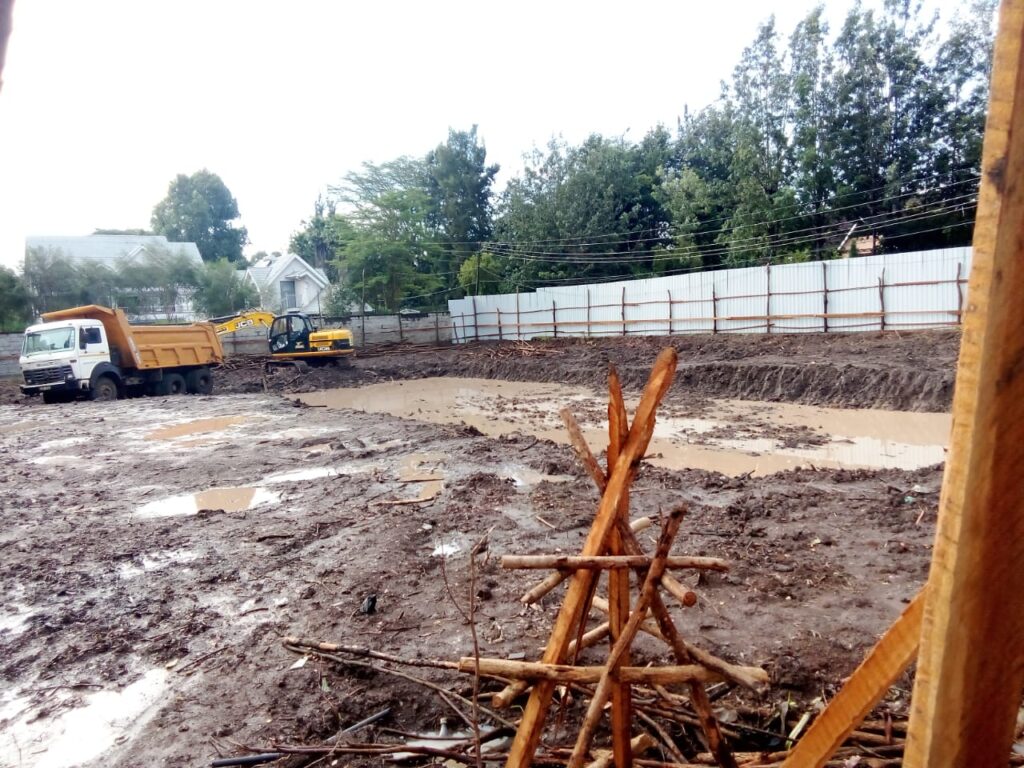
Excavators are essential for digging foundations, trenches, and basements in Kenyan construction projects. They are particularly useful for residential and commercial building sites where large volumes of soil must be moved efficiently. Modern excavators come with attachments like buckets and hammers, allowing versatility for demolition and landscaping tasks. Choosing the right model ensures faster completion and reduces manual labor costs.
Wheel loader/front loader – relevance for Kenyan building sites
Wheel loaders, also known as front loaders, are widely used on Kenyan construction sites to move soil, sand, gravel, and other materials. They are particularly effective for medium to large projects because of their speed and capacity. Using a wheel loader reduces manual handling, increases productivity, and helps maintain a clean and organized site.
Motor grader & roller – role in Kenyan road/infrastructure projects
Motor graders and rollers are crucial for road construction and site leveling. Graders smooth surfaces before asphalt laying, while rollers compact soil and asphalt to meet durability standards. These machines are commonly used by contractors working on public roads, highways, and large-scale infrastructure projects across Kenya. Proper operation ensures long-lasting roads and reduces maintenance costs.
Concrete mixer & block machine – building machinery Kenya: uses & selection tips
Concrete mixers and block-making machines are vital for building strong, durable structures. Mixers ensure consistent concrete for foundations, slabs, and columns, while block machines produce uniform, high-quality blocks for walls. When selecting machinery, consider project scale, machine capacity, energy source, and local availability of spare parts. Investing in the right equipment improves efficiency and reduces construction delays.

Handheld power tools – construction tools Kenya: safety, maintenance, cost
Handheld power tools like drills, saws, and breakers are essential for finishing work and small-scale projects. Proper safety practices, such as wearing PPE and using the right tool for each task, are critical. Regular maintenance, including cleaning and lubrication, extends tool life. Although relatively inexpensive, investing in quality tools ensures consistent performance on Kenyan construction sites.
Buying vs Renting Construction Equipment in Kenya
When purchase makes sense vs when rental is smarter
Purchasing construction equipment is ideal for large contractors with ongoing projects needing consistent machine use. Rental, on the other hand, suits smaller projects or short-term tasks where buying is cost-prohibitive. Contractors should evaluate project duration, frequency of use, and budget before deciding. Many Kenyan builders now combine purchase and rental strategies to optimise costs.
Cost-factors: import duty, shipping, maintenance, spare parts supply in Kenya
The total cost of construction equipment in Kenya goes beyond the purchase price. Import duty, shipping charges, maintenance, and spare parts availability must all be considered. Used machinery may reduce upfront costs but can increase maintenance expenses. Contractors should also factor in fuel efficiency and service support to determine long-term value.
Trusted suppliers & rental firms in Kenya — what to check (warranty, service, parts)
Choosing the right supplier or rental firm ensures reliability and timely support. Verify NCA registration, warranty coverage, availability of spare parts, and service history. Reviews from other Kenyan contractors can guide your decision. Establishing a strong relationship with suppliers improves access to new equipment, technical advice, and emergency repairs when needed.
Maintenance, Safety & Operational Best Practices
Maintenance checklist for heavy equipment in Kenyan environment
Regular maintenance is key to extending the lifespan of construction equipment in Kenya. Check hydraulic systems, engines, tires, and attachments frequently. Clean machines after use to prevent rust, especially during rainy seasons. Maintaining a log of inspections and repairs helps contractors plan preventive maintenance and avoid costly downtime.
Safety standards & training for operators in Kenya – PPE, site conditions
Safety is critical on Kenyan construction sites. Operators should receive proper training and use personal protective equipment (PPE) such as helmets, gloves, boots, and reflective vests. Regular safety drills and equipment-specific training reduce accidents and improve productivity. Compliance with Kenya’s National Construction Authority (NCA) and OSHA standards ensures legal adherence and protects workers.
Efficient usage: fuel consumption, idle time, attachments, resale value
Efficient operation reduces fuel costs, wear and tear, and environmental impact. Avoid prolonged idling and use the right attachments for each task. Keeping equipment in optimal condition also preserves resale value if you decide to sell or upgrade. Contractors in Kenya increasingly monitor efficiency to lower operational expenses and maximize return on investment.
Sustainability & Technological Trends in Construction Equipment Kenya
Green equipment, fuel-efficiency and emissions in Kenya
Sustainability is becoming a priority in Kenya’s construction sector. Machines with lower emissions, hybrid engines, or fuel-efficient designs reduce environmental impact and operational costs. Green construction practices are also encouraged in government projects, making eco-friendly building machinery in Kenya more desirable.
Digitalisation and telematics, fleet management for Kenyan contractors
Modern construction equipment is increasingly equipped with telematics and digital monitoring systems. Fleet management tools track usage, location, maintenance schedules, and fuel consumption. Kenyan contractors benefit from these systems by optimising operations, reducing idle time, and improving project efficiency.
Growth of the rental/leasing model and second-hand import market in Kenya
The demand for construction equipment hire in Kenya is growing, especially for short-term projects. Renting or leasing reduces upfront costs and allows access to high-quality machines without long-term commitment. Additionally, the second-hand import market offers affordable options for small contractors, though careful inspection and maintenance are essential to ensure reliability.
Costing & Financing Options for Construction Equipment in Kenya
Typical price ranges & rental rates (new vs used) in Kenya
The cost of construction equipment in Kenya varies significantly depending on type, brand, and condition. New machines like excavators or motor graders can cost several million shillings, while used equipment may be 30–50% cheaper. Rental rates are also flexible — daily, weekly, or monthly options are available, with prices influenced by machine capacity, age, and project location. Contractors must balance upfront costs, operational efficiency, and long-term value when deciding between buying or renting.
Financing, leasing, and installment options available in Kenya
Many suppliers and banks in Kenya offer financing and leasing options to make purchasing equipment more accessible. Contractors can pay through installment plans, reducing the need for large upfront capital. Leasing allows access to high-quality machinery with minimal ownership risk. It is essential to assess interest rates, payment schedules, and warranty coverage when choosing a financing solution to avoid unexpected costs.
Importing equipment: tax implications, clearance, shipping & local logistics
Importing construction equipment into Kenya involves several costs beyond the purchase price. Import duties, Value Added Tax (VAT), shipping fees, and customs clearance can significantly increase the total cost. Contractors must also plan for transportation from port to site and ensure compliance with Kenya Bureau of Standards (KEBS) and Kenya Revenue Authority (KRA) regulations. Proper planning and using reliable import agents can reduce delays and hidden expenses.
Case Studies: Equipment Use in Kenyan Building & Infrastructure Projects
Example of a building site in Nairobi using key equipment
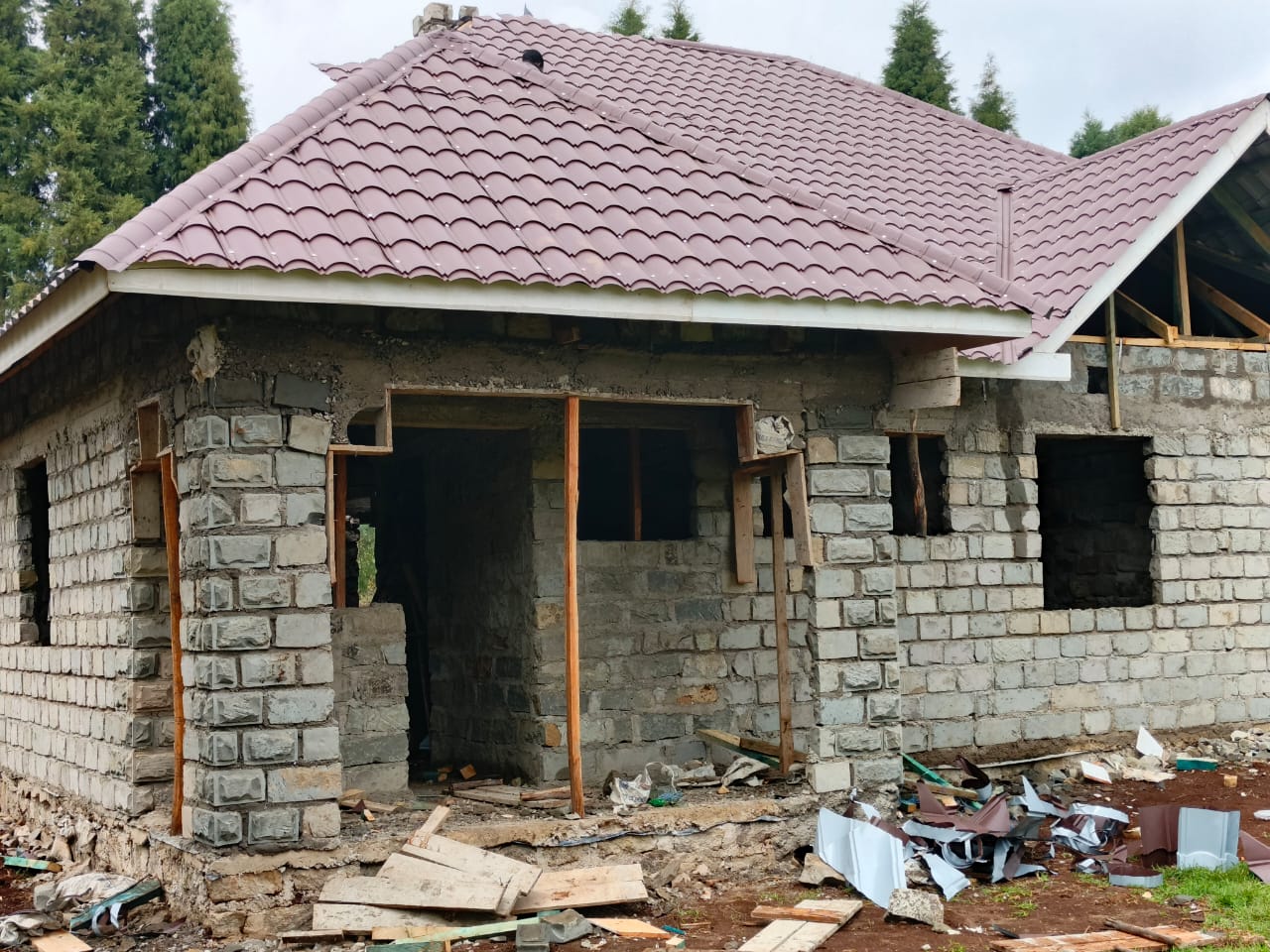
On a residential project in Nairobi, contractors relied heavily on excavators, concrete mixers, and wheel loaders. Excavators handled foundation digging efficiently, while concrete mixers provided consistent concrete for slabs and columns. Using a wheel loader to move materials on-site reduced manual labor and improved workflow, demonstrating how selecting the right equipment boosts project efficiency.
Example of a road project in Kenya and the machines employed
A road construction project in Mombasa utilized motor graders, rollers, and pavers. Motor graders ensured smooth leveling of the sub-base, rollers compacted the soil and asphalt for durability, and pavers laid asphalt efficiently. Careful planning and proper sequencing of equipment operations minimised delays and met Kenya National Highway Authority (KeNHA) quality standards.
Lessons learned: what worked and what to avoid
Key takeaways from Kenyan construction projects include the importance of matching equipment to project size and tasks, regular maintenance, and skilled operators. Over-reliance on rented machines without proper inspection can cause delays. Conversely, effective combination of owned and rented equipment, along with a trained workforce, results in timely project completion, cost savings, and improved safety.
How to Choose the Right Construction Equipment for Your Project in Kenya
Matching equipment to project size & scope in Kenya
Selecting the right equipment starts with understanding your project’s scale and complexity. Large residential or commercial projects may require heavy machinery such as excavators, concrete mixers, and cranes, while smaller building works can rely on wheelbarrows, handheld tools, and mini-excavators. Contractors should assess site conditions, expected workload, and material types to ensure efficiency and prevent underutilisation of expensive machinery.
Evaluating condition, maintenance history (used equipment)
When considering used construction equipment in Kenya, it is crucial to inspect the machine thoroughly. Check the engine, hydraulic systems, tires, and attachment wear. Reviewing maintenance records and previous usage helps anticipate potential repairs and costs. Investing in well-maintained used equipment can save money while providing reliable performance, but neglecting this step can lead to frequent breakdowns and project delays.
Considering local parts & service availability, operator training
Availability of spare parts and local service support is critical for equipment uptime. Machines with readily available parts and nearby service centers reduce downtime and repair costs. Additionally, ensuring operators are trained to handle the specific equipment safely maximises productivity and reduces accidents on Kenyan construction sites. Planning for operator training and maintenance support should be part of any equipment procurement strategy.
Key Building Machinery vs Construction Tools: Distinctions for Kenya
What defines “building machinery Kenya” vs “construction tools Kenya”
Building machinery in Kenya refers to large or medium-scale machines used to perform heavy tasks, such as excavators, concrete mixers, block-making machines, and cranes. Construction tools, on the other hand, are smaller, often handheld devices like drills, saws, or breakers. Understanding this distinction helps contractors allocate budgets and plan workflows efficiently. While machinery handles bulk tasks, tools ensure precision and finishing work.
How to budget for large-scale machinery vs smaller tools in Kenyan sites
Budgeting should account for purchase price, operational costs, maintenance, and lifespan. Large machinery involves higher upfront investment and ongoing fuel, maintenance, and operator costs. Smaller tools are cheaper but may need frequent replacement due to wear. Balancing investments between machinery and tools ensures cost-efficiency while maintaining project quality.
Procurement strategies for both categories in Kenya
Procurement strategies differ based on equipment type and project needs. Large machinery can be purchased, imported, or rented depending on project duration and frequency of use. Small tools are often bought in bulk locally. Contractors should consider supplier reliability, warranty coverage, spare parts availability, and financing options. Efficient procurement ensures smooth workflow and minimises downtime on Kenyan construction sites.
Import/Local Manufacture: Pros & Cons for Kenyan Buyers
Advantages of local dealers/suppliers vs direct import
Local suppliers offer quick access to machines, easier servicing, and warranty support. They often provide financing options and equipment training. Direct import may offer more options or lower purchase prices, but buyers face shipping delays, high import duties, and potential maintenance challenges if local support is unavailable. Choosing local suppliers can reduce risk and ensure faster project turnaround.
Risks and hidden costs of imported equipment into Kenya
Imported machinery may appear cheaper initially but often incurs hidden costs such as shipping fees, customs clearance charges, VAT, and import duties. Additional expenses may include local modifications, operator training, and delayed availability of spare parts. Buyers must account for these factors to prevent budget overruns and project delays.
Local manufacturing or assembly options in East Africa
Some equipment can be locally manufactured or assembled within East Africa, reducing import costs and lead times. Local assembly often allows customisation to suit Kenyan construction conditions, such as durability for rough terrain or fuel efficiency. Supporting local manufacturing also facilitates easier access to parts, service, and technical support, making it a practical option for long-term investments.
Tips for Maximising ROI from Your Construction Equipment in Kenya
Utilisation rate, operator productivity, downtime reduction
Maximising ROI starts with ensuring equipment is used efficiently. Contractors should track utilisation rates and schedule machines to avoid idle periods. Skilled operators increase productivity while reducing wear and tear. Minimising downtime through preventive maintenance and timely repairs also ensures that machinery contributes consistently to project progress and revenue.
Resale value and life-cycle cost considerations in Kenya
When purchasing construction equipment, consider the total life-cycle cost, including maintenance, fuel, and operational efficiency. Equipment that retains higher resale value after years of service helps recoup investments. Choosing brands with strong local support and widely available parts also enhances resale potential, making life-cycle planning a critical part of procurement.
Planning attachments, modular usage and multi-project deployment
Attachments such as buckets, hammers, and augers can expand a machine’s versatility and reduce the need for additional equipment. Planning modular usage and deploying machines across multiple projects ensures maximum efficiency and ROI. Contractors in Kenya who strategically share or rotate machinery between sites often see higher returns and lower overall costs.
Common Mistakes to Avoid When Procuring Construction Equipment in Kenya
Over-sizing equipment for your project
Purchasing machinery that exceeds project requirements leads to unnecessary costs and underutilisation. Large excavators or graders on small residential projects may sit idle, increasing maintenance expenses without adding value. Properly assessing project size and workload ensures equipment is appropriately sized for efficiency and cost-effectiveness.
Ignoring spare-parts supply and after-sales support
Failing to consider spare parts availability and after-sales support can lead to long delays and high repair costs. Selecting suppliers with reliable local parts and responsive service teams ensures continuous operations. This is especially important for imported machinery, where downtime can halt entire projects in Kenya.
Neglecting operator training, site-conditions and maintenance
Untrained operators, harsh site conditions, and poor maintenance are common causes of accidents and equipment breakdowns. Providing training, adapting equipment to local terrain, and maintaining regular servicing schedules are crucial for safety, efficiency, and longevity. Ignoring these factors can significantly reduce ROI and project quality.
Conclusion
Selecting and using the right construction equipment in Kenya is critical for project efficiency, cost savings, and long-term success. From earth-moving machines and concrete mixers to handheld tools, each type of equipment serves a specific purpose and must match your project size, scope, and budget. Proper maintenance, operator training, and careful procurement—whether buying, renting, or importing—ensure optimal performance and a strong return on investment.
For contractors and builders, partnering with trusted local suppliers or rental firms can simplify access to high-quality machinery, provide financing options, and guarantee reliable after-sales support. Consider creating a checklist for equipment selection, maintenance schedules, and operator training to streamline project planning and execution.


