Residential vs Commercial Contractors in Kenya
Explore the key differences between residential and commercial contractors in Kenya, including costs, roles, regulations, and how to choose the right contractor for your construction project.
Introduction: Understanding Contractors in Kenya
Kenya’s construction industry has experienced significant growth over the past decade, driven by rapid urbanization, population increase, and rising demand for housing and commercial spaces. Cities like Nairobi, Mombasa, and Kisumu continue to expand, creating opportunities for both residential and commercial developments. From private homes and rental apartments to office blocks and shopping complexes, construction plays a central role in shaping the country’s economic future.
However, one of the most critical decisions in any construction project is choosing the right type of contractor. Many developers and homeowners overlook this step, yet it directly determines the success or failure of a project. Hiring the wrong contractor can lead to costly delays, substandard work, legal complications, and budget overruns—problems that are common in poorly managed projects across Kenya.
To make an informed decision, it’s essential to understand the two main categories of contractors: residential contractors and commercial contractors. While both are involved in building structures, they differ significantly in terms of expertise, project scale, regulations, and execution approach.
This guide breaks down the key differences between residential and commercial contractors in Kenya, helping you choose the right professional for your project and avoid expensive mistakes from the very beginning.
What is a Residential Contractor?
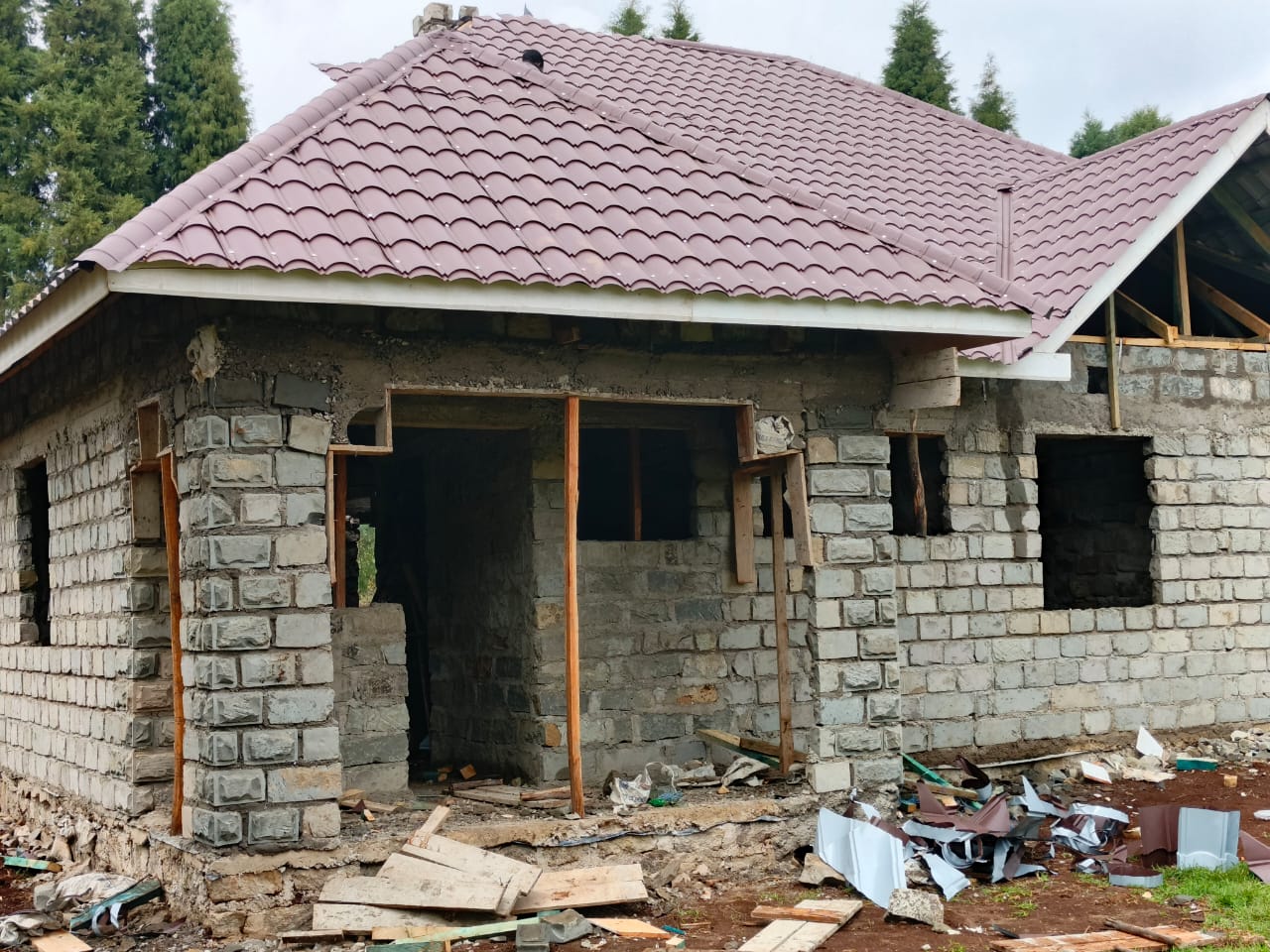
A residential contractor is a construction professional or company that specializes in building, renovating, and maintaining housing projects designed for individuals and families. Their scope of work typically focuses on structures meant for living purposes, making them the go-to experts for most personal and small-scale property developments in Kenya.
Residential contractors handle a wide range of projects, including single-family homes, which are the most common type of housing development. They are also involved in small-scale apartment construction, particularly low-rise rental units that do not require highly complex systems. In addition, they manage renovations and extensions such as kitchen upgrades, extra rooms, roofing repairs, and general home improvements.
One of the defining characteristics of residential contractors is their relatively smaller team size compared to commercial contractors. Projects are usually executed by a compact group of fundis, technicians, and a site supervisor, making communication and coordination more straightforward. They are also highly client-focused, often working directly with homeowners to customize designs, finishes, and layouts based on personal preferences and budgets.
Another key advantage is that residential projects typically involve simpler approval processes and fewer regulatory requirements, especially for standalone homes. Overall, residential construction is less complex and primarily centered on meeting housing needs efficiently, making residential contractors ideal for projects that prioritize comfort, functionality, and affordability.

What is a Commercial Contractor?
A commercial contractor is a construction professional or firm that specializes in building and managing projects intended for business, institutional, or public use. Their scope goes beyond basic construction to include complex planning, coordination, and execution of large-scale developments that often require advanced technical expertise and strict regulatory compliance.
Commercial contractors handle a wide variety of projects, including office buildings, shopping malls, and retail spaces that support business operations and customer traffic. They are also responsible for constructing warehouses, hospitals, schools, and other institutional facilities that require specialized designs, infrastructure, and safety systems. These projects typically involve larger footprints, multi-storey structures, and integration of mechanical, electrical, and plumbing systems at a much higher level than residential buildings.
One of the defining characteristics of commercial contractors is the scale of their operations. They work with significantly larger budgets and must manage multiple stakeholders, including developers, architects, engineers, consultants, and regulatory authorities. This makes project coordination more complex and demands a higher level of professionalism and documentation.
Additionally, commercial construction is subject to strict regulations, including safety standards, fire compliance, accessibility requirements, and environmental considerations. These projects often undergo detailed approval processes and inspections at various stages.
Overall, commercial construction involves more complex systems and tighter compliance requirements, making commercial contractors essential for projects that demand durability, scalability, and long-term operational efficiency.
Key Differences Between Residential and Commercial Contractors
Understanding the differences between residential and commercial contractors is essential for choosing the right professional for your project. While both operate within the construction industry, their approach, scale, and expertise vary significantly.
Project Size & Complexity
The most noticeable difference lies in project size and complexity. Residential contractors typically handle small-scale projects such as individual homes, bungalows, or low-rise apartments. These projects are usually straightforward, with shorter timelines and fewer technical requirements.
In contrast, commercial contractors manage large, multi-phase developments such as office blocks, shopping malls, and institutional buildings. These projects often involve multiple floors, complex structural designs, and integration of advanced systems, making them far more demanding in terms of planning and execution.
Building Codes & Regulations
Residential construction in Kenya generally follows simpler building codes and approval processes, especially for standalone homes. While compliance is still necessary, the regulatory burden is relatively lighter.
Commercial construction, however, is subject to much stricter regulations. These include detailed safety standards, fire protection systems, accessibility requirements, and environmental considerations. Projects must pass multiple inspections and meet higher compliance thresholds, making regulatory knowledge a critical requirement for commercial contractors.
Materials & Construction Methods
Residential contractors commonly use standard building materials such as timber, bricks, and basic concrete finishes. Construction methods are typically traditional and less complex, focusing on functionality and comfort.
On the other hand, commercial contractors rely heavily on reinforced concrete, structural steel, glass systems, and advanced construction technologies. These materials are necessary to support larger structures, higher occupancy loads, and specialized building functions such as elevators, HVAC systems, and fire suppression systems.
Workforce & Expertise
Residential projects are usually executed by smaller teams consisting of fundis, technicians, and a site supervisor. The skill requirements are practical and hands-on, with less need for highly specialized roles.
Commercial projects require large, highly specialized teams that include engineers, project managers, safety officers, and various technical experts. Each phase of construction may involve different specialists, reflecting the complexity and scale of the work.
Project Management & Stakeholders
In residential construction, the relationship is often direct between the homeowner and the contractor. Decision-making is faster, and communication is more straightforward.
Commercial construction involves multiple stakeholders, including developers, architects, consultants, financiers, and regulatory bodies. This creates a more structured and formal project management environment, requiring detailed documentation, scheduling, and coordination.
Overall, the differences highlight why choosing the right contractor type is critical—each is designed to handle specific project demands efficiently.
Residential vs Commercial Contractors in Kenya (LOCAL SEO ADVANTAGE)
In Kenya, the distinction between residential and commercial contractors goes beyond general construction differences—it is strongly influenced by local regulations, market demand, and economic factors. Understanding this local context is crucial for developers, investors, and homeowners.
One of the key regulatory bodies overseeing construction in Kenya is the National Construction Authority (NCA), which is responsible for registering contractors, ensuring quality standards, and enforcing compliance across all construction projects. In addition to NCA requirements, developers must obtain approvals from their respective county governments, which review building plans, zoning compliance, and environmental considerations before construction begins.
In terms of market dynamics, residential construction dominates due to Kenya’s growing population and increasing demand for housing. Many projects involve standalone homes, rental units, and small apartment developments, making residential contractors highly active across both urban and peri-urban areas. On the other hand, commercial construction is largely driven by urban growth in major cities such as Nairobi, Mombasa, and Kisumu, where demand for office spaces, retail centers, and mixed-use developments continues to rise.
The permit and compliance process also differs significantly. Residential projects, especially smaller ones, tend to have simpler and faster approval procedures. Commercial developments, however, require more detailed documentation, including structural designs, environmental impact assessments, and strict adherence to safety standards.
Cost sensitivity is another defining factor in Kenya’s residential market. Most homeowners and small-scale developers operate within tight budgets, making affordability a top priority. This often influences contractor selection, material choices, and project timelines. In contrast, commercial projects typically involve larger investments, where emphasis is placed on durability, efficiency, and long-term returns.
Overall, rapid urbanization continues to drive strong residential demand in Kenya, while commercial construction expands alongside economic growth—making it essential to choose a contractor with the right expertise for the local environment.

Cost Comparison: Residential vs Commercial Construction in Kenya
Cost is one of the biggest factors when deciding between residential and commercial construction in Kenya, and the differences can be significant depending on project type, scale, and complexity.
Residential construction is generally more affordable, with lower overall project costs and greater flexibility in budgeting. Homeowners can adjust designs, materials, and finishes to match their financial capacity. In Kenya, the average cost of building a standard residential house typically ranges between KES 30,000 to KES 60,000 per square metre, depending on location, design, and quality of finishes. This flexibility makes residential projects accessible to a wider range of individuals and small-scale developers.
On the other hand, commercial construction requires a much higher capital investment. Projects such as office buildings, malls, or large apartment complexes involve complex designs, advanced systems, and strict compliance requirements. As a result, construction costs are higher, typically ranging from KES 50,000 to KES 120,000+ per square metre. In addition to construction costs, developers must also account for professional fees, including architects, engineers, project managers, and quantity surveyors, as well as regulatory and approval costs.
Hidden costs are another critical consideration in both types of construction. Delays caused by poor planning, contractor inefficiency, or funding issues can significantly increase overall expenses. In commercial projects, non-compliance with regulations can lead to penalties, project shutdowns, or costly redesigns.
Ultimately, while residential construction offers affordability and flexibility, commercial construction demands higher investment but delivers larger-scale returns. Proper budgeting, planning, and choosing the right contractor are essential to controlling costs and ensuring project success in either case.
Pros and Cons of Each Type of Contractor
Choosing between residential and commercial contractors in Kenya requires a clear understanding of their strengths and limitations. Each type is suited to specific project needs, and selecting the wrong one can affect cost, timelines, and overall quality.
Residential Contractors
Pros:
Residential contractors are generally more affordable, making them ideal for homeowners and small-scale developers working within tight budgets. They also offer greater flexibility when it comes to design changes, allowing clients to adjust layouts, finishes, and materials during construction without major disruptions. Additionally, residential projects tend to move faster due to their smaller scale and simpler requirements, which helps reduce construction time and associated costs.
Cons:
However, residential contractors have limitations. They are not well-suited for large or complex developments, as their experience and resources may not support multi-storey or technically demanding projects. Their expertise in advanced systems such as HVAC, fire safety, and large-scale structural works is often limited, which can be a drawback for more sophisticated builds.
Commercial Contractors
Pros:
Commercial contractors excel in handling large-scale and complex projects. They have the capacity, workforce, and technical expertise required for high-rise buildings, malls, hospitals, and other demanding developments. They also ensure better compliance with regulations, including safety standards and building codes. Another key advantage is professional project management, which involves structured planning, scheduling, and coordination among multiple stakeholders.
Cons:
On the downside, commercial contractors are more expensive due to the scale of operations, specialized teams, and compliance requirements. Projects also tend to take longer because of their complexity and the multiple approval stages involved. Additionally, there is less flexibility for design changes once construction begins, as modifications can significantly affect costs and timelines.
Understanding these pros and cons helps you align your project needs with the right contractor for optimal results.
When to Choose a Residential Contractor
A residential contractor is the right choice when your project is centered around housing and does not involve complex structural or technical requirements. If you are building a home for personal use, whether a bungalow or a maisonette, a residential contractor has the experience and flexibility needed to deliver a comfortable and functional living space. They understand homeowner preferences and can adapt designs to suit your lifestyle, budget, and aesthetic needs.
Residential contractors are also ideal for renovations and extensions. Whether you are upgrading your kitchen, adding extra rooms, improving roofing, or modernizing finishes, they can handle these projects efficiently without the need for large, specialized teams. Their ability to work on smaller budgets and adjust plans along the way makes them suitable for such improvements.
Additionally, if you are developing small rental units or low-rise apartments, a residential contractor is often sufficient. These projects typically do not require advanced systems or strict commercial compliance standards. Choosing a residential contractor in these scenarios ensures faster execution, lower costs, and a more personalized construction process tailored to your needs.
When to Choose a Commercial Contractor
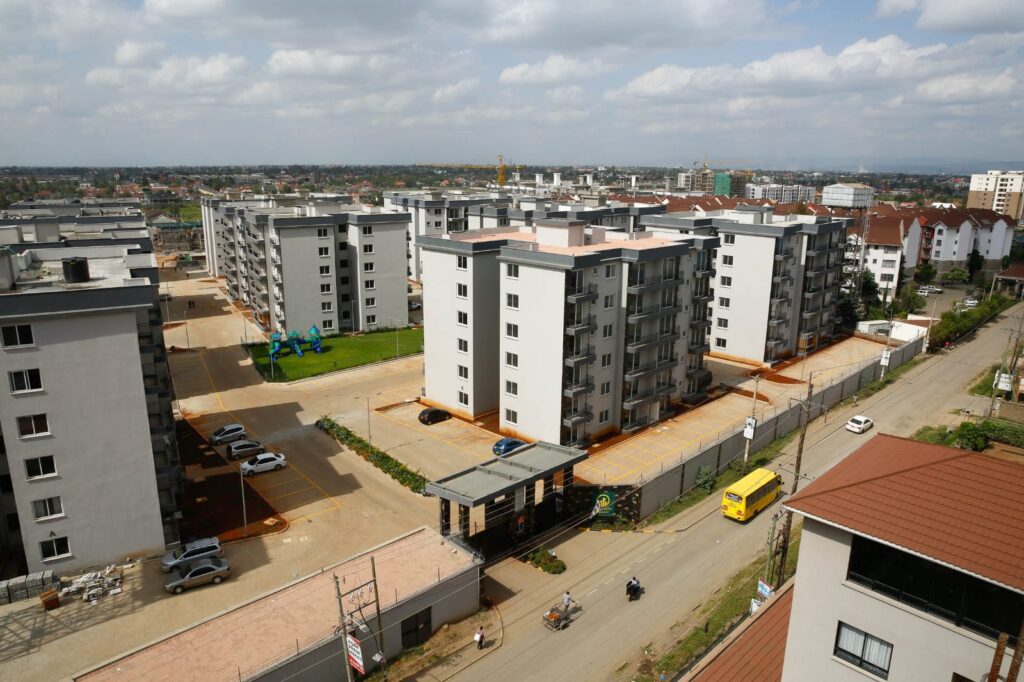
A commercial contractor is the right choice when your project involves large-scale development, technical complexity, or strict regulatory requirements. For instance, if you are constructing high-rise or large apartment blocks, these often fall under commercial classification due to their scale, occupancy levels, and the need for advanced systems such as elevators, fire safety infrastructure, and structured parking. Such projects require the expertise and capacity that commercial contractors provide.
Commercial contractors are also essential for office buildings and retail developments, including shopping centers and business complexes. These projects involve multiple stakeholders, detailed planning, and integration of mechanical, electrical, and plumbing systems that go beyond the scope of residential construction.
Additionally, mixed-use developments—where residential, commercial, and sometimes recreational spaces are combined—demand a higher level of coordination and compliance. These projects must meet diverse requirements, making professional project management critical.
In general, whenever a project requires scalability, strict adherence to safety standards, and coordination among multiple professionals, a commercial contractor is the most suitable choice to ensure efficiency, compliance, and long-term performance.
How to Choose the Right Contractor in Kenya (HIGH-VALUE SECTION)
Selecting the right contractor in Kenya is one of the most important decisions in any construction project. The success, cost efficiency, and quality of your build depend heavily on this choice, whether it is residential or commercial construction.
First, always verify that the contractor is registered with the National Construction Authority (NCA). This ensures they are legally approved to operate and meet the minimum professional standards required in the construction industry.
Next, review their past projects. A reliable contractor should have a proven track record of completed works similar to your project type. For residential projects, look at homes or apartments they have built. For commercial projects, check larger developments such as offices or retail spaces. This helps you assess quality, consistency, and experience.
Comparing quotations from multiple contractors is also essential. However, avoid choosing based on price alone. The cheapest option may compromise on materials, workmanship, or timelines. Instead, evaluate what is included in each quotation, such as materials, labour, and project supervision.
It is equally important to assess whether the contractor has relevant experience for your specific project type. A residential contractor may not be suitable for a large commercial development, and vice versa.
You should also ask about project timelines and the contractor’s team capacity. A well-organized contractor will provide realistic schedules and clearly explain how they plan to execute each phase of construction.
Finally, never proceed without a formal contract. Proper documentation should clearly outline costs, timelines, responsibilities, and payment terms. This protects both parties and helps prevent disputes during construction.
Choosing the right contractor is not just about construction—it is about securing peace of mind, quality, and long-term value for your investment.
Common Mistakes to Avoid
Many construction projects in Kenya fail or experience delays not because of poor design, but due to avoidable mistakes made during contractor selection and project management. Understanding these pitfalls can save you significant time and money.
One of the most common mistakes is hiring a contractor based on price alone. While affordability is important, the cheapest option often leads to poor workmanship, delays, or hidden costs later in the project. It is always better to balance cost with experience and quality.
Another major mistake is ignoring contractor specialization. Not all contractors are suited for every project. A residential contractor may struggle with complex commercial developments, while a commercial contractor may be unnecessarily expensive for a simple home build.
Skipping approvals is also a frequent issue. Failing to secure proper county permits and regulatory approvals can lead to project stoppages, fines, or even demolition orders. Compliance with local authorities is essential before any construction begins.
Finally, poor contract agreements often create disputes. Without clear documentation on costs, timelines, responsibilities, and materials, misunderstandings are likely to arise.
Avoiding these mistakes ensures smoother execution, better quality, and a successful construction project from start to finish.
Conclusion: Which Contractor is Right for Your Project? (200–250 words)
Choosing between a residential and commercial contractor ultimately comes down to three key factors: scale, budget, and complexity. Each project is unique, and understanding these elements helps you make a more informed and strategic decision.
For smaller, personal projects such as building a home, renovating a house, or developing small rental units, residential contractors are usually the best fit. They offer flexibility, cost efficiency, and a more personalized approach to construction. On the other hand, large-scale developments such as office buildings, malls, high-rise apartments, and mixed-use projects require the expertise of commercial contractors who can manage complexity, compliance, and multiple stakeholders.
Budget also plays a major role. Residential projects generally allow for more flexible and controlled spending, while commercial projects demand higher capital investment, professional services, and strict regulatory compliance. Complexity further separates the two, as commercial construction involves advanced systems, larger teams, and detailed project management structures.
Ultimately, the success of any construction project depends heavily on choosing the right contractor from the start. The wrong decision can lead to delays, increased costs, and legal complications, while the right choice ensures efficiency, quality, and long-term value.
Kenya’s construction sector continues to grow rapidly, and with this growth comes the need for informed decision-making. Whether you are a homeowner or an investor, selecting the right contractor is not just a step in the process—it is the foundation of your project’s success.