Residential vs Commercial Contractors in Kenya
Discover the key differences between residential and commercial contractors in Kenya, including costs, skills, materials, regulations, and how to choose the right contractor for your construction project.
Introduction
The construction industry in Kenya continues to grow rapidly as demand rises for modern homes, apartment blocks, office spaces, shopping centres, warehouses, and mixed-use developments. Whether you are planning to build a family house, a rental apartment, a retail shop, or a large commercial complex, choosing the right contractor is one of the most important decisions you will make. Understanding the difference between residential contractors in Kenya and commercial contractors in Kenya can help property owners avoid costly mistakes and ensure projects are completed successfully.
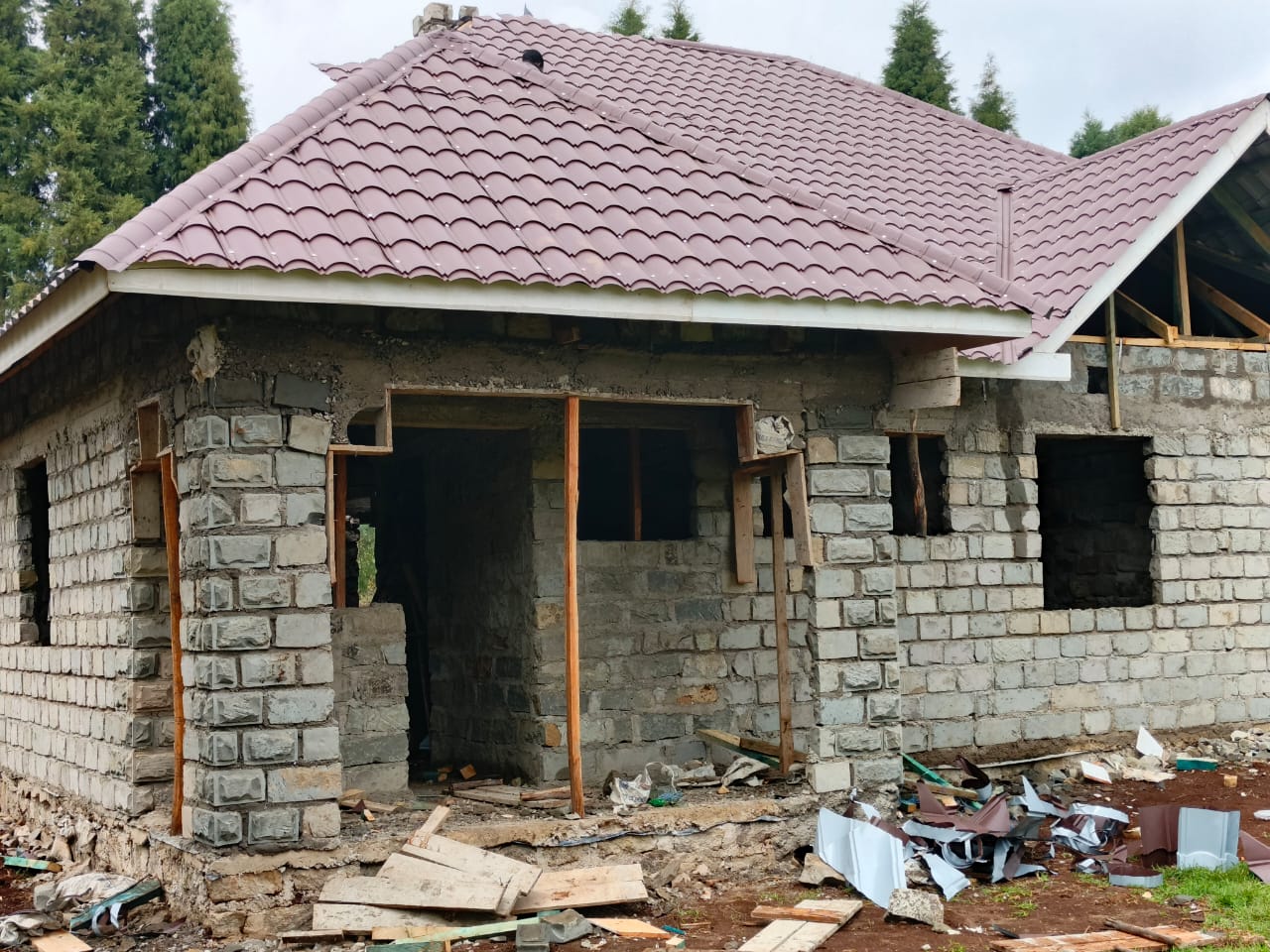
Residential contractors mainly specialize in housing-related projects designed for people to live in. These include bungalows, maisonettes, apartments, townhouses, home extensions, and renovations. Their work often focuses on comfort, aesthetics, functionality, and personalized finishes tailored to homeowners or residential developers. Most residential projects in Kenya involve smaller construction teams, less complex systems, and shorter project timelines compared to large commercial developments.
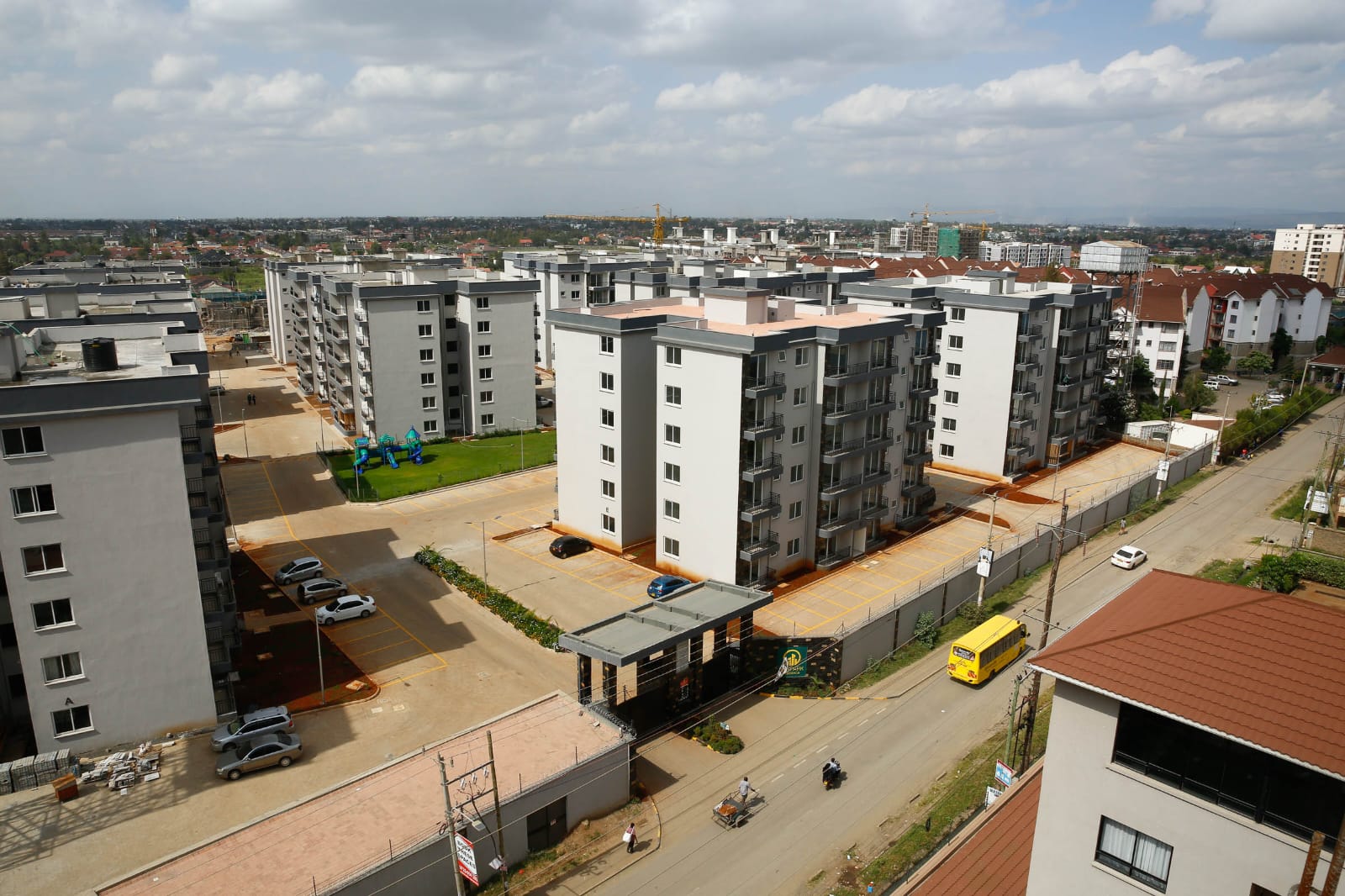
Commercial contractors, on the other hand, handle projects intended for business, institutional, or industrial use. These may include office buildings, shopping malls, warehouses, hotels, hospitals, schools, factories, and mixed-use developments. Commercial construction typically involves larger budgets, more advanced construction methods, stricter safety standards, and detailed regulatory compliance requirements. These contractors usually work with professional consultants, developers, corporations, and government institutions.
Knowing the difference between these two types of building contractors in Kenya is essential before hiring one for your project. A contractor experienced in residential housing may struggle with the complexity of a commercial warehouse or office block, while a large commercial contractor may not always be the best fit for a small home construction project. Hiring the wrong contractor can result in serious challenges such as project delays, cost overruns, poor workmanship, inefficient project management, and even compliance issues with Kenyan construction regulations.
Today, many construction companies in Kenya offer both residential and commercial services, making it even more important for clients to evaluate contractor experience, specialization, licensing, and project history carefully. By understanding the strengths and responsibilities of each type of contractor, property owners and developers can make informed decisions that improve construction quality, reduce risks, and protect their investment.
What Is a Residential Contractor?
A residential contractor is a construction professional or company that specializes in building, renovating, and maintaining homes and other residential properties. Residential construction focuses on structures designed primarily for people to live in rather than for business or industrial use. In Kenya, residential contractors play a major role in the growing housing sector as more families and investors continue developing homes and rental properties in urban and rural areas.
Residential contractors in Kenya handle a wide range of housing projects depending on client needs and budget. Common residential developments include bungalows, maisonettes, apartments, townhouses, home renovations, and house extensions. Some contractors focus on luxury homes while others specialize in affordable housing or mid-range residential developments. Renovation and extension projects are also becoming increasingly popular as homeowners modernize older houses or expand existing spaces to accommodate growing families.
Typical clients for residential contractors include individual homeowners, families building private residences, and real estate developers constructing apartment blocks or gated communities. In many cases, homeowners work directly with contractors throughout the project, making communication and trust extremely important in residential construction.
Residential contractors are responsible for several important tasks during construction. Their duties usually include implementing approved architectural and structural designs, supervising daily site activities, coordinating workers, sourcing materials, and ensuring quality workmanship. They also manage finishing works such as plastering, painting, tiling, roofing, plumbing, and electrical installation. In Kenya, residential contractors often oversee artisans and fundis to ensure work is completed according to the required standards and timelines.
Most residential projects in Kenya are owner-funded, meaning construction is often done in phases depending on available finances. Cities such as Nairobi, Kisumu, Nakuru, and Mombasa continue to experience strong demand for residential developments due to urban growth and increasing housing needs.
What Is a Commercial Contractor?
A commercial contractor is a construction professional or company that specializes in building projects intended for business, institutional, industrial, or public use. Commercial construction involves larger and more technically demanding structures compared to residential housing projects. These developments are designed to support commercial activities, public services, manufacturing, hospitality, education, healthcare, and retail operations.
Commercial contractors in Kenya handle a wide variety of projects depending on the client’s objectives and industry requirements. Common commercial developments include office buildings, retail shops, shopping complexes, hotels, hospitals, schools, warehouses, factories, and petrol stations. Some contractors also specialize in mixed-use developments that combine residential, retail, and office spaces within a single project. These projects often require advanced engineering systems, heavy construction equipment, and strict compliance with building regulations and safety standards.
Unlike residential projects, commercial contractors usually manage much larger and more complex construction operations. They often work with real estate developers, corporations, institutions, investors, and government agencies that require professional execution and detailed project coordination. Commercial construction projects involve multiple consultants, including architects, structural engineers, quantity surveyors, electrical engineers, and mechanical engineers, all working together throughout the project lifecycle.
Commercial construction also involves significantly larger budgets and stricter timelines. Delays in project completion can lead to major financial losses for businesses and investors, making professional project management essential. As a result, commercial contractors rely heavily on formal planning systems, scheduling software, quality control procedures, safety programs, and structured reporting systems to keep projects on track.
In Kenya, commercial construction continues to grow rapidly, especially in Nairobi and surrounding satellite towns such as Kitengela, Ruaka, and Ruiru. The expansion of industrial parks, logistics hubs, shopping centres, and mixed-use developments is increasing demand for experienced commercial contractors capable of handling large-scale modern construction projects.

Main Differences Between Residential and Commercial Contractors
Although both residential and commercial contractors operate within the construction industry, their responsibilities, project requirements, and operational approaches differ significantly. Understanding these differences helps property owners and developers choose the right contractor for their specific type of project.
| Factor | Residential Contractors | Commercial Contractors |
| Project Size | Smaller | Larger |
| Clients | Homeowners | Businesses & institutions |
| Budget Range | Lower | Higher |
| Construction Materials | Standard housing materials | Heavy-duty materials |
| Building Codes | Simpler | More complex |
| Project Duration | Shorter | Longer |
| Equipment Used | Basic equipment | Advanced machinery |
| Workforce Size | Smaller teams | Larger specialized teams |
| Documentation | Moderate | Extensive |
| Safety Standards | Standard | Strict compliance |
One of the biggest differences between residential and commercial contractors is project scale and complexity. Residential contractors typically focus on homes, apartments, and small housing developments, which are generally less complicated in terms of design and engineering. Commercial contractors, however, manage larger projects such as office buildings, shopping malls, hospitals, and warehouses that require advanced structural systems and technical expertise.
Design requirements also vary significantly between the two sectors. Residential construction prioritizes comfort, aesthetics, and personalized living spaces. Commercial construction focuses more on functionality, durability, occupancy capacity, accessibility, fire safety, and operational efficiency. Commercial buildings often include specialized systems such as elevators, HVAC systems, backup power installations, fire suppression systems, and complex electrical networks.
The labor force used in commercial construction is usually much larger and more specialized. Residential contractors often work with smaller teams of fundis, masons, plumbers, electricians, and carpenters. Commercial projects require multiple specialized subcontractors, engineers, safety officers, project managers, and technical consultants working together under structured management systems.
Construction equipment and technology usage also differ greatly. Residential projects may rely on basic tools and light machinery, while commercial contractors frequently use cranes, concrete pumps, excavators, steel fabrication equipment, and advanced surveying technology. Commercial projects also rely heavily on scheduling software, digital project management systems, and detailed reporting procedures to maintain efficiency and accountability.
Coordination requirements are generally more demanding in commercial construction because multiple stakeholders are involved throughout the project. Commercial contractors often coordinate with developers, financiers, consultants, suppliers, local authorities, and regulatory agencies. In contrast, residential projects usually involve direct communication between the contractor and the homeowner or small developer.
Safety and compliance standards are another major distinction. Commercial construction projects in Kenya must comply with stricter safety regulations, insurance requirements, and documentation processes due to higher occupancy levels and increased public risk exposure. Residential projects still require compliance, but the regulatory framework is often less complex compared to large commercial developments.
Licensing and Legal Requirements in Kenya
Hiring a registered and properly licensed contractor is one of the most important steps in ensuring a successful construction project in Kenya. Whether you are building a home, apartment block, office building, or warehouse, working with qualified professionals helps protect your investment, improve construction quality, and reduce legal and safety risks. Both residential and commercial contractors in Kenya are expected to comply with national construction regulations and industry standards before undertaking any project.
The construction industry in Kenya is regulated by several key authorities. The most important is the National Construction Authority (NCA), which is responsible for registering contractors, regulating construction standards, and improving professionalism within the industry. Contractors must be registered under specific NCA categories based on their financial capacity, technical qualifications, and project experience.
County governments also play a major role by issuing development approvals and construction permits before building work begins. Every project must comply with county zoning regulations, planning requirements, and building codes. In some projects, especially large commercial developments, environmental approval may also be required from the National Environment Management Authority (NEMA). NEMA approvals are particularly important for projects that may have environmental impacts, such as factories, large apartment developments, petrol stations, or industrial facilities.
NCA contractor classifications are designed to match contractors with projects suitable for their experience and financial capability. Smaller residential projects may only require lower contractor categories, while commercial contractors handling large office blocks, shopping malls, or industrial developments often need higher NCA classifications due to the increased complexity and risk involved.
Commercial construction projects also require stricter insurance and compliance measures. Contractors may need work injury insurance, contractor’s all-risk insurance, safety management systems, and detailed compliance documentation to meet legal requirements and protect workers and clients.
Hiring unregistered contractors can expose property owners to serious risks. These include poor workmanship, project abandonment, legal disputes, non-compliance penalties, structural safety issues, and financial losses. In some cases, projects constructed without proper approvals may even face demolition or legal action from authorities.
Cost Differences Between Residential and Commercial Construction
One of the biggest differences between residential and commercial construction in Kenya is the overall cost of development. Commercial projects are generally far more expensive because they involve larger structures, more advanced engineering requirements, and specialized building systems that are not commonly used in residential housing.
Residential construction projects such as bungalows, maisonettes, and small apartment blocks typically use simpler structural designs and standard building materials. In contrast, commercial developments like office buildings, hotels, shopping centres, hospitals, and warehouses require stronger structural frameworks capable of handling higher occupancy loads and heavier operational demands. This structural complexity significantly increases construction costs.
Commercial buildings also require specialized systems that add to the overall project budget. These may include fire safety systems, elevators, HVAC (heating, ventilation, and air conditioning) systems, backup generators, high-capacity electrical systems, security installations, and accessibility features such as ramps and lifts for people with disabilities. Many commercial projects must also comply with stricter safety and operational regulations, increasing both construction and compliance expenses.
In Kenya, residential construction costs generally range between KSh 35,000 and KSh 80,000 per square metre depending on location, design complexity, and finishing quality. Commercial construction costs are usually much higher and may range from KSh 60,000 to well over KSh 150,000 per square metre, especially for high-rise offices, hotels, hospitals, and specialized industrial facilities.
Financing methods also differ between the two sectors. Most residential projects in Kenya are owner-funded or financed through personal savings, SACCO loans, or mortgages. Homeowners also have flexibility in choosing finishes and can adjust construction phases depending on available funds. Commercial developments, however, often require larger capital investments financed through banks, institutional investors, partnerships, or corporate funding structures.
Although commercial projects require higher initial capital, they often generate stronger long-term financial returns through rental income, business operations, or property appreciation. Residential projects are generally easier to budget and manage, making them more suitable for individual homeowners and small-scale investors.
Materials and Construction Methods Used
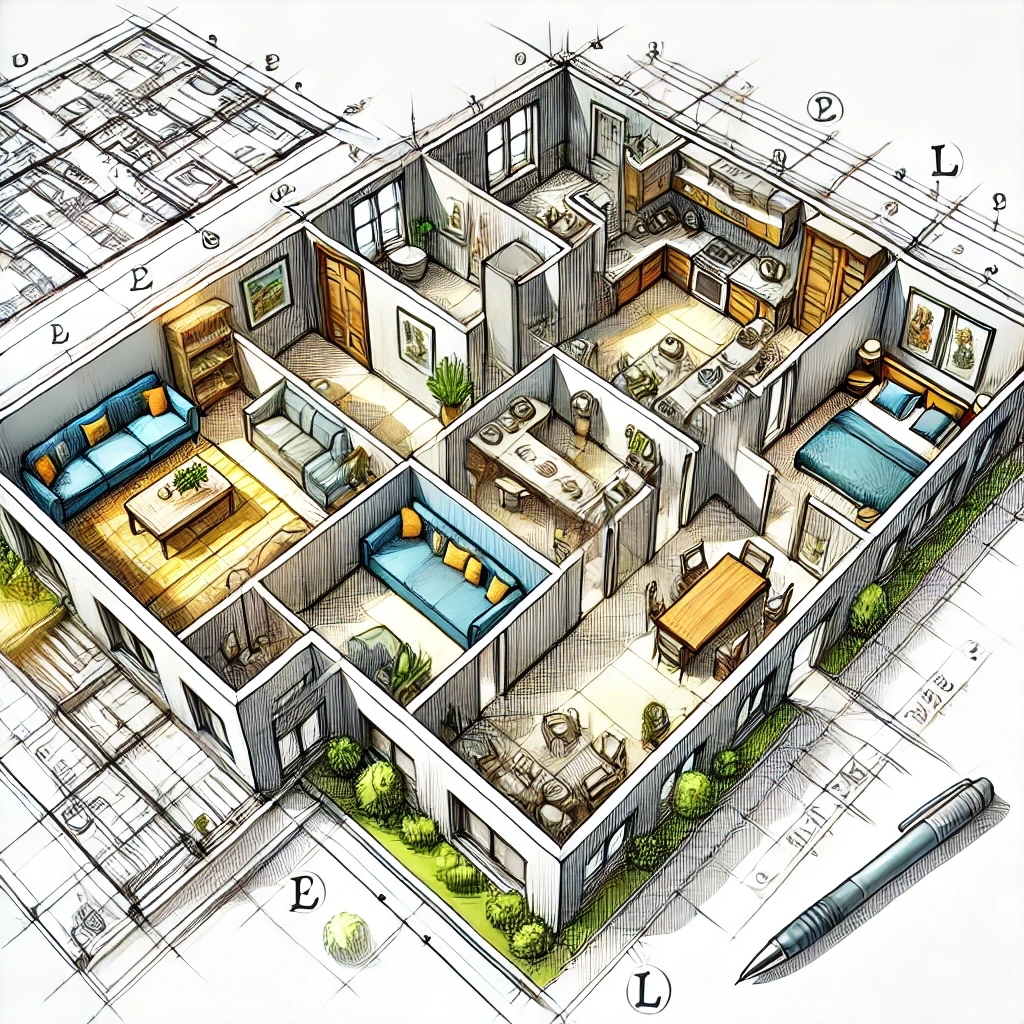
Residential and commercial construction projects in Kenya use different materials and construction methods because they are designed to serve different purposes and accommodate varying levels of occupancy, durability, and operational demands. The choice of materials directly affects construction costs, maintenance requirements, structural strength, and building lifespan.
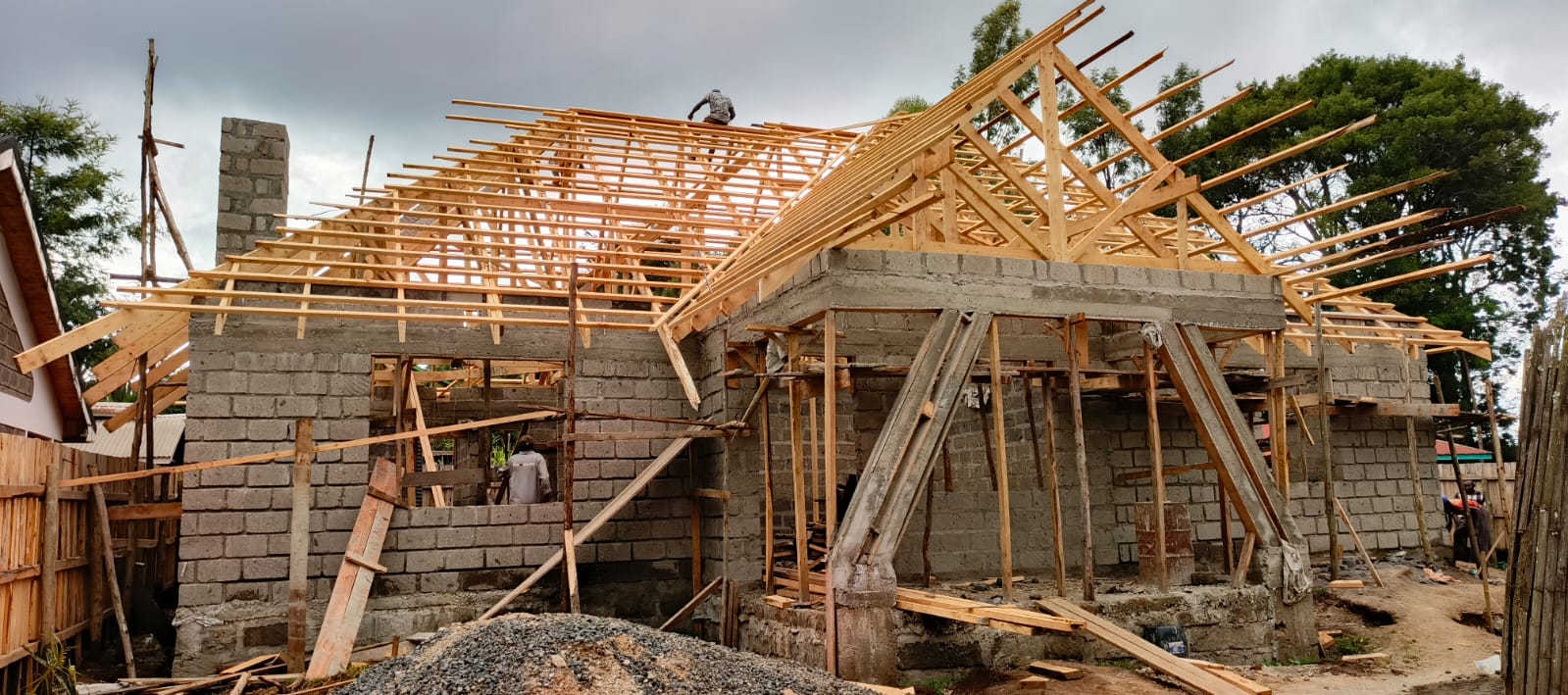
Residential projects typically use simpler and more cost-effective construction methods. Common materials include stone masonry walls, timber roofing structures, standard plumbing and electrical systems, ceramic tiles, gypsum ceilings, and lightweight interior finishes. Many homes in Kenya are built using natural stone blocks combined with reinforced concrete foundations and columns. Timber roof trusses remain popular for residential housing because they are affordable, easy to install, and suitable for many roofing designs.
Commercial construction, however, often requires heavier and more advanced building materials. Commercial contractors frequently use structural steel frameworks, reinforced concrete frames, curtain wall systems, industrial-grade flooring, and complex mechanical, electrical, and plumbing (MEP) systems. Large office buildings, warehouses, hospitals, and shopping malls are designed to support higher occupancy loads and increased daily usage, making stronger materials necessary for safety and long-term performance.
Durability requirements are generally much higher in commercial construction because buildings experience greater wear and tear from heavy foot traffic, machinery, equipment, and continuous operations. Commercial structures must also meet stricter fire resistance requirements, emergency evacuation standards, and accessibility regulations. Features such as fire-rated doors, sprinkler systems, smoke detectors, and reinforced escape routes are commonly integrated into commercial projects.
Maintenance considerations also influence material selection. Commercial property owners often prioritize materials that reduce long-term maintenance costs and improve operational efficiency. Residential projects, on the other hand, usually focus more on comfort, appearance, and affordability.
These differences in materials and construction methods explain why commercial construction projects are often more expensive and technically demanding than residential developments. They also highlight the importance of hiring contractors with experience in the specific type of construction being undertaken.
Project Timelines and Management Differences
Project timelines and management approaches vary significantly between residential and commercial construction in Kenya due to differences in scale, complexity, approvals, and stakeholder involvement. These differences directly influence how long a project takes from planning to completion and the level of coordination required on site.
Residential projects generally have faster approvals and simpler coordination processes. Since most homes, bungalows, maisonettes, and small apartment blocks are less complex, they require fewer regulatory steps and involve fewer professionals. This allows residential contractors in Kenya to complete projects within shorter timelines, depending on funding and material availability. In many cases, homeowners also have direct control over decision-making, which can speed up approvals and reduce delays.
Commercial projects, on the other hand, involve longer planning phases before construction even begins. This is because they require detailed architectural designs, structural analysis, environmental assessments, and multiple regulatory approvals. In addition, commercial developments such as offices, hotels, hospitals, and warehouses involve multiple consultants working together throughout the project lifecycle. These typically include architects, structural engineers, electrical and mechanical engineers, quantity surveyors, and professional project managers.
The role of the architect is to develop functional and compliant building designs, while engineers ensure structural integrity and system efficiency. Quantity surveyors are responsible for cost estimation, budgeting, and financial control, ensuring the project stays within the approved budget. Project managers coordinate all these professionals, manage timelines, oversee procurement, and ensure that construction activities are executed according to plan.
Commercial construction also relies heavily on strict scheduling systems and detailed reporting procedures to track progress, manage risks, and ensure accountability. Unlike residential projects, commercial developments often use phased construction approaches, where different sections of a building are completed in stages to improve efficiency and manage resources effectively.
Overall, commercial projects require more structured planning and coordination, while residential projects benefit from simpler management systems and faster execution timelines.

Challenges Faced by Residential Contractors in Kenya
Residential contractors in Kenya face several day-to-day challenges that can affect project timelines, costs, and overall quality of work. Unlike commercial projects, residential construction often involves direct interaction with individual homeowners, which introduces unique management and operational difficulties.
One of the most common challenges is budget constraints. Many homeowners build in phases depending on available funds, which can slow down progress and disrupt workflow. This phased approach often leads to interruptions in material supply, labour scheduling, and overall site efficiency.
Client design changes are another major challenge. Homeowners may frequently adjust designs during construction—changing room layouts, finishes, or structural elements—based on evolving preferences or financial capacity. These changes often lead to delays and increased costs, especially when work has already started.
Material price fluctuations in Kenya also significantly affect residential projects. Prices of cement, steel, timber, and finishing materials can change unexpectedly, making it difficult for contractors to maintain accurate budgets and timelines.
Delayed payments are another common issue. Some clients may struggle with cash flow or delay payments, which affects contractor operations, labour wages, and material procurement. This can slow down progress or even temporarily halt construction.
Informal labor practices also present challenges. Many residential projects rely on casual artisans and fundis, which can lead to inconsistent workmanship and coordination issues if not properly supervised.
Additionally, homeowners are often emotionally attached to their projects, which can influence decision-making and lead to frequent changes. This results in scope creep, where the original project expands beyond the agreed plan, increasing both cost and duration.
Overall, residential construction in Kenya involves more direct client management and unpredictable changes compared to commercial projects, making strong communication and supervision essential for success.
Challenges Faced by Commercial Contractors in Kenya
Commercial contractors in Kenya operate in a highly structured and demanding environment, where projects involve larger budgets, stricter regulations, and multiple stakeholders. As a result, they face more complex challenges compared to residential contractors, especially in planning, execution, and compliance.
One of the major challenges is strict compliance requirements. Commercial projects such as office buildings, hospitals, shopping malls, and warehouses must meet detailed building codes, safety standards, environmental regulations, and accessibility requirements. Failure to comply can lead to project suspension or legal consequences.
Managing a large workforce is another significant challenge. Commercial construction sites often involve hundreds of workers, including engineers, subcontractors, artisans, and consultants. Coordinating such a large team requires strong leadership, clear communication, and efficient scheduling systems to avoid delays and errors.
Higher insurance costs also affect commercial contractors due to the increased risk associated with large-scale projects. Contractors must secure comprehensive coverage such as contractor’s all-risk insurance, worker injury protection, and public liability insurance, which increases overall project costs.
Commercial projects also involve complex contracts and tendering processes. Contractors must compete in competitive bidding environments, especially for government and corporate projects, and ensure they fully understand contractual obligations, penalties, and deliverables before project commencement.
Cash flow pressure is another major challenge. Since commercial projects involve large financial commitments, delays in payments or procurement can significantly disrupt progress. Additionally, commercial delays often attract penalties, which can lead to financial losses for contractors and developers.
Greater documentation requirements are also a key factor, as commercial projects demand detailed reporting, progress tracking, and compliance records throughout the construction lifecycle.
Overall, commercial construction requires stronger management systems, advanced planning, and high levels of coordination to ensure successful project delivery in Kenya’s competitive construction industry.
Which Contractor Should You Hire?
Choosing between residential and commercial contractors in Kenya depends largely on the type, size, and complexity of your construction project. Hiring the right contractor ensures efficiency, quality workmanship, and proper use of your budget while reducing risks of delays and structural issues.
Hire a Residential Contractor If:
Residential contractors are best suited for smaller-scale and housing-focused projects. You should consider them if you are:
- Building a family home such as a bungalow or maisonette
- Carrying out home renovations or remodeling works
- Constructing a small apartment block or rental units
- Working with a limited or phased budget where flexibility is important
Residential contractors are generally more hands-on, easier to coordinate with, and experienced in managing individual homeowner expectations and finishing details.
Hire a Commercial Contractor If:
Commercial contractors are more appropriate for large-scale, complex, and business-oriented developments. You should choose them when:
- Building office blocks or corporate buildings
- Developing shopping malls or retail centres
- Constructing warehouses or industrial facilities
- Handling institutional projects such as schools, hospitals, or government buildings
These projects require advanced engineering, strict compliance, and structured project management systems.
Important Hiring Tips
Regardless of the type of contractor you choose, due diligence is essential. Always:
- Verify registration with the National Construction Authority (NCA)
- Review past completed projects to assess experience and quality
- Check client references for reliability and professionalism
- Request detailed written quotations to avoid hidden costs
- Use formal contracts that clearly define scope, timelines, and payment terms
- Confirm the site supervision structure and who will manage daily activities
A well-chosen contractor not only delivers quality construction but also protects your investment and ensures your project is completed smoothly and professionally.
Can One Contractor Handle Both Residential and Commercial Projects?
Yes, some contractors in Kenya are capable of handling both residential and commercial projects, especially larger and more established firms. These contractors usually have the capacity, experience, and technical resources to manage different types of construction works depending on client needs and project scale.
Larger construction companies often operate with multiple departments or specialized teams. For example, one team may focus on residential developments such as houses and apartments, while another handles commercial projects like offices, warehouses, or retail centres. This structure allows them to diversify their services while maintaining professional standards across different project types.
However, experience and qualifications matter more than just the size of the company. A contractor’s track record in a specific type of project is often a stronger indicator of performance than general capability. Residential and commercial construction require different approaches in terms of design, planning, budgeting, compliance, and execution.
Specialization still plays an important role because it ensures deeper technical knowledge, better efficiency, and fewer errors during construction. Residential specialists are more familiar with homeowner expectations, finishes, and budget flexibility, while commercial specialists understand complex systems, strict regulations, and large-scale coordination.
In Kenya, hybrid contractors who can successfully handle both residential and commercial projects are becoming increasingly common, especially in urban areas where demand for diverse developments continues to grow.
Future Trends in Kenya’s Construction Industry
Kenya’s construction industry is rapidly evolving, driven by urbanization, population growth, and increasing demand for modern infrastructure. One of the most noticeable trends is the rise of mixed-use developments, where residential, commercial, and recreational spaces are combined within a single project. These developments are becoming popular in growing urban areas as they maximize land use and improve convenience for occupants.
Another emerging trend is the adoption of green building practices. More developers are now focusing on energy-efficient designs, water conservation systems, and environmentally friendly materials to reduce long-term operational costs and environmental impact. Alongside this, smart buildings are gaining attention, incorporating technologies such as automated lighting, security systems, and energy management solutions.
Prefabricated and modular construction methods are also slowly gaining traction in Kenya. These approaches help reduce construction time, improve quality control, and minimize material waste, making them attractive for both residential and commercial projects.
The government’s affordable housing programs are also shaping the industry by increasing demand for cost-effective and scalable construction solutions. At the same time, rapid urban expansion in cities such as Nairobi and its satellite towns continues to create opportunities for both residential and commercial developments.
As these trends develop, the role of contractors is also changing. There is an increasing demand for specialized expertise in areas such as sustainable design, advanced engineering systems, project management technology, and large-scale coordination. Contractors are now expected to be more technically skilled and adaptable to modern construction methods than ever before.
Conclusion: Residential vs Commercial Contractors in Kenya
Understanding the difference between residential and commercial contractors in Kenya is essential for anyone planning a construction project. While both operate within the same industry, their roles, expertise, and project requirements differ significantly, and this directly affects the success of any development.
Residential contractors primarily focus on homes and smaller-scale developments such as bungalows, maisonettes, townhouses, and low-rise apartment buildings. Their work is often more client-focused, flexible, and centered on delivering comfortable and functional living spaces. They typically manage simpler systems, smaller teams, and more direct communication with homeowners.
Commercial contractors, on the other hand, handle larger and more complex projects such as office buildings, shopping malls, warehouses, hospitals, and institutional developments. These projects require advanced engineering, strict regulatory compliance, larger budgets, and highly coordinated project management systems. Commercial construction also demands specialized equipment and multi-disciplinary teams to handle the complexity involved.
Each type of contractor requires different expertise, tools, and management approaches. Residential projects are generally easier to plan and execute, while commercial projects require structured systems, technical precision, and long-term planning. Because of these differences, the right contractor depends entirely on the scope, scale, and objectives of your project.
Choosing the right contractor is one of the most important decisions in any construction project. A qualified and experienced contractor not only ensures quality workmanship but also guarantees compliance with Kenyan building regulations, better cost control, and timely project delivery. Whether you are building a home or a commercial development, careful selection of a contractor can make the difference between a smooth, successful project and one filled with delays and costly mistakes.