Discover sustainable construction in Kenya, including green building techniques, eco-friendly materials, cost breakdowns, legal considerations, and how to choose the right contractor for your green project.
Introduction
Sustainable construction in Kenya is reshaping the property sector by promoting eco-friendly materials, energy efficiency, and reduced environmental impact. Homeowners and investors are increasingly seeking green building solutions in Kenya that lower utility costs, increase property value, and meet modern environmental standards.
This guide covers everything you need to know about sustainable construction in Kenya, including eco-friendly materials, cost breakdowns, benefits, risks, legal requirements, and practical steps to implement green building practices successfully.
Table of Contents
- Why it Matters
- Services Included in Sustainable Construction
- Cost Breakdown
- Factors Influencing Costs
- Legal & Regulatory Considerations
- How to Choose the Right Contractor
- Benefits of Sustainable Construction
- Common Risks
- FAQs for Homeowners & Investors
- Conclusion + CTAs
Why Sustainable Construction Matters in Kenya
Environmental Importance
Sustainable construction helps reduce carbon emissions and minimises the environmental footprint of buildings. Using eco-friendly materials such as CSEBs, bamboo, and recycled bricks conserves natural resources and promotes long-term environmental sustainability. Green building practices also protect local ecosystems and reduce waste generated during construction.
Financial and Market Impact
Investing in sustainable construction can lower long-term utility costs through energy-efficient designs and water-saving systems. Green buildings often achieve higher resale value and attract buyers who prioritise eco-friendly homes. Developers and investors increasingly see these properties as a profitable, future-proof investment.
Social and Health Benefits
Sustainable homes provide better indoor air quality, natural lighting, and proper ventilation, creating healthier living spaces. Residents experience fewer respiratory issues and enjoy more comfortable living environments. Additionally, incorporating green spaces and non-toxic materials contributes to overall well-being.

Services Included in Sustainable Construction
Design and Planning Services
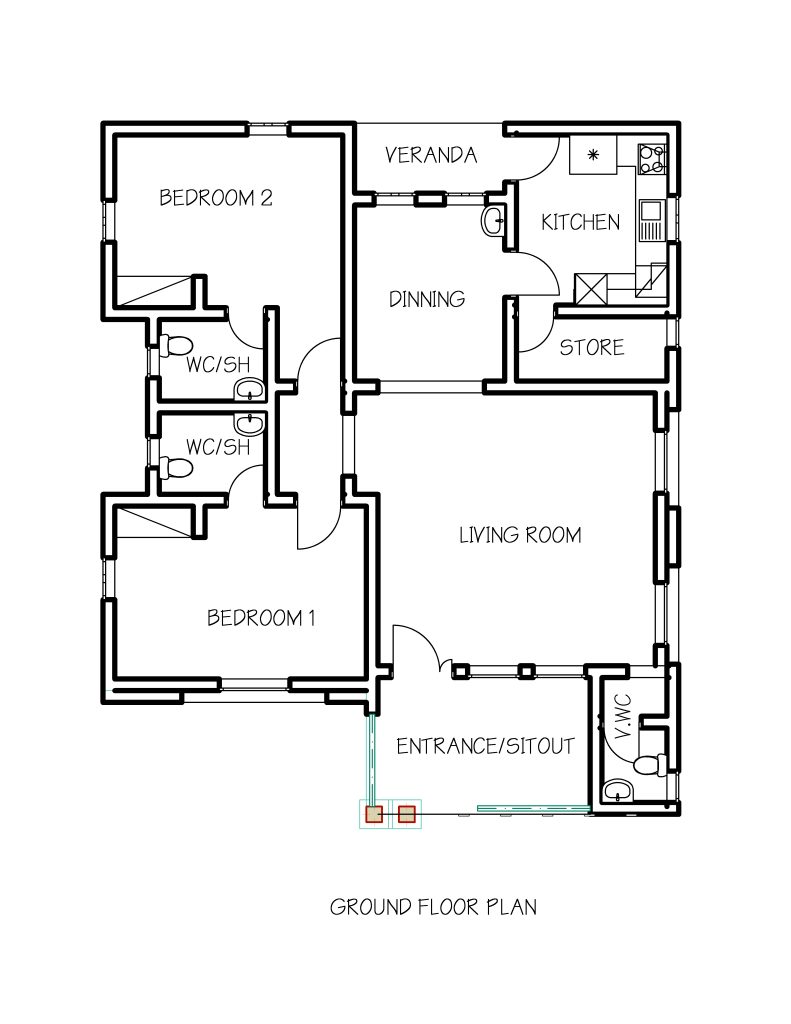
Sustainable construction begins with careful design and planning to ensure energy efficiency and resource conservation. Architects and engineers incorporate passive design strategies, proper insulation, and energy modeling to optimise heating, cooling, and lighting. Thoughtful planning also reduces material waste during construction and ensures long-term durability.
Material Selection and Procurement
Choosing the right materials is crucial for eco-friendly building projects. Locally available options like CSEBs, bamboo, and recycled materials lower transportation costs, reduce carbon footprint, and ensure sustainable sourcing. Proper selection also improves the overall durability and environmental impact of the structure.
Energy, Water, and Waste Management System
Green construction integrates systems that conserve energy and water while managing waste effectively. Solar panels, rainwater harvesting, and recycling programs help reduce utility bills and minimize environmental impact. These systems also contribute to long-term sustainability and promote responsible living practices.
Cost Breakdown
Average Cost per Square Meter
The cost of sustainable construction in Kenya is generally higher per square meter compared to conventional building due to eco-friendly materials and energy-efficient systems. However, these costs are offset over time through lower utility bills and reduced maintenance expenses. Homeowners should consider both initial investment and long-term savings when budgeting for a green building project.
Material vs Labour Costs
Material costs for sustainable construction can vary depending on whether you choose locally sourced or imported eco-friendly materials. Locally available options like CSEBs, bamboo, and recycled bricks are more cost-effective and reduce transportation emissions. Labour costs may also be higher because skilled workers familiar with green building techniques are required for proper installation and quality assurance.
Additional Green System Costs
Incorporating green systems such as solar panels, energy-efficient lighting, and smart home technology increases upfront costs. Despite the initial expense, these systems lower electricity consumption and water usage, providing significant savings over the building’s lifecycle. They also enhance property value and attract environmentally conscious buyers.
Factors Influencing Costs
Project Size and Complexity
Larger homes or multi-story buildings naturally increase construction costs due to more materials, labour, and complex structural requirements. Complex designs that include unique green features like rooftop gardens or advanced energy systems may also add to the overall expense. Careful planning can help manage costs without compromising sustainability.
Material Availability and Choice
The availability and choice of materials significantly affect the cost of green construction. Locally sourced eco-friendly materials reduce transportation costs and the carbon footprint, while imported options may be more expensive but offer advanced performance or durability. Choosing the right combination ensures both sustainability and affordability.
Labour, Contractor Expertise, and Location
Skilled labor familiar with sustainable construction methods may demand higher rates, impacting the overall budget. Additionally, the project location influences transportation costs, accessibility, and availability of materials. Selecting experienced contractors in accessible areas can reduce delays and cost overruns.
Legal & Regulatory Considerations in Kenya
Required Permits
Before starting any sustainable construction project, homeowners and developers must obtain the necessary permits, including building approvals, waste management permits, and zoning clearances. These approvals ensure that the project complies with Kenyan laws and environmental standards. Proper permitting also prevents future legal issues and construction delays.
Certification Options
Green building certifications like EDGE, LEED, and KGBS help verify that a construction project meets international sustainability standards. These certifications cover energy efficiency, water conservation, and use of sustainable materials. Obtaining certification can also increase property value and attract environmentally conscious buyers.
Environmental Impact Assessment (EIA)
An Environmental Impact Assessment (EIA) evaluates how a construction project will affect the surrounding environment. It identifies potential risks such as soil erosion, water contamination, or deforestation and recommends mitigation measures. Completing an EIA is often a legal requirement for green building projects in Kenya.
How to Choose the Right Green Building Contractor
Certification and Experience
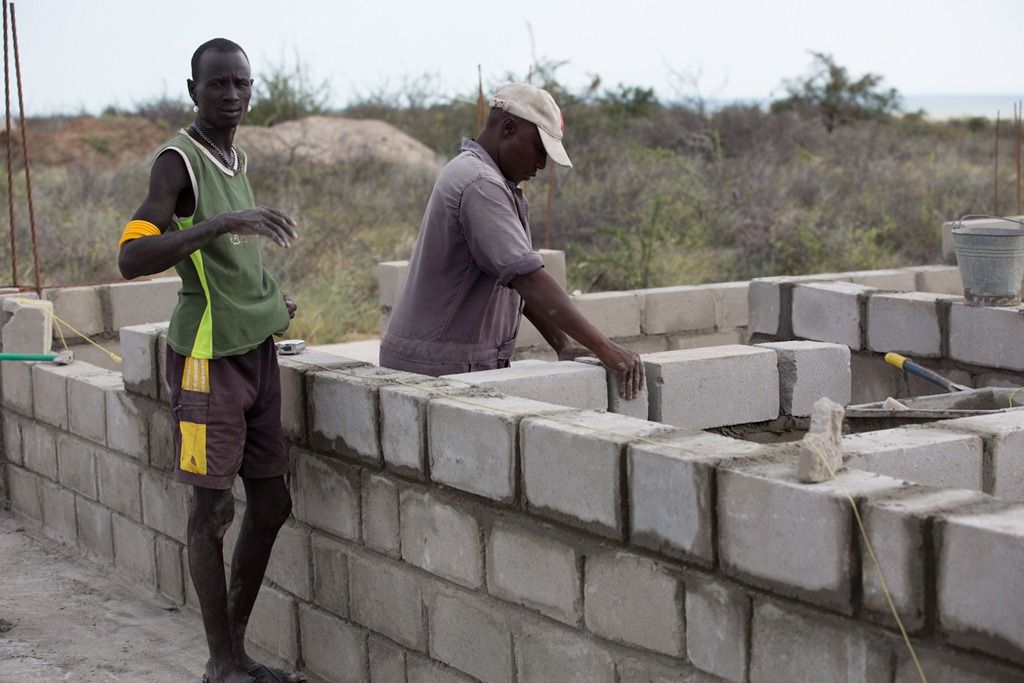
Selecting a contractor with verified experience in sustainable construction is crucial for project success. Certified contractors understand green building techniques, energy-efficient systems, and eco-friendly materials, ensuring compliance with standards and quality workmanship. Hiring an experienced professional reduces errors and ensures long-term performance.
Past Projects and Portfolio
Reviewing a contractor’s past projects provides insight into their ability to deliver sustainable homes or commercial buildings. Portfolios showcase the use of eco-friendly materials, energy-efficient systems, and innovative green solutions. This helps homeowners make informed decisions when choosing the right contractor.
Costing, Warranty, and Support
Transparent pricing, clear warranties, and post-construction support are key considerations when hiring a green building contractor. Understanding the total cost, potential additional fees, and after-project services ensures a smoother construction experience. Contractors offering comprehensive support help maintain the sustainability features over the building’s lifecycle.
Benefits of Sustainable Construction in Kenya
Energy and Water Savings
Sustainable construction significantly reduces utility bills through energy-efficient systems and water conservation measures. Solar panels, LED lighting, and rainwater harvesting contribute to lower monthly costs while promoting responsible resource use. These savings make green buildings financially attractive over the long term.
Market Advantages
Green buildings often enjoy higher resale value and attract investors who prioritise eco-friendly homes. The growing demand for sustainable properties in Kenya gives homeowners a competitive edge in the real estate market. Sustainable construction can also increase the appeal of rental properties and commercial spaces.
Health and Wellbeing
Sustainable homes improve indoor air quality, natural lighting, and ventilation, creating healthier living environments. Using non-toxic materials and incorporating green spaces enhances the comfort and overall wellbeing of occupants. This makes eco-friendly homes safer and more enjoyable for families.
Common Risks of Sustainable Construction
Higher Initial Costs
Green construction may require higher upfront investment compared to conventional building due to specialised materials and energy-efficient systems. While long-term savings offset this cost, homeowners must budget carefully to avoid financial strain. Understanding the full cost structure is essential before starting a project.
Material and Contractor Availability
Access to certain eco-friendly materials and skilled contractors can be limited in some regions of Kenya. Delays in sourcing materials or hiring experienced professionals can impact project timelines and budgets. Planning ahead and building a reliable supplier network is crucial to mitigate these challenges.
Regulatory and Technical Challenges
Certification processes, such as EDGE or LEED, can be time-consuming and may require technical expertise to meet standards. Navigating local regulations and environmental assessments can also pose challenges. Engaging knowledgeable contractors and consultants helps overcome these hurdles efficiently.
Conclusion
Sustainable construction in Kenya is transforming the property sector by offering eco-friendly building solutions, energy-efficient designs, and long-term financial benefits. Homeowners and investors who adopt green building techniques can reduce utility costs, increase property value, and ensure compliance with modern environmental standards. Choosing certified materials and qualified contractors is essential for maximising these benefits.
Investing in eco-friendly construction also provides access to certifications like EDGE, LEED, and KGBS, which enhance property credibility and market appeal. Incorporating sustainable practices not only protects the environment but also supports healthier living spaces for occupants.
Call-to-Actions (CTAs):
✔ Request a sustainable construction quote
✔ Book a consultation with a certified green contractor
✔ Download a sustainable building checklist
✔ View case studies of green buildings in Kenya