Learn the complete construction process in Kenya with a clear step-by-step building guide—covering land acquisition, permits, design, construction stages, costs, and expert tips. Includes FAQs and practical checklists.
Introduction
Understanding the construction process in Kenya is essential if you plan to build a house—whether you’re a first-time homeowner or an investor. This guide walks you through the full step by step building process Kenya, covering everything from land acquisition and legal approvals to construction execution, finishing, and post-construction handover.
By following these house construction steps Kenya, you can manage costs, timelines, and ensure your building meets local standards. A clear understanding of each stage helps you avoid common mistakes, stay compliant with county regulations, and work efficiently with your contractors and professionals.
Land & Pre‑Construction Requirements
Land Acquisition & Verification
Choosing the right plot is the first critical step in the construction process in Kenya. Look for land with good accessibility, a stable terrain, and proper zoning that allows residential construction. It is also important to verify the title deed through the Lands Registry to confirm ownership and ensure there are no disputes or encumbrances. Conducting legal due diligence, such as checking survey plans and previous transfers, will protect you from future complications and delays during construction.
Soil Testing & Site Assessment
Before laying the foundation, a thorough soil test should be conducted to determine the soil type and its bearing capacity. This information is critical because it dictates the foundation type and construction method suitable for your house. A proper site assessment also identifies issues such as poor drainage, high water tables, or sloping ground, which can significantly impact construction costs and structural stability. Consulting with a structural engineer during this stage ensures that all findings are interpreted correctly and incorporated into the building design.
Planning, Design & Approvals
Assemble Your Professional Team
Engaging the right professionals early in the construction process is essential for a smooth project. You should hire a qualified architect to create detailed designs, a structural engineer to ensure the building is safe and compliant, and a quantity surveyor to estimate costs and manage budgets. Working with experienced professionals from the beginning helps reduce errors, prevents unnecessary expenses, and ensures the project meets legal and safety standards.
Architectural & Structural Plans Preparation
Once your team is in place, detailed architectural and structural drawings must be prepared. Architectural plans illustrate the layout, dimensions, and aesthetics of the house, while structural plans show the load-bearing elements such as beams, columns, and foundations. These plans are mandatory for submission to county authorities and serve as a guide for contractors during construction. Accuracy and clarity in these drawings help avoid delays during the approval process and reduce construction errors.
Approvals & Permits (County Government, NEMA, NCA)
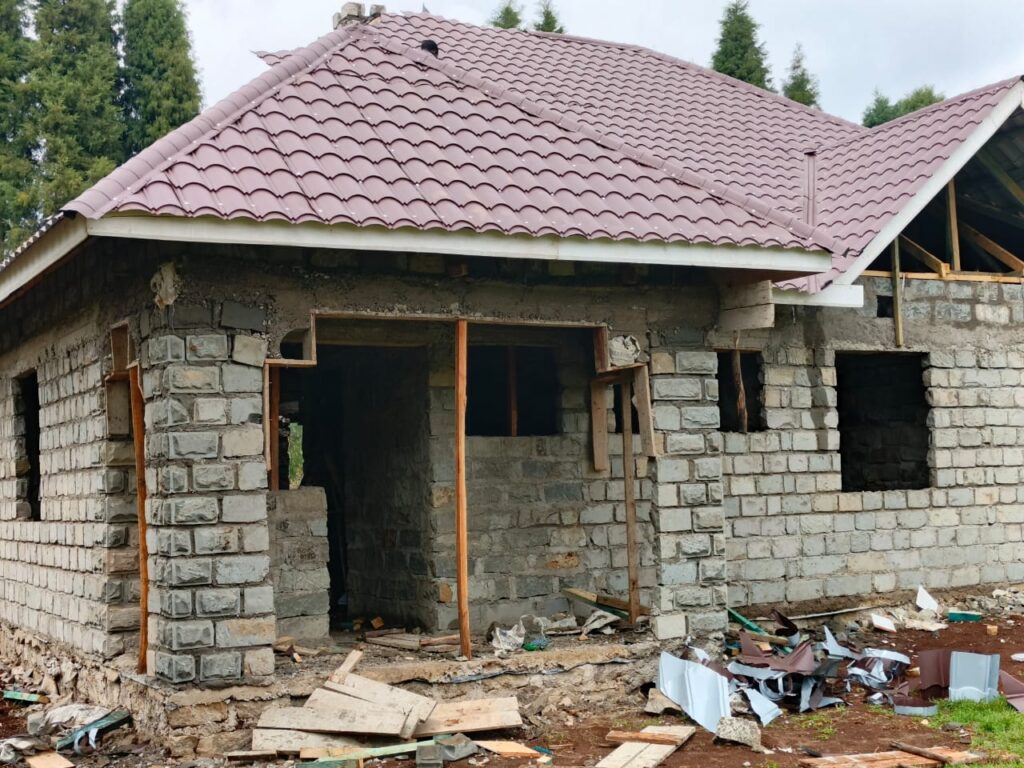
Before construction can start, your plans must be approved by the relevant county government office. This process ensures compliance with zoning regulations, building codes, and safety standards. If required, obtain NEMA EIA (Environmental Impact Assessment) clearance, especially for larger projects or areas prone to environmental concerns. Additionally, if your construction project exceeds a certain cost threshold, typically above KES 5 million, it must be registered with the National Construction Authority (NCA). Completing these approvals prevents legal complications and ensures that your building is fully compliant with Kenyan regulations.
Budgeting & Financial Planning
Creating a Detailed Budget
A detailed budget is essential to successfully manage the step by step building process Kenya. Start by including the following costs:
- Land cost – the price of the plot plus any legal charges.
- Legal and permit fees – costs for county approvals, NEMA EIA clearance, and NCA registration if applicable.
- Professional fees – payments for the architect, structural engineer, and quantity surveyor.
- Construction costs – materials, labour, and subcontractor expenses.
- Contingency fund – an additional 10–15% to cover unforeseen expenses.
Having a clear and comprehensive budget allows you to plan each construction stage without financial surprises and ensures the project can be completed on schedule.
Financing Options
Many homeowners rely on financing to complete their construction projects. Options include:
- Construction loans from banks or financial institutions.
- SACCO financing that offers favorable repayment terms for members.
- Phased building strategies where construction is done in stages as funds become available.
Choosing the right financing method depends on your budget, timeline, and long-term repayment capacity. Proper planning and advice from a financial consultant help avoid delays and cost overruns.
Construction Phases
Site Preparation & Foundation Works
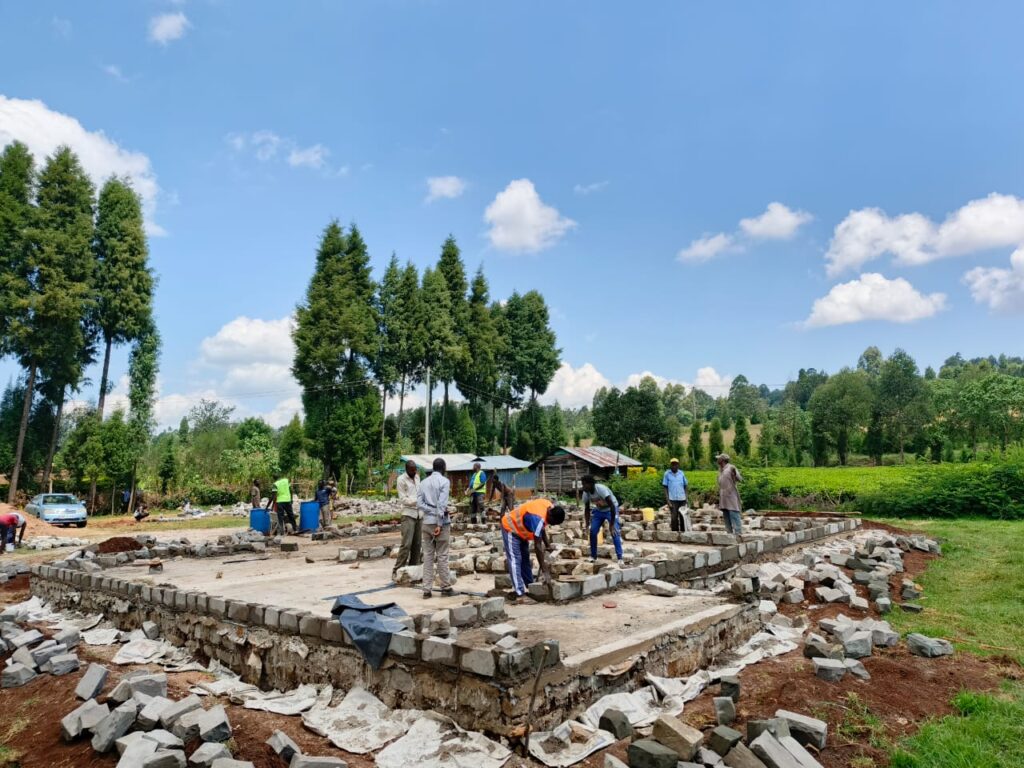
Site preparation involves clearing vegetation, levelling the ground, and creating proper access for equipment and materials. Excavation is done according to the foundation design, which is based on soil test results. Pouring the foundation correctly is critical, as it supports the entire structure and ensures long-term stability. Poorly executed foundations can lead to cracks, settlement, or even structural failure.
Superstructure Construction
The superstructure includes walls, columns, beams, and roof framing. Constructing the superstructure requires careful attention to material quality and alignment. Proper workmanship at this stage ensures the house is structurally sound and reduces the risk of costly repairs later.
Roofing & Waterproofing
Roofing protects the house from weather and environmental damage. Common options in Kenya include Mabati sheets, clay or concrete tiles, and reinforced concrete roofs. Waterproofing the roof and walls prevents water leaks and dampness, which can damage interior finishes and reduce the building’s lifespan.
Plumbing, Electrical & Utilities Setup
Plumbing and electrical works are installed in two stages:
- First-fix: laying pipes, conduits, and wiring before plastering and flooring.
- Second-fix: installing fixtures, taps, sockets, switches, and lighting after walls and floors are finished.
Proper planning ensures compliance with safety standards and avoids costly rework during finishing stages.
Finishing Works
Finishing works include plastering, flooring, painting, and installation of fixtures like doors, windows, and cabinets. Using quality materials and skilled labour improves the house’s aesthetics and increases its market value. Attention to detail during finishing ensures a clean, professional look and minimises defects.
Post‑Construction & Handover
Final Inspections & Compliance
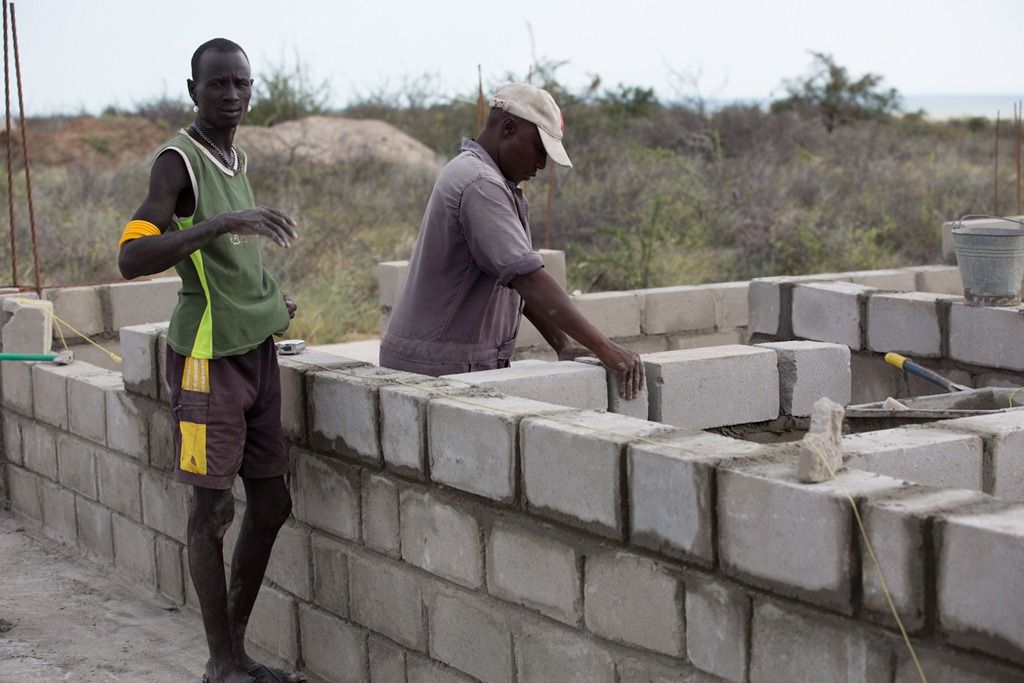
After construction is completed, county authorities conduct final inspections to ensure the building complies with approved plans, building codes, and safety standards. Inspectors check structural integrity, electrical and plumbing works, and overall adherence to design specifications. Addressing any issues identified during inspections is crucial before the house can be legally occupied. Proper documentation of these inspections helps in future resale or when applying for utilities and loans.
Occupation Certificate
An occupation certificate is required to legally occupy your newly constructed house in Kenya. This certificate confirms that the building meets all county regulations and safety standards. Without it, occupying the house may lead to legal penalties or fines. Homeowners should ensure they retain copies of the certificate and all relevant approvals for future reference, including potential resale or property valuation purposes.
Cost & Timeline Expectations
Typical Cost Breakdown
The total cost of constructing a house in Kenya varies depending on location, design, and materials. Costs typically include:
- Material costs – cement, sand, blocks, roofing, paint, and fittings.
- Labour costs – payments to masons, carpenters, plumbers, and electricians.
- Permit and professional fees – architect, structural engineer, quantity surveyor, and county approvals.
From low-cost to luxury houses, understanding the breakdown helps you plan your budget accurately and avoid cost overruns.
Timeframes for Each Stage
The overall timeline for building a house in Kenya depends on several factors, including approvals, labour availability, and project size. Typical timeframes are:
- Planning & approvals – 1 to 3 months, including permits and professional plan preparation.
- Construction – 6 to 12 months or longer depending on complexity.
- Finishing & post-construction – 1 to 2 months for interior finishes, inspections, and certification.
Proper scheduling and regular supervision during construction help reduce delays and ensure the project is completed on time.
Factors Affecting Cost and Timeline
Several factors influence the total cost and duration of house construction in Kenya. These include:
- Design complexity – intricate architectural designs or multi-story buildings take longer and cost more.
- Material quality and availability – premium materials or delays in supply can increase costs and extend timelines.
- Labour availability and productivity – hiring experienced, reliable contractors can reduce delays and improve efficiency.
- Weather conditions – heavy rains or seasonal changes may slow down site preparation and construction.
- Permit and approval delays – slow processing of building permits or NEMA clearance can add months to the project.
Understanding these factors in advance allows homeowners to plan realistically, manage budgets effectively, and avoid unexpected delays.

Conclusion
In summary, the construction process in Kenya involves well-defined steps—from land acquisition, permits, and design to construction execution, finishing, and handover. Following the step by step building process Kenya and understanding the stages of construction in Kenya helps you control costs, manage timelines, and stay fully compliant with county regulations.