Construction Best Practices for Successful Project Delivery
Learn proven construction best practices that drive successful construction project management, robust quality control, and effective construction risk management — with tools, processes, and actionable strategies to build on time, within budget, and to the highest standards.
Introduction
Construction Best Practices for Successful Project Delivery
Construction best practices are essential for delivering projects successfully while ensuring efficiency, quality, and safety. By following proven strategies in project management, quality control, and risk mitigation, construction teams can reduce delays, avoid costly errors, and increase overall profitability.
Implementing construction best practices not only helps teams stay on schedule but also ensures compliance with regulations and enhances stakeholder satisfaction. From planning and scheduling to quality inspections and risk management, every step plays a critical role in achieving a successful construction project.
For more insights on effective construction management strategies, see our guide on Successful Construction Project Management.
Successful Construction Project Management
Define Clear Objectives, Scope & Stakeholder Roles
Defining clear objectives and scope is a cornerstone of construction best practices. When every team member and stakeholder understands their responsibilities, projects stay on track and scope creep is minimised. Setting expectations early also improves decision-making and accountability across the project.
Effective Communication Protocols
Effective communication is essential for successful construction project management. Regular updates, clear reporting channels, and digital platforms ensure everyone—from contractors to clients—is aligned. Consistent communication helps identify issues early and keeps the project moving efficiently.
Team Leadership & Collaboration Best Practices
Strong leadership and team collaboration directly impact project success. Coordinated workflows, team briefings, and cross-department collaboration create a productive environment. Encouraging open dialogue also boosts problem-solving and enhances overall construction quality.
Planning, Scheduling & Technology Tools
Detailed Construction Planning & Scheduling
Planning and scheduling are critical construction best practices for keeping projects on time. Tools like Gantt charts and the Critical Path Method (CPM) help identify dependencies and deadlines. Proper planning reduces delays, prevents resource conflicts, and supports smooth execution.
Embracing BIM and Digital Twins
Building Information Modeling (BIM) and digital twins improve visualisation and detect potential design conflicts early. These technologies allow teams to simulate construction workflows and optimise performance before breaking ground. Adopting BIM is a modern best practice that enhances quality and efficiency.
Project Management Software for Real-Time Tracking
Using project management software is a key construction best practice for monitoring progress. Cloud-based platforms provide real-time dashboards, mobile updates, and centralised data access. This visibility ensures timely decisions and keeps the project aligned with goals.
AI & Automation for Scheduling and Site Monitoring
Artificial intelligence (AI) and automation streamline construction planning and monitoring. Predictive scheduling, automated progress tracking, and sensor-based alerts reduce human error. Incorporating AI into project workflows is an emerging construction best practice that improves efficiency and risk management.
Construction Quality Control Best Practices
Establish Quality Benchmarks and SOPs
Establishing quality benchmarks and Standard Operating Procedures (SOPs) is a fundamental construction best practice for ensuring consistent results across all phases of a project. From design through execution, clear benchmarks provide measurable standards that guide teams in achieving structural integrity and finishing excellence. Documented SOPs also help new team members quickly adapt to project requirements and maintain compliance with industry regulations.
Quality Checklists, Inspections & Testing
Using detailed quality checklists and conducting regular inspections is essential for maintaining high construction standards. Teams should perform mock-ups, compressive material tests, and visual inspections at critical stages. This ensures that materials, workmanship, and installations meet the project’s specifications and minimises the risk of costly rework later.
Continuous Feedback, Audits & Improvement
Continuous feedback and periodic audits are vital for improving construction quality over time. Post-inspection reviews, team debriefings, and performance audits help identify gaps, refine processes, and prevent recurring issues. Encouraging a culture of improvement ensures that lessons learned are applied to future phases, boosting overall project efficiency.
Technology for Quality Documentation & Reporting
Leveraging technology for quality documentation and reporting streamlines construction quality control processes. Digital tools allow teams to maintain QC logs, track inspection results, and generate reports in real time. This not only increases accountability but also enables faster corrective action when issues are detected.
Construction Risk Management Strategies
Risk Identification & Assessment Processes
Identifying and assessing risks early is a core construction best practice that prevents project delays and cost overruns. Teams should systematically analyse potential threats, including design flaws, resource shortages, or site hazards, and prioritise them based on their likelihood and impact. Early risk assessment enables proactive planning and reduces surprises during execution.
Risk Mitigation Planning & Contingency Sets
Creating risk mitigation plans and contingency measures is essential for successful construction project management. Each identified risk should have a corresponding action plan, complete with triggers and predefined responses. By preparing contingencies, teams can respond swiftly to unexpected issues without derailing schedules or budgets.
Real-Time Monitoring and Reporting Tools
Real-time monitoring and reporting tools are critical for maintaining control over dynamic construction environments. Sensors, alerts, and dashboards allow project managers to track progress, detect deviations, and address risks as they occur. Integrating these tools into daily workflows ensures that corrective actions are taken promptly and that projects remain aligned with quality and timeline objectives.
Documentation and Compliance Management
Maintaining thorough documentation and compliance records is a key construction best practice for legal protection and quality assurance. Logs, contracts, regulatory permits, and inspection reports should be systematically recorded and easily accessible. Proper documentation ensures accountability, supports audits, and minimises liability while keeping the project in line with statutory requirements.
Budgeting & Cost‑Control Best Practices
Accurate Cost Estimation & Cost Tracking
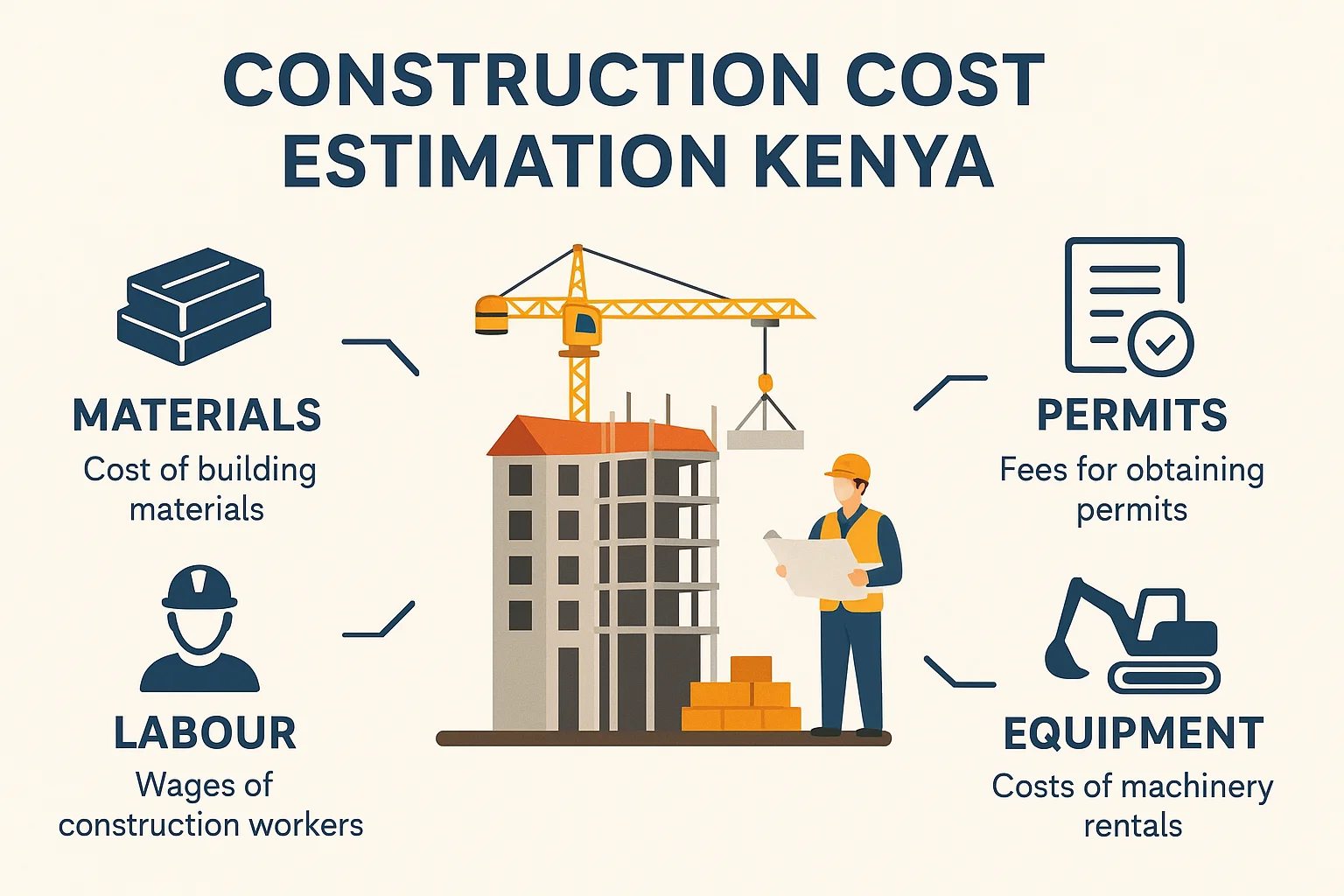
Accurate cost estimation and continuous tracking are essential construction best practices for keeping projects within budget. By forecasting costs at every stage and monitoring actual expenses against the budget, teams can identify variances early. Regular financial reviews and reporting ensure that resources are allocated efficiently and that cost overruns are minimised.
Resource Optimisation & Procurement Strategies
Optimising resources and strategic procurement are critical for cost control in construction projects. Purchasing materials in bulk, negotiating strong supplier agreements, and scheduling labor efficiently reduces unnecessary expenses. Effective resource management ensures that projects maintain quality without exceeding budget limits.
Limit Change Orders Through Early Alignment
Limiting change orders is a key construction best practice for controlling costs. Ensuring that the project scope is clearly defined and agreed upon by all stakeholders before construction begins reduces unexpected modifications. Early alignment also helps prevent delays and keeps the project on schedule while maintaining quality standards.
Safety, Compliance & Sustainability
Safety Standards, Zero‑Harm Culture
Maintaining safety standards and fostering a zero-harm culture are vital construction best practices. Regular staff training, clear site protocols, and proactive hazard identification prevent accidents and ensure a safe work environment. A strong safety culture also improves team morale and reduces project downtime caused by incidents.
Compliance with Local Regulations & Permits
Ensuring compliance with local regulations and obtaining necessary permits is a critical part of construction risk management. Proper documentation, inspections, and adherence to legal requirements prevent costly penalties and legal disputes. This best practice ensures that the project remains lawful and reduces potential delays.
Sustainable Construction Best Practices
Incorporating sustainable construction best practices helps reduce environmental impact and improve long-term project value. Using green materials, implementing energy-efficient systems, and reducing construction waste are all part of an eco-friendly approach. Sustainability also enhances project reputation and may provide financial incentives or certifications.
Tools & Software for Construction Best Practices
Project Management Software
Using project management software is a key construction best practice that helps teams stay organised and on schedule. Platforms like cloud-based dashboards provide real-time updates, task assignments, and progress tracking, ensuring that projects are delivered efficiently and within budget.
Quality Control & Inspection Tools
Digital quality control tools streamline inspections, checklist management, and reporting. These solutions allow teams to record results instantly, generate audit reports, and track corrective actions, which improves accountability and minimises errors.
Risk Monitoring & Safety Software
Construction risk management software and safety tools provide real-time alerts, hazard tracking, and risk dashboards. By integrating these systems, teams can identify potential risks early, implement mitigation plans, and maintain a safe work environment across the project.
BIM & Visualisation Tools
Building Information Modeling (BIM) and 3D visualisation software help teams simulate construction workflows, detect clashes, and optimise planning before breaking ground. These tools are now considered essential construction best practices for improving project accuracy and efficiency.

Conclusion:
Integrating construction best practices across project management, quality control, risk management, budgeting, and safety is essential for achieving successful project outcomes. Teams that follow these strategies reduce delays, improve quality, and maintain cost control, resulting in higher client satisfaction and long-term project value.