Explore the Kenya Construction Market Outlook 2026, highlighting projected growth trends, key building industry drivers in Kenya, construction sector opportunities Kenya, risks and investment insights to guide developers, investors, and stakeholders toward strategic decisions.
Introduction
The Kenya Construction Market Outlook 2026 shows a promising trajectory, driven by growing infrastructure projects, urbanization, and increased private and public investments. Investors and developers can leverage opportunities in housing, transport, and renewable energy sectors while being mindful of risks such as cost volatility, labor shortages, and regulatory compliance. Understanding these trends is critical for making informed decisions in Kenya’s building industry and capturing the best investment opportunities.
Market Forecast & Growth Dynamics
Kenya Construction Market Size to 2026 & Beyond
The Kenya construction market is projected to grow steadily, with market value expected to reach over KES 1.1 trillion by 2026. Growth is fueled by rising demand in residential, commercial, and infrastructure projects. Investors can leverage these trends to identify high-return opportunities across urban and regional projects.
Historical Performance 2020–2025
Between 2020 and 2025, the construction sector in Kenya experienced fluctuations due to economic pressures and the COVID-19 pandemic. After a contraction in 2024, the industry rebounded by 2.9%, driven by public infrastructure investments and private housing developments.
Understanding this historical context helps stakeholders anticipate market cycles.
Regional and Sectoral Growth Projections
Different regions in Kenya show varying construction growth rates. Nairobi and Mombasa lead in commercial and urban residential projects, while counties like Kisumu and Eldoret show strong growth in industrial and transport infrastructure. Sector-specific growth highlights include:
- Residential housing: 5–6% CAGR to 2026
- Commercial developments: 4–5% CAGR
- Transport and infrastructure: 6–7% CAGR
Building Industry Trends in Kenya
Urbanization & Housing Demand Trends
Rapid urbanization in Kenya is increasing demand for affordable and middle-income housing. Cities like Nairobi, Mombasa, and Kisumu are experiencing high-rise residential developments and mixed-use projects. Developers focusing on urban housing can tap into growing rental and purchase markets.
Infrastructure & Transport Projects Pipeline
Kenya’s infrastructure sector continues to expand with major projects including expressways, airports, and railway upgrades. Key projects driving growth include:
- Nairobi–Mombasa corridor road expansion projects.
- Lamu Port-South Sudan-Ethiopia Transport (LAPSSET) corridor
- Upgrades to regional airports and urban transit systems
These projects create significant opportunities for contractors, suppliers, and investors.
Innovative Building Technologies (Prefabrication & Smart Systems)
Adoption of prefabrication, smart building systems, and digital project management is reshaping Kenya’s construction industry. These innovations reduce costs, improve timelines, and enhance sustainability. Developers investing in modern construction technologies gain a competitive edge in efficiency and project quality.
Sustainability & Green Construction Materials
Sustainable construction practices are increasingly important in Kenya. Builders are adopting:
- Eco-friendly cement and concrete alternatives
- Solar-powered building systems
- Energy-efficient insulation and designs
These trends align with global sustainability goals and attract environmentally conscious investors.

Sector Opportunities for Investors & Developers
Government Infrastructure Spending & PPPs
Kenya’s government continues to invest heavily in infrastructure projects, creating significant opportunities for investors and developers. Public-Private Partnerships (PPPs) in transport, roads, and energy sectors offer attractive returns. Key areas include:
- Road network expansions and highway upgrades
- Rail and port development projects
- Water and energy utility infrastructure
Affordable & Mass Housing Investment Opportunities
The demand for affordable and mass housing in Kenya is rising rapidly due to urbanization and population growth. Developers can target mid-income residential units and mixed-use housing projects. Benefits include:
- High rental and resale demand in major cities
- Government incentives for affordable housing schemes
- Opportunities for large-scale residential developments
Renewable Energy & Utility Infrastructure Projects
Investment in renewable energy and utility infrastructure is a growing trend in Kenya’s construction sector. Opportunities exist in solar, wind, and hydro projects, as well as utility expansion. Advantages include:
- Support from government renewable energy initiatives
- Growing demand for sustainable and energy-efficient buildings
- Potential partnerships with international investors
Major Construction Risks in Kenya
Cost & Input Price Volatility
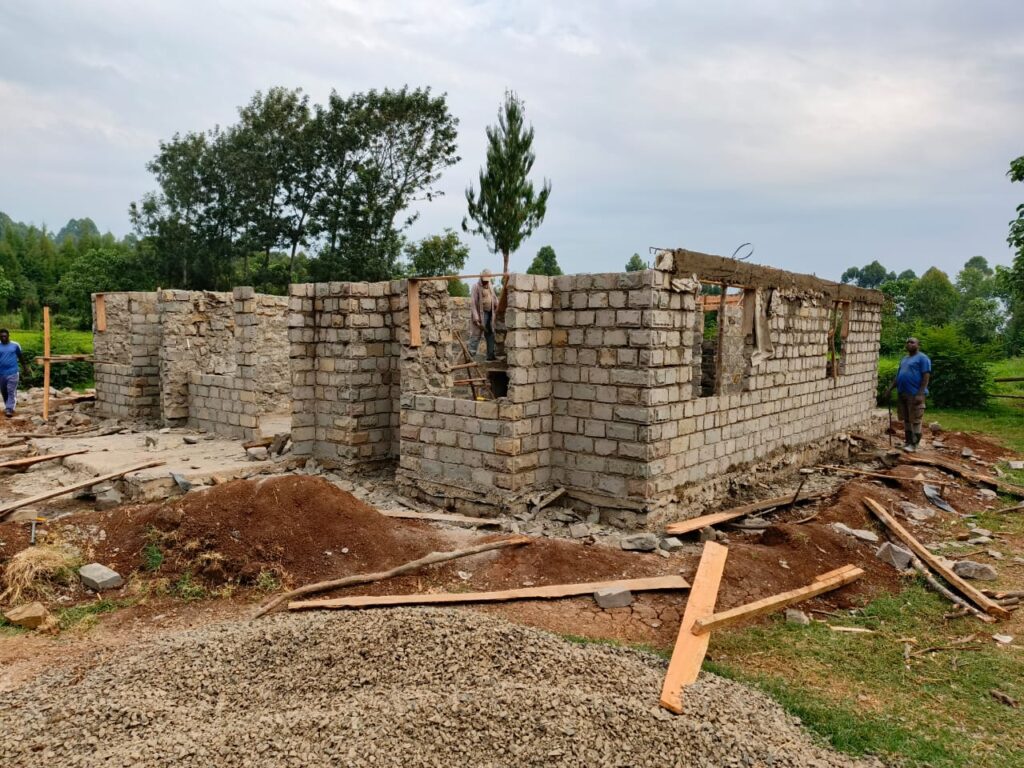
Construction costs in Kenya are increasingly volatile due to fluctuations in steel, cement, and fuel prices. Developers must factor in these changes to maintain project profitability. Mitigation strategies include bulk procurement and hedging material costs.
Regulatory Compliance & Safety Risks
Delays in permits, building approvals, and strict adherence to safety codes remain major risks in Kenya’s construction sector. Non-compliance can lead to fines or project halts. Staying updated on regulations and engaging legal experts reduces exposure.
Labor Skill Gaps & Workforce Challenges
Kenya faces a shortage of skilled construction labor, impacting project timelines and quality. Developers can address this by investing in workforce training programs or partnering with vocational institutes.
Financing & Economic Exposure
Economic fluctuations, interest rate changes, and funding constraints affect the feasibility of large construction projects. Investors and developers should secure diverse financing options and assess macroeconomic indicators to mitigate risk.

Competitive Landscape & Key Players
Leading Local Construction Firms
Kenya’s construction sector is dominated by several well-established local firms that have completed major residential, commercial, and infrastructure projects. These companies are often preferred for government contracts and regional developments. Key local players include:
- China Wu Yi (infrastructure and urban development)
- Laxmanbhai Construction (industrial and commercial projects)
- H Young & Co Ltd (residential and mixed-use developments)
International Contractors in Kenya
International contractors also play a major role in Kenya’s construction market, particularly in large-scale infrastructure and renewable energy projects. Their expertise in project management and technology adoption enhances project quality. Notable international firms include:
- China Civil Engineering Construction Corp (CCECC) – railways and transport infrastructure
- Arab Contractors – highways and bridges
- Bouygues Construction – smart buildings and urban development
Tendering Dynamics & Competitive Positioning
The tendering process in Kenya is competitive, with both local and international contractors vying for public and private contracts. Key considerations for successful bids include:
- Demonstrated financial capacity and past performance
- Compliance with Kenya’s building regulations and safety standards
- Ability to deliver projects on schedule and within budget

Strategic Investment CTAs & Snippets
- CTA: Explore Kenya construction market reports (data packs) for in-depth investment insights.
- CTA: Subscribe for 2026 tender alerts & investment briefs to stay ahead of market opportunities.
- Snippet: 5 key forecast stats to bookmark, including market growth, regional hot spots, and sector trends.
- Snippet: Top 3 investment regions to watch in Kenya for residential, commercial, and infrastructure projects.
Emerging Trends and Future Outlook
Smart Cities and Urban Transformation
Kenya’s urban centers are increasingly adopting smart city initiatives, integrating technology in traffic management, energy distribution, and public services. Cities like Nairobi and Mombasa are piloting intelligent building management systems and IoT-enabled infrastructure to improve efficiency. Investors and developers can capitalize on these trends by focusing on technology-driven projects that meet the needs of a rapidly urbanizing population.
Green Construction and Sustainability Adoption
Sustainability is becoming a major factor in Kenya’s construction sector. Developers are increasingly using eco-friendly materials, energy-efficient designs, and solar-powered systems. These practices not only reduce environmental impact but also attract investors looking for long-term, sustainable returns. Adoption of green building certifications is expected to grow through 2026, enhancing the market’s appeal.
Digitalization and Construction Technology Integration
Digital tools are transforming project management and design in Kenya. Building Information Modeling (BIM), 3D printing, and project management software reduce delays, cut costs, and improve accuracy. Developers embracing these technologies gain a competitive advantage, especially in large-scale infrastructure and commercial projects.
Investment Hotspots and Regional Opportunities
Regional growth outside Nairobi and Mombasa is becoming significant, with cities like Kisumu, Eldoret, and Nakuru showing high potential in industrial, residential, and transport infrastructure. Investors targeting these emerging markets can benefit from lower competition, government incentives, and rising demand for modern buildings and utilities.

Conclusion
The Kenya Construction Market Outlook 2026 highlights a sector with strong growth potential, driven by infrastructure, urban housing, and renewable energy projects. While opportunities abound, investors must navigate cost volatility, regulatory compliance, and labor skill gaps. Strategic investment in key subsectors, combined with awareness of risks, positions developers and investors for success.