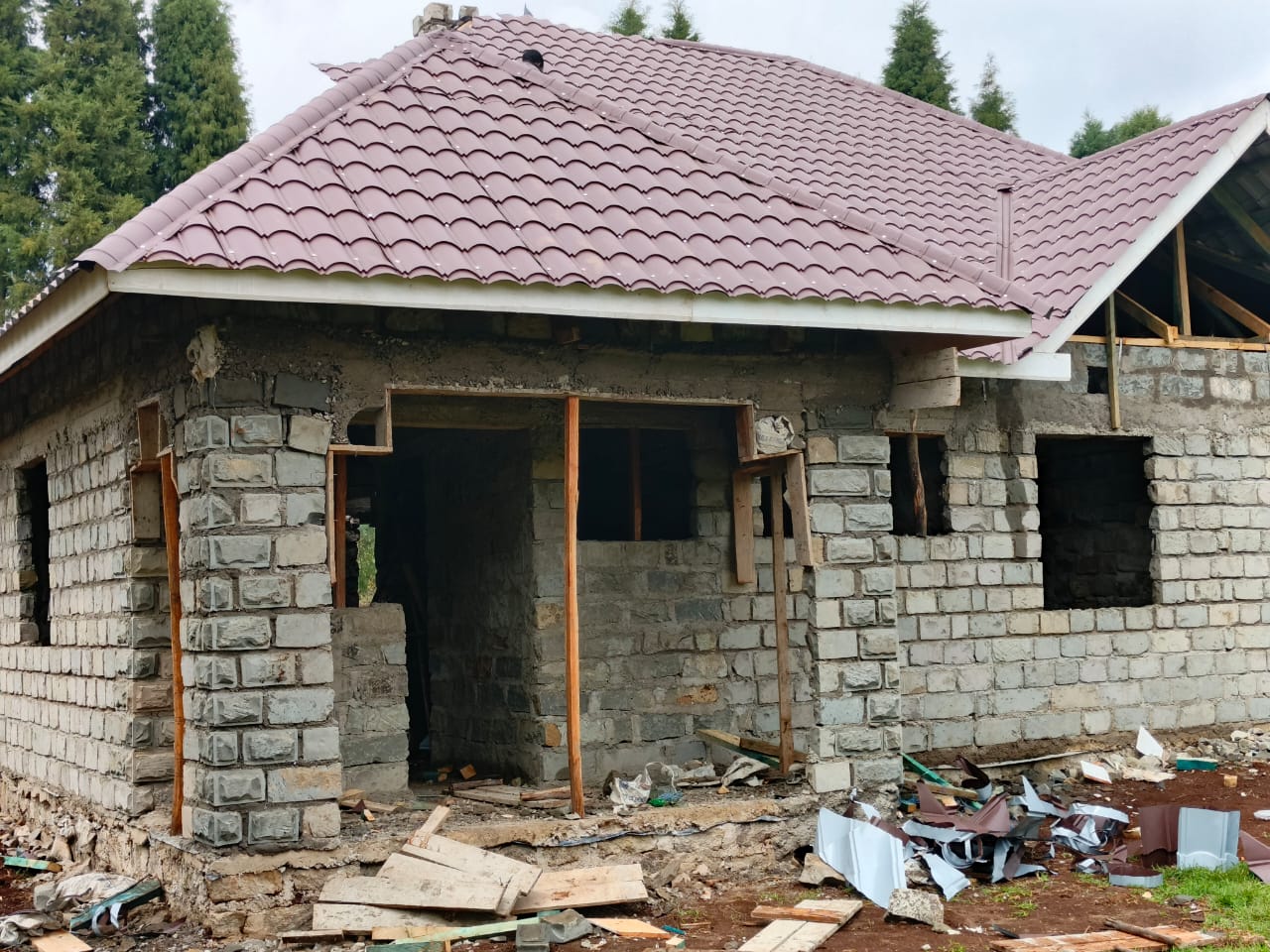
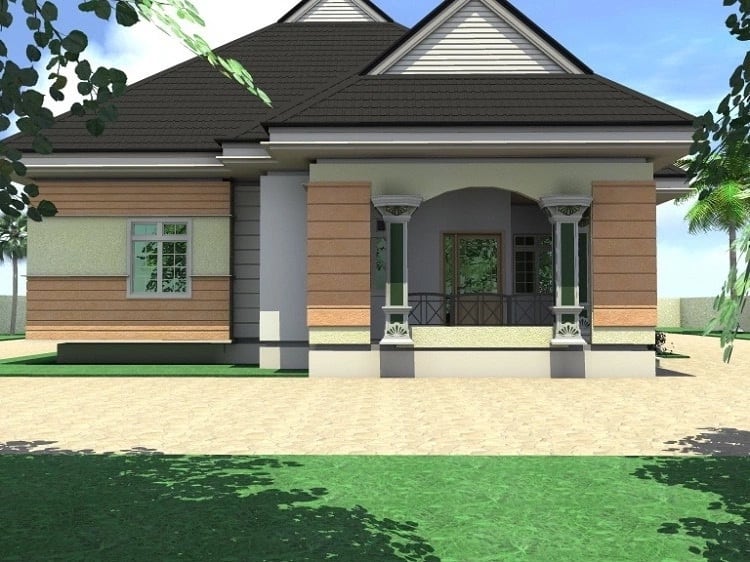
Explore prefabricated construction in Kenya, including prefab houses, costs, top suppliers, installation guide, and downloadable resources. Make informed decisions for affordable, fast, and durable homes.
Introduction
Prefabricated construction in Kenya is transforming the housing landscape by offering faster, cost-effective, and high-quality alternatives to traditional building methods. Prefab houses in Kenya are becoming increasingly popular among homeowners, real estate developers, and investors who want to save on time and construction costs while maintaining durable and modern homes.
This guide provides a comprehensive overview of prefabricated construction in Kenya, including types of fabricated houses, costs, top suppliers, step-by-step installation, and useful PDF resources. Whether you’re planning to build your dream home or invest in affordable housing, this guide will help you make informed decisions and understand the growing prefab market in Kenya.
What is Prefabricated Construction?
Definition and Process
Prefabricated construction in Kenya refers to the method of assembling building components in a factory setting before transporting them to the construction site for installation. This approach allows for precise manufacturing, reduced on-site labor, and faster project timelines compared to traditional construction. Prefab houses in Kenya are ideal for homeowners and investors looking for quality homes built efficiently. This process includes designing, manufacturing, transporting, and assembling modular units to form a complete structure.
Prefabrication vs Traditional Construction
Unlike traditional brick-and-mortar construction, prefabricated construction minimizes delays caused by weather or labor shortages. Prefab houses in Kenya typically take weeks instead of months to complete, making them a faster and more predictable option. While traditional construction involves on-site building from scratch, prefabrication ensures factory-quality components and less material waste. This makes prefab homes both cost-effective and reliable for long-term use.
Materials Used in Prefabricated Construction
Prefabricated construction in Kenya uses a variety of materials depending on the type of house, including steel frames, EPS sandwich panels, concrete panels, and modular timber. These materials are lightweight, durable, and designed to withstand Kenyan weather conditions while maintaining structural integrity. Choosing the right materials affects both the cost and efficiency of the prefab house. Proper material selection also ensures energy efficiency and easier maintenance.
Regulatory Approvals and Building Codes
Building a prefabricated house in Kenya requires compliance with local regulations and approval from county authorities. Homeowners must secure permits from the National Construction Authority (NCA) and ensure the design meets Kenyan building codes. Regulatory approval ensures that prefab houses are safe, durable, and suitable for residential use. Skipping approvals can lead to fines or halted construction, so it is critical to follow all legal requirements.
Prefabricated construction in Kenya must comply with national regulatory standards, including guidelines from the National Construction Authority (NCA) and county planning departments. Developers should also ensure alignment with the Kenya Building Code to meet structural, safety, and occupancy requirements. Where sustainability features are included, standards promoted by the Green Building Society of Kenya (GBSK) may also apply, especially for energy-efficient or environmentally certified buildings.
Types of Prefabricated Houses in Kenya
Modular Homes
Modular homes in Kenya are prefabricated structures built in sections at a factory, which are then transported and assembled on-site. These homes offer flexibility in design, customization, and expansion, making them popular among middle- and high-income homeowners. Modular prefab houses in Kenya are energy-efficient, structurally robust, and quicker to construct than conventional homes. They can be tailored to suit modern layouts, aesthetics, and functional requirements.
Container and Shipping Homes
Container homes in Kenya use repurposed shipping containers as building units, creating durable and affordable prefab houses. These homes are highly modular, easy to transport, and suitable for compact urban spaces or rural plots. Prefabricated container houses in Kenya are also eco-friendly, as they recycle steel containers while reducing construction waste. They offer a unique modern design while maintaining cost efficiency and fast construction timelines.
EPS Sandwich Panel Houses
EPS sandwich panel houses use panels made from expanded polystyrene (EPS) sandwiched between steel or concrete sheets. This prefabricated construction in Kenya provides excellent insulation, lightweight structure, and fast assembly. EPS panel homes are increasingly popular for residential and commercial buildings due to their energy efficiency and durability. They are also easy to maintain and reduce long-term operational costs for homeowners.
Concrete Precast Homes
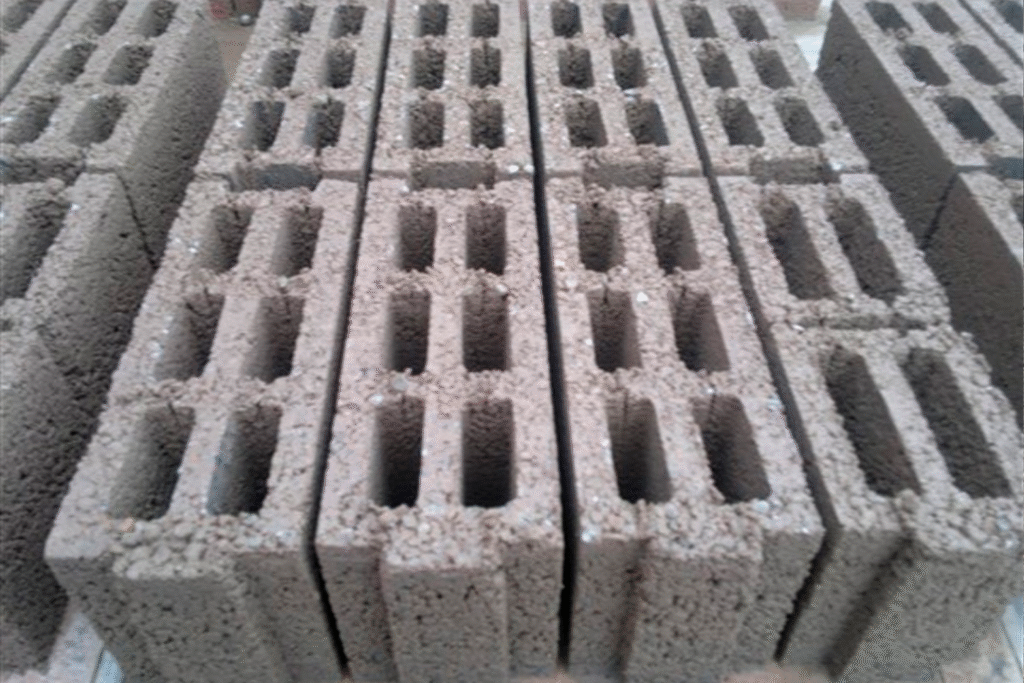
Concrete precast homes are built using factory-cast concrete panels assembled on-site to form walls, floors, and roofs. Prefabricated concrete houses in Kenya are strong, weather-resistant, and require minimal maintenance over time. This method allows precise quality control and quicker construction compared to traditional poured concrete. Precast homes are ideal for urban and rural areas where durability and safety are critical.
Benefits of Prefabricated Construction
Speed of Construction
Prefabricated construction in Kenya significantly reduces building time, as most components are manufactured off-site while foundation work is being done. Prefab houses can often be completed in weeks rather than months, making them a practical solution for urgent housing needs. Faster construction also reduces labor costs and limits delays caused by weather or site conditions. This speed advantage makes prefabricated houses an attractive option for investors and homeowners alike.
Cost Savings and Efficiency
Prefab houses in Kenya offer considerable cost savings due to reduced on-site labor, minimized material waste, and shorter construction timelines. Prefabricated construction in Kenya is more predictable in budget planning, helping homeowners avoid unexpected expenses. Efficient manufacturing processes also ensure consistent quality and lower long-term maintenance costs. By choosing prefabricated homes, buyers get a durable, affordable, and value-for-money housing solution.
Quality Control and Durability
Factory-controlled prefabricated construction ensures each component meets strict quality standards before reaching the site. Prefab houses in Kenya are built to withstand harsh weather conditions, seismic activity, and daily wear, offering long-term durability. Regular inspections during manufacturing and assembly maintain structural integrity and safety. This high level of quality control makes prefabricated homes a reliable and secure housing option.
Sustainability and Energy Efficiency
Prefabricated construction in Kenya is environmentally friendly, as it minimizes waste, optimizes material usage, and often incorporates energy-efficient designs. Many prefab houses include insulation, solar-ready roofs, and energy-saving features that reduce operational costs. Sustainable prefabricated houses in Kenya support green building practices and lower carbon footprints. Choosing prefab homes helps homeowners achieve eco-friendly living without compromising on style or functionality.
Prefabricated Construction Cost in Kenya
Price Range by House Type
The cost of prefabricated construction in Kenya varies depending on the type and size of the prefab house. Modular homes typically range from Ksh 40,000 to Ksh 70,000 per square metre, while container homes and EPS sandwich panel houses can be slightly lower or higher depending on customization. Concrete precast houses are usually the most expensive due to the strength and durability of the materials. Understanding the price range by house type helps homeowners plan budgets effectively.
Factors Affecting Cost
Several factors influence the cost of prefab houses in Kenya, including the choice of materials, size of the house, site location, and design complexity. Transportation and assembly fees, foundation preparation, and additional finishes also impact the final price. Selecting high-quality materials may increase upfront costs but reduces long-term maintenance expenses. Being aware of these factors ensures buyers get accurate cost estimates and avoid unexpected expenses.
Comparison With Traditional Housing
Prefabricated construction in Kenya is generally more cost-effective than traditional building methods due to lower labor requirements and reduced material waste. Prefab houses can be completed faster, which also reduces overhead costs compared to on-site construction. While traditional housing offers flexibility in design, prefabricated homes provide predictable costs, faster completion, and consistent quality. Comparing prefab and traditional housing allows buyers to make informed decisions based on budget and timelines.
| Construction Type | Average Cost (Ksh per m²) | Estimated Build Time | Cost Predictability | Maintenance Level | Best For |
| Modular Homes | 40,000 – 70,000 | 6 – 12 weeks | High | Low – Moderate | Residential homes, developers |
| Container Homes | 35,000 – 65,000 | 4 – 8 weeks | High | Low | Affordable housing, rentals |
| EPS Panel Houses | 40,000 – 60,000 | 4 – 10 weeks | Very High | Low | Energy-efficient homes |
| Precast Concrete Homes | 55,000 – 80,000 | 8 – 14 weeks | High | Very Low | Permanent residences |
| Traditional Construction | 45,000 – 90,000+ | 6 – 12 months | Medium – Low | Moderate | Custom high-end builds |
Top Prefabricated Construction Suppliers in Kenya
Eco Homes
Eco Homes is one of the leading suppliers of prefabricated houses in Kenya, offering modular, EPS panel, and container-based homes. They provide full services from design to installation, ensuring clients receive durable and modern prefabricated houses. Eco Homes focuses on energy efficiency and sustainable building practices, making their homes ideal for long-term residential use.
Thermoteq Ltd
Thermoteq Ltd specializes in prefabricated houses using EPS sandwich panels and modular designs for both residential and commercial projects. Their prefab houses in Kenya are known for fast assembly, high durability, and cost-effective construction. Thermoteq also provides consultation and installation services, supporting clients throughout the building process.
Cuma Refrigeration EA Ltd
Cuma Refrigeration EA Ltd manufactures prefabricated houses in Kenya using innovative container and modular technologies. Their prefab homes are suitable for urban and rural areas, providing affordable, fast, and sustainable housing solutions. They also offer customization options to meet different design preferences and client needs.

How to Choose a Prefab Supplier
Key Factors to Consider
When selecting a prefabricated construction supplier in Kenya, it is important to evaluate cost transparency, product quality, and delivery timelines. The supplier’s experience, portfolio of completed projects, and customer reviews also provide valuable insight. Choosing a reputable supplier ensures your prefab house meets both safety standards and aesthetic expectations.
Questions to Ask Before Buying
Before purchasing a prefab house in Kenya, homeowners should ask about warranties, lead times, included services, and post-installation support. Clarifying what is included in the quoted price, such as foundation work or utilities, helps prevent unexpected costs. Asking detailed questions ensures that the supplier can meet your design and budget requirements.
Site Preparation and Delivery Considerations
Proper site preparation is crucial for prefabricated construction in Kenya, including leveling the ground, ensuring stable foundations, and securing necessary permits. Delivery logistics, such as access to the construction site and handling of large prefab modules, should also be planned in advance. Preparing the site and coordinating delivery efficiently reduces delays and ensures smooth installation of your prefab house.
Conclusion
Prefabricated construction in Kenya is reshaping how homes are built by providing faster, cost-effective, and durable alternatives to traditional construction. Prefab houses in Kenya offer a variety of options including modular, container, EPS panel, and concrete precast homes, giving buyers flexibility in design, efficiency, and quality. Understanding costs, supplier options, and installation processes helps homeowners and investors make informed decisions.
Choosing the right prefabricated construction supplier in Kenya ensures high-quality homes delivered on time and within budget. With proper planning, prefab homes can meet modern living standards, offer energy efficiency, and reduce construction waste. The growing popularity of prefabricated houses makes them a smart choice for both residential and commercial projects in Kenya.