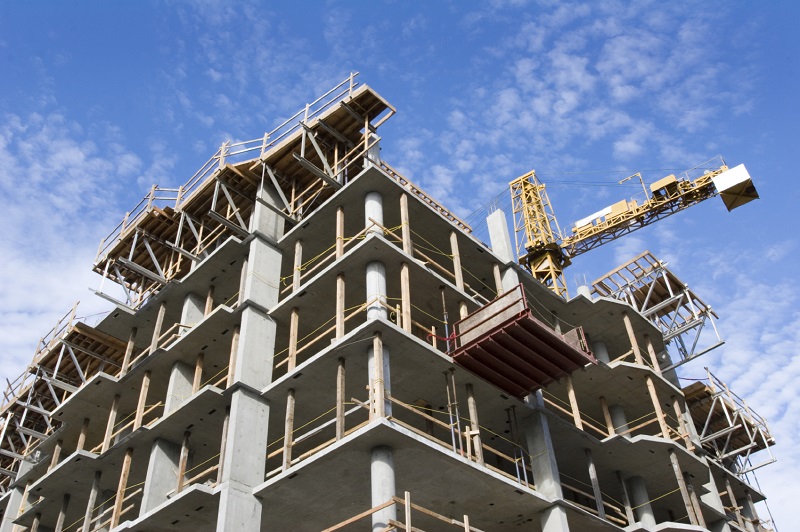
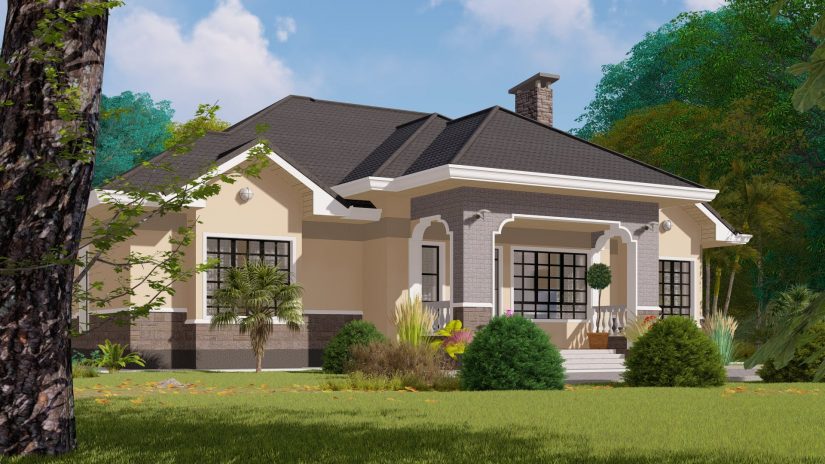
Most Kenyans do not build with one bank cheque. They build a house in phases in Kenya, paying for each stage from salary, business income, a SACCO loan or money sent from abroad. Done well, phased building is a sensible way to own a home without heavy debt. Done badly, it produces the half-finished walls you see on plots across the country, slowly losing value in the rain. This guide shows you how to plan the phases, where it is safe to pause, and how to keep each stage funded.
It sits within our guide to house construction costs in Kenya. Start there if you still need an overall budget for your house.
Building in stages? Get a free cost estimate and a phase-by-phase budget from our quantity surveyor: WhatsApp 0789 217 685
Why houses stall, and how to build a house in phases in Kenya safely
Projects rarely stall because the owner ran out of money in general. They stall because nobody knew how much each stage would cost, so the money ran out at an awkward point. The fix is simple to describe: know the full cost before you start, split it into phases that each end at a safe stopping point, and only start a phase when its money is ready.
Step 1: Price the whole house before you dig
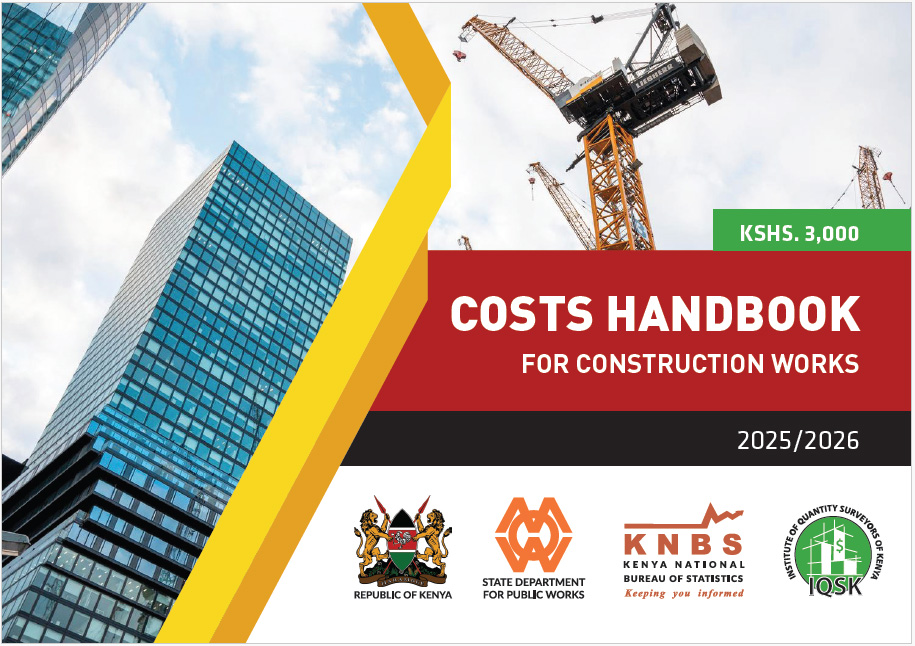
Even if you will build over three years, you need the total. Begin with indicative rates. The Integrum construction cost guide (updated October 2026) gives these planning rates per square metre:
| House type | Nairobi (KSh/m²) | Western/Nyanza (KSh/m²) |
|---|---|---|
| Standard bungalow | 54,730 | 57,080 |
| Middle-class maisonette | 61,070 | 69,240 |
| Luxurious bungalow | 71,700 | 87,900 |
For a 120 m² standard three-bedroom bungalow, that gives about KSh 6,567,600 in Nairobi (120 × 54,730) or KSh 6,849,600 in Western Kenya (120 × 57,080). Then ask a quantity surveyor for a Bill of Quantities (BQ) split by phase. The BQ is what turns one large number into a set of smaller, fundable targets.
Step 2: Split the project into sensible phases
A typical phasing plan for a bungalow looks like this. Each phase ends at a point where the building can wait safely.
| Phase | What it covers | Safe to pause after? |
|---|---|---|
| 0. Preparation | Land search, survey, drawings, BQ, county approval and other permits | Yes |
| 1. Foundation | Setting out, excavation, footings, foundation walling, hardcore, damp-proof membrane and floor slab | Yes, once the slab is cast and starter bars are protected |
| 2. Superstructure | Walling, lintels, columns and ring beam (and first-floor slab for a maisonette) | Only after the ring beam is cast |
| 3. Roofing and lock-up | Roof structure, roof covering, gutters, external doors and windows | Yes: this is the best long pause point |
| 4. Services and plastering | Electrical conduits, plumbing pipes, internal and external plaster | Yes |
| 5. Finishes | Ceilings, floor and wall tiles, joinery, sanitary fittings, painting, final electrical fittings | Room by room if needed |
| 6. External works | Septic tank or sewer connection, drainage, perimeter wall, paving | Yes (septic and drainage before you move in) |
If you are choosing a design for a staged build, a simple single-storey layout such as this simple 3-bedroom bungalow house plan is easier to phase than a maisonette, because there is no suspended slab to fund in one go.
Where you should never stop
- Open trenches. Rain fills them, sides collapse, and you pay to dig again.
- Walls without a ring beam. Tall unbraced walls are exposed to wind and rain and can crack or lean.
- A half-fixed roof. Timber or steel left uncovered deteriorates, and water gets into the walls.
- Exposed reinforcement for months. Steel left in the open rusts; protect starter bars or plan the pause after a cast.
- A house without doors and windows. Materials and fittings disappear from unsecured buildings.
Watch: the walling stage on a real site
Step 3: Fund each phase before it starts
The golden rule is: the money for a phase is in the bank before the phase begins. A simple worked example: if your 120 m² Western Kenya bungalow is budgeted at KSh 6,849,600 and you can set aside KSh 300,000 a month, the full amount takes about 23 months to save. At KSh 400,000 a month it takes about 17 months. Phasing lets you start building once the first phase is funded instead of waiting for the full sum, but each later phase should still be funded before work restarts.
Practical funding tips:
- Keep a separate account for the house so building money is not mixed with household spending.
- Buy key materials (cement, steel, roofing) close to when they are needed. Stockpiling ties up cash and risks damage or theft.
- Add a 10% contingency to every phase, not just the total.
- If you plan a SACCO or bank loan for one phase, apply early; approvals take time and lenders often want a valuation.
Step 4: Keep one contractor responsible across phases
Changing builders between phases is one of the most common causes of defects. The new team blames the old one, and nobody owns a crack in the slab. Agree a contract that covers the whole house but is priced and paid per phase, with a clear restart date for each. Check that your contractor is registered with the National Construction Authority, the state corporation established under the NCA Act No. 41 of 2011 to oversee the construction industry.
This is where a Design and Build contractor in Kenya helps: the same firm prepares the drawings and BQ, plans the phases and builds each one, so the budget and the responsibility do not change hands.
Common mistakes in phased construction
- Starting without approval. A stop order mid-way is far costlier than waiting. See all permits required before building in Kenya.
- Changing the design between phases. Moving a window after the walls are up means breaking and rebuilding.
- Skipping the BQ. Without it you cannot tell whether a phase is over budget until it is too late.
- Paying ahead of progress. Pay for work done and inspected, not for promises.
- Moving in before the septic tank and drainage are done. Retrofitting them later is messy and expensive.
Checklist before you restart after a pause
- Is the next phase fully funded, including contingency?
- Has someone inspected the existing work for cracks, rust or water damage?
- Are material prices in the BQ still current? Ask for an update.
- Is your approval still valid, and are drawings unchanged?
- Is the same contractor available, with an agreed start and finish date?
For a worked budget on a larger single-storey home, see our guide to the cost of building a 4-bedroom bungalow in Kenya.
Want a phase-by-phase budget for YOUR house?
Send us your plan or the number of bedrooms, your plot location and how much you can set aside each month. Our quantity surveyor will reply with a free indicative cost estimate and a suggested phasing plan.
Or call 0789 217 685 / 0724 481 087.