Syokimau building collapse series: Part 1: What happened / Part 2: Lessons / Part 3: How we help
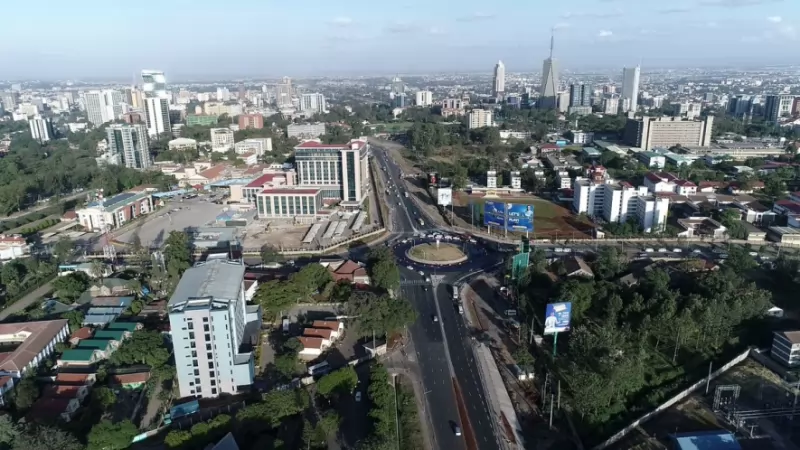
On 13 November 2026 an eight-storey building under construction collapsed in Syokimau, off Mombasa Road, killing several workers. Preliminary reports carried by KBC and TV47 say the upper section gave way during concreting works, with formwork failure suspected. The official investigation is still going on, and nobody should pre-judge its findings.
What we can do now is learn from it. Whether you are putting up a three-bedroom bungalow in Kakamega, a maisonette in Kisumu or a block of rentals near Nairobi, the same principles keep workers and future occupants safe. This is Part 2 of our series; Part 1 covers what happened, and Part 3 explains how a professional Design & Build team puts these lessons into practice.
Need house plans, approvals and qualified supervision? Get a free quote on WhatsApp: WhatsApp 0789 217 685
Lesson 1: The slab pour is one of the most dangerous days on site
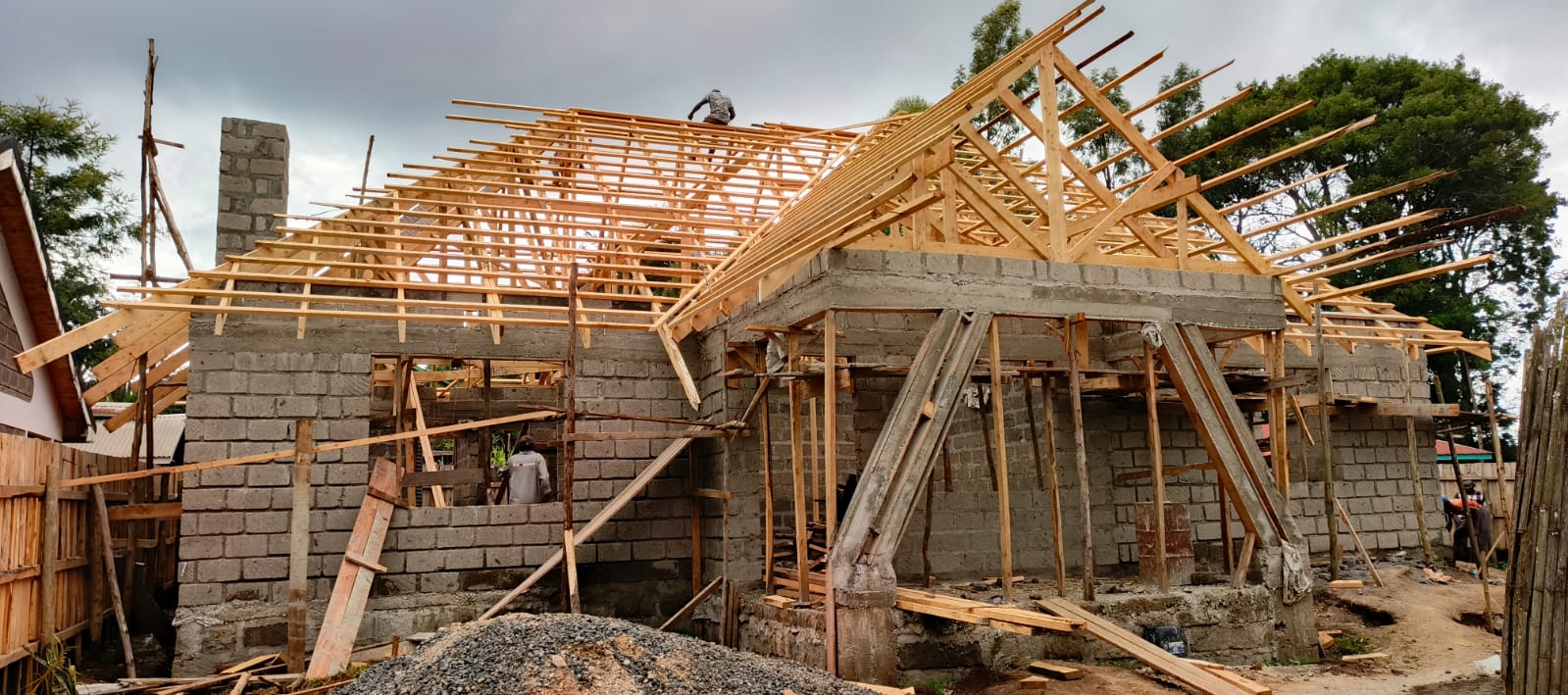
Until fresh concrete hardens, the temporary formwork and props carry everything: concrete, steel, workers and equipment. That is why the reported cause in Syokimau matters to every builder, not only to high-rise developers. A suspended slab on a two-storey house can fail in the same way if the props are wrong.
Before any slab or beam pour, insist on these checks:
- The structural engineer’s drawings are on site, and the formwork and props follow them (spacing, bracing and support).
- Props stand on firm ground or on a floor strong enough to carry them, with base plates or sole boards, not on loose soil or broken blocks.
- Props are plumb, braced and in good condition; bent or rusted props and cracked timber are replaced.
- The reinforcement (steel bars, spacers and cover) has been inspected and approved before concrete is ordered.
- Concrete is placed evenly, not dumped in one heap, and the deck is not overloaded with stacked materials.
- A named supervisor stays on site for the whole pour and can stop work if anything moves, sags or cracks.
- Props are only removed when the engineer says the concrete is strong enough. Striking formwork early to reuse it elsewhere is a false saving.
Lesson 2: Use registered contractors and professionals, not just a fundi
After a separate collapse in Mamboleo, Kisumu, in September 2026, the NCA Central Nyanza Regional Coordinator, Architect Festus Mariera, put it plainly to the Kenya News Agency: “Some people just go and get a fundi, and the fundi does not even know whether they are accredited.” He urged developers to use contractors registered with the National Construction Authority and professionals registered with the Engineers Board of Kenya and BORAQS.
Skilled fundis are the backbone of Kenyan construction, but they need a design to work to and a qualified person checking the critical stages. In practice that means:
- An architect or qualified designer for the plans.
- A registered structural engineer for the foundations, columns, beams and slabs, especially for anything above one storey.
- A quantity surveyor for the bill of quantities (BQ), so materials are specified correctly rather than cut to save money.
- An NCA-registered contractor, with the project itself registered with NCA where the law requires it.
Lesson 3: Approvals are not paperwork for its own sake
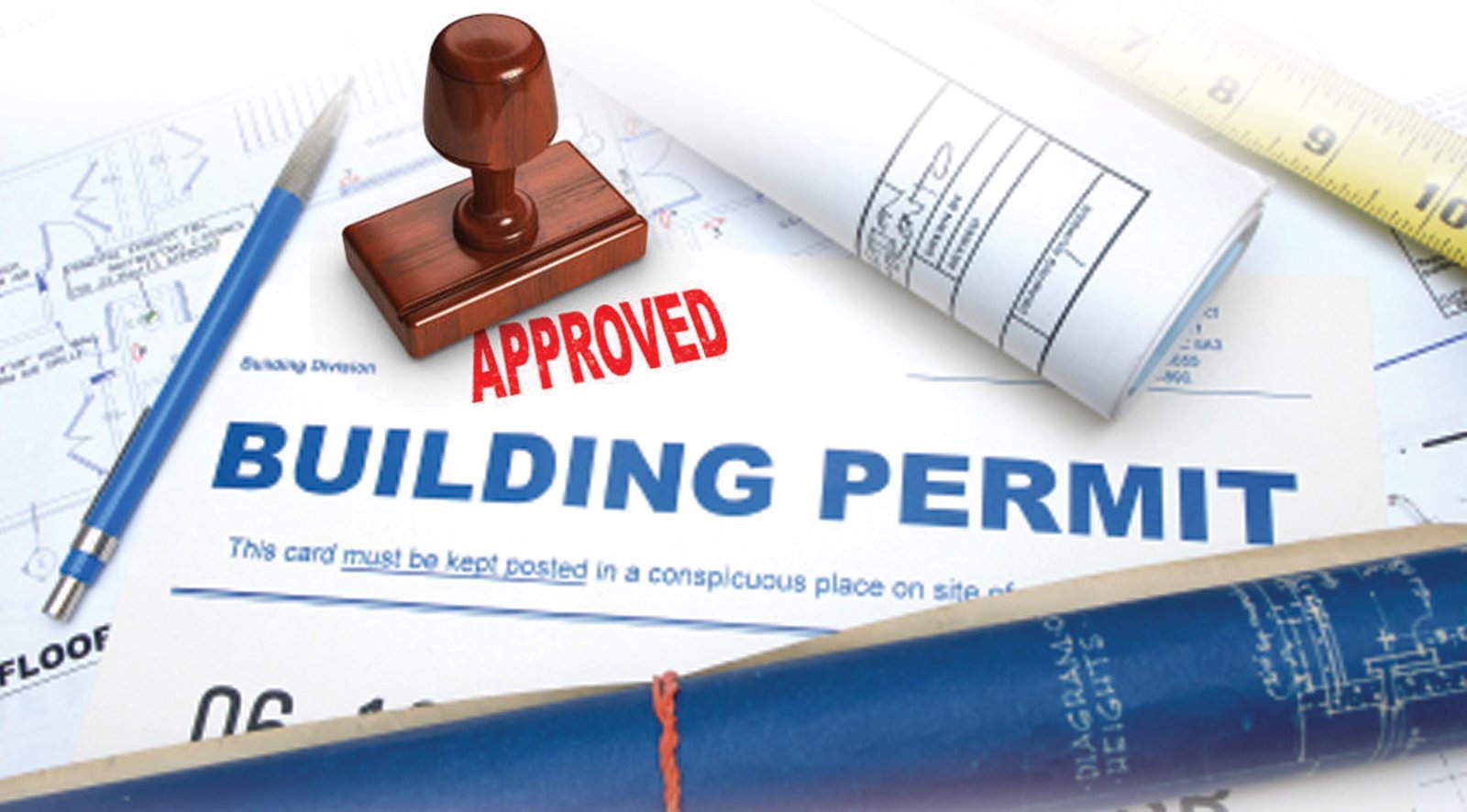
County approval of architectural and structural drawings is the moment an independent officer checks that the design can stand. Building without approval, or building more floors than were approved, removes that check. Before you start, make sure you have county approval of your plans, NEMA requirements where they apply, NCA project registration where required, and a clear plan for inspections during the build. Our sister site has a full list of all permits required before building in Kenya, and a guide to the occupation certificate you need at the end.
Lesson 4: Never ignore or cover up an NCA notice
In the Mamboleo case, The Standard reported that a fresh NCA notice on the building read “UNSAFE BUILDING. VACATE!” and marked it as a fourth warning, and that several nearby buildings carried NCA “X” marks, some partly erased or covered. An enforcement notice is a warning that something is seriously wrong. The right response is to stop, call your engineer and fix the problem, not to plaster over the mark and carry on.
Lesson 5: Learn the warning signs of an unsafe site
- No drawings on site, or drawings that do not match what is being built.
- Extra floors being added beyond the approved design.
- Props that lean, sink into the ground or are spaced far apart.
- Cracks in columns, beams or slabs, or slabs that sag after props are removed.
- Materials such as sand, blocks or tiles piled heavily on new slabs.
- Nobody on site who can explain the structural design or who is responsible for safety.
If you are building from far away, for example from the diaspora, these signs are hard to see in photos alone. Independent site supervision and regular, honest progress reports matter even more; see our guide to building a house in Kenya from the diaspora.
Lesson 6: Budget properly so safety is not the first thing cut
Many unsafe shortcuts start with an unrealistic budget: fewer props, thinner steel, weaker concrete, early striking of formwork or no supervisor. Start with an honest estimate. As an indicative guide, Integrum’s 2025 construction cost rates put a standard bungalow at about KSh 57,080 per m² and a standard low-rise apartment at about KSh 66,510 per m² in Western and Nyanza. If the money is not there for the whole build, phase it properly, as explained in our guide to building a house in phases in Kenya, rather than cutting structural quality.
See how a slab-roof house is built, step by step
This video from our channel follows a flat roof bungalow from foundation to finish, including the slab stage.
Questions to ask your contractor this week
- Are you registered with NCA, and in which category? Can I see the certificate?
- Who is the structural engineer, and when will they inspect the steel and formwork?
- Are the drawings approved by the county, and does what we are building match them?
- Who supervises each pour, and can they stop work if something looks wrong?
- When will the props be removed, and who decides?
A good contractor will welcome these questions. If the answers are vague, take that as a warning.
Sources: KBC, TV47, Citizen Digital (13 November 2026); Kenya News Agency and The Standard (September 2026). Cost rates are indicative.
Need house plans, approvals and safe supervision?
Tell us where your plot is and what you plan to build. We will tell you which drawings and approvals you need and send a free quote for design, approvals and supervision.
Or call 0789 217 685 / 0724 481 087.