
Syokimau building collapse series: Part 1: What happened / Part 2: Lessons / Part 3: How we help
On the morning of Friday, 13 November 2026, an eight-storey building under construction collapsed in Syokimau, near the Nairobi Standard Gauge Railway (SGR) Terminus off Mombasa Road. Construction workers were on site at the time. By Friday afternoon several workers had died, others had been pulled from the rubble alive and taken to hospital, and rescue teams were still searching the debris.
Our thoughts are with the families of those who died, the injured workers and everyone affected. This article sets out what has been reported so far, what officials have said about the possible causes, and what the collapse means for homeowners, landlords and developers across Kenya. It is the first of a three-part series: Part 2 covers the practical lessons, and Part 3 explains how to build safely with a professional team.
Planning to build safely? Talk to our team about drawings, approvals and qualified site supervision: WhatsApp 0789 217 685
What happened in Syokimau
According to Citizen Digital, the building gave way at about 9:52am on Friday while workers were reportedly on site. KBC reported that the collapse happened at a construction site near Argile Hotel on the Syokimau SGR access road, and placed the site in Syokimau, Machakos County. Both outlets describe the structure as an eight-storey building that was still under construction, not an occupied block.
The reported toll changed through the day, as is common in the first hours after a collapse. KBC’s early report said three people had died and five had been rescued alive. TV47 later reported at least five deaths and one person missing, and Citizen Digital reported six confirmed deaths, with five people pulled out alive and taken to hospital. Citizen added that the exact number of workers on site at the time was still being established. Readers should treat these figures as provisional until the authorities publish a final account.
The rescue operation
Several agencies responded. The Kenya Red Cross said its team was on site working alongside other partners and that people had been rescued and taken to hospital. An Urban Search and Rescue (USAR) team was activated, according to KBC, and Citizen Digital reported that the Nairobi City County Fire Brigade and the USAR team were combing the rubble. Kenyans.co.ke quoted Bramwell Simiyu, Nairobi County Chief Officer in charge of Disaster Management, as saying emergency teams from City Hall had been deployed. TV47 reported that Nairobi Regional Police Commander Issa Mohamud confirmed bodies had been retrieved from the rubble and that search teams were still combing the debris.
Nairobi City County asked members of the public and motorists to keep away from the area so that rescuers could work. That is sound advice after any collapse: crowds slow down emergency vehicles, and a partly collapsed frame can shift again without warning.
Why did it collapse? What officials have said so far
No final cause has been announced, and an investigation is under way. The early reports all point to the same stage of work: a concrete pour on the upper floors.
- Top slab caved in. Citizen Digital cited a preliminary report by the Nairobi City County emergency and rescue team saying the top slab caved in, bringing down part of the structure and trapping workers.
- Failure during concreting. KBC reported that, according to preliminary reports, the upper section gave way during concreting works, with suspected formwork failure cited as a possible contributing factor.
- Formwork failure. TV47 reported that preliminary investigations indicate the building collapsed because of a failure of the temporary formwork, the timber or steel moulds and props that hold wet concrete in place until it hardens.
KBC also reported that officials from the National Construction Authority (NCA) were at the scene as investigations began, to establish the circumstances of the collapse and whether construction safety requirements had been followed. At the time of writing, none of the reports we reviewed had named the developer or contractor, stated whether the project held county or NCA approvals, or reported any arrests. We will not speculate on who is responsible; that is for the investigators and, if needed, the courts.
Why formwork matters so much
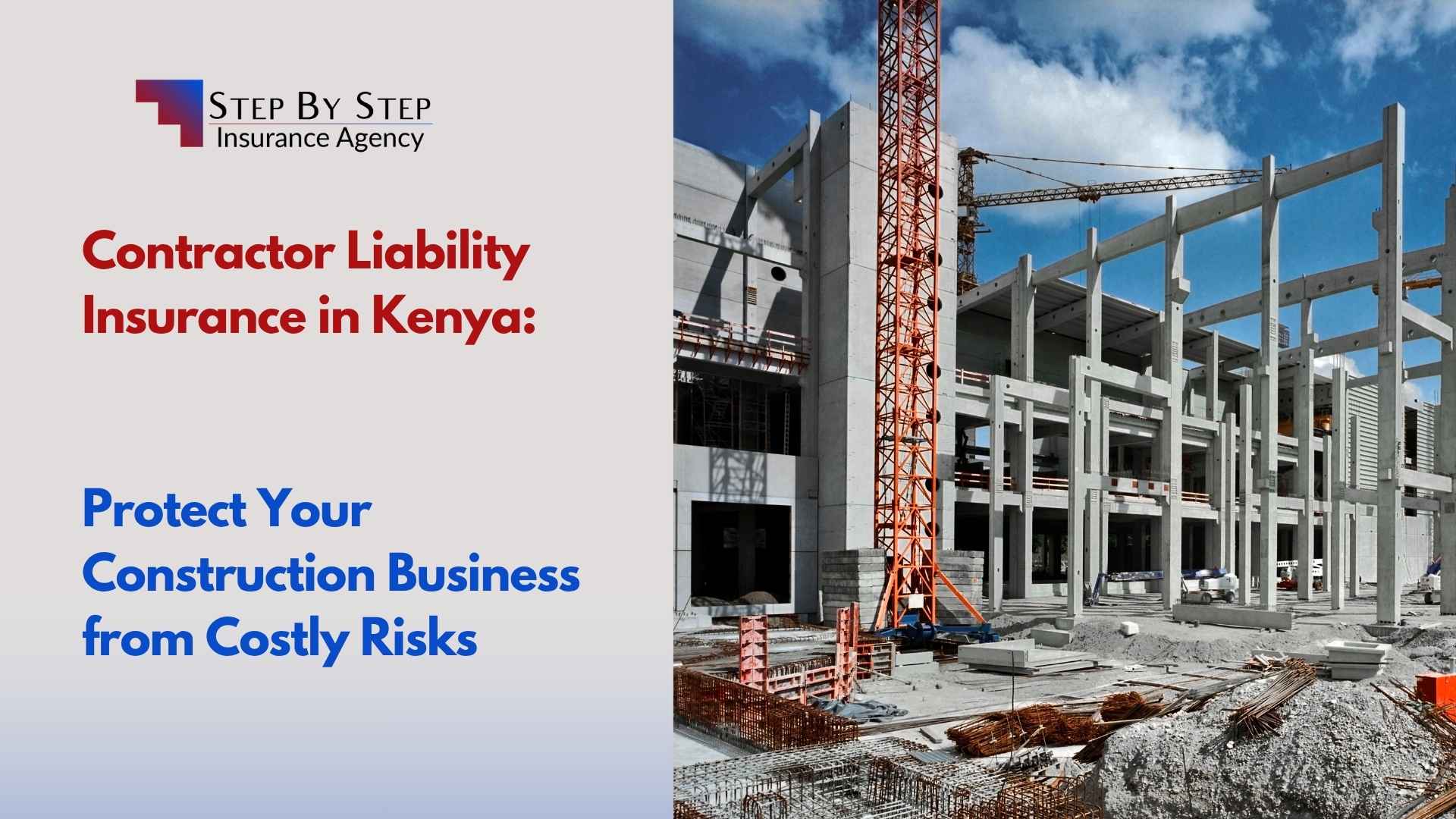
Formwork and its supporting props (often called shuttering and acrow props on Kenyan sites) carry a very heavy load during a slab pour: the weight of the wet concrete and steel, the workers, and any equipment on the deck. Until the concrete has gained enough strength, the formwork is effectively the structure. If props are too few, poorly braced, standing on soft ground or a weak floor below, or removed too early, the deck can fail suddenly. Workers on and below the slab are then most at risk.
This is why structural engineers specify how slabs are supported and when props can be struck, and why a pour should only start once the formwork has been checked. It does not mean that formwork was the only factor in Syokimau; the investigation may find other issues. But it explains why the reports focus on this stage of the work.
The wider picture
Kenyans.co.ke noted that the Syokimau collapse came only weeks after a similar incident in Eastleigh, Nairobi. Western Kenya has not been spared either: in September 2026 a four-storey building partly collapsed in Mamboleo, Kisumu, and the Kenya News Agency reported that authorities ordered a controlled demolition after inspections by the County Security Committee, NCA and city technical teams. Each case has its own facts, but together they keep building safety at the top of the public agenda.
What it means for people building in Kenya
- For families and workers: the human cost comes first. Construction workers are the people most exposed when temporary works fail.
- For developers and landlords: expect closer checks. After high-profile collapses, NCA and county officers typically step up site inspections, and projects without approvals, registered contractors or proper supervision are more likely to be stopped.
- For buyers and tenants: more people will ask whether a building was approved, who built it and whether it has an occupation certificate. Those are the right questions.
- For anyone building a home or rentals: costs saved by skipping the engineer or the supervisor are tiny compared with the cost of a failure. A slab pour is one of the highest-risk days on any site, from a two-storey maisonette to an apartment block.
In Part 2 we set out the practical lessons: what to check before a slab pour, how to confirm your contractor and professionals are registered, and the warning signs that a site is unsafe. In Part 3 we explain how West Kenya Real Estate Ltd helps clients build safely, from drawings and approvals to supervision.
For a broader view of what a properly planned house costs, see our house construction costs in Kenya guide, and for the approvals you need before you build, read all permits required before building in Kenya.
Sources: Citizen Digital, KBC, TV47 and Kenyans.co.ke, all 13 November 2026. Figures were provisional at the time of publishing and may change as the investigation continues.
Planning to build? Build it safely
Send us your plot location and what you want to build. Our team will explain the drawings, approvals and supervision your project needs, and give you a free cost estimate.
Or call 0789 217 685 / 0724 481 087.


One thought on “Syokimau Building Collapse: What Happened, Why and What It Means”