Discover apartment construction cost Kenya, cost per m², BOQ, architectural plans, feasibility studies, financing options, and investment returns.
Introduction
The demand for apartment developments in Kenya has grown significantly over the past decade, driven by rapid urbanization, population growth, and increasing demand for affordable and rental housing. Cities such as Nairobi, Kiambu, Mombasa, Kisumu, and Nakuru continue to attract investors looking to capitalize on the growing residential property market. Whether you are planning a small rental apartment block or a large multi-storey residential development, understanding the apartment construction cost Kenya is essential for making informed investment decisions.
Accurate cost estimation is one of the most important aspects of any successful apartment project. Construction costs can vary significantly depending on factors such as location, building size, number of floors, design complexity, finishing standards, and prevailing material and labor costs. Without proper budgeting and planning, developers risk cost overruns, project delays, and reduced profitability.
Professional planning plays a crucial role in controlling costs and ensuring project success. Engaging qualified architects, engineers, quantity surveyors, and construction consultants helps investors obtain reliable apartment project cost estimates, detailed Bills of Quantities (BOQs), and realistic construction schedules before breaking ground.
So, how much does it cost to build an apartment in Kenya? In 2026, the average apartment construction price per square meter in Kenya typically ranges from KSh 45,000 to KSh 90,000 per square meter depending on the quality of finishes, structural requirements, and project specifications. As a result, a complete apartment construction cost estimate in Kenya can range from several million shillings for a small apartment block to hundreds of millions for large multi-storey developments.
This guide provides a comprehensive breakdown of apartment building costs in Kenya, helping developers, investors, and property owners plan profitable projects with confidence.
How Much Does Apartment Construction Cost in Kenya?
One of the most common questions among developers and investors is: How much does it cost to build apartments in Kenya? The answer depends on several factors, including the location of the project, the number of floors, the quality of finishes, the structural design, and prevailing labor and material costs.
In 2026, the average apartment construction price per square meter Kenya ranges between KSh 45,000 and KSh 95,000 per square meter. Projects with basic finishes typically fall on the lower end of the range, while premium and luxury developments command significantly higher construction costs due to superior materials, enhanced amenities, and complex architectural designs.
For example, a 1,000-square-meter apartment block constructed at KSh 60,000 per square meter would cost approximately KSh 60 million, excluding land acquisition, financing costs, utility connections, and professional fees. Larger multi-storey developments often benefit from economies of scale, although additional structural requirements and building services may increase costs.
Understanding the average apartment building cost Kenya is essential when preparing budgets, evaluating project feasibility, and seeking financing from banks or investors. A professional cost estimate prepared by a quantity surveyor can provide a more accurate picture based on your specific project requirements.
Apartment Construction Cost per Square Meter in Kenya
| Apartment Type | Estimated Cost per m² |
| Basic Apartment | KSh 45,000 – 55,000 |
| Standard Apartment | KSh 55,000 – 70,000 |
| Premium Apartment | KSh 70,000 – 85,000 |
| Luxury Apartment | KSh 85,000 – 95,000+ |
What Determines the Cost per Square Meter?
The final cost to build apartments in Kenya is influenced by several factors, including:
- Quality of finishes and fittings
- Foundation and structural requirements
- Number of storeys
- Mechanical, electrical, and plumbing installations
- Lift and parking provisions
- Site accessibility
- Professional design and supervision fees
- Material and labor market fluctuations
While cost per square meter provides a useful benchmark, every apartment project is unique. Developers should obtain a detailed construction estimate, Bill of Quantities (BOQ), and professional consultation before committing to a budget. This helps ensure accurate planning, better cost control, and improved returns on investment throughout the construction process.
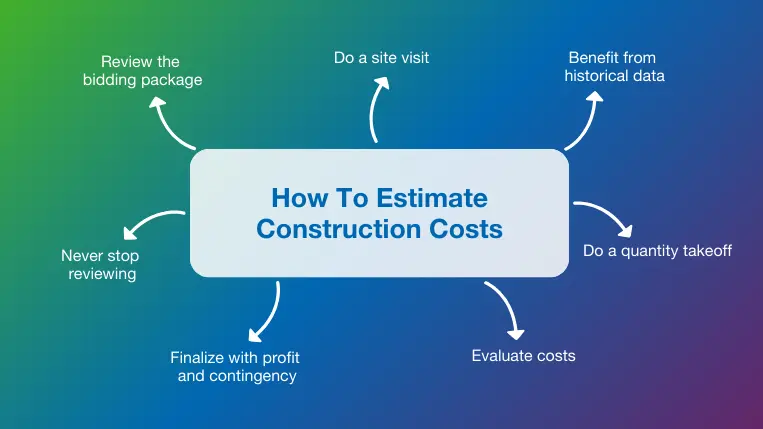
Key Factors Affecting Apartment Construction Cost in Kenya
The total apartment construction cost in Kenya varies from one project to another due to several influencing factors. While cost per square meter provides a useful benchmark, the actual budget depends on the project’s location, design requirements, structural specifications, and finishing standards. Understanding these factors helps developers prepare realistic budgets and avoid unexpected expenses during construction.
Location of the Project
The location of an apartment development has a significant impact on construction costs. Different regions experience varying labor rates, material prices, transportation costs, and county approval fees.
- Nairobi: Generally has higher construction costs due to expensive labor, strict regulatory requirements, and premium land values.
- Kiambu: Costs are often comparable to Nairobi, especially in rapidly developing areas such as Ruiru, Juja, and Thika.
- Kisumu: Construction costs may be slightly lower than Nairobi, although material transportation can affect pricing.
- Nakuru: Growing demand for rental housing has increased apartment development, with costs remaining relatively competitive.
- Mombasa: Coastal conditions may require specialized materials and corrosion-resistant finishes, increasing overall costs.
Location also influences rental demand and potential returns, making it a critical consideration when evaluating the overall apartment development cost Kenya.
Number of Floors
The number of storeys directly affects construction expenses. As buildings become taller, additional structural elements such as reinforced columns, beams, shear walls, and larger foundations are required.
Multi-storey developments may also require:
- Passenger lifts
- Fire safety systems
- Water storage systems
- Enhanced structural engineering
As a result, a four-storey apartment block typically costs more per square meter than a two-storey development due to increased structural complexity and building services.
Soil Conditions and Foundation Type
The condition of the construction site greatly influences foundation costs. Before construction begins, a geotechnical investigation is recommended to determine soil bearing capacity.
Projects built on stable soils generally require simpler foundations, while sites with weak, expansive, or waterlogged soils may require:
- Deep foundations
- Raft foundations
- Piling works
- Additional excavation and reinforcement
Poor soil conditions can substantially increase construction budgets and should be assessed early during project planning.
Building Design Complexity
The architectural design of an apartment building plays a major role in determining costs. Simple rectangular layouts are generally more economical to construct than highly customized designs with complex shapes and structural features.
Factors that increase costs include:
- Irregular building layouts
- Large cantilevers and balconies
- Complex roof structures
- Extensive glazing
- Luxury common areas
- Basement parking
Balancing functionality, aesthetics, and budget is essential when evaluating apartment design and cost considerations.
Finishing Standards
The quality of finishes selected for an apartment project can significantly affect the overall budget. Basic apartments typically use standard flooring, doors, sanitary ware, and fittings, while premium developments incorporate higher-end materials and finishes.
Common finish categories include:
- Basic finishes
- Standard finishes
- Premium finishes
- Luxury finishes
The choice of finishes impacts both construction costs and the property’s rental or resale value.
Labour and Material Costs
Labour and building materials account for a substantial portion of apartment construction expenses. Fluctuations in the prices of cement, steel, timber, tiles, plumbing materials, and electrical components can significantly affect project budgets.
Additionally, skilled labor costs vary depending on location, project complexity, and market demand. Working with experienced contractors, quantity surveyors, and project managers helps control wastage, improve efficiency, and maintain cost certainty throughout the construction process.
Understanding these key factors enables developers to prepare accurate budgets, optimize project planning, and achieve better returns on their apartment investments.
Apartment Construction Cost by Number of Floors in Kenya
One of the biggest factors influencing the overall cost of an apartment project is the number of floors. As buildings become taller, additional structural requirements, safety systems, and service installations increase construction expenses. Understanding the apartment construction cost per floor Kenya helps developers estimate budgets more accurately and evaluate project feasibility before construction begins.
While actual costs vary depending on design, location, and finishing standards, the estimates below provide a general guide for typical apartment developments in Kenya.
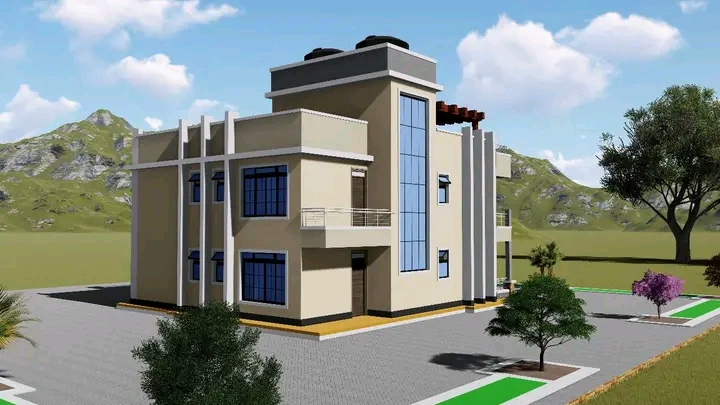
2 Storey Apartment Cost
A two-storey apartment building is often the most affordable option for small-scale developers. These projects typically require less structural reinforcement and simpler building services compared to taller developments.
Depending on the number of units, quality of finishes, and location, a two-storey apartment may cost between KSh 12 million and KSh 35 million. Such developments are common in peri-urban areas where land is readily available and construction regulations are less complex.
3 Storey Apartment Construction Cost Kenya
Three-storey apartment buildings are popular among investors seeking to maximize rental income while maintaining manageable construction costs. Additional structural reinforcement is usually required compared to two-storey developments, increasing the overall budget.
A typical three-storey apartment project may cost approximately KSh 20 million to KSh 60 million, depending on the total floor area, apartment mix, and finishing standards.
4 Storey Apartment Building Cost Kenya
Four-storey apartment developments are common in growing urban centers such as Nairobi, Kiambu, Kisumu, and Nakuru. These buildings often accommodate more rental units and generate higher returns, but they also require stronger structural systems and more extensive service installations.
The average 4 storey apartment building cost Kenya ranges from KSh 35 million to KSh 100 million or more, depending on project specifications and location.
5 Storey Apartment Block Cost
A five-storey apartment block typically requires advanced structural engineering, larger foundations, and enhanced fire safety systems. Some developments may also include lifts, standby generators, and water storage facilities.
Construction costs for a five-storey apartment building generally range between KSh 50 million and KSh 150 million, depending on the size and complexity of the project.
High Rise Apartment Cost Kenya
High-rise apartment developments exceeding six floors involve significantly higher construction costs due to specialized structural designs, elevators, fire protection systems, mechanical services, and compliance requirements.
The high rise apartment cost Kenya can exceed KSh 150 million and may reach several hundred million shillings for large-scale developments in prime urban locations. These projects require detailed feasibility studies, professional project management, and comprehensive cost planning.
Apartment Construction Cost by Number of Floors
| Floors | Approximate Cost |
| 2 Floors | KSh 12M – 35M |
| 3 Floors | KSh 20M – 60M |
| 4 Floors | KSh 35M – 100M |
| 5 Floors | KSh 50M – 150M |
| 6+ Floors | KSh 150M+ |
Important Considerations
The figures above are indicative estimates and should be used as preliminary budgeting guides only. The actual apartment block construction cost Kenya depends on factors such as total floor area, structural design, foundation requirements, finishing standards, site conditions, and local authority approvals.
Before starting any project, investors should engage architects, structural engineers, and quantity surveyors to prepare detailed drawings, Bills of Quantities (BOQs), and cost estimates. Proper planning helps control costs, reduce risks, and ensure the success of any multi storey apartment construction cost Kenya project.
Apartment Construction Cost Breakdown by Construction Stage
Understanding how construction costs are distributed across different stages of a project is essential for effective budgeting and financial planning. Whether you are developing a small rental apartment block or a large multi-storey complex, knowing where your money will be spent helps prevent cost overruns and improves project management.
A typical apartment project cost estimate Kenya consists of several key construction phases, each contributing a different percentage to the overall budget. While the exact allocation may vary depending on the project’s size, design, and specifications, the breakdown below provides a useful guide for developers and investors.
Land Preparation
Land preparation is the first stage of construction and involves clearing vegetation, demolishing existing structures if necessary, site leveling, excavation, and setting out the building. Costs at this stage vary depending on the terrain, accessibility, and existing site conditions.
Sites with steep slopes, rock outcrops, or poor access roads often require additional work, increasing overall costs.
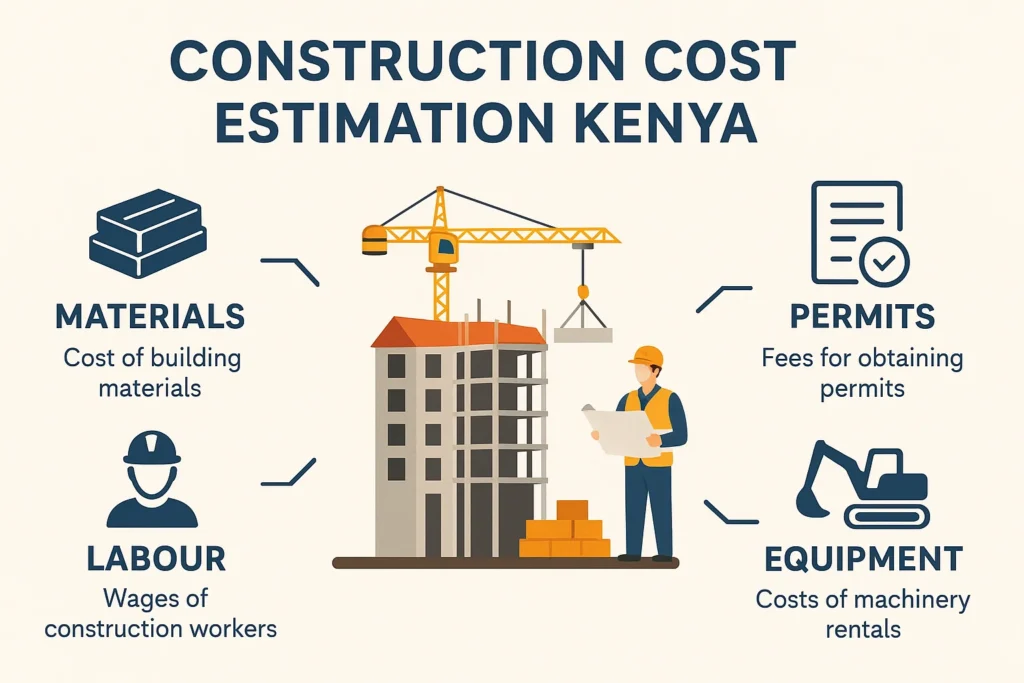
Foundation Works
Foundation works form one of the most critical components of any apartment project. This stage includes excavation, footing construction, reinforcement, concrete works, foundation walls, and ground beams.
Foundation costs depend heavily on soil conditions. Weak or waterlogged soils may require deeper foundations, raft slabs, or piling systems, significantly increasing the project budget.
Structural Frame
The structural frame includes columns, beams, suspended slabs, staircases, and reinforced concrete elements that support the building. For multi-storey apartment developments, this stage typically consumes the largest portion of the construction budget.
As the number of floors increases, additional reinforcement and structural engineering requirements contribute to higher costs.
Walling
Walling works involve the construction of internal and external walls using materials such as machine-cut stones, concrete blocks, or alternative walling systems. Costs depend on the selected materials, wall thickness, and architectural design.
Complex layouts with numerous partitions and decorative features generally require more materials and labor.
Roofing
Roofing costs vary depending on the type of roof selected. Low-rise apartment buildings may utilize conventional pitched roofs, while larger apartment blocks often use reinforced concrete flat roofs.
The roofing budget typically includes waterproofing, insulation, drainage systems, and roof finishes.
Electrical Installation
Electrical works cover conduit installation, wiring, switchgear, lighting fixtures, sockets, distribution boards, and external electrical connections.
Modern apartment developments may also include additional systems such as:
- Backup power systems
- Security lighting
- CCTV infrastructure
- Internet and communication cabling
- Access control systems
Plumbing Installation
Plumbing works include water supply systems, drainage networks, sanitary fittings, water tanks, pumps, and sewer connections.
Projects with multiple residential units require carefully designed plumbing systems to ensure efficient water distribution and waste management throughout the building.
Finishes
Finishes represent one of the most visible aspects of apartment construction and can significantly influence the final project cost. This stage includes:
- Floor finishes
- Wall finishes
- Ceiling works
- Painting
- Doors and windows
- Kitchen fittings
- Bathroom fixtures
The quality of finishes selected often determines whether a project falls within the basic, standard, premium, or luxury category.
External Works
External works are often overlooked during budgeting but can account for a substantial portion of project costs. These works may include:
- Parking areas
- Boundary walls
- Cabro paving
- Landscaping
- Drainage systems
- Security gates
- Water storage facilities
Proper planning for external works ensures the development is functional, attractive, and compliant with local regulations.
Typical Apartment Construction Cost Breakdown
| Construction Stage | Percentage Cost |
| Foundation | 10% – 15% |
| Structure | 30% – 40% |
| Finishes | 25% – 35% |
| Services (Electrical & Plumbing) | 10% – 15% |
| External Works | 5% – 10% |
Why Cost Breakdown Matters
A detailed apartment construction estimate Kenya enables developers to allocate resources efficiently, monitor spending, and identify potential cost-saving opportunities. By understanding the cost contribution of each construction stage, investors can make informed decisions regarding design, materials, and project scope while maintaining profitability and quality standards.
For the most accurate results, every apartment project should be supported by a professional Bill of Quantities (BOQ), architectural drawings, and quantity surveyor cost analysis before construction begins.
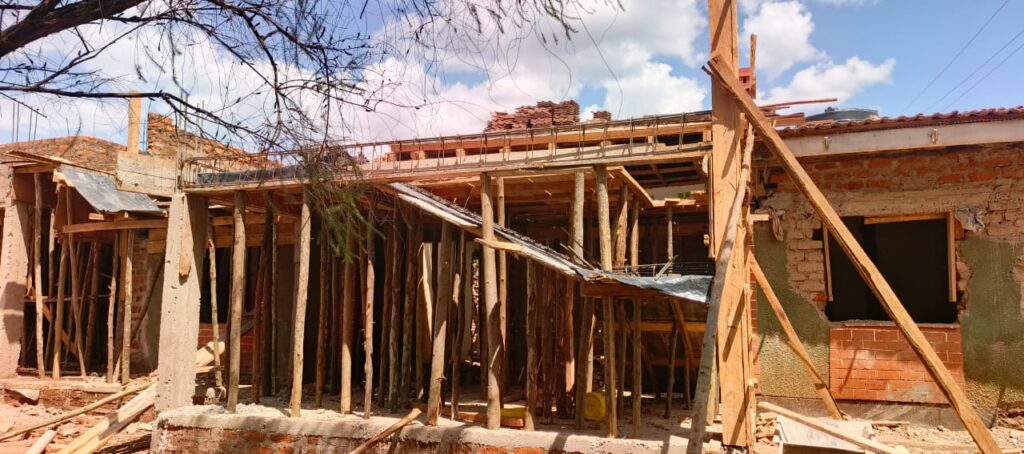
Apartment BOQ Kenya – Why Every Project Needs a Bill of Quantities
One of the most important documents in any apartment development project is the Bill of Quantities (BOQ). Whether you are constructing a small rental apartment block or a large multi-storey residential complex, a professionally prepared apartment BOQ Kenya provides the financial roadmap needed to manage costs effectively and ensure successful project execution.
What is a BOQ?
A Bill of Quantities (BOQ) is a detailed document prepared by a quantity surveyor that itemizes all materials, labor, and construction activities required to complete a project. It provides measured quantities for every construction element, allowing developers, contractors, and financiers to understand the expected project costs before construction begins.
A comprehensive apartment bill of quantities Kenya typically includes:
- Site preparation works
- Foundation works
- Concrete and reinforcement works
- Walling and roofing
- Electrical installations
- Plumbing installations
- Finishes
- External works
- Provisional sums and contingencies
The BOQ serves as the foundation for accurate budgeting and cost management throughout the construction process.
Benefits of a BOQ
A professionally prepared BOQ offers numerous advantages for apartment developers and investors. It provides a clear breakdown of project costs, making it easier to plan finances and allocate resources efficiently.
Key benefits include:
- Accurate project budgeting
- Improved financial planning
- Reduced risk of unexpected expenses
- Better project monitoring
- Increased transparency throughout construction
By understanding anticipated costs upfront, developers can make informed decisions and avoid costly mistakes during implementation.
Cost Control and Budget Management
One of the primary functions of a BOQ is cost control. Construction projects often face budget overruns due to poor planning, material wastage, or scope changes. A BOQ helps track expenditures against the original budget and highlights areas where corrective action may be required.
Developers can use the document to:
- Monitor material consumption
- Compare actual costs against estimated costs
- Manage project variations
- Reduce wastage and unnecessary spending
Effective cost control improves profitability and helps keep projects on schedule.
Contractor Comparison and Tendering
A BOQ allows developers to obtain comparable quotations from multiple contractors. Since all contractors price the same quantities and specifications, it becomes easier to evaluate bids fairly and identify the most competitive offer.
Without a BOQ, contractors may use different assumptions, making it difficult to compare quotations accurately. This can result in pricing discrepancies and disputes during construction.
Bank Financing Requirements
Many financial institutions require detailed project documentation before approving construction loans. A professionally prepared apartment bill of quantities Kenya demonstrates that the project has been properly planned and costed.
Banks and investors often use the BOQ to:
- Assess project viability
- Verify funding requirements
- Monitor disbursement of construction funds
- Evaluate project risks
For this reason, engaging an experienced apartment quantity surveyor Kenya is a critical step when seeking financing for apartment developments.
Ultimately, a BOQ is more than just a cost document—it is an essential project management tool that improves budgeting accuracy, supports financing applications, enhances contractor selection, and increases the likelihood of a successful apartment development project.
Apartment Architectural Plans and Design Costs in Kenya
Before construction begins, every apartment project requires professional design documentation to ensure the building is functional, safe, cost-effective, and compliant with local regulations. Investing in quality design services not only helps achieve the desired architectural vision but also minimizes costly mistakes during construction. Understanding the costs associated with design and approvals is therefore an important part of any apartment development budget.
Apartment Architectural Plans Kenya
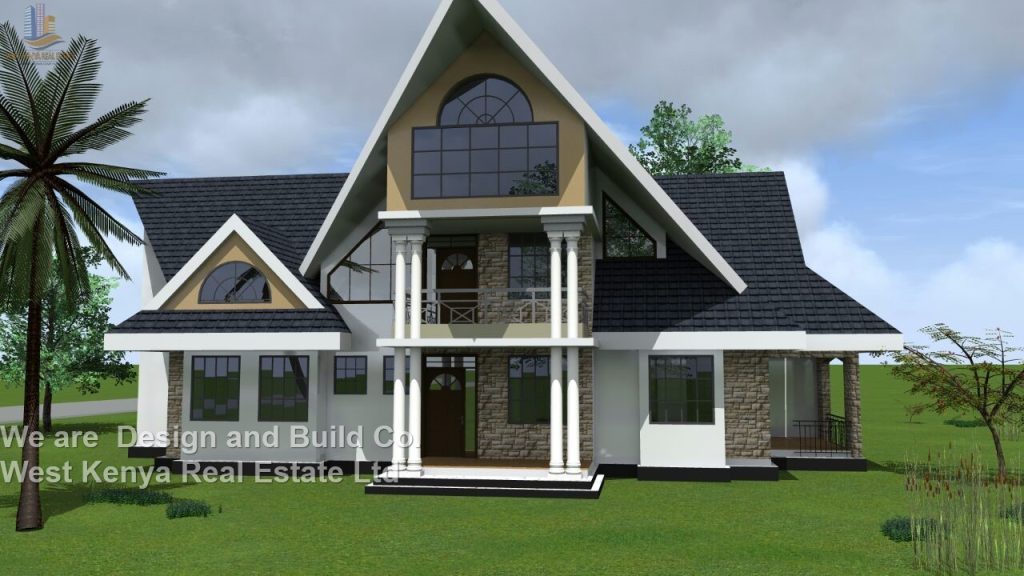
Architectural plans form the foundation of any successful apartment project. These drawings define the building layout, room arrangements, floor plans, elevations, sections, and overall appearance of the development.
Professional apartment architectural plans Kenya are designed to maximize space utilization, improve functionality, and meet the needs of future occupants. Architects also consider important factors such as natural lighting, ventilation, accessibility, parking requirements, and compliance with planning regulations.
The complexity of the project, number of floors, and total floor area typically influence the cost of architectural design services.
Apartment Structural Drawings Kenya
Structural drawings are prepared by a structural engineer and provide detailed specifications for the building’s load-bearing elements. These drawings ensure that the apartment block can safely withstand its own weight, occupant loads, wind forces, and other environmental conditions.
Typical structural drawings include:
- Foundation details
- Reinforcement schedules
- Columns and beams
- Suspended slabs
- Staircase structures
- Roof structural systems
Professional apartment structural drawings Kenya are essential for obtaining approvals and ensuring long-term structural integrity.
MEP Drawings
MEP (Mechanical, Electrical, and Plumbing) drawings provide detailed designs for the building’s service systems. These drawings help coordinate installations and reduce conflicts during construction.
MEP drawings typically cover:
- Electrical layouts and lighting systems
- Power distribution networks
- Water supply systems
- Drainage and sewer systems
- Fire protection systems
- Mechanical ventilation systems
- Water storage and pumping systems
Proper MEP planning improves efficiency, reduces maintenance costs, and enhances occupant comfort.
County Approval Drawings
Before construction can legally commence, apartment projects must be approved by the relevant county government and other regulatory authorities where applicable. Approval drawings are prepared to demonstrate compliance with planning regulations, zoning requirements, building codes, and safety standards.
The approval process may involve:
- Architectural submissions
- Structural submissions
- Environmental requirements
- Public health approvals
- Fire safety compliance
Approval fees vary depending on the county, project size, and development type. Early engagement with professionals helps streamline the approval process and avoid unnecessary delays.
Professional Design Fees
Professional design costs are typically calculated as a percentage of the overall construction cost or based on the project’s complexity and scope. While fees vary between consultants, developers should budget for services from:
- Architects
- Structural engineers
- Quantity surveyors
- Mechanical engineers
- Electrical engineers
- Project managers
Although professional fees represent a small portion of the total construction budget, they play a crucial role in ensuring project success. High-quality apartment planning services Kenya can reduce construction risks, improve cost efficiency, enhance building performance, and increase the overall value of the development.
Investing in comprehensive design services and properly coordinated drawings helps developers achieve smoother project execution, accurate cost estimation, faster approvals, and better long-term returns on their apartment investment.
Apartment Building Plans with Cost Estimates
One of the most effective ways to plan an apartment development is by reviewing apartment building plans with cost estimates before construction begins. These estimates help investors evaluate project feasibility, determine financing requirements, and compare potential returns on investment.
The final construction cost depends on factors such as the number of units, total floor area, location, design complexity, finishing standards, and site conditions. However, the examples below provide a general guide to common apartment developments in Kenya.
Bedsitter Apartment Block Example
Bedsitter apartments are popular among developers targeting students, young professionals, and low-to-middle-income tenants. They require less floor space per unit and can generate attractive rental returns in areas with high housing demand.
A typical bedsitter apartment block may consist of 12 to 24 units spread across two to four floors. Depending on the size, design, and finishes, construction costs generally range between KSh 12 million and KSh 40 million.
One-Bedroom Apartment Block Example
One-bedroom apartments appeal to working professionals, small families, and couples seeking affordable rental accommodation. These units typically require larger floor areas than bedsitters, increasing overall construction costs.
A standard one-bedroom apartment block with multiple units may cost approximately KSh 20 million to KSh 70 million, depending on the number of floors and quality of finishes.
Two-Bedroom Apartment Block Example
Two-bedroom apartments are among the most sought-after rental units in many urban and suburban areas due to their suitability for families. While they require more space and higher construction budgets, they often command higher rental income.
A typical two-bedroom apartment development may cost between KSh 35 million and KSh 120 million or more, depending on the project scale and specifications.
Apartment Building Plans and Estimated Construction Costs
| Apartment Type | Approximate Cost |
| Bedsitter Block | KSh 12M – 40M |
| 1 Bedroom Block | KSh 20M – 70M |
| 2 Bedroom Block | KSh 35M – 120M+ |
These figures should be used as preliminary budgeting guides only. The actual apartment design and cost will vary based on architectural requirements, structural specifications, site conditions, professional fees, and approval costs. Before proceeding with construction, developers should obtain customized apartment plans, a detailed BOQ, and a professional cost estimate to ensure accurate budgeting and successful project execution.
Apartment Construction Cost in Nairobi, Kiambu, Mombasa, Kisumu and Nakuru
Location is one of the most significant factors influencing apartment construction costs in Kenya. Differences in labor rates, material availability, transportation expenses, county approval fees, and market demand can cause substantial variations in project budgets. Developers should therefore evaluate location-specific costs carefully when preparing construction estimates and feasibility studies.
While the figures below provide general benchmarks, actual costs may vary depending on project size, design complexity, site conditions, and finishing standards.
Average Apartment Construction Cost per Square Meter by Location
| Location | Average Cost per m² |
| Nairobi | KSh 60,000 – 95,000 |
| Kiambu | KSh 55,000 – 90,000 |
| Mombasa | KSh 60,000 – 100,000 |
| Kisumu | KSh 50,000 – 85,000 |
| Nakuru | KSh 50,000 – 85,000 |
Apartment Construction Cost Nairobi
Nairobi remains Kenya’s largest property market and attracts significant residential and commercial development. The apartment construction cost Nairobi is generally among the highest in the country due to higher labor costs, strict regulatory requirements, premium infrastructure standards, and increased demand for quality housing.
Projects in areas such as Kilimani, Kileleshwa, Westlands, and South B often require premium finishes and advanced building services, which further increase construction costs.
Apartment Construction Cost Kiambu
Kiambu County has experienced rapid urban growth, particularly in areas such as Ruiru, Juja, Kikuyu, and Thika. The apartment construction cost Kiambu is often slightly lower than Nairobi due to relatively affordable labor and land costs.
However, areas bordering Nairobi may experience construction costs comparable to those within the capital due to similar market expectations and development standards.
Apartment Construction Cost Mombasa
The apartment construction cost Mombasa can be influenced by coastal environmental conditions. Buildings located near the ocean often require corrosion-resistant materials, specialized waterproofing systems, and enhanced maintenance considerations.
Additionally, transportation costs for certain building materials can increase project budgets. Despite these factors, Mombasa remains an attractive market due to strong tourism activity and growing demand for residential housing.
Apartment Construction Cost Kisumu
Kisumu continues to experience steady growth in both residential and commercial property development. The apartment construction cost Kisumu is generally lower than Nairobi and Mombasa due to more affordable labor rates and relatively lower operational expenses.
However, transportation costs for specialized materials and certain construction products may affect overall project costs depending on the project location.
Apartment Construction Cost Nakuru
Nakuru has emerged as one of Kenya’s fastest-growing urban centers, creating strong demand for rental apartments and mixed-use developments. The apartment construction cost Nakuru remains relatively competitive compared to Nairobi while offering attractive investment opportunities.
Developers benefit from growing housing demand, improving infrastructure, and a strategic location along major transport corridors.
Factors Causing Regional Cost Differences
Several factors contribute to variations in apartment construction costs across different counties:
Labour Rates
Labor costs differ by region depending on the availability of skilled workers, project demand, and local wage levels. Urban areas with high construction activity often experience higher labor charges.
Material Transportation
Transportation costs can significantly affect construction budgets, especially for projects located far from major manufacturing centers or building material suppliers. Fuel prices and logistics also influence overall costs.
County Fees and Approvals
Each county government has its own development approval charges, inspection fees, and compliance requirements. These costs should be factored into the overall project budget during the planning stage.
Market Demand
Areas experiencing rapid urbanization and population growth often attract more apartment developments. Strong market demand can justify higher construction costs due to the potential for increased rental income and property appreciation.
Understanding regional cost differences allows developers to prepare more accurate budgets, evaluate investment opportunities, and select locations that align with their financial and development objectives.
Rental Apartment Investment Cost and Expected Returns
For many developers, apartment construction is not just about building a property—it is about generating long-term rental income and maximizing returns on investment. Understanding the relationship between construction costs, rental income, occupancy rates, and operating expenses is essential when evaluating the viability of an apartment project.
A well-planned rental apartment development can provide steady cash flow, property appreciation, and long-term wealth creation. However, investors should conduct detailed financial analysis before committing funds to any project.
Understanding Rental Yield
Rental yield measures the annual rental income generated by a property as a percentage of its total development cost or market value. It is one of the most important indicators used to assess the profitability of a rental apartment investment.
Rental Yield Formula:
Annual Rental Income ÷ Total Development Cost × 100
For example, if an apartment project costs KSh 60 million to develop and generates KSh 6 million in annual rental income:
Rental Yield = (6,000,000 ÷ 60,000,000) × 100 = 10%
In many urban areas of Kenya, apartment developments typically achieve gross rental yields ranging between 6% and 12%, depending on location, unit type, and market demand.
Occupancy Assumptions
Rental income projections should be based on realistic occupancy levels rather than assuming every unit will remain occupied throughout the year.
Common occupancy assumptions include:
- High-demand locations: 90% – 95%
- Moderate-demand locations: 80% – 90%
- Emerging markets: 70% – 85%
Factoring in vacancies provides a more accurate estimate of expected income and helps investors prepare for fluctuations in market conditions.
Example: 20-Unit Apartment Block
Consider a 20-unit apartment block consisting of one-bedroom apartments.
Development Cost
- Construction Cost: KSh 55 million
- Professional Fees and Approvals: KSh 5 million
- External Works and Utilities: KSh 5 million
Total Investment Cost: KSh 65 million
Rental Income
Assume each unit rents for KSh 25,000 per month.
Monthly Rental Income
20 Units × KSh 25,000 = KSh 500,000
Annual Rental Income
KSh 500,000 × 12 = KSh 6 million
Assuming a 90% occupancy rate:
KSh 6,000,000 × 90% = KSh 5.4 million annual effective income
Estimated Return on Investment (ROI)
ROI Formula:
Annual Effective Income ÷ Total Investment Cost × 100
(KSh 5.4 million ÷ KSh 65 million) × 100
Estimated ROI = 8.3% per year
Evaluating Apartment Investment Opportunities
The profitability of a rental apartment investment cost Kenya project depends on several factors, including construction costs, financing terms, rental demand, occupancy levels, and property management efficiency. Developers should also consider future maintenance costs, market growth potential, and property appreciation when evaluating investment opportunities.
A detailed feasibility study helps investors determine whether the projected returns justify the initial capital outlay. By carefully analyzing both the rental apartment construction cost Kenya and expected rental income, developers can make informed decisions and maximize returns from their apartment property development Kenya projects.
Apartment Project Feasibility Study Kenya
Before investing millions of shillings in an apartment development, it is essential to conduct a comprehensive feasibility study. An apartment project feasibility study Kenya helps developers determine whether a project is financially viable, technically achievable, and capable of generating the expected returns. It provides valuable insights that support informed decision-making and reduce investment risks.
A professional feasibility study evaluates the project’s potential by analyzing market demand, site conditions, development costs, revenue projections, and possible risks. This process enables investors to identify opportunities and challenges before construction begins.
Market Analysis
Market analysis examines the demand and supply dynamics within the target location. The objective is to determine whether there is sufficient demand for the proposed apartment units and identify the most suitable unit mix for the area.
Key aspects of market analysis include:
- Population growth trends
- Housing demand levels
- Existing apartment developments
- Rental rates in the area
- Occupancy levels
- Target tenant demographics
- Future infrastructure developments
For example, an area with high demand for affordable housing may favor bedsitters and one-bedroom units, while family-oriented neighborhoods may support larger apartments.
Site Analysis
Site analysis evaluates the physical characteristics and suitability of the proposed development site. A thorough assessment helps identify constraints that may affect construction costs and project design.
Important site considerations include:
- Plot size and shape
- Accessibility and road connections
- Topography and slope
- Soil conditions
- Availability of utilities
- Drainage patterns
- Zoning and planning regulations
The findings from the site analysis influence both project design and the overall apartment development cost Kenya.
Cost Projections
Accurate cost projections are critical for determining project feasibility. This stage estimates all expenses associated with the development, including:
- Land acquisition costs
- Design and consultancy fees
- County approval charges
- Construction costs
- Utility connections
- External works
- Financing costs
- Contingency allowances
Cost projections are typically supported by preliminary architectural drawings, Bills of Quantities (BOQs), and quantity surveyor estimates.
Revenue Projections
Revenue projections estimate the income the apartment project is expected to generate after completion. These projections help determine the project’s profitability and investment potential.
Revenue analysis often includes:
- Expected rental income
- Occupancy assumptions
- Annual revenue forecasts
- Property appreciation potential
- Payback period calculations
- Return on investment (ROI)
Comparing projected income against development costs helps investors assess whether the project meets their financial objectives.
Risk Assessment
Every property development project involves risks that could affect profitability, timelines, or project completion. A feasibility study identifies these risks and proposes mitigation measures.
Common risks include:
- Construction cost escalation
- Delays in approvals
- Material price fluctuations
- Changes in market demand
- Financing challenges
- Economic and regulatory changes
By evaluating potential risks early, developers can make strategic adjustments that improve project success.

Why a Feasibility Study Matters
An apartment project feasibility study Kenya provides investors with a clear understanding of project viability before significant capital is committed. It combines market research, technical evaluation, financial analysis, and risk assessment into a single decision-making framework.
Whether developing a small rental block or a large multi-storey complex, a professional feasibility study helps optimize the apartment development cost Kenya, improve profitability, attract financing, and increase the likelihood of a successful and sustainable apartment investment.
Apartment Construction Financing Options in Kenya
Securing adequate funding is one of the most important aspects of a successful apartment development project. Since apartment construction requires significant capital investment, developers often rely on various financing solutions to fund design, approvals, construction, and project completion. Understanding the available apartment construction financing Kenya options can help investors choose the most suitable funding strategy for their project.
Bank Construction Loans
Commercial banks remain one of the most common sources of construction financing in Kenya. These loans are typically disbursed in phases based on project progress and certified construction milestones.
Benefits of bank construction loans include:
- Access to substantial funding
- Structured repayment plans
- Flexible loan tenures
- Suitable for medium and large-scale projects
Before approval, banks often require architectural drawings, a Bill of Quantities (BOQ), project approvals, and a professional feasibility study to assess project viability.
SACCO Financing
Savings and Credit Cooperative Organizations (SACCOs) provide an alternative financing option for developers who are members of these institutions. SACCO loans often offer competitive interest rates and flexible borrowing terms compared to traditional bank loans.
Advantages include:
- Lower interest rates in some cases
- Faster loan processing
- Flexible security requirements
- Member-focused financing solutions
SACCO financing can be particularly beneficial for small and medium-sized apartment developments.
Joint Ventures
A joint venture involves partnering with another party—often a landowner, investor, or developer—to undertake an apartment project. In many cases, one party provides land while the other contributes development expertise and financing.
Joint ventures can help reduce upfront capital requirements and spread project risks among multiple stakeholders.
Investor Partnerships
Investor partnerships are common in larger apartment developments where multiple investors pool resources to finance construction. These arrangements can provide access to additional capital while allowing investors to share profits upon project completion or during rental operations.
Clear legal agreements and professional financial planning are essential to ensure transparency and protect the interests of all parties involved.
Progressive Construction
Progressive construction is a self-financing approach where the project is built in phases as funds become available. Instead of taking on significant debt, developers finance construction gradually using personal savings, business income, or rental proceeds from completed sections of the project.
While this approach may extend the construction timeline, it can reduce borrowing costs and financial pressure.
Choosing the Right Financing Strategy
The most suitable financing option depends on the project size, available capital, risk tolerance, and investment objectives. Seeking professional apartment cost consultation Kenya services can help developers evaluate funding options, prepare financial projections, and identify the most cost-effective financing structure for their apartment development.
With proper planning and financing, investors can successfully transform apartment development opportunities into profitable long-term assets.
How to Reduce Apartment Construction Costs Without Compromising Quality
Managing construction costs is one of the biggest challenges faced by apartment developers. While it may be tempting to cut corners to save money, poor decisions can lead to structural issues, project delays, increased maintenance costs, and reduced property value. The key is to reduce expenses strategically while maintaining quality, safety, and long-term performance.
The following cost-saving strategies can help developers optimize their apartment building budget Kenya without compromising the success of the project.
Proper Planning
Successful apartment projects begin with thorough planning. Developers should clearly define project objectives, budgets, timelines, and design requirements before construction starts.
Proper planning helps to:
- Avoid costly design changes during construction
- Improve resource allocation
- Reduce delays and disruptions
- Identify potential risks early
Investing time in planning often results in significant savings throughout the project lifecycle.
BOQ Preparation
A professionally prepared Bill of Quantities (BOQ) is one of the most effective tools for cost control. The BOQ provides a detailed breakdown of materials, labor, and construction activities required for the project.
Benefits of BOQ preparation include:
- Accurate budgeting
- Better procurement planning
- Reduced material wastage
- Improved cost monitoring
- Easier contractor evaluation
A detailed BOQ helps developers maintain financial discipline and avoid unexpected expenses.
Efficient Designs
Simple and efficient building designs are generally more economical to construct than highly complex structures. While attractive architecture is important, unnecessary design features can significantly increase construction costs.
Cost-efficient design strategies include:
- Regular building shapes
- Standardized unit layouts
- Optimized structural grids
- Efficient circulation spaces
- Practical floor plans
Well-designed apartments can achieve both functionality and affordability without sacrificing aesthetics.
Material Procurement Strategies
Building materials account for a large portion of construction expenses. Strategic procurement can therefore generate substantial savings.
Effective procurement practices include:
- Purchasing materials in bulk
- Comparing supplier quotations
- Scheduling purchases to avoid shortages
- Buying directly from manufacturers where possible
- Minimizing storage-related losses
Developers should also prioritize quality materials that offer durability and long-term value.
Value Engineering
Value engineering is the process of evaluating construction methods, materials, and systems to achieve the desired performance at a lower cost.
Examples include:
- Alternative walling technologies
- Optimized structural designs
- Energy-efficient building systems
- Cost-effective finishing materials
The goal is not to reduce quality but to improve efficiency and maximize value for money.
Professional Supervision
Professional supervision is essential for controlling costs and maintaining quality standards. Experienced architects, engineers, quantity surveyors, and project managers help ensure that construction work complies with approved drawings and specifications.
Professional oversight helps to:
- Minimize errors and rework
- Prevent material wastage
- Monitor contractor performance
- Ensure compliance with regulations
- Maintain project schedules
Working with a reputable apartment construction company Kenya and qualified consultants can significantly improve project outcomes and reduce costly mistakes.
Focus on Long-Term Value
Reducing construction costs should never come at the expense of quality, safety, or durability. By combining proper planning, accurate BOQs, efficient designs, strategic procurement, value engineering, and professional supervision, developers can successfully manage costs while delivering high-quality apartment projects that provide strong returns on investment for years to come.
Why Work with Professional Apartment Construction Contractors in Kenya?
The success of an apartment development project depends heavily on the expertise and experience of the construction team involved. While some developers may consider managing projects independently to save costs, partnering with professional apartment construction contractors Kenya often results in better quality, improved efficiency, and greater financial control.
Experienced contractors bring technical knowledge, project management skills, and industry expertise that help ensure the project is completed on time, within budget, and according to approved specifications.
Cost Certainty
One of the biggest advantages of working with professional contractors is improved cost predictability. Reputable contractors rely on detailed Bills of Quantities (BOQs), project schedules, and cost estimates to develop realistic budgets.
This helps developers:
- Minimize unexpected expenses
- Improve financial planning
- Control project variations
- Monitor spending throughout construction
Professional contractors can also provide a comprehensive apartment building quotation Kenya, giving investors a clear understanding of anticipated project costs before work begins.
Faster Approvals
Experienced contractors and consultants understand local construction regulations and approval procedures. Their familiarity with county requirements helps streamline submissions and reduce delays associated with approvals and inspections.
This expertise can significantly shorten project timelines and help developers commence construction sooner.
Better Quality Control
Quality construction directly affects the safety, durability, and value of an apartment building. Professional contractors implement quality control systems throughout the construction process to ensure work meets industry standards and approved specifications.
Quality control measures typically include:
- Material inspections
- Workmanship checks
- Structural compliance verification
- Site supervision
- Testing and certification of installations
These processes help reduce defects and improve the long-term performance of the building.
Reduced Wastage
Material wastage is a common cause of cost overruns in construction projects. Professional contractors use proper planning, procurement strategies, and site management practices to minimize waste and improve resource utilization.
Effective cost management leads to:
- Lower material losses
- Improved productivity
- Better inventory control
- Increased project profitability
Regulatory Compliance
Apartment developments must comply with numerous building regulations, safety requirements, and county approval conditions. Failure to comply can result in penalties, project delays, or costly corrective work.
Professional contractors help ensure compliance with:
- Building codes
- Structural requirements
- Health and safety regulations
- Environmental standards
- County approval conditions
Partnering for Project Success
Choosing reputable apartment construction services Kenya is one of the most important decisions a developer can make. Professional contractors provide the expertise, systems, and resources needed to deliver high-quality apartment projects efficiently and cost-effectively.
By working with experienced professionals, developers can achieve greater cost certainty, maintain quality standards, reduce project risks, and maximize the return on their apartment investment.
Conclusion – Plan Your Apartment Development with Accurate Cost Estimates
Developing an apartment project in Kenya can be a highly rewarding investment when supported by proper planning, accurate budgeting, and professional guidance. As discussed throughout this guide, the apartment construction cost Kenya varies depending on factors such as location, number of floors, design complexity, finishing standards, and prevailing construction market conditions.
Successful apartment developments begin with thorough project planning. This includes obtaining professional apartment architectural plans Kenya, preparing detailed structural and MEP drawings, and developing a comprehensive apartment BOQ Kenya to accurately estimate costs and manage project expenditures. Engaging an experienced apartment quantity surveyor Kenya can help ensure realistic budgeting, effective cost control, and improved project profitability.
Investors should also conduct a professional apartment project feasibility study Kenya to evaluate market demand, projected rental income, development costs, and expected returns before committing significant capital. Combined with the right apartment construction financing Kenya strategy, a feasibility study provides the foundation for informed investment decisions and long-term success.
Whether you are planning a small rental apartment block, a multi-storey residential complex, or a large mixed-use development, obtaining a detailed apartment construction estimate Kenya is essential for minimizing risk and maximizing returns. Working with qualified architects, engineers, quantity surveyors, and reputable apartment construction contractors Kenya ensures that your project is completed to the highest standards while remaining within budget and regulatory requirements.
Ready to Build a Profitable Apartment Project in Kenya?
Get professional apartment architectural plans, structural drawings, BOQs, feasibility studies, and accurate construction cost estimates tailored to your plot, budget, and investment goals.
Whether you are planning a rental apartment block, multi-storey residential development, or mixed-use project, our experienced design and construction team can help you move from concept to completion with confidence.
Contact us today for a customized apartment building quotation and expert consultation. Let us help you transform your apartment development vision into a successful and profitable investment.