Flooring Options in Kenya: Tiles, Wood, and Concrete Costs
Explore the best flooring options in Kenya—from tiles and wood to concrete—to compare costs, durability, installation, and maintenance tips. Find out which flooring suits your home and budget best.
Introduction
Flooring Options in Kenya: Tiles, Wood, and Concrete Costs
Choosing the right flooring can completely transform your home’s look, comfort, and long-term value. In Kenya, the right choice often depends on your lifestyle, climate, and budget. From elegant tiles to warm wood and durable concrete, homeowners have several flooring options in Kenya that suit both modern and traditional spaces.
Each material brings something unique — tiles offer versatility, wood brings warmth, and concrete guarantees strength. Understanding their costs, pros, and maintenance needs helps you make a smarter investment for your home.
Whether you’re building, renovating, or upgrading your floors, this guide compares the main materials used in Kenya, helping you choose the perfect balance of beauty, budget, and practicality.
Understanding Your Budget and Requirements
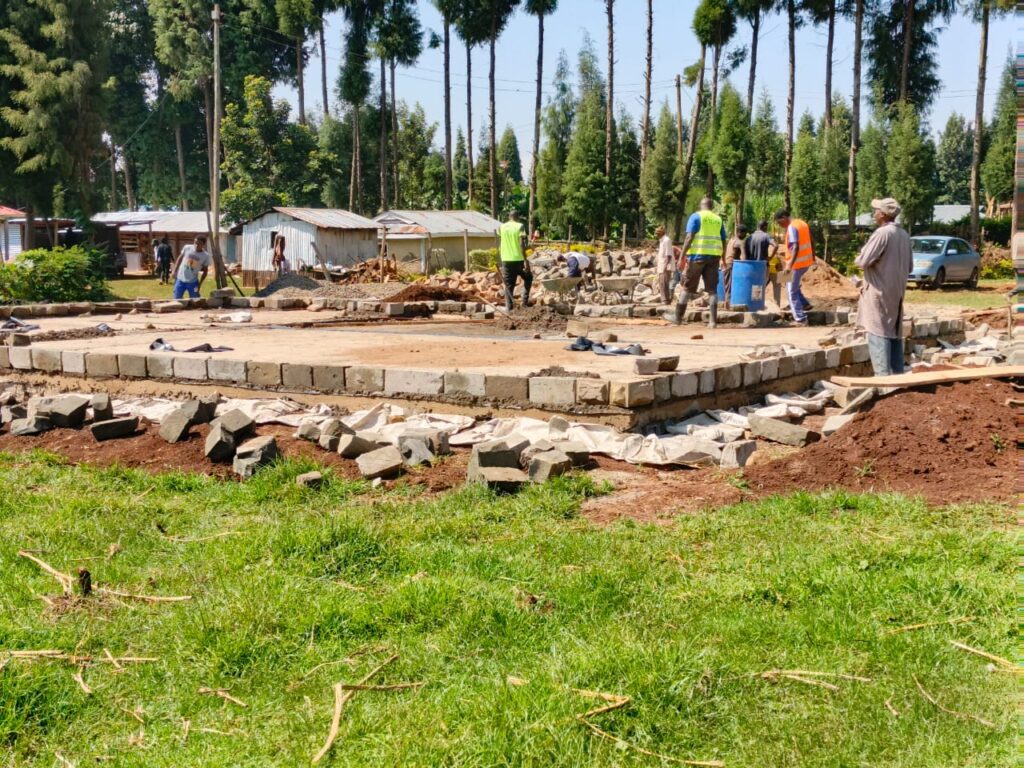
Before investing in any flooring type, it’s important to have a clear understanding of your budget and what influences total costs. Every home in Kenya is different, so planning ahead helps you balance quality, durability, and appearance. A well-thought-out budget not only saves money but also ensures you pick flooring that suits your lifestyle, climate, and long-term maintenance needs.
Key Cost-Influencing Factors in Kenya
Several variables directly affect how much you’ll spend on flooring in Kenya. Knowing these factors helps you prepare a realistic cost estimate before purchasing materials or hiring professionals.
- Type and quality of material – Ceramic tiles, hardwood, laminate, and concrete floors vary widely in price. Locally made tiles are cheaper, while imported porcelain or hardwood costs more due to shipping and taxes.
- Import duties and supplier markups – Imported materials attract higher prices because of customs fees and transport costs from ports like Mombasa to inland towns.
- Labour and installation rates – Professional installers charge differently depending on region and complexity. For example, Nairobi and Mombasa tend to have higher labour costs than smaller towns.
- Condition of the site – Uneven or damp subfloors may require extra preparation such as leveling compounds or waterproof membranes.
- Project scale and design complexity – Large spaces, decorative patterns, or polished finishes take more time and resources to complete.
Each of these factors adds up, so it’s best to request quotes from multiple suppliers and contractors before making your final decision.
How to Measure and Estimate Flooring Cost per m² in Kenya
Calculating floor area correctly is key to buying the right quantity of materials and avoiding unexpected costs. Here’s how to estimate accurately:
- Measure each room – Multiply the length by width to get the total square metres. For irregular spaces, divide the area into smaller rectangles and add them together.
- Account for wastage – Always include an extra 10% for offcuts, alignment adjustments, and breakages during installation.
- Include all finishing elements – Don’t forget to add skirting boards, trims, adhesive, grout, or varnish in your total material cost.
- Labour and equipment – Labour is usually charged per square metre, while tools like tile cutters or polishing machines may be rented separately.
Once you have these details, multiply your total area by the material and labour rate to get a close estimate. For accuracy, consult your supplier or installer before purchasing.

Hidden or Additional Costs
Even after budgeting for materials and installation, extra expenses can still appear. Understanding them early helps prevent financial strain midway through your project.
Common hidden or overlooked costs include:
- Old floor removal – Removing existing tiles, vinyl, or damaged concrete can add labour time and disposal fees.
- Subfloor repairs – Cracks, dampness, or uneven surfaces require patching or waterproofing before installation.
- Moisture and termite treatment – Especially for wood or laminate flooring, applying protective layers is crucial for long-term durability.
- Transportation and handling – Delivering heavy materials such as tiles or cement from suppliers adds to your cost, especially in rural areas.
- Finishing and sealing – Polishing, varnishing, or sealing surfaces improves appearance and lifespan but raises overall expenses.
By planning for these extras, you can complete your flooring project without unexpected interruptions or budget overruns.
Tile Flooring in Kenya
Tile flooring remains one of the most popular choices for both modern and traditional Kenyan homes. It offers a clean, stylish look that suits almost any design — from luxury apartments in Nairobi to rural family homes. Tiles are also durable, water-resistant, and available in countless styles, making them ideal for various spaces and budgets. Understanding the different types, prices, and maintenance needs will help you choose the right tiles for your home.
Popular Types of Tiles (Ceramic, Porcelain, Natural Stone, Wood-Look)
Tiles come in several varieties, each offering unique strengths and aesthetic appeal. Here are the most common types used in Kenya:
- Ceramic tiles – Affordable and versatile, ceramic tiles are made from natural clay and come in many designs. They’re ideal for living rooms, kitchens, and bathrooms. However, they can chip if not installed properly.
- Porcelain tiles – Denser and more durable than ceramic, porcelain tiles handle moisture and heavy traffic better. They’re great for kitchens, corridors, and commercial spaces.
- Natural stone tiles – These include granite, marble, and travertine, which bring a premium and elegant finish. They’re long-lasting but require sealing to resist stains.
- Wood-look tiles – Designed to mimic real wood, they combine the warmth of wood with the easy maintenance of tiles, making them perfect for humid areas like coastal regions.
In Kenya’s diverse climates — from humid Mombasa to cool highlands — porcelain and wood-look tiles perform especially well due to their water resistance and durability.
Tile Prices in Kenya (Keyword: Tile Prices Kenya)
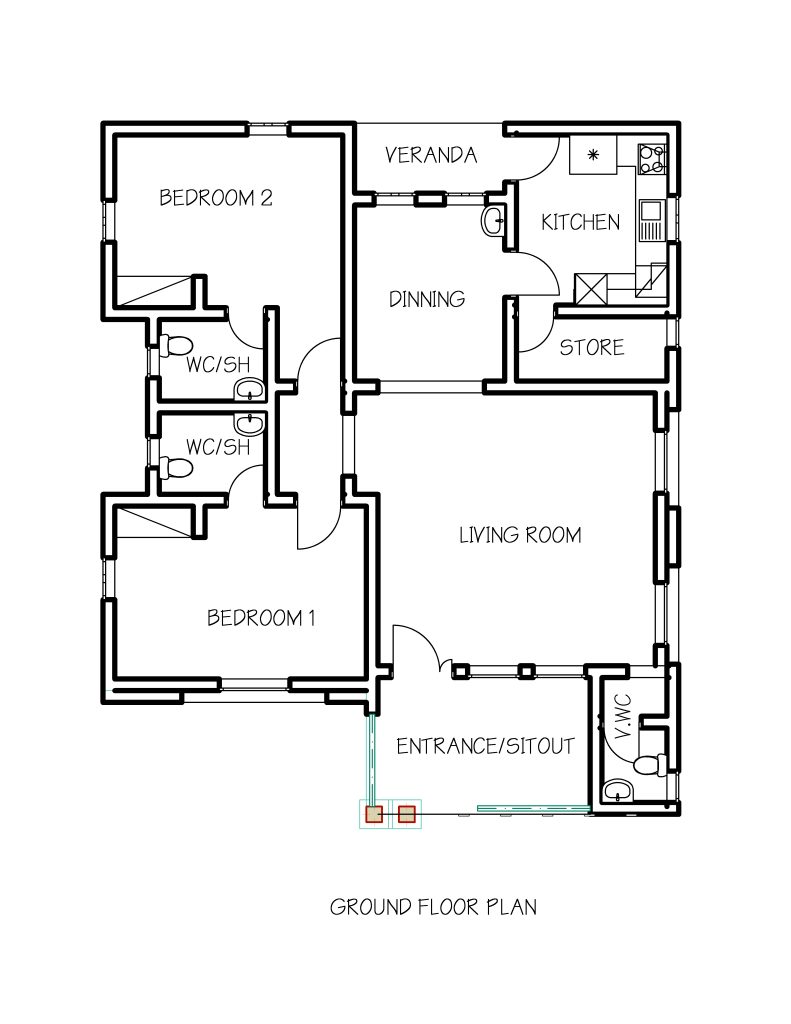
When comparing tile prices in Kenya, the cost depends on factors such as size, quality, design, and brand origin. Local ceramic tiles are generally cheaper than imported porcelain or marble tiles. On average, here’s what Kenyan homeowners can expect:
- Ceramic tiles: Affordable, ranging between Ksh 800 – 1,500 per m².
- Porcelain tiles: Mid-range, averaging Ksh 1,800 – 3,000 per m² depending on finish.
- Wood-look tiles: Slightly higher, often Ksh 2,000 – 3,500 per m².
- Natural stone tiles: Premium range, starting from Ksh 3,000 per m² and above.
For quality assurance, purchase from reputable tile suppliers or hardware stores in major towns. It’s also wise to buy a few extra boxes in case of breakage or future repairs.
Installation and Maintenance Costs for Tile Floors
Installing tiles in Kenya requires skilled labour to achieve a professional finish and ensure durability. Labour costs typically range from Ksh 350 to 600 per m², depending on the complexity of the pattern and location.
During installation, you’ll also need grout, adhesive, and spacers, which slightly raise the total cost. Proper grouting prevents moisture from seeping underneath, while sealing protects the surface against stains and cracks.
For maintenance:
- Sweep or mop regularly to remove dust and debris.
- Use mild detergents to avoid damaging the glaze.
- Re-seal stone or wood-look tiles periodically for longevity.
With proper care, tile floors can last decades, maintaining their colour and finish even in high-traffic areas.
Best Uses of Tiles in Kenyan Homes
Tiles are incredibly flexible and can suit almost any room type in Kenya, depending on style and finish. Here are some of the best applications:
- Kitchens and bathrooms: Porcelain and ceramic tiles handle spills and humidity well.
- Living rooms and hallways: Large-format or polished tiles create a sleek modern look.
- Rental properties: Easy to clean and durable, tiles are a cost-effective long-term choice.
- Outdoor areas: Textured or matte tiles provide grip and resist weather damage.
Overall, tiles remain one of the most reliable flooring options in Kenya, offering durability, beauty, and practicality in one package.
Wooden and Wood-Look Flooring in Kenya
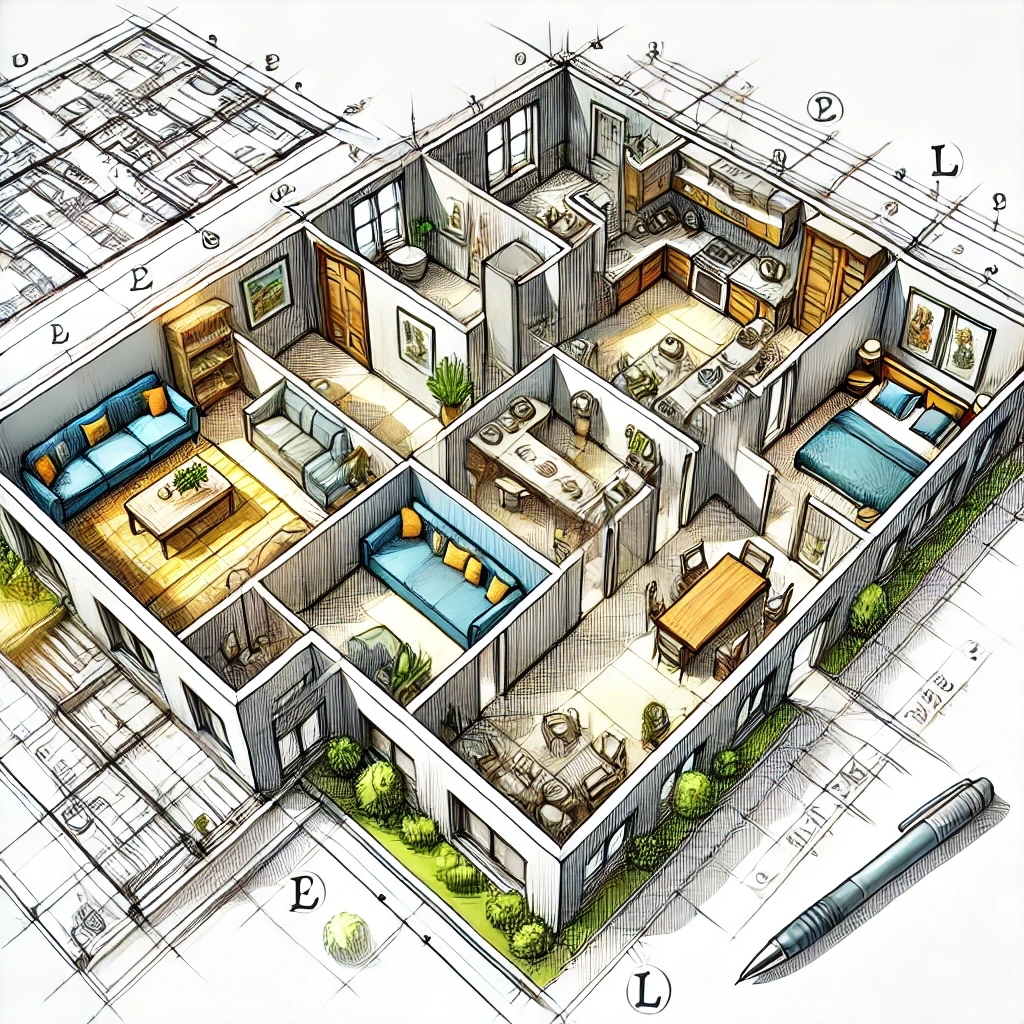
Wooden flooring brings warmth, elegance, and a timeless charm to Kenyan homes. Whether you live in a countryside bungalow or a modern apartment, wood adds a natural and cozy touch that enhances resale value. However, understanding the different types — from real hardwood to synthetic wood-look alternatives — is crucial before investing. This section explores key differences, pricing, and maintenance to help you choose the best flooring options in Kenya for your style and budget.
Real Hardwood vs Engineered Wood vs Laminate/SPC
Each wooden flooring type offers a unique combination of texture, durability, and resistance to Kenya’s varied climates.
- Real hardwood flooring – Made entirely from natural timber such as mahogany, oak, or cypress. It’s luxurious, long-lasting, and can be sanded and refinished multiple times. However, it’s more expensive and sensitive to humidity.
- Engineered wood flooring – Features a thin hardwood top layer bonded to plywood or high-density fiberboard. It’s more stable than solid wood and performs better in humid regions like Mombasa or Kisumu.
- Laminate or SPC (Stone Plastic Composite) – These mimic the look of wood but are made from synthetic materials. SPC flooring, in particular, is waterproof, scratch-resistant, and perfect for rentals or busy households.
In Kenya, many homeowners choose engineered wood or SPC for their blend of beauty and practicality — achieving a wooden feel without high maintenance.
Wooden Floor Cost in Kenya (Keyword: Wooden Floor Cost Kenya)
The wooden floor cost in Kenya varies depending on the material, design, and installation quality. Here’s a general cost guide:
- Solid hardwood flooring: Ksh 3,500 – 6,500 per m² (plus finishing and varnishing).
- Engineered wood flooring: Ksh 2,800 – 4,500 per m².
- Laminate/SPC flooring: Ksh 1,800 – 3,000 per m² depending on brand and thickness.
Installation labour adds around Ksh 400 – 800 per m², and sealing or polishing can increase total expenses slightly. Always factor in skirting, trims, and underlayment for a complete budget.
To control costs, consider sourcing directly from major suppliers in Nairobi or Mombasa, or explore local brands that provide imported finishes at fair prices.

Installation and Upkeep of Wood Flooring
Wood flooring needs careful installation and regular maintenance to last long, especially in Kenya’s changing humidity conditions.
- Humidity control: Avoid installing solid wood in damp basements or coastal regions. Engineered wood or SPC performs better in such environments.
- Termite prevention: Use treated wood and apply protective coatings regularly.
- Refinishing: Solid hardwood can be sanded and re-varnished every 5–7 years to restore shine.
- Cleaning: Sweep and mop with minimal water; never soak wooden floors.
Proper care ensures your floors remain elegant for decades, adding comfort and value to your home.
Affordable Alternatives — Wood-Look Tiles and SPC Flooring
If real wood feels out of budget or too demanding to maintain, wood-look tiles and SPC flooring offer fantastic alternatives.
- Wood-look tiles: Made of porcelain or ceramic, they replicate the texture and colour of timber but are waterproof and easy to clean — ideal for kitchens, hallways, or rental units.
- SPC flooring: Combines limestone and PVC for a realistic wooden finish that’s scratch-resistant, durable, and affordable. It’s perfect for areas with heavy foot traffic or humidity.
Both options deliver the charm of wood without high costs or complex upkeep — making them popular flooring options in Kenya for modern and practical homes.
Concrete and Decorative Concrete Flooring
Concrete flooring has evolved from a purely functional choice to a stylish, affordable, and durable option for modern Kenyan homes. With the right finishing and design, it can rival tiles or wood in beauty while remaining strong and low-maintenance. From plain industrial looks to glossy polished finishes, concrete flooring in Kenya offers a versatile solution for both indoor and outdoor applications.
Common Concrete Finishes (Plain, Polished, Stamped, Sealed)
Concrete floors in Kenya come in several finish types, each suiting different preferences, budgets, and spaces:
- Plain concrete: A simple, cost-effective option often used in garages, workshops, and utility areas. It’s strong but requires sealing to resist dust and stains.
- Polished concrete: Smooth and glossy, this finish is increasingly popular in modern homes and offices. It reflects light, creating a bright and clean aesthetic.
- Stamped concrete: Designed to mimic brick, stone, or tile patterns, stamped finishes are great for driveways, patios, and commercial spaces.
- Sealed concrete: A protective layer is added to prevent water penetration and cracking, extending lifespan in humid or coastal climates.
These finishes can be coloured or textured to match different interior styles — from minimalist urban apartments to rustic countryside homes.
Cost of Concrete Flooring in Kenya
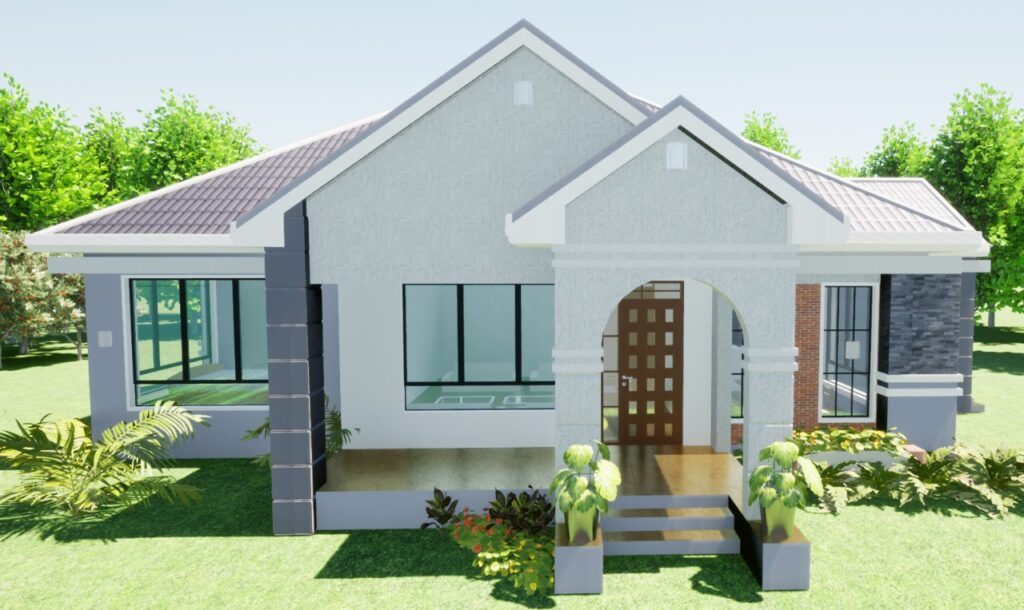
The cost of concrete flooring in Kenya depends largely on the type of finish and labour involved. For basic plain concrete floors, expect to spend around Ksh 800 – 1,200 per m², including materials and labour.
Decorative options such as polished or stamped concrete cost between Ksh 1,800 – 3,500 per m², depending on complexity, colour, and sealing products used. Labour charges typically range from Ksh 300 – 600 per m², and surface preparation (like levelling or reinforcement) may increase costs slightly.
Overall, concrete flooring remains one of the most affordable and long-lasting flooring options in Kenya, making it ideal for homeowners seeking both beauty and value.
Pros and Cons of Concrete Flooring
Like any flooring material, concrete comes with its strengths and drawbacks.
Pros:
- Extremely durable and long-lasting when well maintained.
- Versatile — can be polished, stained, or stamped to achieve various looks.
- Low maintenance — easy to clean and doesn’t attract dust mites or mould.
- Excellent for radiant heating systems and large open-plan spaces.
Cons:
- Can feel cold or hard underfoot, especially in highland regions.
- Prone to cracking if not properly sealed or reinforced.
- Requires professional finishing to prevent uneven surfaces or water damage.
Despite these minor challenges, polished and sealed concrete floors continue to gain popularity across Kenya for their sleek appearance and affordability.
Ideal Applications for Concrete Floors in Kenya
Concrete flooring fits perfectly in a wide range of spaces across Kenyan properties:
- Garages and workshops: Tough and resistant to oil, moisture, and heavy tools.
- Open-plan living spaces: Polished concrete adds a modern industrial look.
- Patios and verandas: Stamped or sealed finishes offer weather resistance and visual appeal.
- Rental apartments and commercial spaces: Low-cost and easy to maintain, ideal for landlords and developers.
Its balance of cost, durability, and design flexibility makes concrete one of the most practical flooring options in Kenya, especially for large or high-traffic areas.
Cost and Value Comparison
When selecting flooring for your home, it’s important to weigh both cost and long-term value. In Kenya, the choice between tiles, wood, and concrete depends not only on upfront expense but also on durability, maintenance, and suitability for different spaces. Comparing these factors helps homeowners make informed decisions and get the best return on investment.
Price vs Durability Comparison: Tiles vs Wood vs Concrete
Each flooring type offers a unique combination of cost, lifespan, and maintenance requirements:
- Tiles: Affordable to mid-range, durable, water-resistant, and low-maintenance. Ideal for high-traffic or wet areas. Can last 15–25 years with proper care.
- Wood: More expensive upfront, especially real hardwood. Offers elegance and warmth. Requires regular polishing and termite protection but can last 20–30 years. Engineered wood or SPC is cheaper and more stable in humid climates.
- Concrete: Very cost-effective and extremely durable. Polished or stamped concrete adds aesthetic value without high maintenance. Can last 30+ years if sealed properly.
Considering durability against initial cost, concrete and tiles often provide the best long-term value in Kenya, while wood is preferred for style and comfort in living spaces.
Choosing the right flooring depends on the function of the room and lifestyle of the household:
- Living areas: Wood or wood-look tiles for warmth and elegance.
- Kitchens and bathrooms: Porcelain or ceramic tiles for water resistance.
- Rental units: Tiles or SPC flooring for durability and low maintenance.
- Luxury homes: Hardwood or polished concrete for aesthetic appeal and sophistication.
This approach ensures each space combines style, function, and longevity.
Regional Variations in Kenya
Material availability and pricing vary across regions:
- Nairobi and Mombasa: Wider range of imported tiles and hardwood; slightly higher prices due to urban demand.
- Kisumu: Moderate options with locally sourced tiles and some imported wood.
- Rural towns: Mostly locally manufactured tiles, concrete, or low-cost wood alternatives.
Understanding regional differences helps homeowners source affordable materials without compromising quality.
Other Flooring Types Gaining Popularity
Kenyan homeowners are exploring alternatives beyond tiles, wood, and concrete. These emerging options provide flexibility in style, cost, and maintenance.
Vinyl, Laminate, Bamboo, and Epoxy Options in Kenya
- Vinyl flooring: Waterproof, low-cost, easy to maintain; great for kitchens or rentals.
- Laminate flooring: Mimics wood at a lower cost; scratch-resistant and ideal for urban apartments.
- Bamboo flooring: Eco-friendly, durable, and stylish; suitable for living areas with moderate humidity.
- Epoxy flooring: Popular in garages and commercial spaces; high durability and seamless finish.
Each type suits specific spaces and budgets, giving homeowners more creative freedom
When to Choose Budget Flooring Options
Budget-friendly flooring works best in situations where low maintenance and affordability are priorities:
- Rental properties: Durable tiles or SPC flooring reduce long-term upkeep costs.
- Rural homes: Plain concrete or ceramic tiles offer cost savings and durability.
- Temporary or phased renovations: Low-cost laminate, vinyl, or wood-look tiles allow gradual upgrades.
By choosing wisely, homeowners can maximise value without compromising quality or aesthetics.

Buying and Installation Tips
Choosing the right flooring is only part of the process. Proper buying strategies and installation practices ensure your investment lasts and looks great. In Kenya, understanding how to select suppliers, verify quality, and plan installation can save both money and time.
How to Get Accurate Quotations
Getting reliable quotes prevents budget overruns and hidden expenses.
- Request detailed breakdowns: Ask suppliers to list material, labour, delivery, and finishing costs separately.
- Compare multiple suppliers: Check prices across local stores, online vendors, and urban markets like Nairobi or Mombasa.
- Account for extras: Include underlayments, trims, sealing products, and waste allowances in your calculations.
- Clarify payment terms: Ensure upfront deposits and final payments are clearly outlined to avoid disputes.
Accurate quotations help you make informed decisions and plan your flooring project effectively.
Supplier and Installer Checks
Before committing to a purchase or installation:
- Check brand quality: Choose reputable brands known for durability and warranty coverage.
- Verify installer experience: Skilled labour ensures proper fitting, alignment, and finishing.
- Look for warranties: Some materials and installations come with limited warranties covering defects or damage.
- Inspect previous projects: Ask for references or site visits to see their workmanship firsthand.
These steps minimise risks and ensure your flooring performs well over time.
Maintenance Guide by Flooring Type
Proper care prolongs the life of your floors and maintains their appearance:
- Tiles: Sweep or mop regularly, seal grout annually, and avoid harsh chemicals.
- Wood: Control humidity, polish periodically, and treat for termites if necessary.
- Concrete: Reseal polished or stamped surfaces every few years to prevent cracks and stains.
Following these simple routines ensures each flooring type retains its beauty and functionality for decades.
Sustainability and Eco-Friendly Flooring
Eco-conscious flooring options are increasingly available in Kenya. They reduce environmental impact while offering durability and style, aligning with global sustainability trends.
Recycled or Renewable Materials Available in Kenya
Several eco-friendly flooring options are suitable for Kenyan homes:
- Bamboo: Fast-growing, renewable, and highly durable for indoor spaces.
- Cork: Soft, insulating, and harvested sustainably.
- Recycled tiles: Made from repurposed glass, ceramics, or plastics, offering unique aesthetics.
These materials reduce reliance on hardwoods and contribute to greener construction practices.
Long-Term Savings and Environmental Benefits
Investing in eco-friendly flooring can save money and the environment:
- Reduced replacement frequency: Durable recycled or renewable materials last longer.
- Lower maintenance costs: Many sustainable options require minimal polishing or sealing.
- Eco-friendly adhesives and coatings: Reduce exposure to harmful VOCs and chemicals.
- Positive environmental impact: Choosing renewable or recycled materials helps conserve natural resources.
Sustainable flooring in Kenya combines style, practicality, and responsibility, making it an excellent choice for modern homeowners.
Financing and Resale Value
Flooring is more than just a design choice; it’s an investment that can influence the value of your home in Kenya. Making smart decisions about materials, quality, and installation can boost resale potential while fitting your budget.
How Flooring Choice Affects Resale Value in Kenya
The type and quality of flooring can significantly impact how buyers perceive your property:
- Perceived luxury: Hardwood or polished concrete floors often give homes a high-end feel.
- Durability: Long-lasting materials like porcelain tiles or engineered wood attract buyers looking for low-maintenance homes.
- Aesthetic appeal: Modern, well-maintained floors can increase marketability and shorten selling time.
- Room suitability: Matching flooring to room function (tiles in wet areas, wood in living spaces) improves buyer confidence.
Choosing the right flooring enhances both the immediate comfort of your home and its long-term investment value.

Budget Planning for Upgrades or Phased Installations
Not every homeowner can renovate an entire home at once, so phased installations can be an effective strategy:
- Prioritise high-traffic areas: Start with living rooms, kitchens, or main bedrooms.
- Use cost-effective materials initially: Tiles or SPC flooring in secondary spaces can save money.
- Plan for future upgrades: Allocate funds over months or years for premium finishes like hardwood or polished concrete.
- Include maintenance in budgeting: Regular upkeep prevents premature replacements and keeps floors looking new.
Phased upgrades allow homeowners to balance quality, aesthetics, and financial planning efficiently.
Conclusion
Choosing the right flooring involves evaluating cost, durability, aesthetics, and maintenance. Tiles, wood, and concrete each offer unique advantages for Kenyan homes, from affordable options to premium finishes.
By understanding prices, installation requirements, and upkeep, you can make informed decisions and select the most suitable flooring options in Kenya for your lifestyle and budget.
Take action today: request local quotes, compare materials, and invest in floors that combine beauty, functionality, and long-term value.