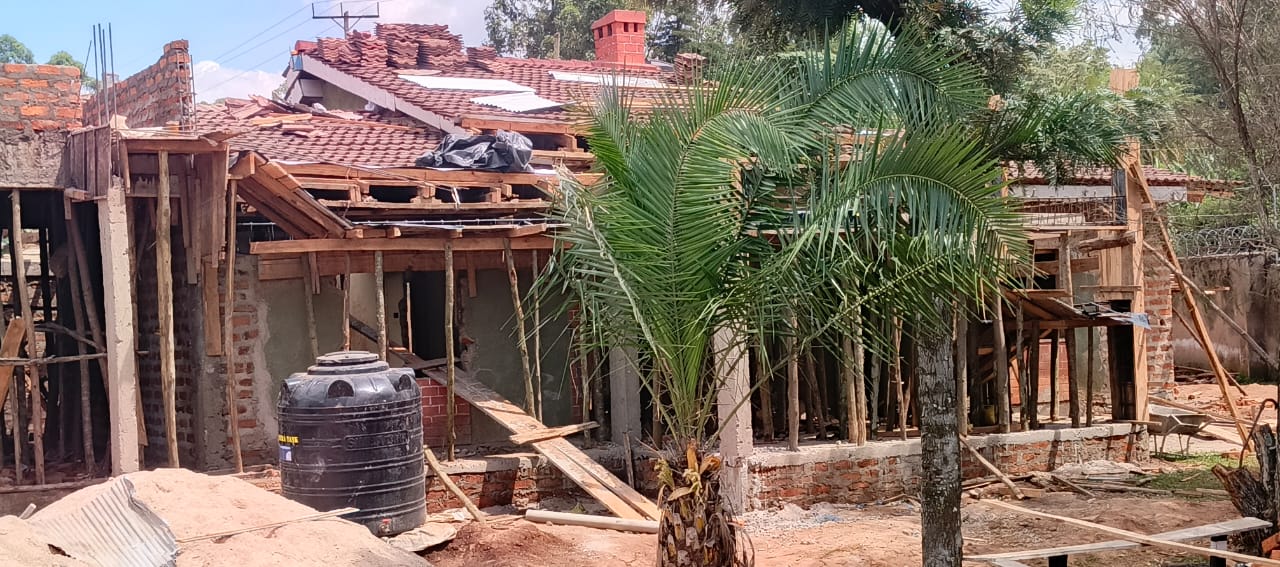
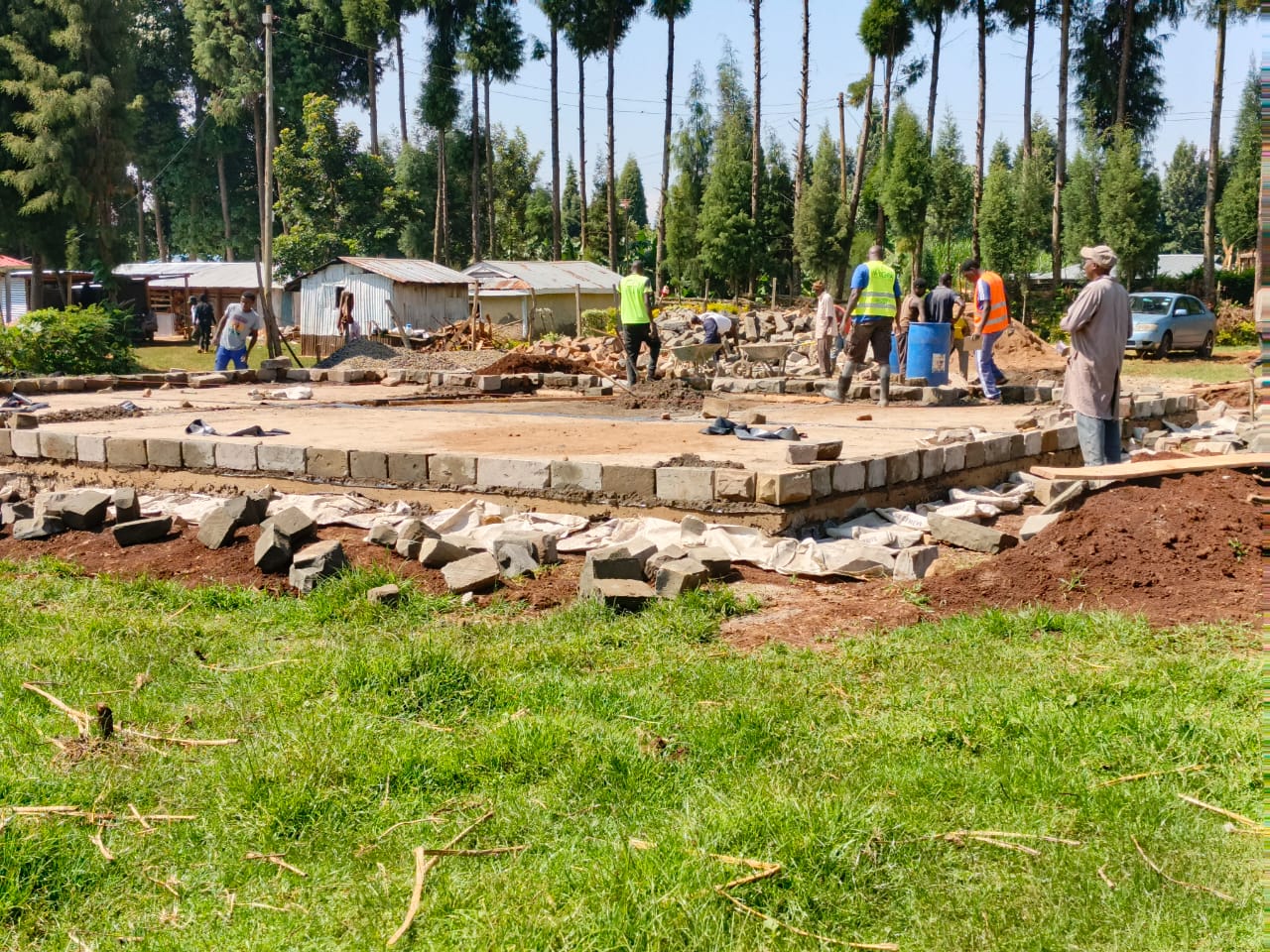
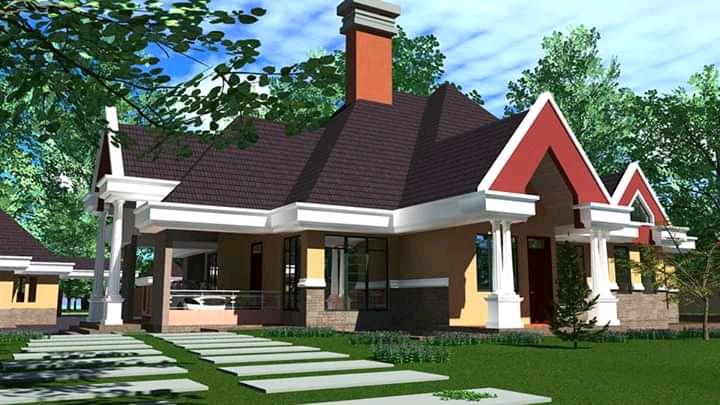
Most homeowners compare roofing quotes by the price of the sheets or tiles. That is why so many are caught out: the covering is only one part of roofing cost in Kenya. The timber or steel structure, ridges, valleys, flashing, gutters, fascia, fixings and labour all add up, and the area being covered is usually larger than the floor plan suggests. Understanding cost per square metre of actual roof, not per sheet, is the only fair way to compare options.
This guide gives you a step-by-step method to estimate your roof budget before you call a contractor. Construction in Kenya works with Marble Engineering and Construction Ltd, our engineering and construction partner, and if you would like a measured quote for your own house you can go straight to the roofing services from Marble Engineering.
Need a roofing quote for your house? WhatsApp 0789 217 685
What roofing cost in Kenya actually includes
A complete roof quotation should cover five groups of items. If a quote leaves any of them out, ask why.
- Structure: treated timber trusses, rafters, purlins and wall plates, or light-gauge steel trusses.
- Covering: iron sheets, box profile, tile-profile sheets, stone-coated steel tiles, or clay or concrete tiles.
- Accessories: ridges, hip and valley pieces, flashing, barge boards, underlay and fixings.
- Rainwater goods: gutters, downpipes and fascia boards.
- Labour and transport: fabrication, lifting, fixing and delivery to site.
The ceiling is normally priced separately, so check whether your quote includes it. For a comparison of the coverings themselves, read our guide to types of roofing materials in Kenya.
Step 1: Measure the true roof area
A pitched roof is always larger than the floor beneath it, for two reasons: overhangs (the eaves that project beyond the walls) and slope. Start with the plan area including overhangs, then multiply by a slope factor. The factor is simple geometry: 1 divided by the cosine of the roof pitch.
| Roof pitch | Slope factor | Plan area 140 m² becomes |
|---|---|---|
| 15° | 1.035 | about 145 m² |
| 25° | 1.103 | about 154 m² |
| 30° | 1.155 | about 162 m² |
| 35° | 1.221 | about 171 m² |
Hipped roofs, valleys and dormers add cutting waste on top of this, so your contractor will usually allow extra material. A simple gable roof wastes the least.
Step 2: Convert sheet prices to roofing cost per square metre
Roofing sheets in Kenya are sold per running metre, not per square metre. To compare them fairly, divide the price per metre by the sheet’s effective cover width, which is the width it covers after side laps. Each manufacturer publishes this figure for each profile, so ask your supplier for it.
For example, Construction Kenya’s roofing price survey listed a gauge 30 Galsheet Resincot at Sh676 per metre and roofing sheets generally at between Sh300 and Sh1,600 per metre, depending on gauge, coating and profile. If a sheet’s effective cover were 0.8 m, Sh676 per metre would work out to about Sh845 per square metre of covering before end laps and waste. Prices change often, so always use a current supplier quote.
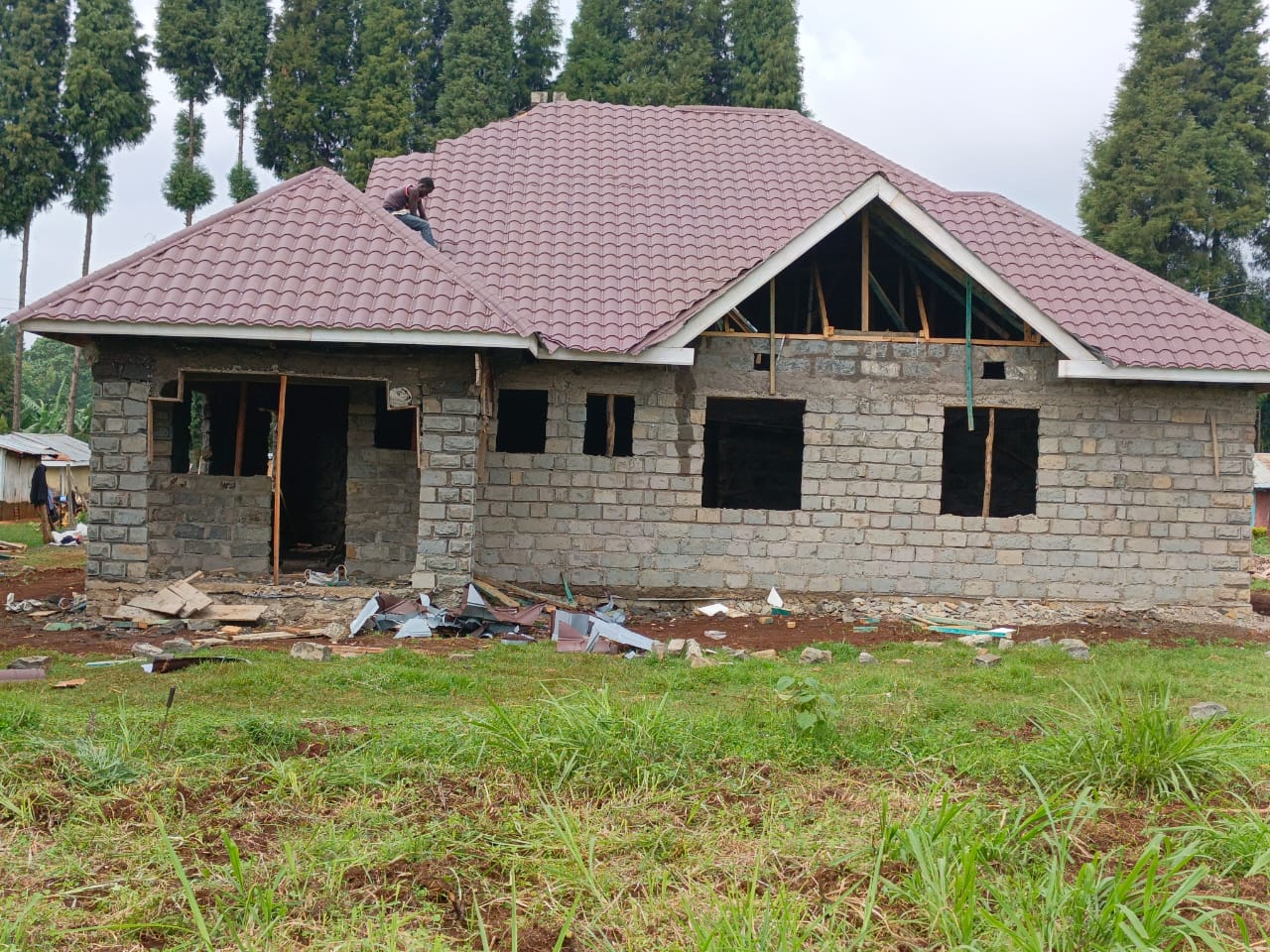
Step 3: Add structure, accessories and labour
Once you know the covering cost per square metre, build up the rest of the roof budget:
- Structure: heavier coverings such as clay and concrete tiles need closer, stronger trusses than iron sheets. Ask your structural engineer to size them.
- Accessories: count the metres of ridge, hip, valley and flashing from the roof plan. Complex roofs need far more.
- Rainwater goods: measure the eaves length for gutters and fascia, and add one downpipe per drainage point.
- Labour: usually quoted per square metre or as a lump sum; steep and complex roofs take longer.
- Contingency: keep a reserve for price changes between quotation and delivery.
Cost of roofing a 3 bedroom house: what moves the number
| Factor | Lower cost | Higher cost |
|---|---|---|
| Roof shape | Simple gable | Hipped with valleys and dormers |
| Pitch | Low pitch | Steep pitch |
| Covering | Plain galvanised sheets | Stone-coated or clay tiles |
| Gauge | Thinner gauge | Thicker gauge (e.g. 28) |
| Structure | Light timber for sheets | Heavier trusses for tiles |
| Site access | Near supplier, easy access | Remote site, long haulage |
For worked examples on larger houses, see our older breakdown of the roofing cost of a 4 bedroom house in Kenya, and for overall house budgets our 3 bedroom bungalow construction cost guide.
How to keep your roof budget under control
- Finalise the roof design and covering before construction starts.
- Get at least two quotes priced from the same roof plan and specification.
- Ask each supplier for the effective cover width and gauge in writing.
- Buy sheets cut to length to reduce waste and joints.
- Use a contractor registered with the National Construction Authority.
- Check current sheet prices in our roofing sheets price guide.
Frequently asked questions
How do I calculate roofing cost per square metre?
Divide the sheet price per metre by its effective cover width to get the covering cost per m², then add structure, accessories, rainwater goods and labour, and divide the total by the true roof area.
Why is my roof area bigger than my floor area?
Because of eaves overhangs and the roof slope. A 30° roof is about 15.5% larger than its flat plan area, before any overhang.
Are tiles always more expensive than iron sheets?
Generally the covering and the structure both cost more for heavy tiles, but compare complete quotes; a premium sheet on a complex roof can cost more than tiles on a simple one.
Get a measured roofing quote
Send your house plan and preferred covering to our engineering and construction partner for a full quote through the roofing services by Marble Engineering, covering structure, sheets or tiles, accessories and installation.
Or call 0789 217 685 / 0724 481 087.