
On 23 October 2026, an 18-storey building under construction on Ninth Street in Eastleigh, Nairobi, collapsed. Eight people died, making it one of the deadliest building failures in the city this year. Our thoughts are with the families who lost loved ones and with the workers and residents who survived.
In the weeks since, hearings at the Nairobi County Assembly have moved the story from the rubble to the paperwork. County planning officials told MCAs that the building never received county approval, and that documents presented to the National Construction Authority (NCA) as county approval were forgeries. This article sets out what has been reported, what officials say went wrong and what it means for anyone building a home or rental property in Kenya.
Planning to build safely, with approvals you can trust? Talk to our team: WhatsApp 0789 217 685
This is Part 1 of a three-part series: Part 1: What happened / Part 2: Lessons / Part 3: How West Kenya Real Estate can help
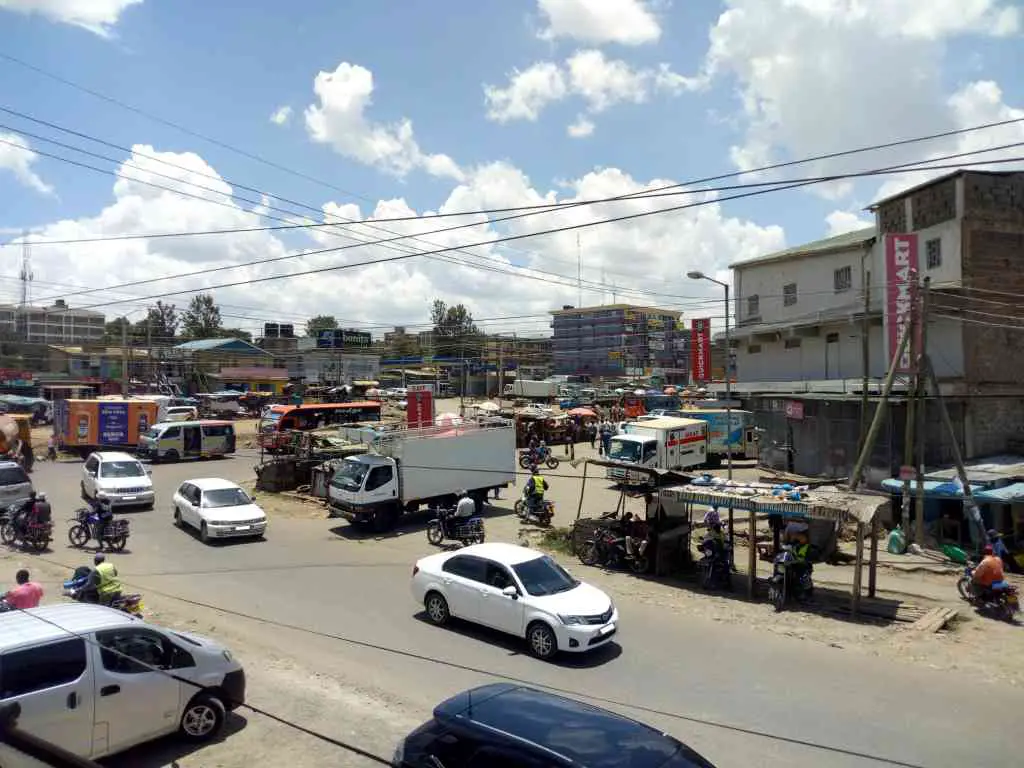
What happened in Eastleigh
The building stood on a plot on Ninth Street in Eastleigh. According to Citizen Digital, construction began in June 2025 and continued into 2026. Engineers quoted by Citizen described the failure as a “pancake” collapse, in which floors fall onto each other. The Architects Alliance, in an open letter reported by The Standard, put the death toll at eight.
Within days, Nairobi Governor Johnson Sakaja said publicly that the building had been going up without building approvals. As reported by Citizen Digital, he said a change-of-use application had been granted for the plot, but the building plans themselves had not been approved. The National Environment Management Authority (NEMA) also said the project was non-compliant and did not hold an Environmental Impact Assessment (EIA) licence, because the developer had not resubmitted the drawings NEMA requested.
At the same time, the NCA confirmed that the project had been registered on its system on 30 July 2025. That raised an obvious question: how could a project without county approval be registered with the national regulator?
What county officials told MCAs
The Nairobi County Assembly’s planning committee, chaired by Baba Dogo MCA Geoffrey Majiwa, has been questioning county officials about the approval history of the building. According to the Daily Nation and Capital FM, Fredrick Ochanda, the county’s Assistant Director for Development Control, told the committee that the documents shown to the NCA as county approval were forged. “They were forgeries,” he said, adding that, as of the hearing, no application for the building had been approved.
Mr Ochanda described two applications, as reported by the Nation and Capital FM:
- A first application, submitted in November 2024, was for a building with one basement and 15 levels. It did not go through because the approval fee invoice was not paid.
- A second application with similar specifications was submitted in November 2025. This time the fee was paid, but the application was not processed because of outstanding comments, including basement shops and on-site parking, and a missing Kenya Civil Aviation Authority (KCAA) clearance.
- The building that actually went up was 18 storeys, several floors more than either application sought.
In a separate session reported by the Daily Nation, a registered architect told MCAs that his credentials had been used, through a broker, for the change-of-user application on the plot. He said he had never met the developer and admitted he had not done due diligence.
Tom Achar, the county’s acting director for planning and compliance, told the committee that the building had been flagged, that two enforcement notices had been issued and that arrests had been made, yet construction continued. He also said there was political interference in approvals, without naming anyone. The Standard reported that the file has been passed to the Directorate of Criminal Investigations (DCI). Investigations are ongoing and no charges have been reported. The committee has summoned the developer and other parties to appear before it tables its report.
Why it happened: the causes officials point to
The technical cause of the collapse has not been officially published, and we will not speculate about it. What officials and professional bodies have described so far is a chain of failures in the approval and enforcement system:
- Approval papers that could not be trusted. County officials say documents presented as county approval were forged, yet the project was still registered nationally.
- Professional credentials used without real involvement. An architect’s registration was used for an application without his oversight of the project, according to his own testimony.
- Extra floors. The building rose higher than anything applied for.
- Enforcement that did not stop work. Notices and arrests did not halt construction, according to the county’s compliance director.
The regulator’s own capacity is part of the picture. On 19 November, NCA Acting Director General Susan Rutto told the National Assembly’s housing committee that the authority is present in only 27 counties, with 14 regional offices, and that Nairobi’s 17 sub-counties have five technical officers when they need at least 50, as reported by Citizen Digital. She said the NCA has no legal power to halt construction on its own and that 72 buildings had collapsed in the past three years.
The effects so far
The first effect is human: eight lives lost and families left without breadwinners. Beyond that, the Eastleigh case has become central to a national debate on building safety. It was one of three disasters in Nairobi and its environs, together with the Syokimau building collapse on 13 November and the Riverside Drive wall collapse a day later, that the Architects Alliance says killed 18 people in just over three weeks. In its open letter, the Alliance asked President Ruto to declare building collapses a national disaster and to set up a building safety task force and an independent inquiry.
Engineers are pushing in the same direction. According to Capital FM, the Institution of Engineers of Kenya (IEK) is calling for an External Building Audit Act that would require independent assessments of buildings. The same report lists collapses outside Nairobi this year, including a partial collapse in Kisumu’s Mamboleo area in September that injured eight people, a reminder that this is not only a Nairobi problem.
For homeowners, landlords and developers, the practical effect is likely to be closer scrutiny of paperwork: counties re-checking approvals, the NCA tightening registration, and buyers, tenants and lenders asking harder questions about whether a building’s approvals are genuine.
What it means if you are building
The Eastleigh case shows that a stamped document is not the same as a genuine approval. Before you build, confirm your approvals directly with the county and register the project properly with the NCA. Use registered professionals who are actually involved in your project, and build exactly what was approved. Part 2 of this series turns these points into a practical checklist, and our step-by-step guide to building plan approval in Nairobi explains the process.
Read the full series
Planning to build? Start with approvals you can trust
Send us your plot location and what you want to build. Our Design & Build team in Kisumu and Nairobi will explain the drawings, approvals and NCA registration your project needs.
Or call 0789 217 685 / 0724 481 087.



2 thoughts on “Eastleigh Building Collapse and Forged Approvals: What Happened, Why and What It Means”